The 3.0L Duramax turbo-diesel engine has quickly become one of General Motors’ most talked-about powerplants. Found in popular full-size pickups like the Chevrolet Silverado 1500 and GMC Sierra 1500, this inline-six diesel combines impressive fuel economy, strong low-end torque, and a refined driving experience that rivals many gasoline engines. Whether you’re towing heavy trailers, commuting long distances, or simply looking for a more efficient truck, the 3.0 Duramax has earned a reputation as a capable and modern diesel option.
However, like any advanced engine, the 3.0 Duramax is not without its flaws. Since its debut in 2020, owners have reported a variety of issues ranging from relatively minor sensor failures to more expensive repairs involving the emissions system, fuel injectors, and the oil pump belt. While many of these problems affect only a small percentage of vehicles, understanding the most common failures can help owners identify warning signs early, reduce repair costs, and extend the engine’s lifespan.
This guide provides a comprehensive look at the most common 3.0 Duramax engine problems, explaining their symptoms, underlying causes, repair costs, and proven solutions. We’ll also compare the earlier LM2 engine with the updated LZ0 version, discuss which model years are the most reliable, and share practical maintenance tips that can help prevent costly breakdowns.
If you’re considering buying a truck equipped with the 3.0 Duramax or already own one, this article will give you the knowledge needed to make informed decisions and keep your diesel engine running at its best for years to come.
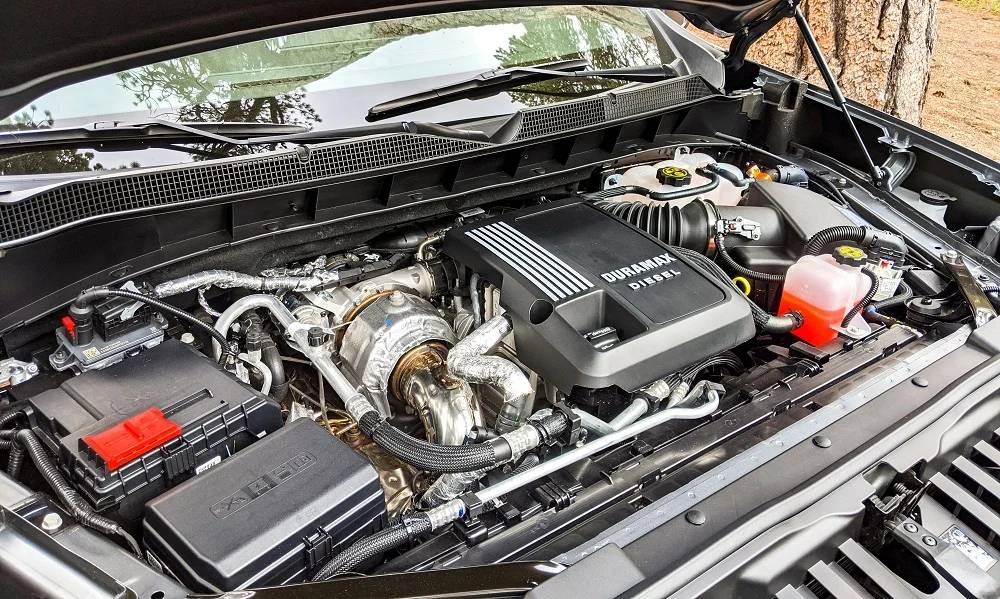
Is the 3.0 Duramax a Reliable Engine?
Overall, the 3.0 Duramax is considered a capable and generally reliable light duty diesel engine, especially when it receives regular maintenance and is driven under conditions that allow its emissions system to operate correctly. Its inline six cylinder layout, strong low speed torque, smooth power delivery, and impressive highway efficiency make it attractive to truck owners who tow, travel long distances, or want better fuel economy than a traditional gasoline V8.
General Motors introduced the original LM2 version for the 2020 model year. It was later replaced by the updated LZ0, which brought revised pistons, new fuel injectors, a modified turbocharger, and a longer validated service interval for the oil pump belt. GM states that the LZ0 oil pump belt is validated for a 200,000 mile service interval, compared with 150,000 miles for the earlier design.
The LZ0 also produces 305 horsepower and 495 pound feet of torque in current applications. These figures represent a meaningful improvement over the earlier LM2 and help explain why the engine performs well during towing, highway merging, and everyday driving.
However, reliability depends on more than the engine’s internal construction. The 3.0 Duramax uses a complex emissions control system that includes exhaust gas recirculation, diesel exhaust fluid, a diesel particulate filter, and multiple electronic sensors. These components help the engine meet emissions requirements, but they also create additional failure points. Short urban trips, excessive idling, poor quality fuel, neglected oil changes, and interrupted diesel particulate filter regeneration cycles can increase the likelihood of warning lights and drivability problems.
The most serious concern for many LM2 owners is the rear mounted oil pump drive belt. The belt is a scheduled maintenance item rather than a component designed to last indefinitely. Accessing it can require significant labor, which makes replacement more expensive than the price of the belt itself. The longer service interval of the updated LZ0 reduces the frequency of this maintenance, but owners should still plan for it.
Another concern is that modern diesel repairs can become expensive quickly. A failed emissions sensor may be relatively manageable, while injector, turbocharger, timing system, or internal engine work can create a much larger bill. This is why early diagnosis matters. Ignoring a check engine light, unusual exhaust smoke, reduced power, coolant loss, or a change in engine noise can turn a manageable problem into a major repair.
A well maintained 3.0 Duramax can be a dependable engine, but it is not ideal for every driver. Owners who regularly travel at highway speeds, tow trailers, and follow the correct maintenance schedule are more likely to enjoy its strengths. Drivers who make only short trips may experience more problems with soot accumulation and emissions equipment.
The final verdict is that the 3.0 Duramax is not inherently unreliable. Most examples do not experience every problem discussed in this guide. Still, buyers should understand that owning a modern diesel requires careful maintenance, correct fluids, and attention to early warning signs.
Quick Overview of Common 3.0 Duramax Engine Problems
The table below summarizes the most frequently discussed 3.0 Duramax engine problems. Severity and repair difficulty can vary depending on the model year, vehicle mileage, warranty coverage, and the exact cause of the failure.
| Common problem | Typical warning signs | Potential severity | Can you continue driving? |
|---|---|---|---|
| Oil pump belt wear | Low oil pressure warning, unusual engine noise, oil pressure concerns | High if the belt fails | Stop driving if oil pressure drops |
| EGR valve or cooler problems | Check engine light, rough idle, reduced power, increased emissions | Moderate to high | Sometimes, but prompt diagnosis is recommended |
| DEF system faults | Warning message, limited speed warning, reduced engine power | Moderate | Usually temporarily, but the vehicle may enter a restricted mode |
| Fuel injector problems | Rough running, hard starting, diesel knock, excessive smoke | High | Limited driving may be possible, but continued use can cause damage |
| Turbocharger problems | Loss of boost, poor acceleration, whining noise, smoke | High | Avoid towing and heavy acceleration until inspected |
| Coolant leaks | Low coolant level, sweet smell, overheating, visible residue | High if ignored | Stop if the engine overheats |
| Glow plug failure | Difficult cold starts, rough startup, check engine light | Low to moderate | Often yes in warm conditions |
| Timing chain or tensioner wear | Rattling noise, timing related fault codes, rough operation | High | Immediate inspection is recommended |
| Carbon buildup | Reduced performance, poor fuel economy, rough idle | Moderate | Usually yes, but performance may continue to decline |
| NOx sensor and software faults | Check engine light, emissions warnings, reduced power | Low to moderate | Often yes, unless the vehicle enters a restricted mode |
| DPF regeneration problems | Frequent regeneration, reduced fuel economy, high idle, warning messages | Moderate to high | Follow the warning instructions and arrange diagnosis |
| Oil or coolant consumption | Falling fluid level, smoke, odors, residue around components | Moderate to high | Depends on the rate of fluid loss |
This overview should not be treated as proof that every 3.0 Duramax will develop these faults. Some issues are maintenance related, some affect only a limited number of vehicles, and others may be caused by sensors or software rather than mechanical damage.
Owners should also remember that one symptom can have several possible causes. Reduced power, for example, could result from an emissions sensor, a boost leak, fuel delivery trouble, a clogged filter, or a turbocharger fault. Replacing parts without a proper diagnostic scan can waste money and leave the original problem unresolved.
The safest approach is to record when the symptom occurs, scan the vehicle for diagnostic trouble codes, check fluid levels, and have the truck inspected by a technician familiar with modern Duramax engines. Warranty status should also be checked before approving an expensive repair because some engine and emissions components may qualify for coverage depending on the vehicle’s age, mileage, location, and service history.
Oil Pump Belt Wear and Failure
Oil pump belt wear is one of the most widely discussed 3.0 Duramax engine problems, particularly on trucks equipped with the earlier LM2 engine. Unlike a traditional external accessory belt, the oil pump drive belt is located inside the engine assembly near the rear of the engine. This placement protects it from outside contamination, but it also makes access more difficult when replacement becomes necessary.
The oil pump has a critical job. It circulates engine oil through bearings, cylinder components, the turbocharger, and other moving parts. If the pump stops operating because its drive belt fails, oil pressure can fall rapidly. Continuing to run the engine without sufficient oil pressure may damage bearings, the crankshaft, the turbocharger, or the entire engine.
Common Symptoms
A worn oil pump belt may not always provide an obvious warning before it becomes a serious problem. Possible symptoms include:
- A low oil pressure warning on the dashboard
- Abnormal ticking, tapping, or knocking sounds
- An oil pressure reading that is lower than normal
- A check engine light or related diagnostic codes
- Metallic debris found during an oil change
- Engine noise that becomes more noticeable after startup
These symptoms do not automatically confirm belt failure. A faulty oil pressure sensor, low oil level, incorrect oil viscosity, wiring problems, or internal oil pump trouble can produce similar warnings. The engine should be switched off if a low oil pressure warning remains active.
What Causes the Problem?
The belt is exposed to engine oil throughout its service life. Heat, time, mileage, oil contamination, and material fatigue can gradually weaken it. Using an incorrect engine oil or extending oil change intervals may also create conditions that are unfavorable for oil lubricated belt materials.
The greatest concern is not necessarily premature failure in every engine. The main ownership issue is that the belt is a scheduled service item with a labor intensive replacement procedure. On the original LM2, owners need to account for the earlier service interval. GM states that the revised LZ0 belt has been validated for 200,000 miles, which is a 33 percent increase from the previous 150,000 mile interval.
How Serious Is It?
Oil pump belt failure should be treated as a critical issue. If oil pressure is lost, the driver should safely pull over and shut down the engine as soon as possible. Driving even a short distance with insufficient oil pressure can cause damage that is far more expensive than preventive belt replacement.
A dashboard warning should never be ignored simply because the engine still sounds normal. Oil pressure related damage can begin before loud mechanical noise becomes noticeable.
Recommended Fix
If the belt has reached its scheduled replacement mileage, preventive replacement is the safest solution. The technician should inspect associated components, confirm oil pressure after the repair, and check for evidence of belt deterioration or internal contamination.
When a low oil pressure warning appears before the scheduled service interval, diagnosis should begin with the oil level, oil condition, pressure sensor, electrical connections, and an actual mechanical oil pressure test. Replacing the belt without confirming the cause may not solve the problem.
Because access can involve removing or repositioning major drivetrain components, labor often represents most of the repair expense. Prices can differ significantly according to the vehicle model, labor rate, replacement procedure, and any additional parts discovered during inspection.
How to Reduce the Risk
Use the oil specification listed in the owner’s manual and avoid extending oil changes beyond the vehicle’s oil life monitoring recommendations. Check the oil level regularly, especially before towing or long trips. Any unexplained change in oil pressure, oil consumption, or engine noise should be investigated immediately.
Used truck buyers should review the maintenance history and determine whether the belt has already been replaced. If a high mileage LM2 has no documented belt service, the expected replacement cost should be included in the purchase budget.
Most importantly, owners should treat the oil pump belt as planned maintenance rather than waiting for symptoms. Replacing it on schedule may be inconvenient, but it is far less painful than paying for a complete engine replacement after a loss of oil pressure.
EGR Valve and EGR Cooler Problems
The Exhaust Gas Recirculation system plays an important role in reducing nitrogen oxide emissions by redirecting a portion of exhaust gases back into the combustion chamber. While this technology helps the 3.0 Duramax meet strict emissions regulations, it also introduces one of the most common maintenance concerns reported by diesel truck owners.
Over time, soot and carbon deposits naturally accumulate inside the EGR valve and cooler. As these deposits build up, airflow becomes restricted, reducing the efficiency of the system and eventually triggering engine performance issues. Trucks that are primarily driven on short trips or spend long periods idling tend to experience carbon buildup faster because the engine rarely reaches the operating conditions needed to burn away accumulated soot.
Common Symptoms
Drivers experiencing EGR-related problems may notice several warning signs.
The check engine light may illuminate without any noticeable change in performance during the early stages.
Engine idle may become rough or unstable.
Acceleration may feel sluggish, particularly during highway merging or towing.
Fuel economy may gradually decrease.
Black exhaust smoke may become more noticeable during heavy acceleration.
Some vehicles may enter reduced power mode if the engine control module detects excessive EGR flow or insufficient flow.
What Causes the Problem?
The most common cause is carbon accumulation inside the EGR valve. Diesel exhaust naturally contains soot particles that eventually coat internal passages. As mileage increases, these deposits can prevent the valve from opening or closing correctly.
Other possible causes include:
A leaking EGR cooler.
Faulty EGR position sensors.
Electrical connector corrosion.
Vacuum or actuator failures.
Software calibration issues.
Low-quality fuel combined with extended oil change intervals can also accelerate deposit formation.
How Serious Is It?
An EGR problem is generally considered a moderate issue during its early stages. The truck will often remain drivable, although performance and fuel efficiency may decline. However, ignoring the problem for an extended period can increase soot accumulation throughout the intake system and contribute to additional emissions-related faults.
If an EGR cooler develops an internal leak, coolant may enter the intake system, creating a much more serious repair situation.
Recommended Fix
Professional diagnosis begins with scanning the engine control module for diagnostic trouble codes. Depending on the findings, technicians may clean the EGR valve, replace the valve assembly, repair wiring, or replace the EGR cooler if internal leakage is detected.
After repairs, the latest ECM software calibration should also be installed whenever applicable to ensure proper system operation.
Prevention Tips
Drivers can reduce carbon buildup by regularly operating the truck at highway speeds, allowing the engine to reach full operating temperature. Following the recommended oil change schedule, using high-quality diesel fuel, and avoiding excessive idling also help reduce soot accumulation inside the EGR system.
Routine maintenance cannot eliminate carbon buildup completely, but it can significantly delay the need for expensive repairs.
DEF System Problems
Modern diesel engines rely on Diesel Exhaust Fluid to reduce harmful emissions. The 3.0 Duramax uses an advanced Selective Catalytic Reduction system that injects DEF into the exhaust stream, where it reacts with exhaust gases to lower nitrogen oxide emissions.
Although the system is highly effective, it contains numerous sensors, heaters, pumps, injectors, and electronic control modules. Each of these components represents a potential failure point, making DEF system faults one of the more common reasons owners visit the dealership.
Common Symptoms
The first indication is often a dashboard message requesting DEF service.
Drivers may also notice a check engine light accompanied by emissions-related fault codes.
The truck may display a countdown indicating a limited number of miles remaining before speed restrictions are activated.
In severe cases, the vehicle may enter reduced power mode or limit maximum vehicle speed until the issue has been repaired.
DEF crystallization around the injector or filler neck can also indicate developing system problems.
What Causes the Problem?
Several different components can trigger DEF-related faults.
DEF tank heater failure is common in colder climates where frozen fluid prevents normal operation.
DEF quality sensors may provide inaccurate readings.
NOx sensors can fail and incorrectly report emissions levels.
DEF injectors may become clogged due to contamination or crystallized fluid.
Electrical wiring issues or software calibration problems may also generate warning messages even when the mechanical components are functioning correctly.
Using contaminated or expired DEF fluid can create additional problems and should always be avoided.
How Serious Is It?
Many DEF system failures do not immediately threaten the engine itself, but they should never be ignored. Federal emissions regulations require the vehicle to limit performance if certain emissions faults remain unresolved.
As a result, what begins as a simple warning light can eventually prevent the truck from operating normally until repairs are completed.
Recommended Fix
Diagnosis should begin with a complete scan using manufacturer-level diagnostic equipment. Technicians will verify sensor readings, inspect the DEF injector, test the tank heater, and confirm fluid quality before replacing components.
Owners should avoid replacing expensive parts without proper testing because multiple sensors can generate similar fault codes.
Prevention Tips
Only use fresh DEF fluid that meets ISO 22241 specifications.
Store DEF in a cool environment and avoid contamination from dirt, water, or fuel.
Keep the DEF tank adequately filled, especially before long trips.
Have software updates installed during routine dealer service because General Motors periodically releases revised calibrations that improve emissions system performance.
Fuel Injector Problems
The common rail direct injection system used in the 3.0 Duramax operates at extremely high fuel pressures, allowing the engine to deliver excellent power, quiet operation, and impressive fuel efficiency. However, this sophisticated system also demands exceptionally clean fuel and precise injector performance.
When injectors begin to wear or become contaminated, engine performance can deteriorate rapidly. Although widespread injector failures are not considered inevitable, they remain one of the more expensive repairs that diesel owners may eventually encounter.
Common Symptoms
Hard starting is often one of the earliest warning signs.
The engine may idle roughly or shake noticeably.
Acceleration may become inconsistent, especially under heavy load.
Fuel economy can decrease despite unchanged driving habits.
White, gray, or black exhaust smoke may become visible.
Some owners report excessive diesel engine knocking or misfires.
The check engine light frequently accompanies injector-related faults.
What Causes the Problem?
Injector wear naturally increases with mileage.
Poor-quality diesel fuel remains one of the leading contributors to premature injector failure.
Water contamination inside the fuel system can damage precision internal components.
Restricted fuel filters may reduce fuel supply and place additional stress on the injection system.
In rare cases, manufacturing defects or excessive carbon accumulation around injector tips may affect spray patterns and combustion efficiency.
How Serious Is It?
Fuel injector problems should be addressed promptly. An injector delivering too much or too little fuel can affect combustion temperatures, increase emissions, reduce power, and potentially damage pistons or other internal engine components if ignored for an extended period.
Continued driving with severe injector malfunction may also overload the diesel particulate filter because of incomplete combustion.
Recommended Fix
A professional diagnosis should include fuel pressure testing, injector balance testing, leak-down testing, and inspection of the entire fuel system for contamination.
Replacing a single failed injector may solve the problem in some cases, while higher mileage engines may benefit from replacing multiple injectors if wear is widespread.
Fuel filters should always be replaced according to the maintenance schedule, and contaminated fuel systems should be thoroughly cleaned before installing new injectors.
Prevention Tips
Purchase diesel fuel from reputable stations with high fuel turnover.
Replace the fuel filter at the recommended intervals or sooner if poor fuel quality is suspected.
Avoid allowing the fuel tank to run extremely low, as sediment and contaminants near the bottom of the tank may be drawn into the fuel system.
Using high-quality diesel fuel and following the factory maintenance schedule remain the most effective ways to maximize injector life and maintain the excellent performance for which the 3.0 Duramax is known.
Turbocharger Problems
The 3.0 Duramax relies on a variable geometry turbocharger to deliver excellent low-end torque, smooth acceleration, and impressive fuel efficiency. By adjusting the angle of the turbine vanes based on engine load and speed, the turbocharger provides quick boost response while maintaining efficiency across a wide RPM range.
Although the turbocharger is engineered for long-term durability, it operates under extremely high temperatures and rotational speeds. Proper lubrication and clean engine oil are essential to its longevity. Any interruption in oil supply or contamination can significantly shorten the life of the turbocharger.
Common Symptoms
One of the earliest signs of turbocharger trouble is a noticeable loss of power during acceleration.
Drivers may experience delayed throttle response or turbo lag that becomes worse over time.
A high-pitched whining or siren-like noise during acceleration often indicates excessive bearing wear.
Blue exhaust smoke may appear if engine oil begins leaking into the compressor or turbine housing.
Black smoke may suggest insufficient boost pressure or poor combustion.
The check engine light may illuminate, accompanied by boost pressure or turbocharger-related diagnostic trouble codes.
Some owners also report reduced towing performance and lower fuel economy.
What Causes the Problem?
Oil contamination remains one of the leading causes of premature turbocharger failure.
Extended oil change intervals, incorrect oil viscosity, or low engine oil levels can reduce lubrication to the turbo bearings.
Foreign object damage is another possible cause. Dirt entering through a damaged air filter or intake system can damage compressor blades, while loose fragments inside the exhaust system may harm the turbine.
Variable geometry vanes may become restricted by carbon deposits after prolonged low-speed driving or excessive idling.
Boost leaks caused by cracked intercooler pipes, loose hose clamps, or damaged charge air coolers can also mimic turbocharger failure even when the turbo itself is functioning correctly.
How Serious Is It?
Turbocharger issues should never be ignored.
A minor boost leak may only reduce engine performance, but severe bearing wear can eventually allow the turbocharger to fail completely. In extreme cases, broken internal components may contaminate the intake or exhaust system and significantly increase repair costs.
Driving with a failing turbocharger also places additional stress on the engine because the air-fuel mixture can no longer be controlled as intended.
Recommended Fix
Diagnosis should begin with a complete inspection of the intake system, intercooler piping, vacuum or electronic actuators, and boost pressure readings.
Technicians will typically inspect the turbocharger shaft for excessive play, check the compressor wheel for damage, and verify that the variable geometry mechanism moves freely.
If the turbocharger has suffered internal mechanical failure, replacement is generally the only reliable solution.
Whenever a turbocharger is replaced, fresh engine oil and a new oil filter should also be installed to prevent contamination of the replacement unit.
Prevention Tips
Changing the engine oil on schedule is the single most important step in extending turbocharger life.
Always use the manufacturer-approved DexosD engine oil recommended by General Motors.
Allow the engine to reach normal operating temperature before demanding maximum performance, particularly in cold weather.
After towing heavy loads or driving under sustained high engine load, allowing the engine to idle briefly before shutting it off can help stabilize turbocharger temperatures and reduce long-term thermal stress.
Regular inspection of the air filter and intake system also helps prevent foreign object damage.
Coolant Leaks
A properly functioning cooling system is critical to the reliability of any modern diesel engine. The 3.0 Duramax operates under high combustion pressures and generates substantial heat, making efficient cooling essential for protecting the cylinder head, turbocharger, EGR cooler, and numerous other components.
Although catastrophic coolant leaks are relatively uncommon, smaller leaks may develop as the vehicle ages. Detecting these leaks early can prevent overheating and much more expensive engine damage.
Common Symptoms
Drivers may notice the coolant level dropping without an obvious external leak.
A sweet smell around the engine compartment is often one of the first warning signs.
Pink, orange, or yellow coolant residue may appear around hoses, fittings, or the radiator depending on the coolant used.
The engine temperature gauge may fluctuate more than normal.
The heater may produce inconsistent cabin heat due to air entering the cooling system.
In more severe cases, an overheating warning may appear on the instrument panel.
What Causes the Problem?
Coolant leaks can originate from several locations.
Radiator hoses naturally deteriorate over time due to repeated heating and cooling cycles.
Hose clamps may gradually loosen as components expand and contract.
The water pump seal may eventually wear, allowing coolant to escape.
The thermostat housing, radiator, expansion tank, or EGR cooler may also develop leaks.
While uncommon, internal coolant leaks caused by head gasket failure or cracked engine components require immediate professional diagnosis.
How Serious Is It?
Any coolant leak deserves prompt attention.
A small external leak may appear harmless, but continuous coolant loss can eventually cause the engine to overheat. Diesel engines operate with tight tolerances, and excessive heat can damage the cylinder head, turbocharger, pistons, or head gasket.
Driving an overheated engine significantly increases the likelihood of major engine repairs.
Recommended Fix
The first step is identifying the exact source of the leak.
Technicians often perform a cooling system pressure test to locate even small leaks that may not be visible during normal operation.
Damaged hoses, clamps, or water pumps should be replaced immediately.
If an internal coolant leak is suspected, additional testing such as combustion gas analysis or cylinder pressure testing may be required.
After repairs are completed, the cooling system should be properly bled to remove trapped air pockets that could affect cooling performance.
Prevention Tips
Check the coolant level regularly, especially before towing or long road trips.
Inspect radiator hoses for cracks, swelling, or soft spots during routine maintenance.
Replace aging hoses before they fail rather than waiting for visible leakage.
Use only the coolant type recommended by General Motors and avoid mixing different coolant formulations.
If the engine temperature rises above normal, stop driving as soon as it is safe to do so and investigate the cause before continuing.
Glow Plug Problems
Glow plugs are essential components in modern diesel engines because they help warm the combustion chamber during cold starts. Unlike gasoline engines, diesel engines rely on compression ignition rather than spark plugs, making proper glow plug operation especially important in low temperatures.
The 3.0 Duramax uses electronically controlled glow plugs that work together with the engine control module to ensure smooth starting and reduced emissions. While glow plugs generally have a long service life, they can eventually wear out after repeated heating cycles.
Common Symptoms
Cold starting becomes noticeably more difficult.
The engine may crank longer than usual before starting.
The engine may idle roughly for the first few seconds after startup.
White exhaust smoke during cold starts may become more noticeable due to incomplete combustion.
The glow plug warning indicator or check engine light may illuminate.
Diagnostic trouble codes related to individual glow plug circuits are also common.
What Causes the Problem?
Glow plugs naturally deteriorate over time as heating elements experience thousands of heating and cooling cycles.
Electrical connector corrosion or damaged wiring may interrupt power delivery to individual glow plugs.
Faulty glow plug control modules can also prevent proper operation.
In regions with extremely cold winters, glow plugs experience greater demand and may require replacement sooner than vehicles operating in warmer climates.
How Serious Is It?
Glow plug problems are generally less serious than fuel system or turbocharger failures.
In warm climates, many drivers may experience only minor inconvenience during startup.
However, repeated cold starting difficulties increase stress on the starter motor and batteries while also producing higher emissions and increased engine wear during incomplete combustion.
Ignoring faulty glow plugs for extended periods may eventually affect overall engine performance in colder environments.
Recommended Fix
Diagnosis should begin by scanning for fault codes and measuring the electrical resistance of each glow plug.
Failed glow plugs should be replaced with components that meet the original equipment specifications.
Technicians should also inspect the glow plug control module and wiring harness if multiple cylinders report faults simultaneously.
After replacement, diagnostic codes should be cleared and the starting system retested.
Prevention Tips
There is no routine maintenance procedure that significantly extends glow plug life, but maintaining a healthy electrical system can help ensure reliable operation.
Keep battery terminals clean, replace weak batteries promptly, and address charging system issues before they affect starting performance.
If the truck consistently requires extended cranking during cold weather, schedule an inspection before complete glow plug failure leaves the vehicle difficult to start.
Replacing worn glow plugs at the first sign of declining performance is usually far less expensive than dealing with repeated no-start conditions during winter months.
Timing Chain Noise and Timing System Issues
The timing chain is responsible for synchronizing the crankshaft and camshafts, ensuring that the engine’s valves open and close at precisely the right moment. Unlike timing belts that require regular replacement, timing chains are generally designed to last much longer. However, no timing system is completely maintenance free, and wear can eventually occur after years of operation.
While widespread timing chain failures have not become a defining issue for the 3.0 Duramax, some owners have reported abnormal timing chain noise, particularly during cold starts or on higher mileage engines. Addressing these symptoms early can prevent more serious mechanical problems.
Common Symptoms
A metallic rattling noise immediately after starting the engine is often the first warning sign.
The noise may disappear once oil pressure builds but gradually become more noticeable over time.
The check engine light may illuminate with camshaft or crankshaft timing-related diagnostic trouble codes.
Engine performance may decline if timing begins to drift.
Some vehicles may experience rough idling, hesitation during acceleration, or reduced fuel efficiency.
In severe cases, engine starting may become difficult if the timing system is significantly affected.
What Causes the Problem?
Timing chain wear typically develops gradually over many thousands of miles.
The timing chain tensioner depends on proper engine oil pressure to maintain chain tension. Poor maintenance, contaminated engine oil, or extended oil change intervals can accelerate wear of the chain, guides, and tensioner.
Repeated cold starts, excessive engine wear, or insufficient lubrication may also contribute to timing system deterioration.
Although uncommon, defective chain guides or hydraulic tensioners may create abnormal chain movement that produces rattling noises.
How Serious Is It?
A brief startup noise does not always indicate imminent failure. However, persistent timing chain noise should never be ignored.
If excessive chain stretch develops, valve timing may become inaccurate, reducing engine efficiency and increasing emissions.
In extreme cases, severe timing system failure can result in internal engine damage, making repairs significantly more expensive.
Recommended Fix
Technicians typically begin by verifying engine oil condition and checking for timing-related fault codes.
If abnormal timing chain wear is suspected, inspection of the chain, guides, and hydraulic tensioner is recommended.
Replacing worn timing components before complete failure occurs is far less expensive than repairing internal engine damage caused by incorrect valve timing.
Prevention Tips
Follow the recommended oil change schedule using the correct DexosD engine oil.
Never ignore unusual rattling noises during startup.
If the check engine light appears together with timing-related fault codes, arrange professional diagnosis as soon as possible.
Maintaining proper engine oil quality remains the most effective way to maximize timing system longevity.
Carbon Buildup
Carbon buildup is a common characteristic of many modern direct injection diesel engines, including the 3.0 Duramax. Because exhaust gases are recirculated through the EGR system and combustion naturally produces soot, carbon deposits gradually accumulate inside intake passages, valves, turbocharger components, and other emissions-related equipment.
This process occurs slowly over time and is generally considered a maintenance issue rather than a manufacturing defect.
Common Symptoms
Engine performance may gradually decline without any obvious mechanical failure.
Throttle response may feel less responsive than when the vehicle was new.
Fuel economy may decrease slightly.
The engine may idle roughly, particularly after extended periods of city driving.
Frequent diesel particulate filter regeneration cycles may occur if excessive soot accumulation affects combustion efficiency.
Some owners notice increased exhaust smoke during heavy acceleration.
What Causes the Problem?
Short trips are one of the biggest contributors to carbon buildup.
When the engine rarely reaches full operating temperature, soot particles are less likely to burn away naturally.
Extended idling also promotes carbon accumulation because combustion temperatures remain relatively low.
Poor fuel quality, neglected maintenance, malfunctioning EGR components, and delayed oil changes can further accelerate deposit formation.
How Serious Is It?
Carbon buildup usually develops slowly and does not create immediate engine damage.
However, excessive deposits can eventually restrict airflow, reduce turbocharger efficiency, interfere with EGR operation, and contribute to additional emissions system faults.
Left untreated for many years, severe carbon accumulation can increase repair costs and reduce overall engine performance.
Recommended Fix
Professional intake system cleaning may be recommended if carbon buildup becomes excessive.
Technicians may also inspect the EGR valve, intake manifold, turbocharger, and related components while cleaning accumulated deposits.
Any underlying mechanical or emissions system issues should be repaired to prevent rapid recurrence.
Prevention Tips
Drive the truck at highway speeds on a regular basis to allow the engine to reach full operating temperature.
Avoid excessive idling whenever possible.
Use high-quality diesel fuel and replace the air and fuel filters according to the manufacturer’s maintenance schedule.
Following the recommended oil change intervals also helps minimize the amount of contaminants entering the intake system.
For owners who primarily drive in urban environments, occasional longer highway trips can significantly reduce soot accumulation throughout the engine and exhaust system.
Software and Sensor Problems
Modern diesel engines rely heavily on electronics to manage fuel delivery, turbocharger operation, emissions systems, transmission performance, and engine protection strategies. As a result, not every warning light indicates a mechanical failure. Many reported 3.0 Duramax issues originate from sensors, wiring, or software calibrations rather than damaged engine components.
Fortunately, software and sensor problems are often among the least expensive issues to resolve once the correct diagnosis has been made.
Common Symptoms
The check engine light may appear even though the truck drives normally.
Intermittent warning messages may come and go without affecting performance.
Reduced engine power may occur temporarily until the system completes self-diagnosis.
Cruise control or remote start functions may become unavailable.
Fuel economy readings may become inaccurate.
Multiple diagnostic trouble codes may appear simultaneously, making diagnosis more challenging.
What Causes the Problem?
Electronic sensors operate in harsh environments involving vibration, moisture, heat, and rapid temperature changes.
Over time, sensor accuracy may decline or electrical connectors may develop corrosion.
Common components that occasionally generate fault codes include NOx sensors, exhaust temperature sensors, mass airflow sensors, manifold pressure sensors, fuel pressure sensors, and various emissions monitoring devices.
In some cases, software calibration updates released by General Motors improve system logic and eliminate false diagnostic codes without replacing any hardware.
Battery voltage fluctuations, damaged wiring, or poor electrical grounds may also trigger intermittent electronic faults.
How Serious Is It?
Many software or sensor issues have little immediate effect on engine reliability.
However, because the engine control module depends on accurate sensor data, faulty readings can influence fuel delivery, emissions performance, turbocharger control, and regeneration cycles.
Ignoring warning lights may allow a relatively simple electronic issue to develop into a more complex diagnostic problem.
Recommended Fix
Professional diagnostic equipment should always be used before replacing electronic components.
Technicians can monitor live sensor data, compare readings with factory specifications, and determine whether a sensor has actually failed or is simply reporting another underlying problem.
Whenever available, the latest ECM and transmission software updates should be installed as part of the repair process.
Replacing sensors based solely on fault codes without confirming the root cause often leads to unnecessary repair costs.
Prevention Tips
Keep the battery and charging system in good condition because stable voltage is essential for proper electronic operation.
Avoid pressure washing sensitive electrical connectors inside the engine compartment.
Inspect wiring for damage after off-road driving or rodent activity.
During routine maintenance, ask the dealership whether any software updates or technical service bulletins apply to your vehicle.
Maintaining a healthy electrical system and addressing warning lights promptly can prevent many electronic issues from becoming more serious repairs.
Which Model Years Have the Most Problems?
One of the most common questions from prospective buyers is whether certain model years are more reliable than others. While every vehicle is unique and maintenance history plays a significant role in long-term reliability, some production years have accumulated more owner feedback than others.
The following overview summarizes the strengths and weaknesses of each major production period of the 3.0 Duramax engine.
2020 Model Year
The 2020 model year marked the debut of the LM2 3.0 Duramax. As with many first-generation engines, this version experienced the largest number of owner-reported issues simply because it introduced an entirely new platform.
Owners reported occasional software glitches, emissions system faults, DEF warnings, EGR-related issues, and concerns regarding the oil pump drive belt service interval.
Although many trucks have accumulated well over 100,000 miles without major mechanical failures, buyers should verify that all factory recalls, software updates, and scheduled maintenance have been completed before purchasing a used 2020 model.
2021 Model Year
General Motors continued refining the LM2 throughout 2021.
Software updates improved drivability and reduced some early electronic issues.
Most reliability concerns remained related to emissions components rather than the engine’s internal design.
Overall owner satisfaction improved compared with the first production year.
2022 Model Year
Many enthusiasts consider the 2022 model one of the best versions of the LM2 engine.
By this point, production processes had matured, dealer technicians had become more familiar with common repairs, and several early software issues had already been addressed.
Routine maintenance remained the most important factor influencing long-term reliability.
2023 Model Year
The 2023 model year introduced the updated LZ0 engine.
Although the displacement remained the same, numerous engineering improvements were incorporated.
Power increased to 305 horsepower while torque climbed to an impressive 495 pound feet.
Engine efficiency also improved.
General Motors validated the redesigned oil pump belt for a 200,000-mile replacement interval, reducing one of the major ownership concerns associated with the earlier LM2.
Additional improvements to fuel injection and combustion efficiency also contributed to smoother operation and better overall refinement.
2024 Through 2026 Model Years
The latest production years continue using the LZ0 platform with ongoing refinements to software, emissions calibration, and manufacturing quality.
Long-term reliability data is still developing because these trucks have accumulated fewer miles than earlier models.
Based on owner reports available today, no widespread mechanical defects have emerged that fundamentally change the reputation of the updated engine.
As with any modern diesel, proper maintenance remains far more important than the specific model year.
Which Model Year Should You Buy?
If your budget allows, the LZ0-powered trucks from 2023 and newer currently represent the most refined version of the 3.0 Duramax.
Buyers considering a used LM2 should focus less on model year alone and more on documented service history.
A well-maintained 2021 or 2022 truck with complete maintenance records may prove to be a better purchase than a neglected newer vehicle.
Regardless of model year, verify that oil changes were performed on schedule, fuel filters were replaced regularly, emissions-related repairs were completed properly, and all applicable software updates have been installed.
How Much Does It Cost to Repair a 3.0 Duramax?
Repair costs vary considerably depending on labor rates, geographic location, warranty coverage, and the specific cause of the failure. The estimates below represent average out-of-pocket costs for vehicles that are no longer covered by the factory warranty.
| Repair | Estimated Cost (USD) |
|---|---|
| Oil pump belt replacement | $1,500 to $2,800 |
| EGR valve replacement | $600 to $1,300 |
| EGR cooler replacement | $900 to $2,000 |
| DEF system repair | $300 to $2,000 |
| NOx sensor replacement | $400 to $900 |
| Fuel injector replacement (per injector) | $500 to $900 |
| Complete injector replacement | $3,000 to $5,500 |
| Turbocharger replacement | $2,000 to $4,500 |
| Water pump replacement | $700 to $1,400 |
| Cooling system leak repair | $200 to $1,500 |
| Glow plug replacement | $250 to $700 |
| Timing chain repair | $2,000 to $4,500 |
| Carbon cleaning service | $300 to $900 |
These figures should be viewed as general estimates rather than guaranteed prices. Labor costs differ significantly between dealerships and independent diesel repair shops.
Another important consideration is warranty coverage.
Some emissions-related components may still qualify for federal or state emissions warranties depending on vehicle age, mileage, and local regulations.
Owners should always verify warranty eligibility before authorizing expensive repairs.
Preventive maintenance is often the most cost-effective investment.
Replacing filters, using the correct engine oil, maintaining the cooling system, and addressing warning lights promptly can prevent many expensive repairs later in the vehicle’s life.
How to Prevent Most 3.0 Duramax Problems
Although no engine is completely immune to mechanical issues, many of the most common 3.0 Duramax problems can be minimized through proper maintenance and sensible driving habits.
Preventive care is considerably less expensive than repairing major engine or emissions system failures.
Follow the Recommended Oil Change Schedule
Engine oil is critical to the durability of the turbocharger, timing system, and internal engine components.
Always use the DexosD-approved oil specified by General Motors and avoid extending oil change intervals beyond the vehicle’s oil life monitoring recommendations.
Fresh, high-quality oil helps reduce internal wear while also protecting the oil pump drive belt and turbocharger.
Replace Fuel Filters on Time
Modern common rail fuel systems operate at extremely high pressures and require exceptionally clean fuel.
Replacing the fuel filter at the recommended interval protects the injectors and high-pressure fuel pump from contamination.
If poor-quality fuel is suspected, replacing the filter earlier than scheduled is a wise precaution.
Use High-Quality Diesel Fuel
Purchase fuel from reputable stations with high customer turnover.
Fresh diesel fuel reduces the likelihood of water contamination and microbial growth inside the fuel system.
Avoid allowing the fuel tank to run nearly empty on a regular basis because sediment can be drawn into the fuel system.
Keep the DEF System Healthy
Always refill the DEF tank before it becomes critically low.
Use only certified DEF fluid and store unopened containers according to the manufacturer’s recommendations.
Contaminated or expired DEF can trigger unnecessary emissions system faults.
Avoid Excessive Idling
Long periods of idling contribute to carbon buildup inside the EGR system, turbocharger, and diesel particulate filter.
Whenever possible, reduce unnecessary idle time and allow the truck to operate under normal driving conditions.
Drive at Highway Speeds Regularly
If the truck is primarily used for short urban trips, schedule occasional highway drives.
Higher exhaust temperatures help complete diesel particulate filter regeneration and reduce soot accumulation throughout the emissions system.
This simple habit can significantly improve long-term reliability.
Monitor Fluid Levels
Check engine oil and coolant levels regularly, particularly before towing or long-distance travel.
Small fluid losses often provide early warning of developing mechanical problems.
Detecting leaks early usually prevents much more expensive repairs later.
Respond to Warning Lights Immediately
Do not ignore the check engine light simply because the truck appears to drive normally.
Many emissions and sensor issues are relatively inexpensive to repair during their early stages.
Delaying diagnosis can allow secondary damage to occur and increase repair costs.
Install Software Updates
Manufacturers regularly release updated engine control software that improves drivability, emissions performance, and diagnostic accuracy.
Ask your dealership during scheduled maintenance whether your truck qualifies for any software updates or technical service bulletins.
Maintain Complete Service Records
Detailed maintenance records benefit both current owners and future buyers.
Documenting oil changes, filter replacements, warranty repairs, and software updates demonstrates that the vehicle has been properly maintained and may increase its resale value.
By following these preventive maintenance practices, many owners can enjoy hundreds of thousands of miles of dependable service while minimizing the likelihood of costly repairs.
Should You Buy a Truck With the 3.0 Duramax?
After reviewing the most common 3.0 Duramax engine problems, many potential buyers naturally ask the same question. Is the 3.0 Duramax still worth buying?
For most truck owners, the answer is yes.
Like nearly every modern diesel engine, the 3.0 Duramax has experienced its share of issues. However, the majority of reported problems are related to emissions components, sensors, or routine maintenance rather than catastrophic engine failures. Owners who follow the recommended maintenance schedule and address warning signs early often enjoy excellent long-term reliability.
The engine’s impressive balance of power, efficiency, and refinement continues to make it one of the strongest choices in the half-ton pickup segment.
Advantages of the 3.0 Duramax
Outstanding Fuel Economy
One of the biggest selling points of the 3.0 Duramax is its excellent fuel efficiency.
Many owners regularly report highway fuel economy exceeding 30 miles per gallon under favorable driving conditions, making it one of the most fuel-efficient full-size pickup engines available.
Drivers who travel long distances each week can recover much of the higher purchase price through lower fuel costs over time.
Excellent Low-End Torque
Producing up to 495 pound feet of torque in the latest LZ0 version, the engine delivers effortless acceleration even when towing heavy trailers.
Maximum torque arrives at relatively low engine speeds, providing smooth and confident performance without requiring high RPM.
This characteristic makes the truck particularly enjoyable for towing campers, boats, utility trailers, and work equipment.
Quiet and Refined Driving Experience
Unlike older diesel engines known for excessive noise and vibration, the 3.0 Duramax offers a surprisingly refined driving experience.
Its inline-six configuration naturally reduces vibration, while modern fuel injection technology keeps engine noise to a minimum.
Many drivers transitioning from gasoline-powered trucks are pleasantly surprised by how quiet the engine feels during everyday driving.
Strong Highway Performance
The engine’s combination of high torque and efficient turbocharging makes highway driving effortless.
Passing slower traffic, climbing steep grades, and maintaining speed under load require very little effort.
The 10-speed automatic transmission complements the engine well by keeping it within its most efficient operating range.
Long Potential Engine Life
With proper maintenance, many diesel engines are capable of lasting well beyond 200,000 miles.
Although the 3.0 Duramax is still relatively new compared with older Duramax V8 engines, early high-mileage examples suggest that the engine can deliver excellent longevity when serviced correctly.
Disadvantages of the 3.0 Duramax
More Complex Emissions Systems
Modern diesel engines contain significantly more emissions equipment than gasoline engines.
Components such as the EGR system, DEF system, diesel particulate filter, NOx sensors, and numerous electronic controls increase overall system complexity.
While these technologies reduce harmful emissions, they also create additional maintenance requirements.
Higher Repair Costs
Diesel engine components are generally more expensive than comparable gasoline engine parts.
Turbochargers, fuel injectors, high-pressure fuel pumps, and emissions equipment often require specialized diagnostic equipment and trained technicians.
Although major failures are relatively uncommon, repairs can become expensive when they occur outside the warranty period.
Maintenance Is More Important
Owners who neglect routine maintenance are more likely to experience problems.
Following oil change intervals, replacing fuel filters, maintaining the cooling system, and using the correct fluids are all essential for maximizing engine life.
The 3.0 Duramax rewards attentive owners but is less forgiving of neglected maintenance than some naturally aspirated gasoline engines.
Who Should Buy the 3.0 Duramax?
The engine is an excellent choice for drivers who regularly tow trailers, travel long highway distances, or prioritize fuel efficiency.
It is also ideal for buyers planning to keep their truck for many years while following the recommended maintenance schedule.
Drivers who frequently operate in rural areas or cover high annual mileage will likely benefit the most from the engine’s efficiency and strong torque characteristics.
Who Might Consider Another Engine?
Buyers who make only short trips around town, rarely tow, or drive very few miles each year may find a gasoline engine more practical.
Modern diesel emissions systems perform best when the engine regularly reaches full operating temperature.
Repeated short-distance driving can increase soot accumulation and reduce the efficiency of the emissions system over time.
Final Buying Verdict
The 3.0 Duramax should not be judged solely by internet forums that naturally highlight owner complaints.
Every modern engine has documented issues, and dissatisfied owners are generally more likely to share their experiences online than satisfied owners.
When maintained properly, the 3.0 Duramax offers an outstanding combination of fuel economy, towing capability, smooth performance, and long-term durability.
For buyers who understand the maintenance requirements of a modern diesel engine, it remains one of the best light-duty diesel options currently available.
Frequently Asked Questions
Is the 3.0 Duramax a reliable engine?
Yes. Overall, the 3.0 Duramax has proven to be a reliable engine when maintained according to the manufacturer’s recommendations. Most reported issues involve emissions components or electronic sensors rather than major internal engine failures.
What is the biggest problem with the 3.0 Duramax?
The oil pump drive belt on early LM2 engines receives the most attention because replacing it requires significant labor. Other commonly reported issues include DEF system faults, EGR valve problems, injector concerns, and occasional turbocharger or sensor failures.
How long will a 3.0 Duramax engine last?
With proper maintenance, many experts believe the 3.0 Duramax is capable of exceeding 200,000 miles. Some well-maintained trucks have already surpassed this mileage while continuing to perform reliably.
Is the 2023 LZ0 better than the LM2?
Yes. The updated LZ0 includes several engineering improvements, including increased horsepower and torque, revised fuel injectors, improved combustion efficiency, and a longer oil pump belt service interval. These changes make it the most refined version of the engine currently available.
Is the oil pump belt a serious concern?
The oil pump belt is an important scheduled maintenance item rather than an unavoidable failure. Replacing it at the recommended interval significantly reduces the risk of oil pressure loss and potential engine damage.
Is the 3.0 Duramax expensive to maintain?
Routine maintenance costs are generally comparable to those of other modern diesel engines. However, major repairs involving the turbocharger, fuel system, or emissions components can become expensive after the factory warranty expires.
Is the 3.0 Duramax good for towing?
Absolutely. The engine produces excellent low-end torque, making it highly capable for towing travel trailers, boats, utility trailers, and work equipment while maintaining impressive fuel economy.
Which model year is the best?
For buyers seeking the latest engineering improvements, the 2023 and newer LZ0-powered trucks are generally the preferred choice. Buyers considering earlier LM2 models should focus on documented maintenance history rather than model year alone.
Conclusion
The 3.0 Duramax engine has established itself as one of the most impressive light-duty diesel engines in today’s full-size pickup market. Its combination of outstanding fuel economy, exceptional low-end torque, refined driving characteristics, and impressive towing capability makes it an attractive option for both work and everyday driving.
Like any advanced diesel engine, it is not completely free of problems. Owners may encounter issues involving the oil pump belt, EGR system, DEF components, fuel injectors, turbocharger, or various electronic sensors during the life of the vehicle. Fortunately, most of these problems can be managed effectively through early diagnosis, proper maintenance, and timely repairs.
For prospective buyers, understanding these common issues should not discourage purchasing a truck equipped with the 3.0 Duramax. Instead, this knowledge provides a realistic expectation of ownership and helps identify vehicles that have been properly maintained. Choosing a truck with complete service records, following the recommended maintenance schedule, and addressing warning lights promptly can significantly improve long-term reliability.
If your priorities include excellent fuel efficiency, strong towing performance, and a smooth, quiet driving experience, the 3.0 Duramax remains one of the strongest choices available in the half-ton truck segment. With responsible ownership and preventive maintenance, this modern diesel engine has the potential to deliver many years of dependable service and hundreds of thousands of miles of reliable performance.