When shopping for a pickup truck, reliability is often the deciding factor. Whether you need a truck for daily commuting, heavy towing, off-road adventures, or running a business, you want a vehicle that can withstand years of hard work without becoming a financial burden. GMC trucks have earned a strong reputation for their premium design, powerful engines, and advanced technology, but one question continues to appear in online searches and buyer discussions: Are GMC trucks reliable?
The answer isn’t as simple as a yes or no. While many GMC owners report driving their trucks well beyond 200,000 miles with routine maintenance, others have encountered issues related to specific model years, transmissions, or electronic systems. Like any manufacturer, GMC has produced both highly dependable trucks and a few models that are better avoided. Understanding these differences is essential before investing in a new or used GMC pickup.
In this complete 2026 owner’s guide, we’ll take an in-depth look at GMC truck reliability using real-world ownership experiences, industry reliability ratings, and expert analysis. You’ll discover how long GMC trucks typically last, the most common problems owners encounter, annual maintenance costs, and which model years offer the best long-term value. We’ll also compare GMC with major competitors such as Ford, Chevrolet, Ram, and Toyota to help you determine whether a GMC truck is the right choice for your needs.
By the end of this guide, you’ll have a clear understanding of what to expect from GMC ownership, allowing you to make a confident and informed purchasing decision.
What Does Reliability Really Mean for a GMC Truck?
Before answering the question “Are GMC trucks reliable?”, it is important to define what reliability actually means. A reliable truck is not simply one that starts every morning. It should perform consistently, tolerate demanding use, require a reasonable amount of maintenance, and avoid unexpected repairs that could leave its owner without transportation.
Mechanical durability is one of the most important factors. A dependable GMC truck should have an engine, transmission, cooling system, suspension, and drivetrain capable of handling years of commuting, hauling, and towing. However, durability can vary considerably depending on the engine, model year, configuration, and maintenance history.
Repair frequency matters as well. Every truck will eventually need replacement parts, especially items such as brakes, tires, batteries, belts, and suspension components. These are normal ownership expenses. Reliability becomes a concern when a truck repeatedly develops problems with major components or requires frequent visits to a repair shop.
Repair severity is another important consideration. A minor sensor replacement is inconvenient, but it is not comparable to rebuilding a transmission or replacing an engine. A truck may experience relatively few problems yet still become expensive to own if those problems involve major mechanical systems.
Modern reliability also includes electronic performance. New GMC trucks contain touchscreen displays, cameras, driver assistance features, wireless connectivity, and numerous electronic control modules. These features improve comfort and convenience, but they also create additional opportunities for software errors, warning messages, and electrical failures.
Finally, reliability should be considered alongside maintenance costs, parts availability, resale value, and owner satisfaction. A GMC truck that reaches a high mileage but requires expensive repairs every year may not feel dependable to its owner. The most reliable vehicle is one that balances long service life with predictable operating costs and minimal disruption.
Are GMC Trucks Reliable Overall?
Overall, GMC trucks can be reliable, particularly when buyers choose a proven engine, research the specific model year, and follow the recommended maintenance schedule. The Sierra 1500, Sierra HD, and Canyon all have the potential to deliver many years of useful service. However, reliability is not identical across every GMC truck or production year.
One of GMC’s greatest strengths is its use of established General Motors truck platforms. The GMC Sierra shares many major mechanical components with the Chevrolet Silverado, including engines, transmissions, chassis systems, and drivetrain technology. This shared engineering can make replacement parts easier to find and gives independent mechanics considerable experience working on these vehicles.
GMC trucks are also designed for demanding jobs. Their available engines provide strong towing capability, substantial torque, and practical performance for work or recreation. When properly maintained, many examples remain useful well beyond the point at which their original owners sell them.
However, buyers should not assume that every GMC truck will provide trouble free ownership. Certain engines and model years have attracted complaints involving oil consumption, cylinder deactivation components, transmission behavior, electrical systems, and infotainment technology. Heavy towing, neglected fluid changes, oversized aftermarket tires, and poor previous maintenance can make these concerns more severe.
The ownership experience also depends on how the truck is used. A Sierra that travels mostly on highways may age differently from one that regularly pulls a large trailer, operates on construction sites, or spends winters in areas where road salt causes corrosion. Two trucks of the same model year can therefore have very different reliability histories.
For most buyers, the fairest conclusion is that GMC trucks offer average to above average dependability within the pickup segment, but careful selection matters. A well maintained truck from a stronger model year can be an excellent long term vehicle. A poorly maintained example with unresolved recalls or an uncertain service history can quickly become expensive.
Used truck shoppers should inspect service records, check the vehicle identification number for open recalls, arrange an independent mechanical inspection, and test every electronic feature before purchasing. These steps are especially important because premium GMC trims contain more technology and can be more costly to repair.
GMC Truck Reliability Ratings from Trusted Sources
Reliability ratings can help buyers compare vehicles, but no single rating should determine a purchasing decision. Each organization measures a different aspect of ownership, and scores may vary by model year, truck configuration, and data collection method.
J.D. Power
J.D. Power evaluates quality and reliability using feedback from verified vehicle owners. Its score considers defects, malfunctions, and design related problems across major areas such as the engine, transmission, climate system, interior controls, and infotainment equipment.
The 2025 GMC Sierra 1500 received a Quality and Reliability score of 82 out of 100, which J.D. Power classified as Great. The 2024 Sierra 1500 scored 83, while the 2023 model scored 84. These results suggest relatively consistent owner reported quality across several recent model years.
J.D. Power lists an overall consumer rating of 81 out of 100 for the 2026 GMC Sierra 2500HD and 83 out of 100 for the 2026 GMC Canyon. Its 2026 full size truck rankings also show an overall score of 81 for the Sierra 1500. These are consumer ratings rather than guarantees of long term durability, but they indicate generally positive early ownership experiences.
New vehicle ratings should be interpreted carefully. A truck that performs well during its first few years may still develop expensive problems at higher mileage. Buyers planning to keep a GMC for ten years should also examine long term owner reports, technical service history, recalls, and maintenance records.
RepairPal
RepairPal gives the GMC Sierra 1500 a reliability rating of 3.5 out of 5 and ranks it third among 17 full size trucks. It estimates average annual repair costs of $727. According to its data, repairs can be more severe than average when they occur, but the relatively low repair frequency means that major problems are uncommon.
RepairPal gives GMC as a complete brand a lower rating of 3.0 out of 5. It estimates average annual repair expenses of $744, approximately 0.3 unscheduled repair visits per year, and a 17 percent probability that a repair will be considered severe. This brandwide result includes vehicles beyond GMC’s pickup lineup, so it should not be treated as a direct rating of every Sierra or Canyon.
The Sierra 2500 HD receives a RepairPal rating of 3.0 out of 5, with estimated annual repair costs of $912. The higher expense is not necessarily surprising because heavy duty trucks use larger, more complex, and more expensive components.
NHTSA
The National Highway Traffic Safety Administration does not publish a simple long term reliability score. Instead, its database allows owners and buyers to review recalls, safety investigations, and consumer complaints for specific vehicles.
This information is valuable because it can reveal patterns involving brakes, steering, airbags, engines, electrical systems, or other safety related components. However, complaint totals require context. A popular truck may generate more complaints simply because more examples are on the road. A complaint also represents an owner’s report and does not automatically prove that every truck has the same defect.
NHTSA recommends using its recall lookup system to search by vehicle identification number. A VIN search can show whether a particular truck has an incomplete safety recall, making it more useful than checking only the make and model.
Recall information should be taken seriously, but the existence of a recall does not automatically make a vehicle unreliable. Recalls can affect small numbers of vehicles or large production groups, and manufacturers generally provide the specified repair at no cost to the owner. The more important question is whether the repair has been completed and whether the vehicle shows symptoms related to the issue.
Consumer Reports
Consumer Reports is often referenced by buyers because it uses owner surveys to study problem areas across multiple vehicle systems. Its model year ratings can help identify whether a truck has a history of trouble with major mechanical equipment, electronics, body hardware, or interior features.
Scores from Consumer Reports may change as more owner data becomes available. Some detailed ratings also require a subscription. For this reason, buyers should check the current report for the exact GMC model and year they are considering instead of relying on a generalized brand reputation.
What the Ratings Mean for Buyers
Taken together, the available ratings suggest that GMC trucks are neither flawless nor inherently unreliable. Recent Sierra models have received favorable quality scores from J.D. Power, while RepairPal rates the Sierra 1500 above average within the full size truck category. At the same time, repair severity, heavy duty maintenance expenses, model specific issues, and unresolved recalls remain important concerns.
The best approach is to use ratings as a starting point. Buyers should compare the exact model year, engine, transmission, mileage, maintenance history, recall status, and intended use. A carefully inspected GMC with complete service records may be a safer purchase than a supposedly superior truck with neglected maintenance and an unclear history.
Common GMC Truck Problems
Although GMC trucks have a reputation for durability, no vehicle is completely free of mechanical issues. Knowing the most common problems can help current owners maintain their trucks properly and allow prospective buyers to identify potential warning signs before making a purchase.
Transmission Problems
Transmission issues are among the most frequently discussed concerns in GMC owner forums, particularly for certain Sierra models equipped with the eight speed automatic transmission. Some owners have reported harsh shifting, delayed acceleration, gear hunting, or a noticeable shudder during highway driving.
In many cases, these symptoms can be improved with updated transmission fluid, software updates, or recalibration performed by a dealership. However, trucks that continue operating with unresolved transmission problems may eventually require more extensive repairs. Buyers considering a used GMC truck should pay close attention during the test drive and ensure the transmission shifts smoothly through every gear.
Engine Issues
Most GMC gasoline and diesel engines are capable of delivering hundreds of thousands of miles when properly maintained. However, certain engines have experienced recurring issues depending on the production year.
Some V8 engines equipped with Active Fuel Management or Dynamic Fuel Management have generated owner complaints involving excessive oil consumption, lifter failures, or camshaft wear. While these problems do not affect every truck, they can become expensive if repairs are delayed.
Diesel powered Duramax engines generally enjoy an excellent reputation for longevity, although emissions related components such as the Diesel Particulate Filter, Exhaust Gas Recirculation system, and DEF equipment may require maintenance as mileage increases.
Routine oil changes using the correct specification, quality fuel, and scheduled inspections remain the best defense against premature engine wear.
Electrical and Technology Issues
Modern GMC trucks include numerous electronic systems designed to improve comfort, convenience, and safety. Large touchscreen displays, wireless smartphone integration, digital instrument clusters, parking cameras, and advanced driver assistance technologies all contribute to a premium driving experience.
However, greater technological complexity also introduces additional failure points. Some owners have reported frozen infotainment screens, Bluetooth connectivity problems, malfunctioning backup cameras, software glitches, or intermittent warning lights. Fortunately, many of these concerns can be corrected through software updates rather than expensive hardware replacement.
Battery condition should also be monitored carefully because weak batteries can trigger unexpected electronic faults that appear unrelated to the battery itself.
Suspension and Steering Components
Owners who regularly tow heavy trailers or frequently drive on rough roads may notice suspension wear sooner than drivers who primarily use their trucks for commuting.
Shock absorbers, ball joints, tie rods, wheel bearings, and control arm bushings naturally wear over time. Replacing these components promptly not only restores ride comfort but also improves steering precision and tire life.
Regular wheel alignment and tire rotation can reduce unnecessary stress on suspension components while extending tire longevity.
Fuel System and Cooling System Concerns
High mileage trucks occasionally develop fuel injector problems, fuel pump wear, thermostat failures, or radiator leaks. These issues are generally associated with aging components rather than manufacturing defects.
Preventive maintenance plays a significant role in avoiding costly breakdowns. Replacing coolant according to the factory schedule, monitoring engine temperature, and using quality fuel can significantly reduce long term repair costs.
Overall, most GMC truck problems are manageable when detected early. Vehicles with complete service records and consistent maintenance histories are considerably less likely to experience major mechanical failures than neglected examples.
How Long Do GMC Trucks Last?
One of the biggest reasons buyers consider GMC trucks is their potential for exceptional longevity. With proper maintenance, many GMC pickups can easily exceed 200,000 miles, while some well cared for examples continue operating reliably beyond 300,000 miles.
The exact lifespan depends on several important factors, including engine choice, driving habits, towing frequency, climate conditions, maintenance quality, and overall vehicle care.
A truck used primarily for highway commuting generally experiences less mechanical stress than one used daily for heavy commercial hauling or off road driving. Frequent towing places additional strain on the engine, transmission, differential, suspension, and braking system, making regular maintenance even more important.
Scheduled maintenance is the single most important factor influencing longevity. Routine oil changes, transmission fluid service, coolant replacement, brake inspections, differential service, and timely replacement of worn components can dramatically extend the life of a GMC truck.
Rust prevention also plays a major role. Trucks operated in regions with snow and road salt should be washed frequently during winter to prevent corrosion on the frame, suspension, brake lines, and underbody components. A structurally sound frame is essential for preserving long term reliability.
Driving style should not be overlooked. Aggressive acceleration, frequent hard braking, excessive idling, and ignoring warning lights all shorten the lifespan of critical mechanical systems. Owners who drive smoothly and address small issues before they become major repairs often enjoy significantly lower ownership costs.
Another advantage of GMC trucks is the widespread availability of replacement parts. Because many components are shared with Chevrolet trucks, owners can usually find parts and experienced repair technicians throughout North America. This accessibility helps keep older trucks on the road for many additional years.
For buyers interested in a used GMC truck, mileage alone should never determine value. A carefully maintained truck with 180,000 miles may be a far better investment than one with 90,000 miles that lacks maintenance records or shows evidence of neglect.
Most Reliable GMC Truck Models
Not every GMC truck delivers the same ownership experience. Some models have consistently earned praise from owners for their durability, while others are known for specific issues tied to particular production years.
GMC Sierra 1500
The Sierra 1500 remains GMC’s best selling pickup and is widely regarded as one of the brand’s most dependable vehicles. It offers an excellent balance of comfort, towing capability, engine performance, and everyday usability.
Recent generations have introduced advanced safety features, improved cabin materials, and multiple engine choices ranging from efficient turbocharged four cylinder options to powerful V8 engines and the highly respected Duramax diesel.
Buyers who carefully research model years and maintain their trucks according to factory recommendations often report many years of reliable ownership.
GMC Sierra HD
Drivers who regularly tow heavy trailers or transport large equipment often choose the Sierra 2500 HD or Sierra 3500 HD.
These heavy duty trucks are built with stronger frames, upgraded suspension systems, larger cooling systems, and more robust drivetrains capable of handling demanding workloads.
When equipped with the Duramax diesel engine and Allison transmission combination, the Sierra HD has developed an excellent reputation for long term durability among commercial users, RV owners, and contractors.
Although maintenance costs are generally higher than those of half ton trucks, the additional capability often justifies the expense for buyers with heavy towing requirements.
GMC Canyon
The GMC Canyon is an excellent option for buyers seeking a midsize pickup that is easier to maneuver in urban environments while still offering impressive towing capability.
Newer Canyon models feature modern technology, refined interiors, and improved safety systems. They appeal to buyers who need occasional towing capability without the larger size and fuel consumption associated with full size trucks.
The Canyon also benefits from lower operating costs compared with many heavy duty pickups, making it attractive for first time truck buyers.
GMC AT4 and Denali
The AT4 and Denali trims focus on different customer needs while sharing the same core mechanical foundation as other Sierra models.
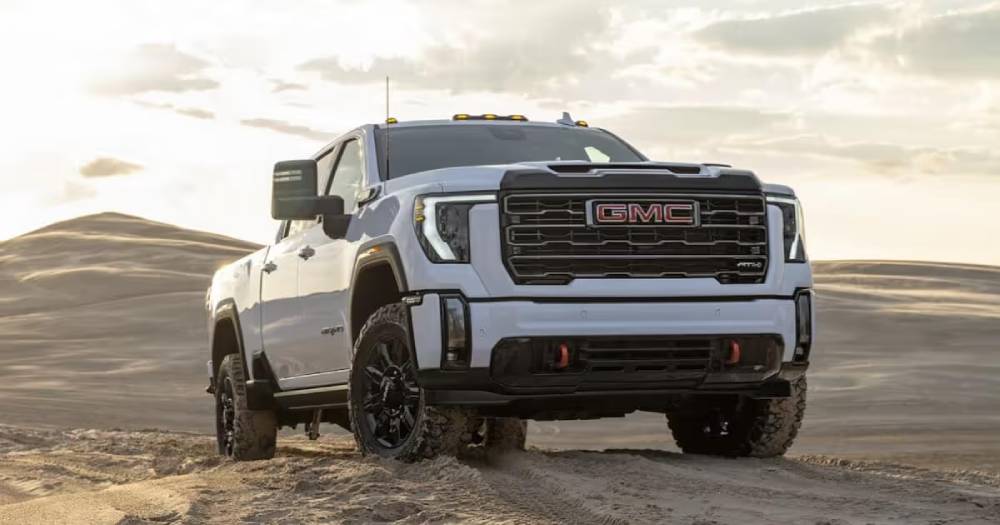
The AT4 emphasizes off road capability with upgraded suspension, skid plates, all terrain tires, and additional traction features. It is well suited for drivers who frequently explore rough terrain while maintaining everyday comfort.
The Denali targets buyers seeking luxury. Premium leather seating, advanced driver assistance technologies, premium audio systems, and upscale interior materials make it one of the most refined trucks in the segment.
Because these trims include additional electronic features, owners should expect slightly higher repair costs if advanced technology components require replacement outside the warranty period.
Regardless of trim level, selecting a reliable model year, verifying maintenance history, and completing regular servicing remain the most important factors in ensuring long term ownership satisfaction.
Best and Worst GMC Truck Model Years
One of the smartest ways to improve your ownership experience is to choose the right model year. Even within the same generation, GMC trucks can vary significantly in reliability due to engineering updates, redesigned components, and software improvements. Spending time researching the specific year you intend to purchase can save thousands of dollars in future repair costs.
Best GMC Truck Model Years
Several GMC truck model years have built strong reputations for long term reliability and owner satisfaction.
The 2012 GMC Sierra 1500 remains a favorite among used truck buyers because it combines proven mechanical components with relatively few widespread complaints. Owners frequently report dependable performance well beyond 200,000 miles when regular maintenance has been performed.
The 2017 Sierra 1500 is another strong choice. It benefited from several refinements over earlier versions and offers modern safety features, improved ride quality, and multiple dependable engine options. Many owners praise its balance of comfort, capability, and durability.
The 2020 and newer Sierra models introduced a redesigned platform with upgraded interiors, improved towing technology, and additional driver assistance features. While newer vehicles naturally have less long term ownership data available, many have demonstrated encouraging reliability during their first years on the road.
The latest GMC Canyon has also received positive feedback thanks to its updated powertrain, refined suspension, and modern cabin design. For buyers seeking a midsize truck, it represents one of GMC’s strongest offerings.
GMC Truck Model Years to Approach Carefully
Not every GMC truck year has delivered the same ownership experience. Some production years generated more owner complaints than others due to mechanical or electronic issues.
Certain early versions equipped with the eight speed automatic transmission experienced complaints involving transmission shudder, rough shifting, and delayed gear changes. While software updates and revised transmission fluids resolved many cases, buyers should confirm that these improvements have already been completed.
Some V8 powered trucks equipped with Active Fuel Management also experienced lifter failures or excessive oil consumption. These issues affected only certain engines and production years, but repair costs can become substantial if ignored.
Early production years immediately following a complete redesign may also experience more technical service bulletins as manufacturers identify and correct initial problems. This does not necessarily make them poor vehicles, but buyers should verify that all recall work and recommended updates have been completed.
Buying a Used GMC Truck
A model year should never be the only factor in your purchasing decision. Two trucks built during the same year may have completely different reliability histories depending on how they were maintained.
Before purchasing a used GMC truck, request complete maintenance records whenever possible. Verify the Vehicle Identification Number for open recalls, inspect the frame for corrosion, examine fluid condition, and schedule an independent pre purchase inspection. A professional mechanic can often identify developing problems that may not be obvious during a short test drive.
Service history is often more valuable than low mileage. A well maintained truck with consistent maintenance documentation is usually a safer investment than a lower mileage vehicle with an unknown ownership history.
GMC Truck Maintenance Costs
Reliability is closely connected to ownership costs. Even a dependable truck requires routine maintenance, and understanding these expenses helps buyers create realistic long term budgets.
Compared with other full size pickup trucks, GMC maintenance costs are generally considered average to slightly above average. Premium trims, diesel engines, and heavy duty models typically require higher maintenance budgets because they use larger components and more sophisticated technology.
Routine maintenance includes engine oil changes, tire rotations, brake inspections, air filter replacement, coolant service, transmission fluid replacement, differential service, and regular inspections of steering and suspension components.
Owners who follow the recommended maintenance schedule often prevent small issues from becoming major repairs. Delaying fluid changes or ignoring warning lights frequently results in significantly higher repair bills later.
Unexpected repairs vary depending on mileage and driving conditions. High mileage trucks may eventually require replacement of suspension components, water pumps, alternators, wheel bearings, fuel injectors, or air conditioning components. These repairs are common for aging vehicles and should be expected as part of long term ownership.
Heavy duty diesel trucks generally require additional maintenance related to emissions equipment, diesel exhaust fluid, and fuel filtration systems. While these expenses may be higher, diesel engines often reward owners with excellent towing performance and exceptional longevity.
Insurance, fuel, tires, and depreciation should also be included when calculating the total cost of ownership. A truck with slightly higher maintenance costs may still offer better overall value if it delivers stronger resale value and fewer unexpected breakdowns.
One advantage of GMC ownership is the broad availability of replacement parts throughout North America. Since many mechanical components are shared with Chevrolet trucks, owners typically have access to competitive repair pricing from both dealerships and independent repair shops.
Ultimately, the most affordable GMC truck is not always the cheapest one to purchase. Paying more for a well maintained example with documented service history often results in lower ownership costs over the life of the vehicle.
GMC vs Ford vs Chevrolet vs Ram vs Toyota Reliability
Choosing a pickup truck often means comparing several well established manufacturers. Each brand has its own strengths, weaknesses, and loyal customer base. Understanding how GMC compares with its competitors helps buyers determine which truck best matches their priorities.
GMC vs Ford
Ford’s F 150 has remained one of the best selling trucks in North America for decades. It offers a wide selection of engines, advanced technology, and excellent towing capability.
GMC, on the other hand, focuses more heavily on premium styling and refined interiors. While both brands have experienced occasional transmission and engine related issues over the years, their overall reliability is relatively similar when comparing equivalent model years.
Buyers who prioritize luxury often prefer GMC, while those seeking maximum engine variety may lean toward Ford.
GMC vs Chevrolet
This comparison is particularly interesting because GMC Sierra and Chevrolet Silverado share many major mechanical components.
Engine choices, transmissions, chassis design, and many drivetrain components are nearly identical. As a result, overall reliability is also very similar.
The primary differences involve styling, interior materials, available luxury features, and pricing. GMC generally positions itself as the more premium brand, while Chevrolet often offers better value for budget conscious buyers.
GMC vs Ram
Ram trucks are widely recognized for their comfortable ride quality and upscale interiors. However, some model years have generated more reliability concerns involving air suspension systems and certain transmission components.
GMC generally provides a more conservative engineering approach with fewer highly specialized systems, which may contribute to lower long term repair risk in some situations.
Buyers who value interior comfort may appreciate Ram, while those seeking a balance between capability and durability frequently choose GMC.
GMC vs Toyota
Toyota has built one of the strongest reputations for long term reliability in the automotive industry.
The Toyota Tundra consistently attracts buyers who intend to keep their trucks for many years with minimal unexpected repairs. However, GMC often offers greater towing capability, more engine choices, higher trim levels, and a broader selection of configurations.
For buyers who prioritize maximum dependability above all else, Toyota remains an outstanding benchmark. For those seeking luxury, advanced technology, heavy duty capability, and refined highway comfort, GMC presents a compelling alternative.
Which Brand Is the Best Choice?
There is no universal answer because every buyer has different priorities.
If long term durability is your primary concern, both GMC and Toyota deserve serious consideration.
If you require maximum towing options and a wide range of engine choices, Ford remains highly competitive.
If value for money is your top priority, Chevrolet often provides similar engineering at a lower purchase price.
If premium interior quality, strong capability, and modern technology are equally important, GMC stands out as one of the most balanced choices in today’s full size truck market.
Rather than focusing solely on brand reputation, buyers should compare the specific model year, engine, maintenance history, intended use, and overall condition of each truck before making a final decision. A carefully maintained GMC will often prove more reliable than a neglected competitor, regardless of brand.
Pros and Cons of GMC Trucks
Like every vehicle on the market, GMC trucks have strengths and weaknesses. Understanding both sides helps buyers make an informed decision based on their budget, driving habits, and long term ownership goals.
Advantages of GMC Trucks
One of the biggest reasons buyers choose GMC is the brand’s combination of capability and refinement. Unlike many traditional work trucks, GMC pickups are designed to provide a premium driving experience without sacrificing performance.
Modern Sierra and Canyon models feature well designed interiors with high quality materials, supportive seating, intuitive controls, and impressive sound insulation. Even after several hours behind the wheel, the cabin remains comfortable for both daily commuting and long distance travel.
Another major advantage is towing and hauling capability. Depending on the engine and configuration, GMC trucks can tow substantial loads while maintaining confident highway performance. This makes them popular among contractors, boat owners, RV enthusiasts, and anyone who regularly transports heavy equipment.
Engine options also contribute to the brand’s appeal. Buyers can choose from efficient turbocharged gasoline engines, powerful V8 options, or the highly respected Duramax diesel engine. This flexibility allows customers to select a truck that matches their performance requirements and fuel economy expectations.
Technology is another area where GMC performs well. Available features include large infotainment displays, wireless Apple CarPlay and Android Auto, adaptive cruise control, surround view cameras, trailer assistance systems, wireless charging, premium audio systems, and numerous driver assistance technologies that improve convenience and safety.
GMC trucks also tend to maintain solid resale value, particularly well maintained Sierra models equipped with desirable engine and trim combinations. Strong resale value helps reduce the overall cost of ownership for buyers who plan to trade or sell their truck after several years.
Perhaps most importantly, GMC benefits from decades of truck engineering experience. Many components have been refined through multiple generations, resulting in dependable performance when owners follow recommended maintenance schedules.
Disadvantages of GMC Trucks
Despite their many strengths, GMC trucks are not perfect.
Purchase prices are generally higher than comparable Chevrolet models because GMC positions itself as a premium brand. Buyers pay extra for upgraded styling, more luxurious interiors, and additional standard equipment.
Repair costs can also be higher than some competitors, especially for premium trims equipped with advanced electronics, sophisticated driver assistance systems, or diesel powertrains. While routine maintenance remains manageable, major repairs outside the warranty period can become expensive.
Some model years have experienced recurring issues involving automatic transmissions, Active Fuel Management components, electronic modules, or infotainment software. These concerns are not universal across the lineup, but they highlight the importance of researching specific production years before purchasing.
Fuel economy may also be lower than some midsize trucks or hybrid alternatives, particularly when equipped with larger V8 engines or used for heavy towing.
Finally, the abundance of available engines, trim levels, cab configurations, and option packages can make the buying process somewhat confusing for first time truck shoppers. Comparing specifications carefully is essential to avoid purchasing features that may never be used.
Overall, the advantages significantly outweigh the disadvantages for buyers who select the right model year and maintain their truck properly.
Frequently Asked Questions
Are GMC trucks reliable compared to Ford?
Overall, GMC and Ford offer similar levels of reliability when comparing equivalent model years. Individual reliability depends more on the specific engine, transmission, maintenance history, and production year than the brand itself. Buyers should research each model carefully instead of relying solely on manufacturer reputation.
Are GMC trucks expensive to maintain?
Routine maintenance costs for GMC trucks are generally average for the full size pickup segment. Oil changes, brake service, tire replacement, and scheduled inspections are comparable to those of competing brands. Heavy duty diesel models and premium trims may require higher maintenance budgets because of their more advanced mechanical and electronic systems.
How many miles can a GMC truck last?
A properly maintained GMC truck can often exceed 200,000 miles. Many owners report driving their Sierra or Canyon well beyond 250,000 miles, while some trucks surpass 300,000 miles with consistent maintenance and responsible driving habits.
Which GMC truck is the most reliable?
The GMC Sierra 1500 is widely regarded as one of the brand’s most dependable models. It offers a proven platform, multiple engine choices, and a long history of strong owner satisfaction. The Sierra HD equipped with the Duramax diesel engine is also highly respected for long term durability under demanding towing conditions.
Which GMC truck model years should buyers avoid?
Certain production years have received more owner complaints involving transmission performance, excessive oil consumption, or Active Fuel Management related issues. Rather than avoiding an entire generation, buyers should research the exact model year, verify recall completion, and review the vehicle’s maintenance records before making a purchase.
Is the GMC Sierra worth buying?
Yes. For many buyers, the GMC Sierra represents an excellent combination of performance, comfort, technology, and long term value. Choosing the appropriate engine, trim level, and model year significantly increases the likelihood of a positive ownership experience.
Are GMC trucks good for towing?
Absolutely. GMC trucks are engineered with towing in mind and offer impressive capabilities across the Sierra 1500, Sierra HD, and Canyon lineup. Advanced trailer assistance technology, powerful engines, and durable chassis designs make them suitable for towing boats, campers, utility trailers, and commercial equipment.
Should I buy a new or used GMC truck?
The answer depends on your budget and priorities. A new GMC truck provides the latest technology, full warranty coverage, and the newest safety features. A well maintained used truck with documented service history can offer exceptional value while avoiding the steepest portion of vehicle depreciation.
Final Verdict
So, are GMC trucks reliable?
For most buyers, the answer is yes. GMC trucks have earned a solid reputation for combining durability, capability, premium comfort, and modern technology. While no manufacturer produces a perfect vehicle, GMC has consistently delivered pickups capable of providing many years of dependable service when properly maintained.
The key to a successful ownership experience lies in choosing the right model year, selecting an engine with a strong reliability record, and following the recommended maintenance schedule. Buyers who invest time in researching vehicle history, inspecting used trucks carefully, and addressing small maintenance issues before they become major repairs are far more likely to enjoy trouble free ownership.
Whether you need a dependable work truck, a comfortable family vehicle, or a capable tow vehicle for weekend adventures, GMC offers a diverse lineup that can meet a wide range of needs. Models such as the Sierra 1500, Sierra HD, and Canyon continue to attract loyal owners because they strike an excellent balance between performance, refinement, and long term value.
Ultimately, reliability is not determined by the badge on the grille alone. It is shaped by engineering quality, responsible ownership, regular maintenance, and informed purchasing decisions. When those factors come together, a GMC truck can remain a dependable partner for well over a decade and hundreds of thousands of miles.
If you are currently shopping for a GMC truck, compare model years carefully, review maintenance records, and always schedule a professional pre purchase inspection before buying a used vehicle. Taking these extra steps can help you avoid costly surprises and ensure that your next truck delivers the reliability and performance you expect.
We hope this complete owner’s guide has answered your questions about GMC truck reliability. If you have personal experience owning a GMC truck or are considering purchasing one, feel free to share your thoughts and questions in the comments. Your experience may help other buyers make a more informed decision.