Choosing the right engine oil improves engine performance, fuel efficiency, and long-term reliability. Castrol EDGE and Castrol GTX are two of Castrol’s most popular engine oils. However, they serve different types of drivers and engines. Each product uses a different formula to solve specific lubrication challenges. Choosing the wrong oil can increase engine wear, shorten oil life, and raise maintenance costs over time.
Many drivers believe that a higher-priced engine oil always delivers better results. That assumption is not always correct. The best choice depends on your engine, driving habits, vehicle age, and the manufacturer’s oil specifications. For example, a turbocharged engine operates under much higher pressure than a naturally aspirated engine. Likewise, a high-mileage vehicle has different lubrication needs than a newer car. Understanding these differences helps you choose the right product instead of simply buying the premium option.
This guide compares Castrol EDGE and Castrol GTX from every important angle. It explains their oil technology, engine protection, sludge control, oil life, and overall value. It also shows which oil works best for different vehicles and driving conditions. By the end of this comparison, you will know which engine oil matches your vehicle and whether upgrading from Castrol GTX to Castrol EDGE is worth the additional cost.
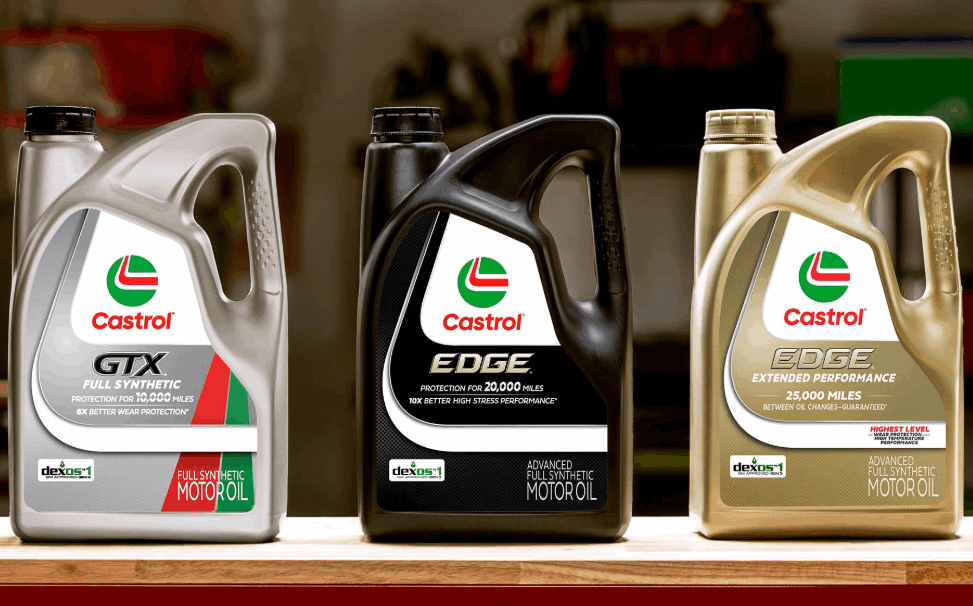
What Is the Difference Between Castrol EDGE and Castrol GTX?
The main difference between Castrol EDGE and Castrol GTX is their intended performance level. Castrol EDGE targets modern engines that operate under high pressure and demanding conditions. Castrol GTX focuses on reliable everyday protection for daily driving and routine maintenance. Both products meet industry standards, but they solve different lubrication challenges and serve different groups of drivers.
Castrol EDGE uses a full synthetic formulation with Fluid TITANIUM Technology to maintain oil strength under extreme pressure. This technology helps reduce metal-to-metal contact when the engine experiences heavy loads or high operating temperatures. As a result, Castrol EDGE performs well in turbocharged engines, direct injection systems, and performance vehicles that generate greater mechanical stress. Drivers who frequently tow, drive on highways, or accelerate aggressively often benefit from this higher level of protection.
Castrol GTX prioritizes engine cleanliness and dependable wear protection during normal driving. Depending on the product variant, GTX is available as a conventional, synthetic blend, or full synthetic engine oil. Its additive package helps prevent sludge formation and protects critical engine components during everyday use. This makes Castrol GTX a practical choice for commuters, family vehicles, and older engines that do not require premium performance lubricants.
The choice between these two oils depends on your vehicle rather than price alone. Castrol EDGE delivers greater protection for engines that operate under severe conditions or require premium synthetic oil. In contrast, Castrol GTX provides excellent value for drivers who follow regular maintenance schedules and operate their vehicles under normal conditions. Understanding your engine’s requirements is the most important step before choosing either product.
Which Oil Delivers Better Engine Protection?
Castrol EDGE provides better engine protection than Castrol GTX under high-stress operating conditions. Its full synthetic formula and Fluid TITANIUM Technology create a stronger lubricating film that resists breakdown when pressure and temperature increase. Castrol GTX still delivers reliable protection for everyday driving, but it targets engines that operate under normal loads rather than extreme performance demands.
Wear protection is one of the biggest differences between the two oils. Modern turbocharged and direct injection engines generate greater pressure between moving metal components. Castrol EDGE maintains its oil film under these demanding conditions, which helps reduce friction and minimize metal-to-metal contact. This extra protection supports consistent engine performance during heavy acceleration, towing, and extended highway driving. In comparison, Castrol GTX protects internal components effectively during routine driving, making it a dependable choice for daily commuting and regular maintenance.
Engine cleanliness also separates these products. Over time, oxidation, heat, and combustion by-products create sludge and harmful deposits inside the engine. Castrol GTX contains detergent additives that help prevent sludge formation and keep internal components clean throughout the recommended oil change interval. Castrol EDGE also controls deposits, but it places greater emphasis on maintaining viscosity and oil strength under severe operating conditions. As a result, both oils help preserve engine cleanliness, although they achieve this goal through different performance priorities.
Temperature stability is another important factor. Engine oil must remain fluid during cold starts while maintaining sufficient viscosity at high operating temperatures. Castrol EDGE performs exceptionally well across this wide temperature range because its synthetic base oil resists thermal breakdown more effectively. Castrol GTX also provides dependable protection in hot and cold weather, especially when drivers follow the viscosity grade recommended by the vehicle manufacturer. For most passenger cars, GTX offers more than enough protection for everyday use, while EDGE becomes the stronger choice when engines regularly face higher mechanical stress.
Which Engines Should Use Castrol EDGE?
Castrol EDGE is the better choice for modern engines that operate under high pressure, high temperatures, or demanding driving conditions. Its full synthetic formula helps maintain a strong lubricating film when the engine experiences greater mechanical stress. Many vehicle manufacturers also recommend premium synthetic oil for engines that require advanced protection and longer service life.
Turbocharged engines benefit the most from Castrol EDGE. A turbocharger spins at extremely high speeds and generates significant heat within a compact housing. These operating conditions place additional stress on the engine oil. Castrol EDGE resists viscosity breakdown and helps protect critical components from excessive wear. As a result, it supports stable lubrication even during prolonged highway driving, steep climbs, or frequent acceleration.
Performance vehicles and engines with direct fuel injection also require stronger lubrication. These engines produce higher combustion pressure and greater loads on moving parts than traditional naturally aspirated designs. Castrol EDGE helps reduce friction while maintaining consistent oil strength across a wide temperature range. This protection contributes to smoother engine operation and helps preserve performance over time, especially for drivers who enjoy spirited driving or regularly carry heavy loads.
Castrol EDGE also suits drivers who face demanding road conditions throughout the year. Long-distance highway travel, stop-and-go traffic, hot climates, and cold winter starts all increase the workload placed on engine oil. A high-quality synthetic lubricant maintains stable performance under these changing conditions and continues to protect engine components throughout the recommended oil change interval. For this reason, many owners of newer vehicles choose Castrol EDGE to maximize engine durability and maintain long-term reliability.
Although Castrol EDGE offers premium protection, it is not necessary for every vehicle. Drivers should always follow the oil specification and viscosity grade listed in the owner’s manual. If the manufacturer recommends a full synthetic engine oil, Castrol EDGE is an excellent option for maintaining engine performance and supporting long-term engine health.
Which Vehicles Are Better Suited for Castrol GTX?
Castrol GTX is the ideal choice for drivers who prioritize reliable engine protection, affordable maintenance, and consistent everyday performance. It is designed for vehicles that operate under normal driving conditions and do not require the advanced protection of a premium synthetic oil. For many passenger cars, SUVs, and light trucks, Castrol GTX provides the right balance between performance and cost.
Daily commuter vehicles are among the best candidates for Castrol GTX. Most commuters drive short to moderate distances in city traffic or on local roads, where engines rarely experience prolonged high loads. Under these conditions, Castrol GTX delivers dependable lubrication, reduces engine wear, and helps maintain smooth operation throughout the recommended oil change interval. Drivers can achieve long-term engine protection without paying for performance features they may never use.
Older vehicles also benefit from Castrol GTX, especially when they receive regular maintenance. As engines age, combustion by-products and oxidation can create sludge that restricts oil flow and reduces efficiency. Castrol GTX contains cleaning additives that help prevent sludge buildup and keep internal engine components cleaner. A cleaner engine supports better lubrication and reduces the risk of premature wear over time.
Many high-mileage vehicles are also well suited for Castrol GTX, particularly when using formulations developed for engines with higher mileage. These products help maintain engine cleanliness while supporting reliable lubrication in engines that have accumulated years of normal use. They can also help reduce oil consumption in some aging engines by maintaining stable viscosity throughout the service interval.
Budget is another important consideration. Many drivers simply need an engine oil that meets the manufacturer’s specifications and delivers dependable protection at a reasonable price. In these situations, Castrol GTX offers excellent value. It provides the essential wear protection, sludge control, and engine cleanliness required for everyday driving without the additional cost of premium performance technology. For vehicles used primarily for commuting and family transportation, Castrol GTX remains a practical and cost-effective solution.
How Do Castrol EDGE and GTX Compare in Oil Life and Maintenance?
Castrol EDGE generally lasts longer and maintains its performance better than Castrol GTX under demanding driving conditions. Its full synthetic formulation resists heat, oxidation, and viscosity breakdown more effectively, allowing it to protect the engine for a longer period. Castrol GTX also delivers dependable performance, but it is better suited for normal driving and routine maintenance schedules.
Oil life depends on more than mileage alone. Engine temperature, driving habits, road conditions, and engine design all affect how quickly engine oil degrades. Castrol EDGE maintains stable viscosity even when engines operate under heavy loads or high temperatures. This stability helps the oil continue lubricating critical components throughout the recommended service interval. Drivers who frequently travel long distances, tow heavy loads, or spend hours on the highway often benefit from this added durability.
Castrol GTX focuses on maintaining engine cleanliness throughout its service life. Its detergent additives help control sludge, varnish, and harmful deposits that naturally develop as oil ages. Clean engine components allow oil to circulate more efficiently and reduce unnecessary wear. For vehicles used mainly for commuting, school runs, or regular city driving, Castrol GTX provides consistent protection when owners follow the manufacturer’s recommended oil change schedule.
Maintenance costs should also influence your decision. Castrol EDGE typically costs more per oil change, but its premium synthetic formula offers stronger protection in demanding environments and may help preserve engine performance over the long term. Castrol GTX costs less while still delivering reliable lubrication for most everyday vehicles. For many drivers, this combination of performance and affordability makes it an excellent value.
Regardless of which product you choose, regular maintenance remains the most important factor in engine longevity. Always replace the oil and oil filter at the interval recommended by your vehicle manufacturer. Using the correct viscosity grade and meeting the required API or OEM specifications will have a greater impact on engine health than extending oil changes beyond the recommended schedule.
Is Castrol EDGE Worth the Higher Price?
Castrol EDGE is worth the higher price for drivers who demand maximum engine protection, while Castrol GTX offers better value for everyday vehicles. The decision depends on how you drive, what your engine requires, and how long you plan to keep your vehicle. Paying more for premium synthetic oil only makes sense when your engine can benefit from its advanced performance.
Castrol EDGE justifies its higher cost through advanced synthetic technology and stronger protection under severe operating conditions. Modern turbocharged engines, high-performance vehicles, and direct injection systems generate greater heat and pressure than traditional engines. These demanding conditions accelerate oil degradation and increase mechanical stress. Castrol EDGE maintains a stronger oil film under these loads, helping reduce friction and protect critical engine components throughout the recommended service interval.
For many drivers, however, those additional performance benefits may not be necessary. A naturally aspirated engine used for commuting, school runs, or weekend errands rarely experiences the extreme conditions that require a premium lubricant. In these situations, Castrol GTX provides dependable wear protection, effective sludge control, and consistent engine cleanliness at a lower purchase price. Drivers can follow the manufacturer’s maintenance schedule without sacrificing engine reliability or spending more than necessary.
Long-term ownership should also influence your decision. Drivers who keep their vehicles for many years or accumulate high annual mileage often view engine oil as an investment rather than a routine expense. Stronger lubrication can help minimize wear over thousands of miles, especially in demanding environments. On the other hand, drivers who lease their vehicles or replace them every few years may see little practical advantage from paying extra for premium synthetic technology.
The best value comes from choosing the oil that matches your vehicle’s requirements instead of selecting the most expensive product. If your owner’s manual specifies a full synthetic engine oil or your vehicle regularly operates under heavy loads, Castrol EDGE is a worthwhile upgrade. If your vehicle follows a standard maintenance schedule and spends most of its time in normal driving conditions, Castrol GTX delivers excellent performance at a more affordable price.
Which Engine Oil Should You Choose?
The best engine oil depends on your engine’s design, driving conditions, and the manufacturer’s specifications. Neither Castrol EDGE nor Castrol GTX is the right choice for every vehicle. Each product is engineered to meet different performance requirements. Choosing the correct oil based on how you drive will provide better engine protection and greater long-term value than simply selecting the most expensive option.
Castrol EDGE is the better choice for drivers who expect maximum performance from their vehicles. It is well suited for turbocharged engines, direct injection systems, and modern vehicles that operate under high temperatures or heavy mechanical loads. Drivers who regularly tow trailers, travel long distances, or enjoy spirited driving can benefit from its stronger oil film and superior resistance to heat and pressure. Many premium vehicle manufacturers also recommend full synthetic engine oil because it delivers consistent protection throughout the service interval.
Castrol GTX is a smarter option for drivers who use their vehicles for everyday transportation. It provides dependable wear protection, helps prevent sludge formation, and maintains engine cleanliness during normal driving conditions. Family cars, daily commuters, and many older vehicles rarely experience the severe operating conditions that require a premium synthetic lubricant. For these vehicles, Castrol GTX delivers reliable performance while keeping maintenance costs under control.
Your owner’s manual should always guide your final decision. Every manufacturer specifies the required viscosity grade and performance standards for each engine. Choosing an oil that meets those specifications is more important than choosing a premium product that exceeds your vehicle’s actual needs. An engine designed for a full synthetic oil should continue using one, while an engine approved for conventional or synthetic blend oil may not gain significant benefits from upgrading.
In the end, Castrol EDGE is the better investment for high-performance and modern engines that demand advanced protection. Castrol GTX remains the better value for everyday vehicles that receive regular maintenance and operate under normal driving conditions. Selecting the oil that matches your engine’s requirements will deliver the best balance of protection, performance, and long-term ownership costs.
Frequently Asked Questions
Can I switch from Castrol GTX to Castrol EDGE?
Yes. You can switch from Castrol GTX to Castrol EDGE as long as the new oil meets your vehicle manufacturer’s required viscosity grade and performance specifications. Upgrading to a full synthetic oil does not require any special engine modifications. Many drivers make this change when purchasing a newer vehicle, driving in more demanding conditions, or seeking stronger protection for a turbocharged engine. Replacing the oil filter during the oil change also helps ensure the new lubricant performs as intended.
Is Castrol GTX a full synthetic engine oil?
The answer depends on the specific product. The Castrol GTX product family includes conventional, synthetic blend, and full synthetic formulations. Because of this variation, drivers should always check the product label instead of assuming every Castrol GTX oil uses the same formulation. Selecting the correct viscosity grade and certification remains more important than choosing a specific oil family.
Is Castrol EDGE better for turbocharged engines?
Yes. Castrol EDGE is generally the better option for turbocharged engines because it provides greater resistance to heat, pressure, and oil breakdown. Turbochargers operate at extremely high temperatures and place additional stress on engine oil. A premium full synthetic lubricant helps maintain a stronger oil film under these demanding conditions, reducing friction and supporting consistent engine protection throughout the recommended service interval.
Can I mix Castrol EDGE and Castrol GTX?
Mixing the two oils in an emergency is generally possible because they are compatible engine oils from the same manufacturer. However, mixing different formulations may reduce the performance advantages offered by Castrol EDGE. For the best results, complete the oil change with one product that matches your vehicle manufacturer’s specifications rather than combining different engine oils during routine maintenance.
Which oil lasts longer?
Castrol EDGE typically lasts longer under severe operating conditions because its full synthetic base oil provides greater resistance to oxidation, heat, and viscosity breakdown. Castrol GTX also offers reliable service life when drivers follow the recommended maintenance schedule. The actual oil change interval depends on the vehicle manufacturer, engine condition, driving environment, and the selected oil specification rather than the product name alone.
Conclusion
Castrol EDGE and Castrol GTX are both high-quality engine oils, but they serve different purposes. Castrol EDGE delivers premium protection for modern engines that operate under high temperatures, heavy loads, or demanding driving conditions. Its advanced full synthetic technology helps maintain oil strength and reduce wear when engine components experience greater mechanical stress.
Castrol GTX focuses on dependable everyday protection and long-term engine cleanliness. It offers an excellent balance between performance and affordability, making it a practical choice for commuters, family vehicles, and many older engines that receive regular maintenance. For most drivers, it provides all the protection needed to support reliable engine operation throughout the recommended oil change interval.
The best choice is not simply the more expensive oil. Instead, it is the oil that matches your engine’s design, the manufacturer’s specifications, and your driving habits. Checking the recommended viscosity grade and performance standards before every oil change will help protect your engine, improve long-term reliability, and ensure you receive the greatest value from your maintenance investment.