Valvoline and Castrol are two of the most trusted engine oil brands in the automotive industry. Both produce high quality lubricants for modern gasoline and diesel engines. However, they do not focus on the same strengths. Valvoline prioritizes long term engine protection and wear resistance. Castrol focuses on advanced synthetic technology and high performance under demanding driving conditions.
Choosing the right engine oil requires more than comparing brand names. You should consider your vehicle manufacturer’s specifications, engine condition, driving habits, and maintenance interval. An oil that performs well in a turbocharged engine may not provide the best value for a high mileage family car. Likewise, a premium synthetic oil is not always the most practical option for every driver.
This guide compares Valvoline and Castrol across the factors that matter most. It evaluates engine protection, additive technology, temperature performance, oil life, industry certifications, and overall value. Each section explains where each brand performs best and why those differences matter. By the end of this comparison, you will know which engine oil fits your vehicle and driving needs with confidence.
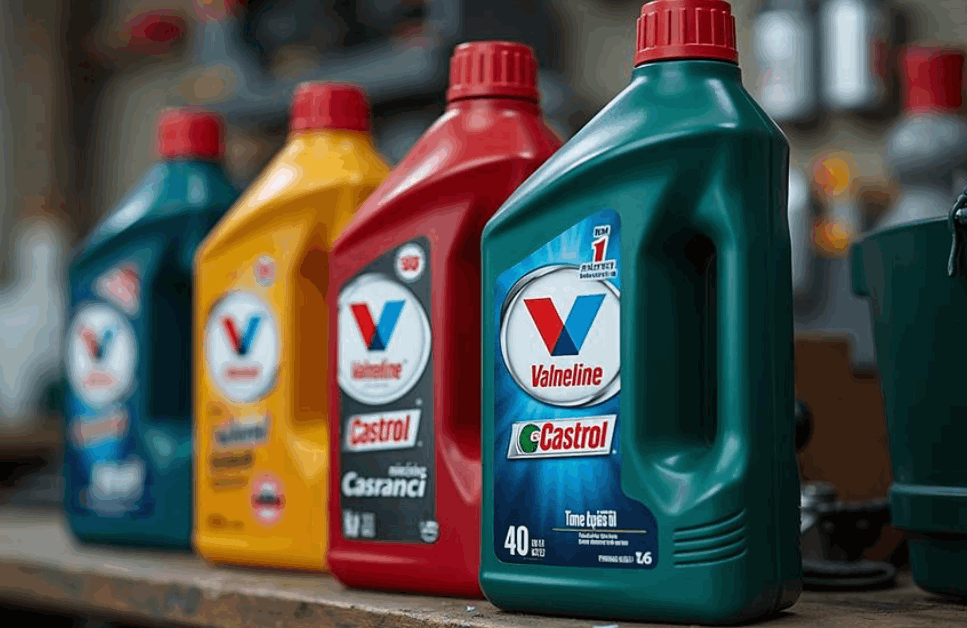
What Are the Main Differences Between Valvoline and Castrol?
Valvoline and Castrol differ in their product philosophy, technology, and target applications. Both brands produce engine oils that meet modern industry standards, but they prioritize different performance characteristics. Valvoline focuses on consistent engine protection, long term durability, and deposit control. Castrol emphasizes advanced synthetic formulations that improve engine performance under demanding operating conditions. As a result, drivers often choose between them based on vehicle requirements rather than brand reputation alone.
Valvoline has more than 150 years of experience in the lubricant industry and has built its reputation around reliable engine protection. Its product range includes conventional, synthetic blend, full synthetic, and high mileage engine oils. Many drivers choose Valvoline because it delivers stable wear protection throughout the oil change interval. The company also develops products for passenger vehicles, commercial fleets, and racing applications. This broad portfolio makes Valvoline suitable for both everyday commuting and heavy duty use.
Castrol has developed a strong reputation through its investment in synthetic lubricant technology and partnerships with major automotive manufacturers. Product lines such as Castrol EDGE and Castrol GTX target different driving conditions while meeting a wide range of OEM requirements. The brand promotes technologies that help reduce friction and maintain oil strength under high pressure. These characteristics make Castrol a common choice for turbocharged engines, luxury vehicles, and performance oriented drivers who expect consistent performance in extreme operating conditions.
Both brands satisfy current API and ILSAC standards across many of their products, and each offers oils for modern gasoline and diesel engines. However, the better option depends on your vehicle manufacturer’s specifications, engine condition, and driving style. Valvoline often appeals to drivers who prioritize durability and long term engine protection. In contrast, Castrol attracts drivers who value advanced synthetic performance and manufacturer approved formulations. Comparing these strengths provides a better basis for choosing the right engine oil than relying on brand popularity alone.
Which Engine Oil Provides Better Engine Protection?
Engine protection is the most important factor when comparing Valvoline and Castrol. Both brands formulate their engine oils to reduce friction, prevent wear, and keep internal components clean. However, they achieve these goals through different additive technologies and performance priorities. Understanding these differences helps drivers choose the right oil for their engine and driving conditions.
Valvoline focuses on long term wear protection throughout the entire oil change interval. Its full synthetic formulations use advanced detergent and anti wear additives to reduce metal to metal contact during daily operation. These additives also help prevent sludge and varnish from forming inside the engine. As a result, critical components such as pistons, camshafts, and bearings remain cleaner and experience less mechanical wear over time. This approach makes Valvoline a strong option for drivers who keep their vehicles for many years.
Castrol places greater emphasis on maintaining oil strength under high pressure and extreme temperatures. Its premium synthetic oils use Fluid Titanium Technology to strengthen the lubricant film when engine loads increase. A stronger oil film reduces direct surface contact and helps protect highly stressed components in turbocharged and high performance engines. This technology also improves lubrication during rapid acceleration and sustained highway driving where engine temperatures remain high for extended periods.
Both brands provide excellent engine protection when the correct viscosity grade and manufacturer specifications are followed. Valvoline offers an advantage for drivers who prioritize durability, deposit control, and long term reliability. In contrast, Castrol stands out for demanding driving conditions that require superior thermal stability and high pressure protection. Choosing between them depends less on brand reputation and more on how the vehicle is driven, how often the oil is changed, and which specifications the engine manufacturer recommends.
Which Full Synthetic Oil Performs Better?
Full synthetic engine oil delivers the highest level of protection, performance, and durability for modern engines. Both Valvoline and Castrol offer premium full synthetic products, but they target different driving priorities. Valvoline emphasizes long lasting engine protection and cleanliness, while Castrol focuses on maximizing performance under high pressure and extreme temperatures. Understanding these differences helps drivers select the right oil for their vehicle and driving style.
Valvoline Advanced Full Synthetic is designed to protect engines from wear, sludge, and harmful deposits throughout the recommended oil change interval. Its advanced additive package helps maintain stable viscosity and keeps internal engine components clean under daily driving conditions. The formulation also performs well during cold starts by allowing oil to circulate quickly after ignition. This combination makes Valvoline an excellent choice for commuters, family vehicles, SUVs, and drivers who value long term engine reliability over aggressive performance.
Castrol EDGE Full Synthetic targets drivers who demand higher performance from their engines. The product features Fluid Titanium Technology, which strengthens the oil film when engine pressure increases. A stronger lubricant film reduces friction between moving components and improves protection during rapid acceleration, towing, and high speed driving. These characteristics make Castrol EDGE especially suitable for turbocharged engines, sports cars, and vehicles that frequently operate under heavy loads.
Both products meet current API and ILSAC requirements, while many viscosity grades also carry approvals from leading vehicle manufacturers. Neither oil is universally better because each serves a different purpose. Valvoline Advanced Full Synthetic provides outstanding long term protection and engine cleanliness for everyday driving. In contrast, Castrol EDGE offers greater confidence for high performance applications where thermal stability and pressure resistance become more important. Selecting the correct viscosity grade and manufacturer approved specification remains more important than choosing one premium brand over another.
Which Engine Oil Lasts Longer Between Oil Changes?
Oil change intervals depend on several factors, including oil quality, engine condition, driving habits, and the manufacturer’s maintenance schedule. Both Valvoline and Castrol produce full synthetic engine oils that support extended drain intervals when used in engines approved for longer service periods. However, their long term performance comes from different strengths. Valvoline focuses on maintaining engine cleanliness, while Castrol emphasizes viscosity stability under demanding conditions.
Valvoline Advanced Full Synthetic uses a detergent rich additive package that helps reduce sludge, varnish, and harmful deposits throughout the oil’s service life. Cleaner engine components allow the lubricant to circulate more efficiently and maintain consistent protection over thousands of miles. The formulation also resists oxidation, which slows oil degradation caused by heat and oxygen exposure. As a result, the oil retains its protective properties for longer and helps reduce wear as the service interval progresses.
Castrol EDGE Full Synthetic also delivers excellent durability during extended oil change intervals. Its Fluid Titanium Technology strengthens the oil film when engine pressure increases, helping the lubricant maintain stable viscosity under heavy loads and high operating temperatures. This added stability reduces oil breakdown during highway driving, towing, or repeated acceleration. Drivers who regularly expose their engines to demanding conditions often benefit from this additional level of protection.
Neither brand should replace the maintenance schedule recommended by the vehicle manufacturer. Even the highest quality synthetic oil performs best when it is changed at the correct interval. Valvoline is an excellent choice for drivers who prioritize engine cleanliness and long term reliability. In contrast, Castrol offers an advantage for vehicles that frequently operate under higher temperatures or greater mechanical stress. Following the correct viscosity grade and service interval will have a greater impact on engine life than extending oil changes beyond the manufacturer’s recommendation.
Which Engine Oil Performs Better in Extreme Temperatures?
Extreme temperatures place additional stress on engine oil and can reduce its ability to protect critical engine components. Cold weather makes oil thicker during startup, while high temperatures accelerate oxidation and viscosity breakdown. Both Valvoline and Castrol develop full synthetic engine oils to perform in these conditions. However, each brand focuses on different aspects of temperature related protection.
Valvoline performs well during cold starts because its synthetic formulations flow quickly through the engine after ignition. Faster oil circulation reduces the time that internal components operate without full lubrication. This feature helps minimize startup wear, especially in colder climates where engine oil naturally becomes more viscous. Stable low temperature performance also supports smoother engine operation and faster lubrication of camshafts, bearings, and valve train components.
Castrol demonstrates excellent performance under sustained high temperatures and heavy engine loads. Castrol EDGE uses Fluid Titanium Technology to strengthen the lubricant film as engine pressure increases. A stronger oil film helps maintain consistent separation between moving metal surfaces during towing, spirited driving, and extended highway travel. This additional protection reduces friction and helps preserve viscosity even when the engine operates at elevated temperatures for long periods.
Both brands provide reliable protection across a wide temperature range when drivers choose the correct SAE viscosity grade recommended by the vehicle manufacturer. Valvoline offers a slight advantage for drivers who frequently experience cold starts and prioritize long term engine durability. In contrast, Castrol performs exceptionally well in high performance applications where heat resistance and oil film strength become more important. Selecting the proper viscosity grade for the local climate will improve engine protection more than switching between two premium engine oil brands.
Which Brand Offers Better Value for Money?
Value for money depends on more than the purchase price of engine oil. Drivers should also consider engine protection, oil life, product availability, and long term maintenance costs. Both Valvoline and Castrol offer products across multiple price ranges, making them suitable for different budgets. However, each brand delivers value in a different way.
Valvoline provides strong value for drivers who want reliable engine protection at a competitive price. Its product lineup includes conventional, synthetic blend, and full synthetic oils that meet the latest API and ILSAC standards. Many Valvoline products cost slightly less than comparable premium alternatives while still delivering excellent wear protection and deposit control. This balance between price and performance makes Valvoline a practical choice for daily drivers and families who follow regular maintenance schedules.
Castrol often carries a higher price for its flagship synthetic products, especially the Castrol EDGE series. The additional cost reflects advanced synthetic technology, strong OEM approvals, and excellent performance under heavy engine loads. Many owners of European vehicles and turbocharged engines consider the higher price worthwhile because the oil meets strict manufacturer requirements. Drivers who demand maximum performance may also appreciate the added confidence that Castrol provides during aggressive driving conditions.
Neither brand offers better value for every driver. Valvoline delivers excellent overall value for routine commuting, long term ownership, and cost conscious maintenance. Castrol provides greater value for vehicles that require premium synthetic performance or manufacturer approved formulations. Choosing the right product should depend on your engine specifications and driving conditions rather than the lowest price on the shelf. An engine oil that matches your vehicle’s requirements will always provide better long term value than a cheaper product with the wrong specification.
Which Engine Oil Should You Choose for Your Vehicle?
The best engine oil depends on your vehicle, driving conditions, and the manufacturer’s specifications. Both Valvoline and Castrol produce high quality lubricants that meet modern industry standards. However, each brand serves different driving needs and performance expectations. Choosing the right product requires matching the oil to your engine instead of selecting a brand based on popularity.
Valvoline is an excellent choice for daily commuting, long term ownership, and high mileage vehicles. Its formulations focus on reducing engine wear, preventing sludge, and maintaining consistent protection throughout the recommended oil change interval. Drivers who value reliability, competitive pricing, and dependable performance often find Valvoline to be the better option. It also offers a wide range of products for gasoline engines, diesel engines, SUVs, and light trucks.
Castrol is better suited for drivers who expect stronger performance under demanding conditions. Its premium synthetic oils provide excellent protection during high speed driving, towing, and heavy engine loads. Many Castrol products also carry approvals from European manufacturers such as BMW, Mercedes Benz, Volkswagen, and Porsche. These approvals make Castrol a popular choice for luxury vehicles, turbocharged engines, and performance oriented cars that require manufacturer certified lubricants.
Neither brand is the best choice for every vehicle. Valvoline delivers outstanding value for everyday driving and long term engine durability. In contrast, Castrol offers greater benefits for engines that operate under higher temperatures or require premium synthetic technology. Before purchasing any engine oil, always confirm the correct viscosity grade, API classification, ILSAC standard, or OEM approval listed in your owner’s manual. Following these requirements will protect your engine more effectively than choosing one premium brand over another.
Frequently Asked Questions About Valvoline vs Castrol
Is Valvoline better than Castrol?
Neither brand is universally better. Valvoline stands out for long term engine protection, deposit control, and overall value. Castrol performs exceptionally well in high performance applications where thermal stability and oil film strength are critical. The better choice depends on your engine specifications and driving conditions.
Can you switch from Castrol to Valvoline?
Yes. You can switch between Valvoline and Castrol as long as the new oil meets the viscosity grade and manufacturer specifications recommended for your vehicle. There is no technical requirement to remain with the same engine oil brand after an oil change.
Which oil lasts longer?
Both brands offer full synthetic products that support extended oil change intervals when the vehicle manufacturer allows them. Oil life depends more on engine condition, driving habits, and maintenance schedules than on the brand itself. Following the recommended service interval remains the safest approach.
Which oil is better for older engines?
Valvoline High Mileage is an excellent option for older vehicles because it focuses on wear protection, seal conditioning, and sludge prevention. Castrol GTX High Mileage also performs well, but many drivers prefer Valvoline for long term ownership and aging engines.
Which brand is recommended for modern turbocharged engines?
Both brands produce oils suitable for turbocharged engines. However, Castrol often receives more OEM approvals from European manufacturers and delivers excellent protection under high temperatures and heavy engine loads. Drivers should always choose an oil that matches the specifications required by the vehicle manufacturer.
Conclusion
Valvoline and Castrol both rank among the leading engine oil brands available today. Each delivers reliable engine protection, modern additive technology, and products that meet current industry standards. However, they excel in different areas. Valvoline focuses on long term durability, engine cleanliness, and excellent value for everyday driving. Castrol emphasizes premium synthetic performance, thermal stability, and protection under demanding operating conditions.
The better choice depends on your vehicle rather than the brand itself. Drivers who prioritize long term reliability and cost effective maintenance will likely benefit from Valvoline. Those who own turbocharged, luxury, or high performance vehicles may find Castrol a better match because of its advanced synthetic technology and broad OEM approvals. Regardless of the brand you choose, the most important step is selecting the correct viscosity grade and specification recommended by your vehicle manufacturer.
Choosing the right engine oil protects your engine, improves performance, and supports a longer service life. If you want to learn more, explore our guides on full synthetic engine oil, engine oil viscosity grades, and recommended oil change intervals to make even more informed maintenance decisions.