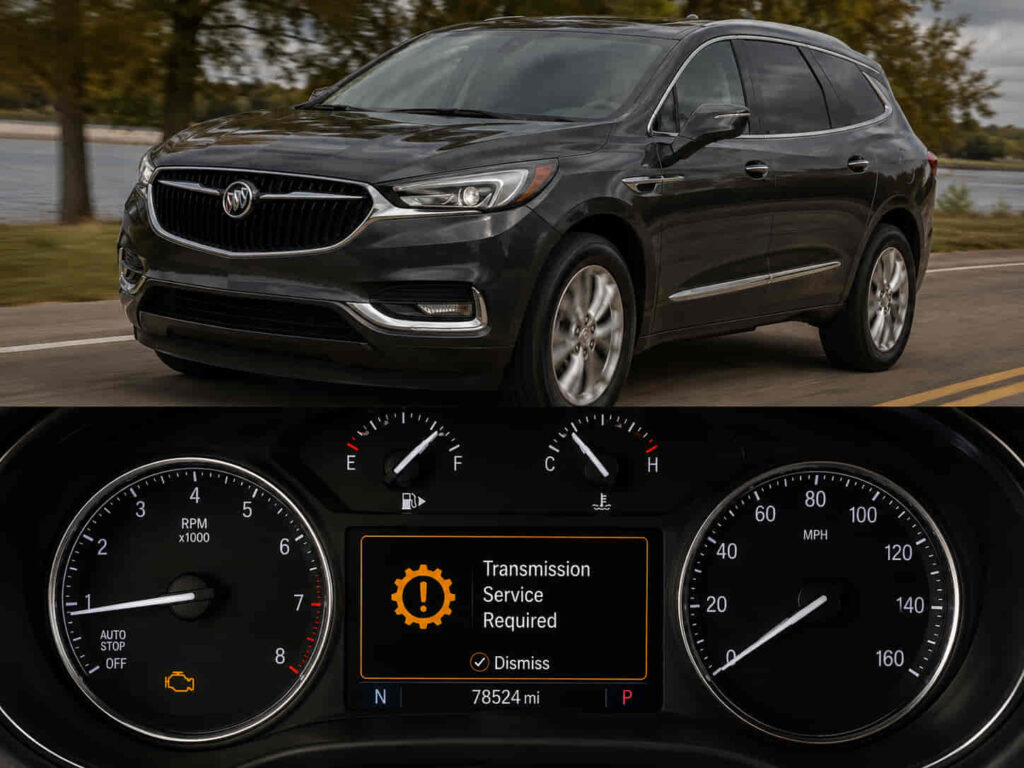
Buick Enclave Transmission Problems occur when the vehicle’s automatic transmission cannot properly transfer engine power to the wheels or maintain smooth gear changes during operation. The transmission system is one of the most important components in the Buick Enclave powertrain because it controls how engine torque is delivered based on driving speed, load conditions, and performance requirements.
A properly functioning Buick Enclave transmission should provide smooth acceleration, consistent shifting, and efficient power delivery. When problems develop, drivers may notice symptoms such as hard shifting, delayed gear engagement, slipping transmission, unusual noises, or hesitation during acceleration.
Transmission issues do not always mean the entire transmission assembly has failed. Some problems come from maintenance-related factors such as degraded transmission fluid, while others are caused by electronic control issues, worn internal components, torque converter problems, or hydraulic pressure failures.
The Buick Enclave has used different automatic transmission systems across model generations, including the GM 6-speed and 9-speed automatic transmissions. Each system relies on a combination of mechanical components, fluid pressure, and electronic controls to operate correctly.
Understanding the cause of a transmission problem is important because early diagnosis can prevent minor issues from becoming major failures. A delayed shift caused by fluid condition requires a different solution than a transmission with internal clutch damage or control module failure.
This guide explains how the Buick Enclave transmission system works, the most common problems, warning signs, diagnostic methods, repair options, and ways to prevent future transmission failures.
How Does the Buick Enclave Transmission System Work?
The Buick Enclave transmission system works by transferring engine power to the wheels through a combination of mechanical components, hydraulic pressure, transmission fluid, and electronic controls. The transmission adjusts gear ratios based on vehicle speed, engine load, and driving conditions to provide smooth acceleration and efficient power delivery.
The automatic transmission begins the power transfer process through the torque converter, which connects the engine to the transmission while allowing the engine to continue running when the vehicle is stopped. Inside the transmission assembly, gear sets, clutch packs, and hydraulic circuits work together to select the correct gear ratio.
Transmission fluid plays an important role because it provides lubrication, cooling, and hydraulic pressure for internal components. The fluid allows valves, clutches, and other moving parts to operate smoothly while reducing heat and friction inside the transmission.
Modern Buick Enclave transmissions also depend on electronic control systems. The Transmission Control Module (TCM) monitors driving conditions and sends commands to shift solenoids that control gear changes. This allows the transmission to adjust shifting patterns based on acceleration, speed, and load requirements.
When all components operate correctly, the Buick Enclave transmission provides smooth and predictable gear changes. However, problems with fluid condition, hydraulic pressure, electronic controls, or mechanical components can interrupt normal operation and create noticeable driving symptoms.
For example, a transmission with low fluid pressure may hesitate before engaging a gear, while a transmission with a control system problem may shift incorrectly even when mechanical components are still in good condition.
What Causes Buick Enclave Transmission Problems?
The most common causes of Buick Enclave Transmission Problems include degraded transmission fluid, worn internal components, torque converter issues, valve body failures, shift solenoid problems, and electronic control failures. Because automatic transmissions combine mechanical and electronic systems, problems can develop from several different sources.
Transmission fluid problems are among the most common causes of poor transmission performance. Over time, transmission fluid can lose its ability to protect internal components, control heat, and maintain proper hydraulic pressure. Old or contaminated fluid can contribute to rough shifting, delayed engagement, and increased internal wear.
Worn internal components can also create transmission problems. Parts such as clutch packs, gears, bearings, and seals experience stress during normal operation. As these components wear, the transmission may begin slipping, shifting harshly, or failing to transfer power efficiently.
Torque converter problems can affect how smoothly power moves from the engine to the transmission. A damaged torque converter may create vibration, delayed acceleration, or unusual operating behavior, especially during low-speed driving.
Valve body and shift solenoid failures can interfere with gear selection. The valve body controls hydraulic fluid flow inside the transmission, while shift solenoids regulate when gear changes occur. If these components malfunction, the transmission may shift incorrectly or fail to engage certain gears.
Electronic control problems can also trigger transmission issues. The Transmission Control Module manages shift timing and transmission behavior, so software problems, sensor failures, or communication errors can affect performance.
For example, a Buick Enclave experiencing hard shifts after normal driving conditions may have a fluid or solenoid issue, while repeated slipping under acceleration may indicate deeper internal transmission wear.
Read more: Buick Infotainment System Problems
What Symptoms Indicate Buick Enclave Transmission Failure?
A Buick Enclave transmission failure can create noticeable changes in vehicle performance because the transmission is no longer able to transfer engine power smoothly or select the correct gear ratio. The symptoms often appear gradually, allowing drivers to identify potential problems before complete transmission failure occurs.
One of the most common symptoms is hard shifting, where the vehicle changes gears with a sudden impact or noticeable hesitation. This usually happens when the transmission cannot regulate hydraulic pressure correctly or when electronic controls are not managing shift timing properly.
Transmission slipping is another serious warning sign. This occurs when the engine speed increases but the vehicle does not accelerate at the same rate because the transmission cannot maintain proper power transfer. Slipping may indicate worn clutch packs, low fluid pressure, or internal transmission damage.
Delayed engagement can also indicate a problem, especially when the vehicle takes several seconds to move after shifting from Park into Drive or Reverse. This condition may result from low transmission fluid, hydraulic pressure problems, or worn internal seals.
Drivers may also notice unusual noises, such as humming, whining, or grinding sounds coming from the transmission area. These sounds can indicate problems with internal components, bearings, or fluid circulation.
A burning smell may appear when transmission fluid overheats. Excessive heat reduces fluid performance and can accelerate wear on internal components.
Warning lights or stored diagnostic trouble codes may also appear when electronic transmission components detect abnormal operation. However, not every transmission problem immediately triggers a dashboard warning.
For example, a Buick Enclave that jerks during acceleration may have a shift control issue, while a vehicle that increases engine RPM without gaining speed may be experiencing transmission slipping.
Can You Drive a Buick Enclave With Transmission Problems?
Driving a Buick Enclave with transmission problems depends on the severity of the issue, but continuing to operate a vehicle with serious transmission symptoms can increase repair costs and risk further damage. A minor shifting issue may allow temporary driving, while major symptoms such as slipping or loss of gear engagement require immediate attention.
A vehicle with mild symptoms, such as occasional rough shifting, may still operate normally for a short period. However, the underlying problem can worsen because transmission components continue operating under stress.
Driving with transmission slipping is more dangerous because the transmission may suddenly lose the ability to transfer power effectively. This can affect acceleration, especially when merging into traffic or climbing hills.
A transmission that overheats should not be ignored because excessive temperature can damage fluid properties and accelerate wear on internal components. Repeated overheating can turn a repairable issue into a complete transmission failure.
If the Buick Enclave cannot engage Drive or Reverse, produces severe noises, or shows signs of major fluid leakage, continued driving is not recommended. Operating under these conditions may cause additional damage to gears, clutches, or other internal parts.
Early diagnosis is important because some transmission problems can be corrected through fluid service, software updates, or component repair before requiring a full rebuild or replacement.
For example, a Buick Enclave with occasional delayed shifting may need inspection and maintenance, while a vehicle that cannot move after selecting a gear likely requires immediate transmission diagnosis.
How Do You Diagnose Buick Enclave Transmission Problems?
Diagnosing Buick Enclave Transmission Problems requires evaluating transmission fluid condition, electronic control data, mechanical operation, and driving behavior to identify the actual source of failure. Since many different issues can create similar symptoms, accurate diagnosis prevents unnecessary repairs.
The first step is usually inspecting transmission fluid condition. Technicians check fluid level, color, and signs of contamination because fluid problems can affect hydraulic pressure and internal lubrication.
A diagnostic scan is also important because modern Buick Enclave transmissions use electronic control modules. The Transmission Control Module can store fault codes related to shift solenoids, sensors, communication problems, or abnormal transmission operation.
A road test helps identify how the transmission behaves under different conditions. Technicians evaluate acceleration, gear changes, delayed engagement, vibration, and shifting patterns to determine which operating conditions trigger the problem.
Further inspection may involve checking hydraulic pressure, examining electrical connections, testing solenoids, or inspecting internal components. These tests help separate electronic problems from mechanical failures.
Transmission leaks should also be inspected because low fluid levels can create serious operating problems. A small leak may reduce fluid pressure and eventually cause internal damage if it is not repaired.
For example, a Buick Enclave with harsh shifting and stored solenoid-related codes may require electronic or hydraulic repairs, while a vehicle with slipping and contaminated fluid may require deeper transmission inspection.
How Do You Fix Buick Enclave Transmission Problems?
Fixing Buick Enclave Transmission Problems requires repairing the specific component responsible for the failure rather than replacing the entire transmission in every case. The correct repair depends on whether the issue comes from fluid condition, electronic controls, hydraulic components, or internal mechanical damage.
Transmission fluid service is one of the simplest solutions when poor fluid condition contributes to shifting problems. Fresh transmission fluid can help restore proper lubrication and hydraulic operation when the transmission has not suffered internal damage. However, fluid replacement cannot repair worn gears, damaged clutch packs, or failed internal components.
If the problem involves shift solenoids or electronic control components, repairing or replacing these parts may restore normal shifting performance. Solenoids control hydraulic pressure and gear changes, so a malfunction can cause harsh shifting, delayed engagement, or incorrect gear selection.
Valve body repairs may be required when hydraulic control problems prevent the transmission from applying the correct pressure to internal components. Since the valve body manages fluid distribution, failures in this area can create multiple shifting symptoms.
Torque converter problems may require repair or replacement when power transfer between the engine and transmission becomes inefficient. Symptoms such as vibration, hesitation, or poor acceleration can indicate torque converter-related issues.
More severe failures involving worn clutch packs, damaged gears, or extensive internal wear may require transmission rebuilding or replacement. A rebuild involves inspecting and replacing damaged internal components, while replacement installs another complete transmission assembly.
For example, a Buick Enclave with contaminated fluid and mild shifting issues may only need transmission service, while a vehicle with severe slipping caused by internal wear may require a rebuild or replacement.
How Much Does Buick Enclave Transmission Repair Cost?
The cost of repairing Buick Enclave Transmission Problems depends on the type of failure, required parts, labor complexity, and whether the transmission can be repaired or needs replacement. Minor maintenance-related issues usually cost less than internal transmission failures that require extensive mechanical work.
Transmission fluid service is typically one of the lower-cost options because it involves inspecting and replacing fluid rather than repairing internal components. This solution is suitable when poor fluid condition contributes to shifting concerns but the transmission remains mechanically healthy.
Repairs involving solenoids, sensors, or valve body components generally cost more because they require additional diagnosis and labor. These repairs involve accessing transmission control components and verifying that the system operates correctly after repair.
Transmission rebuilds are more expensive because the transmission must be removed, disassembled, inspected, and rebuilt with replacement components. This option is usually considered when internal wear affects clutch packs, seals, gears, or other major parts.
A complete transmission replacement represents the highest repair level because it involves installing another transmission unit and completing necessary programming or system checks.
The final cost also depends on the Buick Enclave model year, transmission type, availability of replacement parts, and labor rates. Proper diagnosis is essential because replacing a transmission without confirming the root cause can result in unnecessary expenses.
For example, a Buick Enclave with a failed shift solenoid may require a targeted repair, while a transmission with extensive internal damage may require a rebuild or replacement.
How Can You Prevent Buick Enclave Transmission Problems?
Preventing Buick Enclave Transmission Problems requires regular maintenance, proper fluid management, and early attention to abnormal driving symptoms. Since the transmission operates under high temperature, pressure, and mechanical stress, preventive care helps reduce wear and improve long-term reliability.
Maintaining proper transmission fluid condition is one of the most important preventive measures. Transmission fluid protects internal components, controls hydraulic pressure, and helps remove heat from the system. Old or contaminated fluid can increase friction and accelerate component wear.
Following recommended maintenance intervals helps identify problems before they become severe. Regular inspections can detect fluid leaks, unusual noises, or early shifting changes that may indicate developing transmission issues.
Avoiding excessive transmission stress can also improve durability. Frequent heavy towing, aggressive acceleration, or driving with overheating conditions can increase pressure on internal transmission components.
Drivers should respond quickly when symptoms appear. Delayed shifting, slipping, unusual noises, or fluid leaks should be inspected early because minor problems can develop into major transmission failures.
Maintaining the overall vehicle system is also important because engine performance, cooling systems, and electrical controls all influence transmission operation.
For example, a Buick Enclave owner who maintains transmission fluid quality and addresses early shifting problems can reduce the risk of expensive transmission repairs in the future.