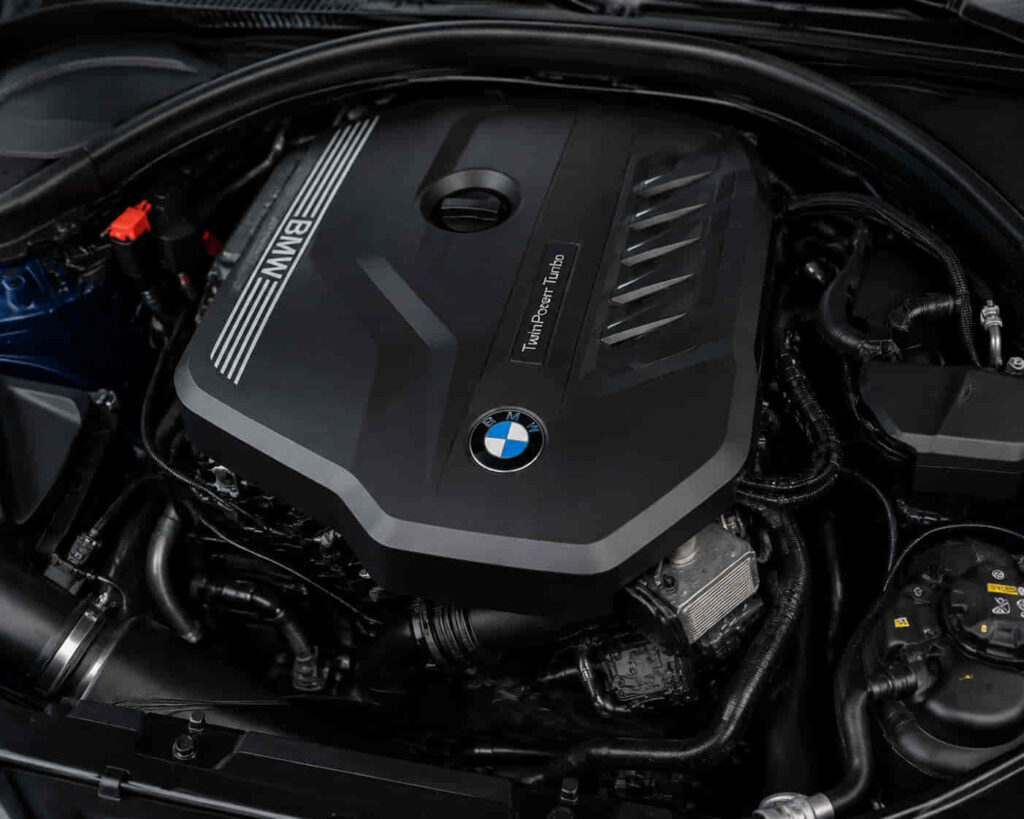
The BMW B48 engine is a turbocharged four-cylinder engine from BMW’s modular engine family, designed to deliver improved efficiency, performance, and durability compared with earlier generations. Introduced as a successor to the N20 engine family, the B48 uses BMW’s TwinPower Turbo technology and a modular architecture that allows it to be used across multiple BMW models.
The B48 engine is generally considered a strong engine platform, but like any modern turbocharged engine, it can develop specific issues as mileage increases and components experience normal wear. Most BMW B48 engine problems are not caused by the entire engine design but by individual systems such as lubrication, cooling, ignition, air management, and maintenance-related components.
Understanding BMW B48 engine problems requires looking beyond individual symptoms. An oil leak does not automatically mean a major engine failure, and a warning light does not immediately identify one defective component. The correct diagnostic process connects the symptom with the affected system, confirms the cause, and then determines the appropriate repair.
Common B48 concerns are often related to heat cycles, turbocharged operation, direct fuel injection, component aging, and maintenance history. Factors such as oil quality, service intervals, driving conditions, and previous repairs have a major impact on long-term reliability.
This guide explains the 7 common BMW B48 engine problems, including oil leaks, cooling system concerns, ignition issues, carbon buildup, turbocharger-related problems, intake system faults, and maintenance factors that influence B48 engine reliability.
Can BMW B48 Engines Develop Oil Leaks?
Oil leaks are one of the common maintenance concerns that BMW B48 engines may experience as seals, gaskets, and related components age over time. The B48 uses a modern turbocharged design that operates under high temperatures and pressure conditions, which means sealing components must continuously withstand thermal expansion and repeated heat cycles.
The lubrication system depends on multiple sealing points to keep engine oil contained while allowing proper oil circulation. Components such as the oil filter housing area, gaskets, seals, and related connections can become potential leak points as the vehicle accumulates mileage or experiences prolonged heat exposure.
An oil leak does not automatically indicate that the B48 engine itself has internal damage. In many cases, the issue is related to an external sealing component rather than a major engine failure. However, ignoring oil leaks can create additional problems because low oil levels or oil contamination around other components can affect long-term engine reliability.
The symptoms of an oil-related problem can vary depending on the location and severity of the leak. Some owners may notice oil residue around engine components, burning oil smells, visible leaks under the vehicle, or the need to add oil between service intervals.
Diagnosing BMW B48 oil leaks requires identifying the exact leak source before replacing parts. A proper inspection determines whether the issue comes from a gasket, seal, connection point, or another lubrication-related component. Replacing unrelated components without confirming the source can lead to unnecessary repairs.
Can BMW B48 Cooling System Problems Cause Engine Issues?
Cooling system problems can affect BMW B48 engine reliability because turbocharged engines require precise temperature management to maintain efficient operation and protect internal components. The cooling system regulates engine temperature by controlling coolant circulation and heat transfer during different driving conditions.
The B48 engine operates with advanced thermal management strategies designed to improve efficiency while maintaining operating temperatures. Components such as the thermostat, water pump, coolant lines, and related cooling components work together to keep temperatures within the expected range.
When a cooling system component begins to fail, the engine may experience overheating risks, incorrect temperature regulation, coolant loss, or warning messages. Because engine temperature affects combustion efficiency, lubrication performance, and component durability, cooling problems can create wider reliability concerns if they are not addressed.
A cooling-related problem does not always mean the engine has suffered permanent damage. Early detection of coolant leaks, temperature irregularities, or cooling system faults can prevent more serious consequences.
Maintaining the BMW B48 cooling system is an important part of long-term engine reliability. Regular inspection of coolant condition, leaks, and cooling components helps identify problems before they affect major engine systems.
Read more: BMW Engine Malfunction Reduced Power
Can Ignition Problems Affect BMW B48 Engine Performance?
Ignition system problems can affect BMW B48 engine performance because the engine depends on consistent spark delivery to maintain efficient combustion and stable power output. The B48 uses a modern turbocharged combustion system where ignition quality directly influences engine smoothness, fuel efficiency, and overall performance.
The ignition system includes components such as spark plugs and ignition coils that work together to ignite the air-fuel mixture inside each cylinder. When these components wear or begin to fail, combustion quality can decrease and create symptoms such as rough idle, hesitation, reduced acceleration, or engine misfires.
Because the BMW B48 engine control system continuously monitors combustion behavior, ignition problems can also trigger warning messages or stored diagnostic faults. The engine control module evaluates whether combustion is occurring within expected parameters, and unstable ignition performance can cause the system to adjust operation to protect the engine.
An ignition-related issue does not automatically mean the B48 engine has a major mechanical problem. In many cases, the cause is related to normal wear components that require replacement during the vehicle’s service life. However, ignoring repeated misfires can increase stress on other systems, including emissions components and the turbocharged combustion system.
Diagnosing BMW B48 ignition problems requires identifying whether the issue comes from spark plugs, ignition coils, fuel delivery, or another combustion-related condition. Replacing ignition components without confirming the actual cause may solve the symptom temporarily while leaving the underlying issue unresolved.
Does BMW B48 Have Carbon Buildup Problems?
Carbon buildup can affect BMW B48 engine performance because direct injection technology changes how fuel interacts with the intake system compared with traditional port-injected engines. The B48 uses direct fuel injection, where fuel is delivered directly into the combustion chamber rather than washing over intake valve surfaces.
Over time, deposits can develop in areas exposed to oil vapor, exhaust gases, and crankcase ventilation byproducts. Intake valve deposits can influence airflow into the combustion chamber, which may affect engine efficiency, throttle response, and overall performance under certain operating conditions.
Carbon buildup is not a problem that occurs immediately on every BMW B48 engine. The severity depends on factors such as driving patterns, maintenance quality, oil condition, operating temperature, and vehicle usage. Vehicles that frequently operate under short trips or low-temperature conditions may experience different deposit patterns compared with vehicles regularly driven at normal operating temperatures.
The symptoms of excessive deposits can overlap with other engine issues. Rough running, reduced performance, hesitation, or warning lights may also result from ignition, fuel, sensor, or airflow problems. This is why carbon buildup should be confirmed through proper diagnosis rather than assumed from symptoms alone.
Maintaining a BMW B48 engine involves monitoring engine operation and addressing related maintenance issues before deposits significantly affect performance. Proper oil service, correct operating conditions, and accurate diagnosis help preserve long-term engine efficiency.
Can BMW B48 Turbocharger Problems Occur?
Turbocharger-related issues can affect BMW B48 engine performance because the engine relies on controlled boost pressure to produce efficient power and maintain proper combustion conditions. The turbocharger is a key component of the B48 engine design, allowing a smaller displacement engine to deliver strong performance while maintaining efficiency.
The turbocharger system works together with multiple supporting components, including boost control systems, pressure sensors, intake components, and engine management software. The DME continuously monitors requested and actual boost levels to ensure that the engine receives the correct amount of air under different driving conditions.
When the turbo system does not operate as expected, the engine may experience reduced performance, inconsistent acceleration, unusual boost behavior, or warning messages. However, a turbo-related problem does not automatically mean that the turbocharger assembly itself has failed. Issues such as boost leaks, control system faults, sensor inaccuracies, or related intake problems can create similar symptoms.
This distinction is important because turbocharger replacement is a major repair decision. A proper diagnosis must determine whether the problem comes from the turbocharger itself or from another component affecting boost control and airflow management.
Diagnosing BMW B48 turbocharger problems requires evaluating boost pressure data, stored fault information, intake system condition, and related control components. Identifying the actual cause prevents unnecessary replacement of expensive turbocharger components.
Can PCV or Intake System Problems Affect BMW B48?
PCV and intake system problems can affect BMW B48 engine operation because these systems control airflow balance and crankcase pressure management. The engine requires precise airflow control to maintain efficient combustion, stable idle quality, and proper emissions operation.
The positive crankcase ventilation (PCV) system manages gases created inside the engine and redirects them through the intake system for controlled combustion. When this system does not operate correctly, it can influence oil vapor management, pressure balance, and overall engine behavior.
Intake-related issues can also affect performance because the engine depends on accurate airflow measurement. Problems involving intake components, air leaks, or incorrect airflow conditions can cause the engine control system to adjust operation and may contribute to symptoms such as rough running, increased oil consumption, hesitation, or warning messages.
A PCV or intake problem does not always indicate major engine damage. These systems contain components that can wear over time and may require inspection as mileage increases. The key is identifying whether the symptom originates from crankcase ventilation, airflow measurement, or another engine-management system.
Proper diagnosis of BMW B48 PCV and intake problems requires checking airflow conditions, pressure behavior, stored fault information, and related engine symptoms. Repairing the correct component helps restore proper engine operation without unnecessary replacement of unrelated parts.
Can Poor Maintenance Cause BMW B48 Engine Problems?
Poor maintenance practices can accelerate BMW B48 engine wear because turbocharged engines depend on consistent lubrication, temperature control, and component inspection to maintain long-term reliability. The B48 is designed as a modern performance engine, but its reliability depends heavily on how well supporting systems are maintained throughout the vehicle’s lifespan.
Engine oil quality and service intervals are especially important because the B48 operates under high temperatures and uses turbocharging technology. Oil protects internal engine components, supports turbocharger lubrication, and helps manage heat generated during operation. Using unsuitable oil or extending maintenance intervals beyond appropriate conditions can increase wear on engine components.
Cooling system maintenance is another important factor in B48 reliability. A properly functioning cooling system helps maintain stable operating temperatures and prevents excessive thermal stress on components. Ignoring coolant issues, leaks, or temperature-related warnings can allow smaller problems to develop into more serious conditions.
Ignition components, intake systems, and other wear-related parts also require attention as mileage increases. Components such as spark plugs and related engine management parts directly affect combustion quality and efficiency. Delayed replacement of worn components can contribute to performance issues and additional stress on the engine.
BMW B48 engine reliability is strongly connected to maintenance quality rather than only engine design. Regular service, early diagnosis of symptoms, and preventive inspection help reduce the risk of expensive repairs and support long-term engine performance.
Is the BMW B48 Engine Reliable?
The BMW B48 engine is generally considered a reliable modern turbocharged engine when it receives proper maintenance and operates under appropriate conditions. The B48 was developed as part of BMW’s modular engine family and introduced several design improvements compared with earlier four-cylinder turbocharged engines.
The B48 architecture focuses on efficiency, performance, and flexibility across different BMW models. Features such as improved thermal management, modern engine control systems, and updated component design contribute to its reputation as a strong engine platform.
However, reliability depends on more than the engine code alone. A BMW B48 with poor maintenance history, neglected cooling issues, incorrect oil service, or unresolved warning signs may experience more problems than a properly maintained example with similar mileage.
The most common concerns associated with the B48 are usually related to specific components and operating conditions rather than a fundamental engine design failure. Understanding these potential areas allows owners to maintain the engine proactively.
A well-maintained BMW B48 can provide reliable long-term performance, but ownership quality depends on maintenance history, driving conditions, and how early problems are addressed.
How Long Can a BMW B48 Engine Last?
The lifespan of a BMW B48 engine depends on maintenance quality, operating conditions, driving habits, and whether developing problems are addressed before they become major failures. Engine longevity is determined by the condition of individual components and the consistency of maintenance rather than a fixed mileage number.
A B48 engine that receives regular oil service, proper cooling system care, timely ignition maintenance, and accurate repairs can maintain strong performance over a long period. Turbocharged engines especially benefit from consistent maintenance because components operate under higher thermal and mechanical loads.
Driving conditions also influence engine lifespan. Frequent short trips, poor warm-up habits, excessive heat exposure, and delayed repairs can increase wear on engine systems. In contrast, normal operating temperatures, proper service intervals, and preventive inspections help reduce unnecessary stress.
Mileage alone does not determine whether a B48 engine is reliable. A higher-mileage engine with excellent service history may be in better condition than a lower-mileage engine that has experienced neglected maintenance.
Evaluating BMW B48 engine condition requires looking at maintenance records, operating history, symptoms, and diagnostic information rather than relying only on mileage.
How Do You Maintain a BMW B48 Engine?
Maintaining a BMW B48 engine requires consistent attention to lubrication, cooling, ignition, airflow systems, and early detection of developing problems. Preventive maintenance reduces stress on engine components and helps preserve the performance characteristics of the turbocharged engine design.
Regular oil maintenance is one of the most important factors because engine oil supports internal lubrication and turbocharger operation. Monitoring oil condition and addressing oil-related issues early helps protect critical engine components.
Cooling system inspection is also essential because temperature control directly affects engine reliability. Checking coolant condition, monitoring temperature behavior, and repairing leaks before they become severe helps prevent unnecessary thermal stress.
Ignition system maintenance, intake inspection, and diagnostic checks also contribute to long-term reliability. Addressing small performance changes, warning lights, or unusual engine behavior early can prevent more extensive repairs.
The best BMW B48 maintenance strategy combines scheduled service with proactive diagnosis. Maintaining the engine before symptoms become severe is more effective than repairing major failures after they occur.
Is BMW B48 Better Than BMW N20?
The BMW B48 engine introduced several improvements compared with the earlier N20 engine family, particularly in areas related to architecture, thermal management, and overall refinement. Both engines belong to BMW’s turbocharged four-cylinder engine lineup, but the B48 represents a newer generation of BMW modular engine design.
The B48 was developed with a different architecture and updated engineering approach. BMW focused on improving efficiency, emissions performance, and integration across multiple vehicle platforms. These changes helped address some concerns associated with previous engine generations.
However, comparing B48 and N20 reliability requires considering individual vehicle history, maintenance quality, and usage conditions. Engine generation alone does not determine whether a specific vehicle will be reliable.
The B48 should not be viewed as a perfect engine without potential issues, but it represents BMW’s continued development of turbocharged four-cylinder technology.
The difference between BMW B48 and N20 reliability depends on both engineering improvements and how each engine has been maintained throughout its service life.
Does BMW B48 Have Timing Chain Problems?
BMW B48 timing chain concerns should be evaluated differently from earlier BMW engine generations because the B48 uses an updated timing system design. Timing chain reliability depends on component condition, lubrication quality, maintenance history, and operating conditions.
The timing system plays an important role in synchronizing engine operation. Proper lubrication and regular maintenance help support the durability of timing-related components throughout the engine’s lifespan.
A timing-related symptom should not automatically lead to the conclusion that the timing chain has failed. Unusual engine noises, performance issues, or warning messages require diagnosis to determine whether the cause involves the timing system or another engine component.
The correct approach is inspection based on symptoms and diagnostic information rather than assuming every B48 engine has the same timing issue.
BMW B48 timing chain evaluation requires considering the specific vehicle condition, maintenance history, and diagnostic evidence.
Should You Buy a BMW With a B48 Engine?
A BMW with a B48 engine can be a strong ownership choice when the vehicle has proper maintenance records and a verified service history. The engine platform offers a balance of performance, efficiency, and modern technology, but the condition of the specific vehicle is more important than the engine code alone.
A buyer should evaluate factors such as maintenance documentation, previous repairs, warning history, oil service records, cooling system condition, and overall vehicle condition. A well-maintained B48 vehicle can provide a very different ownership experience compared with one that has been neglected.
The decision should not be based only on online discussions about common problems. Every engine family has components that require maintenance, and the actual risk depends on how the vehicle was operated and maintained.
The BMW B48 engine is best evaluated through ownership history and mechanical condition rather than reputation alone. Understanding common problems helps buyers inspect the right areas and make a more informed decision.