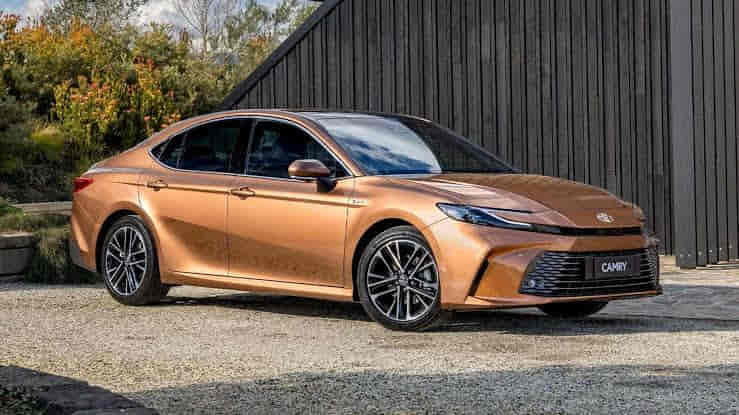
The Toyota Camry has spent decades building a reputation as one of the most dependable midsize sedans on the used-car market. That reputation makes the buying decision seem easy, but there is an important catch: not every Camry model year offers the same combination of reliability, ownership cost, technology, fuel economy, and long-term value. If you are searching for the Best Years for Toyota Camry, choosing the right year can help you avoid an otherwise frustrating used-car purchase.
The difference becomes especially important as a Camry gets older. A low purchase price may look attractive until engine problems, transmission concerns, oil consumption, worn suspension components, cooling-system repairs, or neglected maintenance begin adding to the ownership bill. At the same time, paying more for the newest Camry is not automatically the smartest decision. A proven older model with a strong maintenance history can deliver better value than a newer vehicle that has been poorly cared for.
The best Camry year therefore depends on more than reliability rankings alone. Engine and transmission configuration, generation maturity, documented maintenance, mileage, safety equipment, fuel economy, depreciation, and the condition of the individual vehicle all need to be considered.
This guide examines the Best Years for Toyota Camry from the perspective of a used-car buyer, including the most reliable years, generations worth considering, years that deserve additional scrutiny, fuel-efficient choices, mileage considerations, and the mechanical factors that can determine whether a particular Camry is genuinely worth buying.
What Makes a Toyota Camry Year the Best to Buy?
When determining the Best Years for Toyota Camry, reliability should be the foundation, but it should not be the only measure. A Camry can have an excellent reputation for durability while still having specific model years, engines, or configurations that deserve more attention. For a used-car buyer, the best year is the one that provides a favorable balance between mechanical durability, maintenance requirements, safety, fuel economy, purchase price, and remaining service life.
Generation maturity is particularly important. A newly redesigned Camry may introduce a more modern platform, improved technology, and better driving characteristics, but a later year within the same generation may benefit from years of production experience and incremental improvements. This is why comparing generations can be more useful than simply choosing the newest vehicle within a particular budget.
The engine and transmission also influence the ownership equation. A four-cylinder Camry can offer lower fuel consumption and potentially lower operating costs, while a V6 can provide substantially stronger performance but may involve different maintenance and fuel requirements. Hybrid models introduce another dimension, particularly for drivers who cover significant annual mileage and can benefit from lower fuel consumption.
Maintenance history is equally important. A Camry that has received consistent oil changes, appropriate fluid servicing, cooling-system maintenance, and timely repairs has a much better foundation for long-term reliability than an identical model year that has been neglected. This distinction becomes increasingly important as the vehicle passes 100,000 miles and age-related components begin requiring attention.
Safety technology can also change which Camry year represents the best value. Newer generations generally provide more advanced driver-assistance systems and updated crash-protection technology, meaning that paying more for a newer model may be justified for buyers who place a high priority on safety.
Finally, reliability databases and complaint records should be interpreted carefully. A high number of complaints does not automatically mean a model year has a high failure rate, while a low number of complaints does not guarantee trouble-free ownership. The strongest buying decision comes from combining reliability information with documented recalls, common mechanical problems, ownership costs, and an inspection of the individual vehicle.
For this reason, the Best Years for Toyota Camry should be viewed as a range of strong choices rather than one universally perfect year. The right Camry is the one whose generation, powertrain, condition, maintenance history, mileage, and price align with the buyer’s priorities.
Read more: Best Years for Toyota Corolla
Best Years for Toyota Camry
When comparing the Best Years for Toyota Camry, the strongest choices tend to come from model years that combine a mature powertrain with reasonable used-car pricing, modern safety equipment, and enough remaining service life to justify the purchase. The exact sweet spot depends on budget and priorities, but several Camry periods deserve particular attention when shopping for a used sedan.
The 2015 to 2017 Camry is an appealing starting point for buyers who want a proven vehicle without moving into the higher prices associated with newer generations. These models belong to the later portion of the seventh-generation Camry, giving buyers an established platform while retaining a relatively conventional powertrain layout. For someone prioritizing dependable transportation, affordability, and manageable maintenance costs, a well-maintained example from this period can be a strong value.
The 2017 Camry is especially interesting because it represents the mature end of that generation while offering a relatively modern ownership experience. Its appeal is not simply the model year itself. The condition of the engine, transmission, suspension, cooling system, and electrical equipment remains critical, particularly as these vehicles accumulate mileage.
The 2018 Camry represents a fundamentally different proposition. Toyota completely redesigned the Camry for 2018, moving it to the TNGA-based platform and introducing new powertrains, including a new 2.5-liter four-cylinder, a new eight-speed automatic transmission, a 3.5-liter V6, and a next-generation hybrid system. Toyota also made Toyota Safety Sense-P standard, giving the redesigned Camry a substantial upgrade in active safety technology.
That redesign makes 2018 to 2020 Camry models particularly attractive to buyers who want a newer driving experience without moving into the latest generations. The 2018 model also received the IIHS TOP SAFETY PICK+ award, adding another reason it remains relevant for used-car shoppers who place safety high on their priority list.
However, the newest generation is not automatically the best value. A 2018 Camry introduced a new platform, engine technology, transmission, and suspension architecture all at once. Buyers who prioritize a proven mechanical package may therefore prefer a later model from the same generation after the platform has had more time in the market.
For shoppers with a larger budget, 2021 to 2023 Camry models can provide an attractive balance between modern equipment and depreciation. These vehicles retain the eighth-generation platform while offering newer interiors, technology, and safety features than older Camrys. The additional purchase price can make sense when the buyer intends to keep the vehicle for many years and wants to reduce the age-related maintenance associated with older used cars.
The Camry Hybrid deserves separate consideration because fuel economy can significantly alter the ownership equation. Toyota’s eighth-generation Camry offered a next-generation hybrid system alongside its gasoline powertrains, giving high-mileage drivers another way to reduce fuel consumption without moving to a smaller vehicle.
Ultimately, the Best Years for Toyota Camry cannot be reduced to a single model year. A carefully maintained 2015 to 2017 Camry can be an excellent choice for buyers seeking value, while a 2018 to 2020 model provides a more modern platform, safety technology, and driving experience. A 2021 to 2023 Camry may be preferable for buyers willing to spend more upfront for newer equipment and fewer age-related concerns.
The deciding factor should always be the individual vehicle. Maintenance records, mileage, accident history, engine and transmission condition, recall status, and purchase price can easily outweigh the difference between two neighboring model years. A great Camry is not simply the one with the right year on the title. It is the one whose year, powertrain, history, condition, and price make sense together.
Best Toyota Camry Years for Reliability
When reliability is the primary concern, the Best Years for Toyota Camry are generally found among model years that combine a proven powertrain with a mature platform and a strong maintenance history. Camry has earned its reputation through long-term durability, but reliability is not distributed perfectly across every generation. Engine configuration, transmission design, manufacturing year, mileage, and previous maintenance can all change the ownership experience.
The 2015 to 2017 Camry is particularly appealing to buyers who want an established platform without paying the premium associated with newer generations. These vehicles benefit from Toyota’s extensive experience with the seventh-generation architecture, while later production years have had more time to establish their reliability record. A well-maintained four-cylinder example can be especially attractive for buyers who prioritize straightforward ownership and reasonable fuel consumption.
The 2018 Camry deserves a different kind of consideration because it introduced the eighth generation and a major technical redesign. Toyota moved the Camry to the TNGA platform and introduced updated engines and transmissions, including the 2.5-liter Dynamic Force four-cylinder and an eight-speed automatic transmission. The hybrid system was also redesigned for the new generation.
A major redesign naturally makes the first model year worth inspecting carefully. That does not mean the 2018 Camry is unreliable. Rather, buyers should understand that a substantially redesigned vehicle has a different risk profile from a mature platform. The advantage is that the 2018 model brings significant improvements in driving dynamics, safety, technology, and interior quality.
For buyers seeking a newer vehicle, 2021 to 2023 Camry models can provide an attractive reliability and ownership balance. They belong to the same broad eighth-generation architecture but have several years of production history behind them. A newer example also reduces exposure to age-related failures involving suspension components, seals, cooling systems, air-conditioning components, and other parts that naturally deteriorate as a vehicle becomes older.
Engine choice deserves particular attention when evaluating Camry reliability. The four-cylinder is generally the logical choice for buyers who want lower fuel consumption and a simpler ownership proposition, while the V6 provides significantly stronger performance. Neither configuration should automatically be considered unreliable, but the V6 can involve higher fuel and maintenance costs simply because of its greater mechanical complexity and performance-oriented configuration.
Hybrid Camry models should also not be overlooked. Toyota has extensive experience with hybrid technology, and the Camry Hybrid can be particularly attractive for drivers who cover high annual mileage. Lower fuel consumption can offset a higher purchase price over time, although buyers should still inspect the hybrid system and obtain appropriate diagnostic information before purchasing an older example.
One of the most important lessons when evaluating Toyota Camry reliability is that maintenance history can outweigh model year. Regular oil changes, proper fluid maintenance, cooling-system service, timely repairs, and careful driving habits can dramatically influence the life of an engine and transmission. A Camry with 150,000 miles and comprehensive service documentation can therefore be a safer purchase than a 90,000-mile vehicle with no maintenance records.
Age also changes what “reliable” means. Even if the engine and transmission remain strong, an older Camry can require repairs to suspension components, wheel bearings, air conditioning, electrical systems, hoses, seals, and other wear items. These are not necessarily failures of the original vehicle design, but they can still affect the owner’s total repair budget.
For most used-car buyers, a well-maintained 2015 to 2017 Camry offers a compelling combination of mature engineering, reasonable purchase prices, and proven durability. Buyers wanting newer technology and a longer remaining service life may prefer a 2021 to 2023 Camry, while those prioritizing fuel economy should consider the hybrid configuration. In every case, the individual vehicle’s condition remains the most important factor separating a dependable Camry from an expensive used-car mistake.
Toyota Camry Years to Avoid
The phrase Toyota Camry years to avoid needs some context because a model year with more reported problems is not necessarily a vehicle that every buyer should automatically reject. Camry has a long history of strong reliability, but certain years and powertrain configurations have accumulated enough documented complaints or known issues to justify a more careful inspection. The objective is to identify higher-risk choices, not to suggest that every vehicle from those years is defective.
Older Camrys deserve particular scrutiny when they are associated with excessive oil consumption or significant engine-related complaints. Oil consumption can become especially serious when an owner fails to monitor the oil level, potentially contributing to accelerated engine wear. This is one reason buyers should never rely solely on Toyota’s overall reliability reputation when evaluating an older Camry. The specific engine, maintenance history, and current condition matter considerably.
The 2007 to 2009 period deserves additional attention because these vehicles are now old enough that both documented model-specific concerns and normal age-related deterioration can influence the ownership experience. Toyota’s eighth-generation Camry was widely sold, meaning there are many examples on the used market, but high availability should not encourage buyers to overlook engine condition, oil consumption, cooling-system health, or transmission behavior.
The 2007 Camry in particular is frequently discussed in connection with excessive oil consumption involving certain four-cylinder engines. A prospective buyer should therefore check the oil level, inspect for leaks, ask whether the engine requires regular oil top-ups, and review any history of engine repairs. A vehicle that has already received appropriate repairs may still be worth considering, but the repair history should be reflected in the buying decision.
The 2008 and 2009 Camry should likewise be evaluated on an individual basis rather than dismissed automatically. Vehicle age now plays a major role. Even if the original engine and transmission remain healthy, suspension components, engine mounts, seals, cooling-system parts, air-conditioning components, and electrical systems may require attention. At this age, a cheap purchase price can become misleading if several deferred repairs appear immediately after the sale.
The first year of a major redesign can also justify additional scrutiny, although it should not automatically be classified as a year to avoid. The 2018 Camry introduced an entirely new generation with a TNGA platform, updated engines, new transmission technology, and revised hybrid hardware. Toyota’s redesign brought substantial improvements, but buyers considering a first-year vehicle should inspect the specific car carefully and verify that recalls or applicable service campaigns have been addressed.
Recall history is another important distinction. A recall does not necessarily make a Camry a bad purchase because recalls exist to correct identified safety or mechanical defects. What matters is whether the particular vehicle has an unresolved recall. NHTSA’s VIN lookup tool allows buyers to check the recall status of an individual vehicle before purchasing.
The safest interpretation of Camry years to avoid is therefore to treat certain model years as higher-priority inspection candidates rather than universally bad cars. A well-maintained Camry with documented repairs, clean history, and excellent mechanical condition can still be worthwhile even when its model year has a less favorable reputation. Conversely, a low-mileage vehicle from a highly regarded year can become a poor purchase if it has been neglected.
For buyers comparing several used Camrys, the biggest warning signs are not limited to the model year. Excessive oil consumption, unexplained engine noises, transmission abnormalities, severe rust, structural accident damage, missing maintenance records, warning lights, unresolved recalls, and a seller unwilling to permit an independent inspection should all influence the decision. The right approach is not simply to avoid a particular year, but to avoid a bad individual vehicle.
Best Toyota Camry Years by Generation
Looking at the Best Years for Toyota Camry by generation makes it easier to understand why certain model years are more attractive than others. Each generation introduced changes to the platform, engines, transmissions, safety systems, interior technology, and driving characteristics. For used-car buyers, these changes can have a direct effect on reliability, maintenance costs, fuel economy, and long-term value.
The sixth-generation Camry, sold in the mid-2000s, can still appeal to buyers searching for inexpensive transportation, but age is now the dominant consideration. A Camry from this period may have a durable core powertrain while simultaneously requiring significant spending on suspension, cooling systems, seals, air conditioning, and other components affected by age. Buyers considering these vehicles should therefore focus heavily on maintenance history and current condition rather than reputation alone.
The seventh-generation Camry, introduced for the 2012 model year, is particularly relevant to today’s used-car market. Its conventional powertrain choices, widespread availability, and relatively straightforward ownership characteristics make it attractive to buyers who want a dependable midsize sedan without paying for the newest technology. The later years of this generation, especially 2015 to 2017, are compelling because the platform had matured while Toyota continued improving styling, technology, and safety equipment.
The seventh generation also offers a useful choice between four-cylinder, V6, and hybrid configurations. This allows buyers to prioritize lower operating costs, stronger performance, or fuel efficiency without changing the basic Camry formula. The best choice depends on annual mileage and ownership priorities rather than simply selecting the most powerful engine.
The eighth-generation Camry arrived for 2018 and represented a much larger technical transformation. Toyota moved the sedan to the TNGA platform and introduced a new 2.5-liter Dynamic Force four-cylinder, an available 3.5-liter V6, an updated hybrid system, and an eight-speed automatic transmission for the gasoline models. The redesign also brought major improvements in handling, interior design, technology, and safety.
For used-car shoppers, the eighth generation is particularly attractive because it offers a significantly more modern driving experience without abandoning the Camry’s core emphasis on practicality. 2021 to 2023 models can be especially appealing to buyers who want a newer vehicle with several years of production history behind it. They generally cost more than an older seventh-generation Camry, but the additional investment can reduce exposure to age-related repairs and provide more modern safety and technology.
The generation comparison also highlights why a “best Camry year” should not be determined solely by age. The newest generation may have the most features, but a mature previous-generation model can provide better value for a budget-conscious buyer. Likewise, an older Camry with a documented maintenance history may be more dependable than a newer vehicle that has experienced neglect.
For many used-car buyers, the later seventh-generation Camry offers one of the strongest combinations of affordability, mature engineering, and proven ownership characteristics. The eighth generation is more appropriate for buyers who prioritize modern technology, driving dynamics, safety, and longer remaining service life.
Ultimately, the best Camry generation depends on the buyer’s priorities. Someone seeking the lowest purchase price may accept an older generation and reserve money for maintenance. A buyer focused on overall value may prefer a well-maintained 2015 to 2017 model, while someone seeking modern equipment may find a 2021 to 2023 Camry more attractive. Understanding the generation is therefore one of the most useful steps toward identifying the Best Years for Toyota Camry.
Best Toyota Camry Years for Fuel Economy
Fuel economy can significantly change the ownership value of a Camry, particularly for drivers who commute long distances or accumulate high annual mileage. When evaluating the Best Years for Toyota Camry, it is therefore important to consider not only reliability and purchase price but also the engine and powertrain responsible for producing that efficiency. A four-cylinder Camry, V6 Camry, and Camry Hybrid can deliver very different fuel costs even when they belong to the same model year.
The conventional four-cylinder Camry has traditionally provided the strongest balance between fuel economy, performance, and purchase cost. For many used-car buyers, this configuration remains the logical choice when reducing fuel expenses is important but the higher initial cost of a hybrid is difficult to justify. Driving conditions still have a major effect, however, because city traffic, short trips, aggressive acceleration, tire pressure, and vehicle maintenance can all reduce real-world efficiency.
The 2015 to 2017 Camry is particularly attractive for buyers who want reasonable fuel economy without moving into a newer vehicle. These models combine a mature four-cylinder powertrain with a purchase price that is generally lower than newer Camrys. Their efficiency can make them an excellent choice for commuters who want to keep both fuel and depreciation costs under control.
The eighth-generation Camry introduced a more sophisticated powertrain strategy. For the 2018 model year, Toyota introduced the new 2.5-liter Dynamic Force four-cylinder alongside the available V6 and redesigned hybrid system. Toyota specifically developed the new engines and transmissions to improve both performance and efficiency.
For maximum fuel savings, the Camry Hybrid deserves particular attention. The redesigned eighth-generation hybrid system was engineered to provide strong efficiency while retaining the practicality and size of a conventional Camry. This makes hybrid models especially attractive to drivers who cover many miles each year, where accumulated fuel savings can have a meaningful impact on total ownership costs.
The V6 represents the opposite priority. Its additional power makes it attractive to drivers who value acceleration and highway performance, but increased fuel consumption means it is rarely the most economical choice for someone whose primary objective is minimizing operating costs. A buyer should therefore choose the V6 because its performance benefits are valuable, not because it offers the lowest cost per mile.
Real-world fuel economy also depends heavily on vehicle condition. Underinflated tires, poor wheel alignment, dragging brakes, worn components, dirty filters, and engine problems can all increase fuel consumption. A well-maintained older Camry can therefore deliver surprisingly competitive economy compared with a newer vehicle that has been neglected.
For most used-car buyers, a 2015 to 2017 four-cylinder Camry offers an appealing balance of purchase price and fuel efficiency, while newer Camry Hybrid models are better suited to drivers who prioritize maximum fuel savings and accumulate substantial annual mileage. The right choice ultimately depends on how much you drive and whether the expected fuel savings justify the additional purchase price of a newer or hybrid model.
Best Toyota Camry Years for Value
The Best Years for Toyota Camry from a value perspective are not necessarily the oldest or cheapest models available. A truly valuable used Camry is one that balances purchase price with reliability, fuel economy, safety, maintenance costs, depreciation, and the amount of useful service life that remains. This distinction is important because an inexpensive Camry can become surprisingly expensive if its low price reflects deferred maintenance or significant mechanical problems.
For many buyers, the 2015 to 2017 Camry offers an attractive middle ground. These vehicles are old enough to have experienced substantial depreciation, which can make their purchase prices more accessible, while still belonging to a mature generation with familiar mechanical characteristics. They also provide a more contemporary ownership experience than much older Camrys without requiring the budget associated with a newer eighth-generation model.
The value proposition becomes particularly strong when a 2015 to 2017 Camry has a documented maintenance history. Regular oil changes, appropriate fluid servicing, cooling-system maintenance, timely replacement of worn components, and evidence of professional repairs can significantly reduce uncertainty. Paying slightly more for an exceptionally maintained example can therefore make more financial sense than choosing the cheapest Camry available.
The 2018 to 2020 Camry represents another important value category for buyers who want newer technology and safety. The 2018 redesign brought the TNGA platform, updated engines and transmissions, improved driving dynamics, and additional standard safety technology. Toyota also offered four-cylinder, V6, and hybrid configurations, allowing buyers to choose between performance and efficiency.
However, paying more for a newer Camry only makes sense when the additional features and remaining service life justify the price difference. If a 2019 Camry costs substantially more than a well-maintained 2016 model, the buyer should consider how much additional value those newer safety systems, technology, lower mileage, and reduced age-related maintenance actually provide.
Depreciation also plays an important role. Buying a nearly new Camry gives you the advantages of newer technology and potentially more warranty coverage, but it also exposes you to a greater portion of early depreciation. A several-year-old Camry can occupy a more attractive middle ground because much of the initial depreciation has already occurred while the vehicle may still have many years of useful service remaining.
Fuel economy can further improve the value proposition. A four-cylinder Camry generally offers a reasonable balance between operating costs and purchase price, while a hybrid can make more sense for drivers who accumulate substantial mileage. The important calculation is not simply how many miles per gallon the vehicle achieves, but whether the expected fuel savings compensate for any higher purchase price.
Older Camrys can still offer excellent value when the budget is limited, but age-related repairs must be included in the calculation. Suspension components, air-conditioning systems, seals, cooling components, electrical equipment, and other wear items can become increasingly important as the vehicle ages. A low purchase price does not necessarily translate into low ownership costs.
For many buyers, the 2015 to 2017 Camry represents one of the strongest value sweet spots because it combines mature engineering, reasonable fuel economy, widespread parts availability, and used-car affordability. Buyers who are willing to spend more for modern safety, technology, and remaining service life may find the 2018 to 2020 generation more attractive.
Ultimately, the best value is not the Camry with the lowest asking price. It is the vehicle whose price, condition, maintenance history, mileage, powertrain, and expected future repair costs make sense together. That is why a carefully inspected Camry with a higher purchase price can often be a much better bargain than a cheap example with hidden mechanical problems.
What Toyota Camry Mileage Is Too High?
Mileage is one of the first things buyers notice when searching for a used Camry, but there is no specific odometer reading that automatically makes a Toyota Camry a bad purchase. A well-maintained high-mileage Camry can continue providing dependable transportation, while a low-mileage example with neglected maintenance can develop expensive problems soon after purchase. When evaluating the Best Years for Toyota Camry, mileage should therefore be considered alongside service history, engine condition, transmission behavior, driving environment, and overall vehicle condition.
A Camry approaching 100,000 miles should not automatically be considered high mileage. If the vehicle has been consistently serviced and major maintenance has been performed when required, it may still have substantial useful life remaining. At this stage, buyers should pay closer attention to maintenance records and determine whether the previous owner has addressed normal wear items rather than focusing exclusively on the number shown on the odometer.
Once the vehicle approaches 150,000 miles, the inspection becomes more important. The powertrain may remain healthy, but other components have had considerably more time to wear. Suspension bushings, engine mounts, wheel bearings, cooling-system components, air-conditioning parts, seals, brakes, and other systems may require replacement. These repairs do not necessarily indicate that the Camry itself is unreliable, but they can affect the true cost of ownership.
At 200,000 miles or more, condition and maintenance history become far more important than model year. A Camry with detailed service documentation, a healthy engine, smooth transmission operation, clean fluid condition, and a strong inspection report can still be useful transportation. However, buyers should expect a greater probability of age-related repairs and should avoid spending their entire budget on the purchase price without leaving money available for maintenance.
The type of mileage also provides useful context. Highway driving generally produces different wear patterns from repeated short trips and heavy urban traffic. A Camry that accumulated most of its miles through long-distance commuting may have experienced relatively consistent operating conditions, while a low-mileage vehicle used primarily for short trips may have experienced frequent cold starts and prolonged periods of stop-and-go driving.
Maintenance history can therefore outweigh the odometer. A 160,000-mile Camry with complete service records can be a more sensible purchase than a 90,000-mile vehicle with no documentation. Oil-change history is particularly important because proper lubrication is fundamental to long-term engine health. Buyers should also look for evidence of transmission servicing, cooling-system maintenance, brake work, suspension repairs, and other major maintenance performed throughout the vehicle’s life.
The asking price should reflect the mileage as well. A high-mileage Camry should not command the same price as a comparable lower-mileage example unless its condition and maintenance history provide an unusually strong justification. Conversely, an extremely cheap high-mileage vehicle may simply be transferring future repair costs from the seller to the buyer.
There is therefore no universal mileage threshold that determines whether a Camry is worth buying. Around 150,000 miles should prompt a more thorough inspection, while vehicles approaching or exceeding 200,000 miles require particularly careful evaluation, but neither figure automatically disqualifies a Toyota Camry.
For used-car shoppers, the better question is not “How many miles is too many?” but “Does this Camry’s maintenance history and current condition justify its mileage and price?” When the answer is yes, even a high-mileage Camry can remain one of the more practical choices in the used-car market.
What to Check Before Buying a Used Toyota Camry
Finding one of the Best Years for Toyota Camry narrows the search, but it does not guarantee that the individual vehicle is a good purchase. Two Camrys from the same model year can have completely different ownership histories, and the difference between them can mean thousands of dollars in future repairs. Before buying, the vehicle should therefore be evaluated as a complete mechanical and ownership package rather than judged by its year and mileage alone.
The first step is examining the maintenance history. Service records can reveal whether the previous owner consistently changed the engine oil, maintained the cooling system, serviced the transmission when appropriate, and addressed problems before they became major failures. Missing records do not automatically mean a Camry was neglected, but they increase uncertainty and should influence the price you are willing to pay.
The engine deserves particular attention during a cold start. Listen for unusual noises, observe the idle, inspect for visible oil or coolant leaks, and check whether the exhaust shows anything unusual once the engine is running. The oil level and condition can also provide useful information. Excessive oil consumption should be investigated rather than dismissed as a minor inconvenience, especially when considering older Camry models with documented engine-related concerns.
The transmission should be evaluated during a thorough test drive. Acceleration from a stop, moderate throttle inputs, highway cruising, and changes in speed can reveal hesitation, abnormal noises, harsh engagement, slipping, or inconsistent behavior. Because Camry powertrains have changed considerably between generations, buyers should evaluate transmission behavior according to the specific engine and transmission configuration rather than applying expectations from another model year.
Suspension and steering components deserve equal attention. Listen for knocking or rattling over uneven roads and pay attention to whether the vehicle tracks straight. Uneven tire wear can indicate alignment problems, worn suspension components, or previous accident damage. Braking performance should also feel predictable without excessive vibration, pulling, or unusual noise.
The inspection should extend beyond the powertrain. Test the air conditioning, heating system, windows, locks, lights, infotainment system, backup camera, warning indicators, and other electrical equipment. Small electrical or comfort-system problems may not make a Camry undriveable, but several minor repairs can quickly increase the ownership cost of an older vehicle.
The underbody should receive careful attention as well. Rust, damaged suspension mounting points, leaking fluids, damaged exhaust components, and poorly repaired accident damage can be difficult to identify during a quick visual inspection. This is particularly important for vehicles that have spent their lives in areas where road salt or harsh weather accelerates corrosion.
A vehicle-history report can provide additional information about previous accidents, title history, mileage records, and ownership changes, but it should not replace a physical inspection. Signs of repaired collision damage, inconsistent paint, unusual panel gaps, or structural repairs should be investigated before purchase.
Recall status should also be verified using the vehicle’s VIN. NHTSA provides a recall search tool that allows buyers to determine whether an individual vehicle has an unresolved safety recall. Toyota’s ownership resources can provide additional information about vehicle service and maintenance requirements.
The most valuable final step is an independent pre-purchase inspection. A qualified mechanic can inspect areas that are difficult for an ordinary buyer to evaluate, identify leaks or worn components, scan for diagnostic trouble codes, and provide a more objective assessment of the vehicle’s condition.
Ultimately, the best used Camry is not simply the one from a highly rated model year. It is the example with a strong maintenance history, healthy powertrain, clean structural condition, reasonable mileage, completed recalls, and a price that accurately reflects its condition. That combination is far more important than choosing a model year based on reputation alone.
Is an Older Toyota Camry Still Worth Buying?
An older Toyota Camry can still be an excellent used-car purchase when its condition, maintenance history, and price are aligned. The model’s long production history, widespread parts availability, and strong reputation for durability make older examples particularly appealing to buyers who want dependable transportation without taking on the depreciation associated with a newer vehicle. However, age changes the ownership equation, so an older Camry should never be purchased based on Toyota’s reputation alone.
The biggest advantage is usually the lower purchase price. A well-maintained Camry that is several years old can provide much of the same basic transportation capability as a newer sedan while costing substantially less. For buyers whose priority is reliability rather than the latest technology, putting the savings toward maintenance and repairs can be a more sensible financial strategy than spending the entire budget on a newer vehicle.
The challenge is that age-related wear can exist independently of mileage. Rubber seals, suspension bushings, engine mounts, hoses, cooling-system components, air-conditioning parts, and electrical systems can deteriorate over time. An older Camry may therefore have a healthy engine and transmission while still requiring several repairs simply because its components have reached the later stages of their service life.
This makes maintenance history particularly valuable. A Camry that has been regularly serviced and has documentation showing that previous owners addressed problems promptly can remain a strong purchase even at relatively high mileage. Conversely, a cheap Camry with missing records, warning lights, oil-consumption concerns, severe rust, or evidence of neglected maintenance can quickly eliminate the financial advantage of buying an older vehicle.
Safety is another reason some buyers may prefer a newer Camry. Toyota progressively expanded advanced driver-assistance technology across the Camry lineup, while the eighth-generation model introduced a more modern platform and expanded standard safety equipment. The 2018 redesign, for example, brought Toyota Safety Sense-P standard across the lineup along with significant changes to the vehicle’s structure and driving dynamics.
The decision should also reflect how long you plan to keep the vehicle. An older Camry can make excellent sense when you need affordable transportation for several years and have enough budget remaining for maintenance. If you want the newest safety systems, a more modern interior, lower age-related repair risk, and a longer period before major wear items become a concern, spending more on a newer model may be justified.
This is why the Best Years for Toyota Camry should not be considered separately from the condition of the individual vehicle. A carefully maintained older Camry can deliver exceptional value, while a neglected example from a highly regarded year can become an expensive mistake.
Before buying, calculate the expected total cost of ownership rather than focusing exclusively on the purchase price. Consider insurance, fuel, tires, brakes, scheduled maintenance, potential repairs, and any work identified during a pre-purchase inspection. If the overall cost remains attractive after accounting for these factors, an older Camry can still be a remarkably practical choice.
For budget-conscious buyers, the ideal older Camry is not necessarily the cheapest one available. It is the vehicle with the strongest combination of maintenance history, mechanical condition, reasonable mileage, clean history, and fair price. When those factors come together, an older Toyota Camry can remain a dependable daily driver for many years.
Frequently Asked Questions About the Best Years for Toyota Camry
What is the most reliable Toyota Camry year?
There is no single Camry model year that is guaranteed to be the most reliable for every owner. However, later seventh-generation models such as the 2015 to 2017 Camry are attractive because they combine a mature platform, proven powertrains, reasonable maintenance costs, and relatively affordable used-car prices. For buyers wanting a newer vehicle, later eighth-generation models can provide a stronger combination of modern safety, technology, and remaining service life.
What year Camry should I avoid?
Older Camrys associated with excessive oil consumption or significant engine-related complaints deserve particular caution. The 2007 to 2009 period is frequently worth closer inspection, especially when evaluating engine condition and maintenance history. However, a model year should not be treated as an automatic rejection. A properly repaired and well-maintained vehicle can still be worth considering.
Which Camry generation is the best?
For used-car value, the later years of the seventh generation are particularly compelling because they combine mature engineering with lower purchase prices. The eighth generation is more attractive for buyers who prioritize modern safety technology, improved driving dynamics, updated interiors, and a longer remaining service life.
Is a 10-year-old Toyota Camry worth buying?
Yes, provided the vehicle has been maintained properly and passes an independent inspection. At around ten years old, age-related maintenance becomes increasingly important, so buyers should examine the suspension, cooling system, air conditioning, seals, electrical equipment, brakes, and tires in addition to the engine and transmission.
How many miles can a Toyota Camry last?
A properly maintained Camry can potentially exceed 200,000 miles, although there is no guaranteed lifespan. Maintenance quality, driving conditions, climate, engine configuration, accident history, and previous ownership all influence longevity. A high-mileage Camry with detailed service records can be a better purchase than a lower-mileage example with unknown maintenance.
Is a Camry V6 more reliable than a four-cylinder?
Both configurations can provide long-term service when properly maintained, but they serve different priorities. The four-cylinder is generally more attractive to buyers focused on fuel economy and lower operating costs, while the V6 offers significantly stronger performance. When comparing reliability, the condition and maintenance history of the individual engine should carry more weight than simply choosing one configuration.
What is the best Camry year for fuel economy?
The answer depends on the powertrain. Four-cylinder Camrys generally offer a strong balance of fuel economy and purchase price, while Camry Hybrid models are designed for buyers who prioritize maximum fuel efficiency. Toyota’s eighth-generation Camry introduced an updated hybrid system alongside its gasoline engines, making hybrid versions particularly attractive for high-mileage drivers.
Is a used Camry better than a used Honda Accord?
Both the Camry and Accord can be excellent used midsize sedans. The better choice depends on the specific model year, powertrain, maintenance history, condition, price, fuel economy, and features. Comparing individual vehicles is more useful than assuming one brand is always superior.
Which Camry years have the best resale value?
Resale value depends on mileage, condition, trim, engine, location, accident history, maintenance records, and market demand as well as model year. Newer Camrys generally retain more absolute value, while well-maintained examples from popular generations can remain highly desirable in the used market.
Conclusion
Finding the Best Years for Toyota Camry is ultimately about more than identifying a model year with a strong reliability reputation. The most successful purchase combines the right generation and powertrain with a documented maintenance history, reasonable mileage, good mechanical condition, modern safety equipment, and a price that reflects the vehicle’s actual condition.
For buyers focused on affordability and proven engineering, the 2015 to 2017 Camry remains a particularly attractive area of the used market. Buyers who want a newer platform, more advanced technology, and a longer remaining service life may find the 2018 to 2023 Camry more compelling, while hybrid versions can provide a strong advantage for drivers who accumulate significant annual mileage.
Older Camrys should not automatically be dismissed because of their age, just as newer Camrys should not automatically be considered superior. A neglected newer vehicle can become more expensive than a carefully maintained older one. The most important factors remain the vehicle’s service history, engine and transmission condition, accident history, mileage, rust, recall status, and results of an independent inspection.
Ultimately, the best Toyota Camry is the one that fits your budget and ownership priorities while minimizing the risk of unexpected repair costs. If you are comparing a specific Camry, look beyond the year on the title and evaluate the complete vehicle. Model year tells you what the car was designed to be, but maintenance history and condition tell you what the car is today.