An AW 32 hydraulic fluid equivalent is generally an anti wear hydraulic oil with an ISO VG 32 viscosity grade that meets the performance specifications required by the hydraulic system. The viscosity grade is the first factor to match, but it does not make every ISO VG 32 fluid interchangeable. The replacement must also provide suitable wear protection, oxidation stability, corrosion protection, material compatibility, and performance under the equipment’s normal operating conditions.
AW 32 combines two important characteristics. “AW” identifies the fluid as an anti wear hydraulic oil, while “32” refers to its ISO viscosity grade. This distinction matters when comparing AW 32 with HLP 32, HVLP 32, synthetic ISO VG 32 fluids, or other products marketed as hydraulic oil 32. These fluids can have similar viscosity while using different base oils, additive packages, and performance specifications.
Choosing the correct AW 32 hydraulic fluid equivalent therefore requires more than matching the number on the container. The equipment specification, hydraulic system design, operating temperature, existing fluid, and manufacturer requirements determine whether a substitute is suitable. This guide explains AW 32 equivalents, ISO VG 32 compatibility, SAE comparisons, AW 32 versus AW 46 and AW 68, mixing considerations, and the specifications to check before using a replacement.
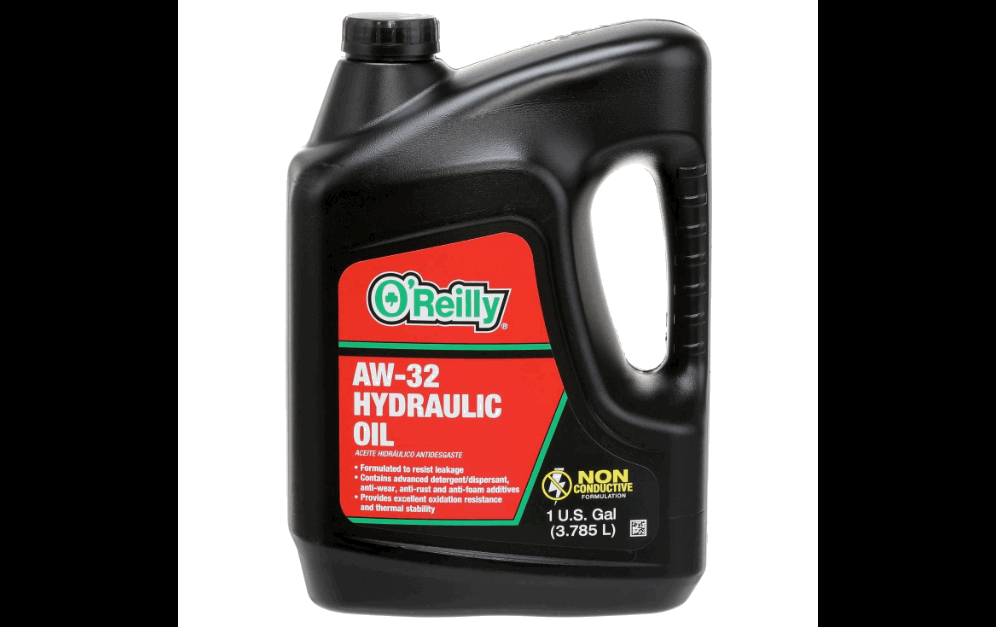
What Is Equivalent to AW 32 Hydraulic Fluid?
The closest equivalent to AW 32 hydraulic fluid is an anti wear hydraulic oil with an ISO VG 32 viscosity grade and compatible performance specifications. A replacement should match the viscosity required by the hydraulic system while providing the anti wear protection needed by pumps, valves, and other moving components. For this reason, another AW 32 fluid is generally the first type to consider when replacing an existing AW 32 product.
The “32” in AW 32 identifies its ISO viscosity grade. ISO VG 32 oils have a nominal kinematic viscosity of 32 mm²/s at 40°C. However, viscosity alone does not determine whether two hydraulic fluids are fully equivalent. Their base oils, additive systems, viscosity indexes, oxidation resistance, corrosion protection, and equipment approvals can differ. Two products labeled ISO VG 32 can therefore behave differently even though their viscosity falls within the same classification.
AW 32 also contains anti wear additives designed to reduce damage where lubricated components operate under load. This characteristic separates an anti wear hydraulic oil from fluids that only share a similar viscosity. A suitable substitute must maintain the protection and operating characteristics required by the hydraulic system rather than simply matching the number 32.
The safest replacement process starts with the equipment manual or manufacturer specification. Match the required ISO VG 32 viscosity first, then compare the fluid type, performance standards, material compatibility, and operating temperature range. This approach identifies a true functional equivalent and reduces the risk of selecting a hydraulic oil based on viscosity alone.
Is AW 32 the Same as ISO VG 32 Hydraulic Oil?
AW 32 is generally an ISO VG 32 hydraulic oil with anti wear properties, but AW 32 and ISO VG 32 do not describe exactly the same characteristic. ISO VG 32 identifies a viscosity classification, while AW describes the anti wear function of the hydraulic fluid. This difference is important when choosing an equivalent because matching the viscosity grade alone does not confirm that two fluids provide the same performance.
ISO VG is the International Organization for Standardization viscosity grading system used for industrial lubricants. An ISO VG 32 hydraulic oil has a nominal kinematic viscosity of 32 mm²/s at 40°C. The grade establishes a viscosity range rather than specifying the complete formulation of the oil. As a result, different hydraulic fluids can carry the ISO VG 32 designation while using different base oils and additive packages.
The AW designation adds another requirement. AW hydraulic fluids contain additives intended to protect pumps and other lubricated components against wear. Their formulations can also provide properties related to oxidation resistance, corrosion protection, foam control, and water separation. These characteristics affect how the fluid performs throughout its service life.
For this reason, an ISO VG 32 product should not automatically be treated as an AW 32 replacement. Check that the fluid has the required anti wear properties and meets the specifications listed for the hydraulic system. ISO VG 32 confirms the viscosity class, while the complete product specification determines whether the fluid is a suitable AW 32 equivalent.
What Hydraulic Oils Can Replace AW 32?
Another ISO VG 32 anti wear hydraulic oil is usually the closest replacement for AW 32 hydraulic fluid. The substitute should match the required viscosity and performance specifications. It must also work with the hydraulic system, seals, and existing fluid. HLP 32, HV 32, HVLP 32, and some synthetic ISO VG 32 fluids may serve as alternatives in suitable applications.
HLP 32 is one option because it shares the ISO VG 32 viscosity grade. Manufacturers formulate HLP fluids to protect hydraulic components against wear, oxidation, and corrosion. However, formulations and approvals differ between products. Always compare the HLP 32 product specifications with the requirements listed by the equipment manufacturer.
HV 32 and HVLP 32 provide another option for systems that experience wider temperature changes. Their higher viscosity index helps the oil maintain more consistent viscosity as temperatures change. This property can benefit mobile equipment and hydraulic systems that operate outdoors. Still, the system must allow this type of hydraulic fluid.
Some synthetic ISO VG 32 hydraulic fluids can also replace AW 32 in specific systems. Synthetic products may use different base fluids and additive packages. These differences can affect seals, materials, and compatibility with the oil already inside the system. Check the product data and equipment requirements before changing fluid types.
A suitable AW 32 equivalent must match more than the number 32. Compare viscosity, anti wear performance, manufacturer specifications, and fluid compatibility before choosing a replacement. This process provides a more reliable match than selecting hydraulic oil by viscosity grade alone.
What Specifications Should an AW 32 Equivalent Meet?
An AW 32 equivalent should match the required ISO VG 32 viscosity grade, anti wear performance, and equipment specifications. These factors determine how the fluid protects hydraulic components and performs during operation. Other properties also matter, including viscosity index, oxidation stability, corrosion protection, foam control, and material compatibility.
Start by checking the kinematic viscosity. ISO VG 32 has a nominal kinematic viscosity of 32 mm²/s at 40°C. This value provides the first reference point when comparing replacement fluids. The viscosity index also deserves attention because temperature changes affect oil viscosity. A suitable index helps the fluid maintain predictable flow across the expected operating temperature range.
Anti wear performance is another key requirement. Hydraulic pumps and other moving components need an adequate lubricating film during operation. The additive package helps reduce wear while also supporting oxidation and corrosion control. Foam resistance matters because excessive air in the fluid can interfere with hydraulic performance. These properties can vary even among products that share the ISO VG 32 classification.
Finally, compare the replacement with the specifications required by the equipment manufacturer. Check the product data sheet for viscosity values, performance standards, fluid type, and relevant approvals. Also confirm compatibility with seals, system materials, and the fluid already in use. A viscosity match identifies a possible AW 32 alternative, while matching the complete specification confirms whether it suits the hydraulic system.
Is AW 32 Equivalent to SAE 10W or SAE 10?
AW 32 is not a direct equivalent to SAE 10W or SAE 10 because ISO VG and SAE use different viscosity classification systems. Some viscosity charts place these grades in similar ranges. However, that comparison does not make the fluids interchangeable. The hydraulic system still requires the correct fluid type and performance specifications.
ISO VG 32 classifies industrial lubricants by their kinematic viscosity at 40°C. Its nominal viscosity is 32 mm²/s at that temperature. SAE grades use different classification methods and apply mainly to automotive gear oils and engine oils. Therefore, an SAE number and an ISO VG number do not represent the same measurement system.
This distinction matters when choosing a replacement. An SAE oil may have viscosity characteristics that overlap with an ISO VG 32 fluid at certain temperatures. Yet it may contain a different additive package for a different application. Hydraulic systems need properties such as wear protection, oxidation resistance, foam control, and suitable material compatibility. A similar viscosity cannot guarantee these characteristics.
Use SAE comparison charts only as a general viscosity reference. Do not use them as proof that SAE 10W or SAE 10 can replace AW 32. Instead, check the equipment manual and compare the required hydraulic fluid specifications. For an AW 32 replacement, matching ISO VG 32 and the required hydraulic performance provides a more reliable basis than matching an approximate SAE grade.
Can You Use AW 46 Instead of AW 32 Hydraulic Fluid?
AW 46 should not automatically replace AW 32 because AW 46 has a higher viscosity grade. Both fluids provide anti wear protection, but they differ in viscosity. AW 32 belongs to ISO VG 32, while AW 46 belongs to ISO VG 46. This difference affects how each fluid flows through a hydraulic system.
AW 32 flows more easily at the same operating temperature. This characteristic can support systems designed for lower viscosity oil and improve fluid movement during cold starts. AW 46 provides greater viscosity at the same temperature. A system designed for AW 32 may therefore respond differently after switching to AW 46.
Using oil that is too viscous can increase resistance to fluid flow. It can also affect startup performance when temperatures are low. In contrast, the correct viscosity helps the pump move fluid efficiently while maintaining the required lubricating film. Hydraulic system design and operating temperature determine which grade provides the correct balance.
Check the equipment manual before changing from AW 32 to AW 46. The manufacturer may allow different viscosity grades for specific temperature ranges or operating conditions. In that case, AW 46 may suit the system under the stated conditions. Without such guidance, do not treat the two grades as direct substitutes. AW 46 and AW 32 share an anti wear purpose, but their different viscosity grades make equipment requirements essential when choosing between them.
Can You Mix AW 32 and AW 46 Hydraulic Oil?
You should not mix AW 32 and AW 46 hydraulic oil unless the equipment and fluid manufacturers confirm compatibility. Both oils may use anti wear additive systems, but they have different viscosity grades. Mixing them changes the viscosity of the oil in the system. The final viscosity depends on the amount and properties of each fluid.
AW 32 belongs to ISO VG 32, while AW 46 belongs to ISO VG 46. Adding AW 46 to a system filled with AW 32 will generally increase the mixture’s viscosity. This change can affect fluid flow, cold start performance, and hydraulic response. The effect becomes more important when the equipment requires a narrow viscosity range.
Additive compatibility creates another concern. Different brands can use different additive packages even when both products carry an AW designation. Mixing incompatible formulations may reduce the intended performance of the hydraulic fluid. Differences in base oil or formulation can also affect seals and other system materials.
Check the equipment manual and both product data sheets before mixing these fluids. Use the viscosity grade specified for the system whenever possible. If the existing oil is unknown or incompatible with the replacement, a complete fluid change may provide a better approach. Follow the equipment manufacturer’s service procedure when draining or changing hydraulic oil. Matching the correct viscosity and fluid specification is more reliable than mixing AW 32 and AW 46 to create an intermediate viscosity.
How Do You Choose the Correct AW 32 Hydraulic Fluid Equivalent?
Choose an AW 32 hydraulic fluid equivalent by matching the viscosity grade, fluid type, performance specifications, and equipment requirements. Start with ISO VG 32, then confirm that the replacement provides the required anti wear performance. Brand name alone should not determine the choice because manufacturers can use different formulations for products within the same viscosity grade.
First, check the equipment manual for the required viscosity. A system that specifies AW 32 normally requires an ISO VG 32 fluid under its intended operating conditions. Next, identify the required hydraulic fluid type and performance standards. Compare this information with the product data sheet for the replacement oil.
Operating temperature also affects the selection. Hydraulic oil becomes thicker as its temperature falls and thinner as it rises. The correct fluid must maintain suitable viscosity throughout the expected temperature range. For equipment exposed to wider temperature changes, viscosity index becomes an important comparison point.
Compatibility provides the final check. Confirm that the new oil works with the system’s seals, materials, and existing hydraulic fluid. Pay particular attention when changing between mineral and synthetic formulations or between products with different additive systems. Avoid mixing fluids when their compatibility remains uncertain.
Use viscosity as the starting point and the complete specification as the final test. An ISO VG 32 label identifies a potential AW 32 replacement. The equipment requirements, anti wear performance, operating conditions, and compatibility determine whether that fluid is the correct equivalent for the system.
What Is AW 32 Hydraulic Fluid Used For?
AW 32 hydraulic fluid is used in hydraulic systems that require an ISO VG 32 oil with anti wear protection. Common applications include hydraulic pumps, power units, lifts, presses, and mobile hydraulic equipment. In an automotive context, AW 32 may also serve vehicle service equipment and other hydraulic machinery when the manufacturer specifies this viscosity grade.
Hydraulic pumps rely on the fluid to transfer power and lubricate moving components. AW 32 combines hydraulic power transmission with anti wear protection. Its ISO VG 32 viscosity also allows relatively easy fluid movement compared with higher grades such as AW 46 and AW 68. These properties make AW 32 suitable for systems designed around a lower viscosity hydraulic oil.
Automotive workshops can encounter AW 32 in equipment such as certain hydraulic lifts, jacks, shop presses, and service machines. However, the presence of a hydraulic system does not mean AW 32 is automatically suitable. Different equipment can require different viscosity grades, fluid formulations, or manufacturer specific products. The service manual should define the correct fluid.
AW 32 should also not replace specialized automotive fluids based on viscosity alone. Power steering systems, transmissions, braking systems, and other vehicle components may require fluids with specific friction, material, or performance characteristics. Using the wrong product can affect operation and component life. Use AW 32 only in equipment that specifies a compatible ISO VG 32 anti wear hydraulic fluid or permits an equivalent product.
When Should You Use AW 32 Instead of AW 46 or AW 68?
Use AW 32 instead of AW 46 or AW 68 when the hydraulic system specifies ISO VG 32 or requires a lower viscosity oil for its operating conditions. The main difference between these fluids is viscosity. AW 32 has the lowest viscosity of the three grades. AW 46 sits in the middle, while AW 68 has the highest viscosity.
Lower viscosity allows AW 32 to flow more easily at the same temperature. This property can support faster circulation during startup, especially in cooler conditions. It also suits hydraulic systems designed with clearances and pumps that require ISO VG 32 oil. However, lower viscosity does not make AW 32 better for every application.
AW 46 and AW 68 provide higher viscosity at the same reference temperature. Equipment manufacturers may specify these grades for different system designs or operating conditions. Using a grade that is too thick can restrict flow and affect cold startup. In contrast, oil that becomes too thin may provide insufficient lubrication between moving components.
Temperature, system design, and manufacturer requirements should guide the final choice. Check the service manual before moving between viscosity grades. Do not select AW 32 simply because it flows more easily. Likewise, avoid choosing AW 46 or AW 68 because a thicker oil appears to offer more protection. The correct grade is the one that maintains the viscosity and protection required by the hydraulic system across its intended operating range.
Does Temperature Affect the Choice of AW 32 Hydraulic Fluid?
Temperature affects the choice of AW 32 hydraulic fluid because hydraulic oil becomes thicker when cold and thinner when hot. These viscosity changes influence fluid flow, lubrication, and hydraulic response. AW 32 works best when its viscosity remains within the range required by the equipment during startup and normal operation.
Cold conditions increase the viscosity of hydraulic oil. A thicker fluid moves more slowly through pumps, valves, hoses, and other passages. This added resistance can reduce hydraulic response during startup. AW 32 has a lower viscosity than AW 46 and AW 68 at comparable temperatures. As a result, equipment manufacturers may specify AW 32 when the system requires easier flow in cooler operating conditions.
Higher temperatures create the opposite effect. Heat reduces oil viscosity and makes the fluid thinner. Excessive thinning can weaken the lubricating film between moving components. It can also affect the protection that pumps and other hydraulic parts require. The fluid must therefore retain adequate viscosity at the system’s normal operating temperature.
Viscosity index helps explain how strongly temperature affects a hydraulic oil’s viscosity. A higher viscosity index generally indicates less viscosity change as temperature rises or falls. This property becomes important when equipment operates across a wide temperature range. Choose AW 32 based on the equipment’s required viscosity range, operating temperature, and manufacturer specification rather than ambient temperature alone.
What Happens If You Use the Wrong Hydraulic Fluid?
Using the wrong hydraulic fluid can cause poor lubrication, slower system response, excessive heat, increased wear, leakage, and pump problems. The exact effect depends on the viscosity difference, fluid formulation, operating temperature, and hydraulic system design. Problems can develop when the oil is too thick, too thin, or chemically incompatible with the system.
Oil that is too viscous creates greater resistance to flow. The pump must move the thicker fluid through valves, hoses, and narrow passages. Cold conditions can make this problem worse because lower temperatures increase oil viscosity. The system may respond slowly during startup, while the pump may struggle to draw and circulate the fluid efficiently.
Oil with insufficient viscosity creates a different problem. Thin fluid may fail to maintain an adequate lubricating film between moving surfaces. This condition can increase friction and wear inside pumps and other hydraulic components. Low viscosity can also increase internal leakage, which may reduce system efficiency and hydraulic response.
Fluid chemistry matters as well. An incompatible additive package or base oil can affect seals and other system materials. Mixing incompatible products may also reduce the intended performance of the hydraulic oil. For these reasons, viscosity alone cannot confirm compatibility. Use the viscosity grade, fluid type, performance specifications, and manufacturer requirements together when selecting an AW 32 hydraulic fluid equivalent.
How Can You Confirm the Right AW 32 Hydraulic Fluid Equivalent?
Confirm the right AW 32 hydraulic fluid equivalent by checking viscosity, fluid type, performance specifications, compatibility, and equipment requirements. Start with the equipment manual or service documentation. Look for ISO VG 32 and any additional hydraulic fluid standards required by the manufacturer. These specifications provide a stronger basis for selection than a brand name or viscosity comparison alone.
Next, compare the replacement fluid with the required performance characteristics. Check its anti wear properties, viscosity index, oxidation stability, corrosion protection, and foam control. The product data sheet should provide the technical information needed for this comparison. Also verify compatibility with seals, system materials, and the hydraulic oil already in use.
Operating conditions provide another important check. Temperature affects viscosity, so the fluid must remain suitable during cold starts and normal operating temperatures. A different viscosity grade may work under certain conditions, but only when the equipment manufacturer permits that change.
Finally, avoid treating every ISO VG 32 product as a direct replacement. ISO VG 32 identifies the viscosity class, while the complete fluid specification determines whether an oil is a suitable AW 32 equivalent. Matching viscosity, anti wear performance, compatibility, and manufacturer requirements gives the hydraulic system the protection and operating characteristics it needs.