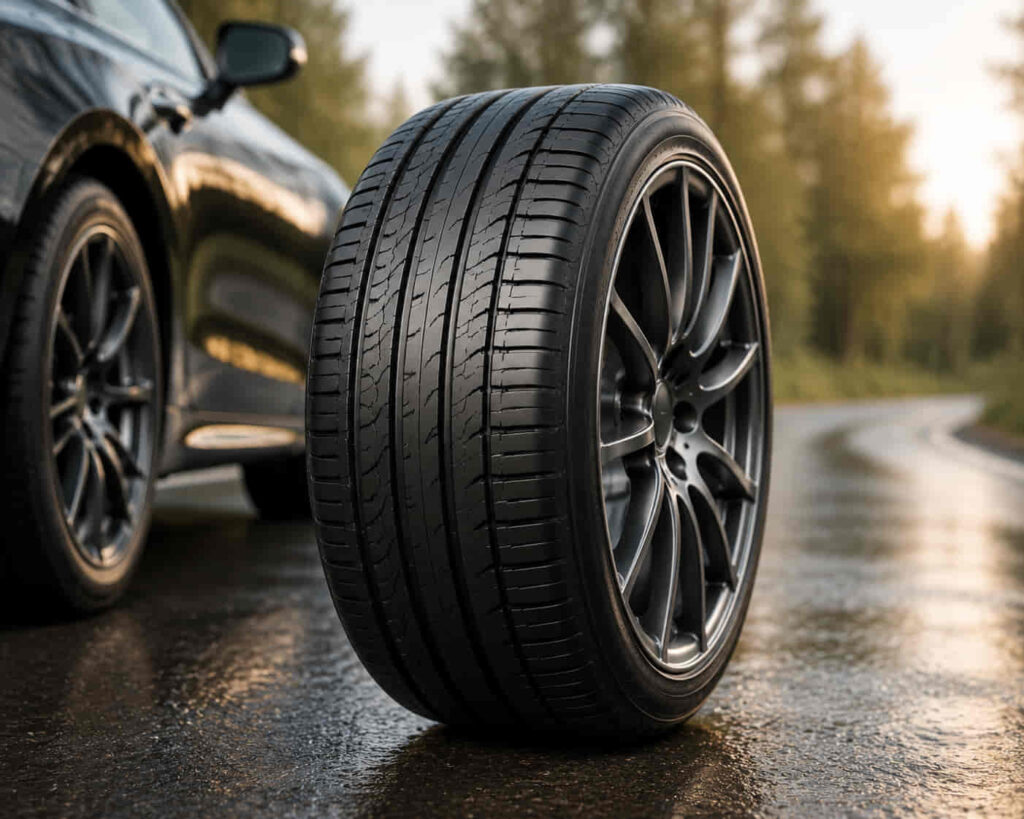
Pirelli tires are considered good quality because they combine premium tire engineering, strong performance characteristics, and decades of experience in high-performance and luxury vehicle applications. The brand is widely recognized for producing tires that prioritize handling, driving precision, and road performance rather than competing mainly on affordability.
Pirelli has built its reputation by focusing on advanced tire technology and performance-focused designs. The company is especially known among sports car manufacturers, luxury vehicle owners, and drivers who value responsive steering, strong cornering ability, and high-speed stability.
However, whether Pirelli tires are the right choice depends on what a driver expects from a tire. A customer looking for maximum mileage at the lowest possible cost may find other brands more suitable, while someone prioritizing driving experience and premium performance may see greater value in Pirelli.
Pirelli offers different tire categories for various applications, including performance tires, luxury vehicle tires, SUV tires, and all-season options. Each product line is designed with different priorities, meaning the overall quality and durability can vary depending on the specific model.
This guide explains how Pirelli tires perform, how long they typically last, their advantages and limitations, and whether investing in this premium tire brand makes sense for different types of drivers and vehicles.
Who Makes Pirelli Tires?
Pirelli tires are made by Pirelli, an Italian tire manufacturer with a long history in automotive engineering and a strong reputation in performance and premium vehicle segments. Founded in 1872, Pirelli has developed its brand around advanced tire technology, motorsport experience, and partnerships with vehicle manufacturers that require high-performance tire solutions.
The company is best known for its involvement in motorsport, particularly Formula 1, where tire development has helped Pirelli refine technologies related to grip, handling, and performance under demanding conditions. While motorsport technology does not directly transfer to every consumer tire, the engineering experience influences how Pirelli designs performance-focused products.
Pirelli produces tires for various vehicle categories, including passenger cars, luxury vehicles, SUVs, and high-performance models. The brand is often selected as original equipment for premium automotive manufacturers because its tires are designed to complement vehicles that require precise handling and strong road feedback.
However, brand reputation alone does not determine whether a tire is suitable for every driver. Pirelli offers different product lines with different purposes. A performance tire designed for sports cars will have different characteristics from a touring tire designed for comfort and everyday driving.
For example, a sports car owner may choose Pirelli because the tire’s design supports sharper steering response and cornering performance. A daily commuter who prioritizes long tread life and low ownership costs may evaluate different factors before choosing a premium tire.
How Do Pirelli Tires Perform on Different Road Conditions?
Pirelli tires generally perform well on dry roads, wet surfaces, and high-speed driving conditions because many models are designed with a strong focus on handling, traction, and vehicle control. The actual performance depends on the specific Pirelli tire model, as different product lines are developed for different driving needs.
On dry roads, Pirelli tires are known for responsive steering and strong cornering ability. Performance-focused models use tread designs and rubber compounds that help maximize contact with the road surface, allowing drivers to experience more precise handling during acceleration, braking, and turning.
Wet performance is another important area where tire engineering plays a major role. Many Pirelli models include tread patterns designed to move water away from the contact patch, helping reduce the risk of hydroplaning and maintaining traction during rainy conditions.
High-speed stability is one of Pirelli’s strongest areas, particularly among its performance and luxury vehicle tire categories. The brand’s experience with motorsport and premium vehicles has influenced designs that prioritize control and confidence at higher speeds.
However, performance-focused characteristics can involve trade-offs. Some Pirelli tires designed for maximum handling may produce more road feedback or have shorter tread life compared with comfort-focused touring tires. Drivers who prioritize a quiet ride or maximum mileage should evaluate the specific model rather than judging the entire brand.
For example, a driver using a Pirelli performance tire on a sports sedan may appreciate improved steering response and cornering stability, while a driver seeking a long-lasting commuter tire may prefer a different Pirelli model designed around comfort and durability.
Read more: Does Sam’s Club Install Tires
How Long Do Pirelli Tires Last?
Pirelli tires typically provide reliable durability, but their lifespan depends heavily on the specific tire model, driving style, maintenance habits, and the conditions where the vehicle is driven. Because Pirelli produces many performance-focused tires, tread life can vary significantly between products designed for maximum handling and products designed for everyday comfort.
Performance tires often prioritize grip, steering response, and cornering ability over maximum tread longevity. Softer rubber compounds can provide stronger traction and better road feel, but they may wear faster compared with harder compounds used in touring-oriented tires.
Maintenance has a major impact on how long Pirelli tires last. Proper tire inflation, regular rotation, wheel alignment, and avoiding aggressive driving can help maintain even tread wear and extend usable tire life. Poor maintenance can reduce tire lifespan regardless of the brand.
Driving conditions also influence durability. A vehicle that frequently travels at high speeds, accelerates aggressively, or drives on rough roads will generally experience faster tire wear compared with a vehicle used mainly for relaxed highway commuting.
The expected lifespan of Pirelli tires should therefore be evaluated by tire category rather than the brand name alone. A Pirelli touring tire may deliver different mileage characteristics compared with a P Zero performance tire designed for sports vehicles.
For example, a driver who chooses Pirelli performance tires for a high-powered vehicle may accept shorter tread life because the priority is improved handling and driving performance. A driver who wants maximum mileage should consider Pirelli models designed specifically for everyday touring use.
Are Pirelli Tires Good for Luxury and Performance Cars?
Pirelli tires are especially well suited for luxury and performance vehicles because their engineering focuses on handling precision, stability, and performance characteristics that match the requirements of high-end cars. Many premium vehicle manufacturers select Pirelli as original equipment because the tires are developed to complement specific vehicle designs.
Luxury and performance vehicles often require tires that provide more than basic transportation capability. These vehicles are engineered with powerful engines, advanced suspension systems, and precise steering systems, meaning tire performance has a significant impact on the overall driving experience.
Pirelli’s performance-oriented tire lines are designed to support these characteristics through specialized tread patterns, advanced rubber compounds, and construction techniques focused on maintaining control during acceleration, braking, and cornering.
The brand is commonly associated with sports cars and premium vehicles because its tires are developed for drivers who value responsiveness and road feedback. Models such as the P Zero line are widely recognized for high-performance applications, while other product families target SUVs, touring vehicles, and everyday driving needs.
However, premium performance does not always mean the best choice for every vehicle owner. A luxury vehicle used mainly for commuting may not require the same level of performance capability as a sports car driven enthusiastically.
For example, a Porsche, Ferrari, or high-performance BMW owner may benefit from the handling characteristics of Pirelli performance tires. In contrast, a family SUV owner who prioritizes comfort, quiet operation, and long tread life may need to evaluate different tire characteristics before choosing Pirelli.
What Are the Advantages of Pirelli Tires?
The main advantages of Pirelli tires are premium engineering, strong performance capability, advanced tire technology, and a reputation built around high-performance driving. These characteristics make Pirelli attractive to drivers who want more than basic transportation and value control, responsiveness, and driving experience.
One major advantage of Pirelli is its focus on handling performance. Many Pirelli tire models are designed to provide precise steering response and strong cornering stability, which can improve the connection between the vehicle and the road. This characteristic is especially important for sports cars and luxury vehicles where driving dynamics are a key part of ownership.
Another advantage is the brand’s engineering experience. Pirelli’s involvement in motorsport has contributed to the development of technologies related to grip, tire construction, and performance optimization. While consumer tires are not identical to racing tires, the research and development experience helps shape the company’s approach to tire design.
Pirelli also offers a broad product range for different vehicle categories. The brand produces tires for performance cars, luxury sedans, SUVs, touring vehicles, and seasonal driving conditions. This allows drivers to choose a model based on their specific priorities rather than applying one tire design to every situation.
The premium positioning of Pirelli can also provide value for drivers who want a refined driving experience. A vehicle with high-performance capabilities requires tires that can support acceleration, braking, and handling characteristics effectively.
For example, a driver who owns a performance sedan may choose Pirelli because the tire helps maximize the vehicle’s handling potential, while a luxury SUV owner may select a Pirelli model designed to balance comfort, stability, and road performance.
What Are the Limitations of Pirelli Tires?
The main limitations of Pirelli tires are their higher price, performance-focused trade-offs, and differences in durability between tire models. Although Pirelli offers strong engineering and performance benefits, these advantages may not match the priorities of every driver.
The biggest limitation is cost. Pirelli is positioned as a premium tire brand, meaning many models are more expensive than tires from mainstream manufacturers. Drivers who mainly compare tires based on upfront price may find less expensive alternatives that satisfy their basic transportation needs.
Another limitation is that some Pirelli performance tires prioritize handling over maximum tread life. Softer compounds and performance-oriented designs can improve grip and responsiveness but may wear faster than tires designed primarily for long mileage.
Ride comfort can also vary depending on the specific model. Performance-focused tires may provide more road feedback, which benefits enthusiastic drivers but may feel firmer or produce more road noise compared with comfort-oriented touring tires.
The wide range of Pirelli products means quality and characteristics can differ between models. A driver should evaluate the specific tire rather than assuming every Pirelli tire provides identical performance, comfort, or durability.
For example, a sports car owner may consider shorter tread life an acceptable trade-off for improved handling, while a commuter who drives long distances every year may prioritize a tire with greater mileage and lower replacement frequency.
Are Pirelli Tires Worth Buying?
Pirelli tires are worth buying for drivers who prioritize performance, handling, and premium tire technology, especially those who own luxury vehicles, sports cars, or vehicles where driving dynamics are important. The brand’s strength comes from its focus on engineering, road performance, and decades of experience developing tires for demanding automotive applications.
For drivers who value precise steering, strong cornering ability, and confident performance in different conditions, Pirelli can provide meaningful value beyond basic tire functionality. Its premium positioning is supported by advanced designs, specialized compounds, and a product range developed for various performance requirements.
However, Pirelli is not the ideal choice for every driver. Customers who prioritize the lowest purchase price, maximum tread life, or basic daily transportation may find other tire brands better aligned with their needs. The higher cost of Pirelli tires should be evaluated against the performance benefits they provide.
The right choice depends on matching the tire characteristics with the vehicle and driving habits. A performance vehicle owner may benefit significantly from Pirelli’s handling-focused designs, while a high-mileage commuter may need to prioritize different factors such as longevity and operating cost.
Overall, Pirelli tires are considered good because they deliver strong performance, premium engineering, and reliable technology. For drivers who value driving experience and are willing to invest in higher-quality tires, Pirelli can be a worthwhile choice.