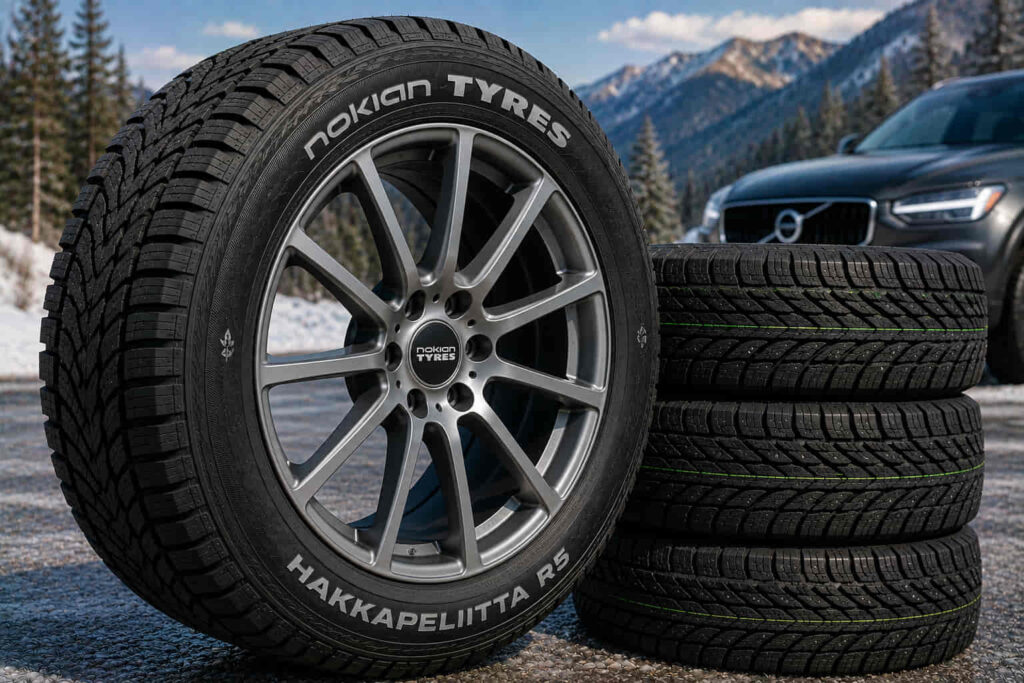
Nokian tires can be a good choice for drivers who need reliable traction, safety, and control in cold climates, snow, and challenging winter conditions. The brand is widely recognized for its expertise in winter tire development and has built a reputation around creating products designed to perform in environments where temperature, ice, and snow significantly affect vehicle handling.
Nokian Tires is a Finnish tire manufacturer known for its focus on weather-focused engineering rather than competing only through price. The brand’s strongest reputation comes from winter tires, particularly products designed to improve grip, braking confidence, and stability on snowy or icy roads. This specialization has helped Nokian become a recognized option among drivers in regions with harsh winter conditions.
The main advantage of Nokian tires is their ability to address specific driving challenges. While many tire brands offer general-purpose products, Nokian has developed deep expertise in cold-weather performance, making its tires particularly valuable for drivers who regularly experience snow, freezing temperatures, and unpredictable winter conditions.
However, Nokian should be evaluated based on the driver’s environment and vehicle requirements. A winter-focused tire may provide significant benefits in cold climates but offer less value for drivers who live in warm regions where snow and ice are rare. The right Nokian tire depends on factors such as climate, driving habits, vehicle type, and performance expectations.
This guide explains Nokian tire quality, winter performance, durability, vehicle applications, advantages, limitations, and whether Nokian Tires are worth buying for different types of drivers.
What Is Nokian Tire Known For?
Nokian Tires is known for its expertise in winter tire technology, cold-weather engineering, and safety-focused tire development for challenging driving conditions. Unlike many tire brands that compete mainly through broad product availability, Nokian has built its reputation by solving specific problems related to snow, ice, freezing temperatures, and unpredictable winter roads.
Nokian originated in Finland, a country where harsh winters created strong demand for tires capable of maintaining traction in extreme conditions. This environment influenced the brand’s approach to tire development, with a focus on improving grip, braking control, and vehicle stability when normal tires often lose performance.
The brand is especially recognized for its Hakkapeliitta winter tire family, which has become one of Nokian’s most important product lines. These tires are designed around winter-specific requirements, including snow traction, ice grip, and control in low temperatures. Nokian also produces all-weather, touring, SUV, and light truck tires for drivers who need different levels of seasonal capability.
One important difference between Nokian and many competitors is its specialization. While premium brands such as Michelin, Bridgestone, and Continental develop winter tires as part of a larger portfolio, Nokian’s identity is strongly connected to cold-climate performance. This specialization allows the brand to focus heavily on winter conditions and seasonal driving safety.
Nokian’s product philosophy is based on adapting tires to real-world weather challenges. For example, a driver living in an area with heavy snowfall and freezing temperatures may benefit more from Nokian’s winter expertise than a driver in a warm climate who rarely experiences severe weather.
How Does Nokian Tire Performance Compare?
Nokian tire performance is strongest in winter conditions, where the brand focuses on snow traction, ice grip, and cold-weather stability, while also providing reliable performance in everyday driving situations. The difference between Nokian and many general tire brands becomes most noticeable when temperatures drop and road conditions become more difficult.
Snow traction is one of Nokian’s biggest strengths. Winter-focused models use specialized tread designs and rubber compounds that remain flexible in low temperatures, allowing the tire to maintain better contact with snow-covered roads. This helps improve acceleration, braking control, and overall vehicle stability during winter driving.
Ice performance is another area where Nokian has developed strong expertise. Driving on ice requires tires to maintain grip when road friction is extremely limited. Nokian winter tires are designed with features that improve contact with icy surfaces, helping drivers maintain more predictable control compared with standard all-season tires.
Wet-weather performance is also an important factor, especially during transitional seasons when roads may contain rain, melting snow, or slush. Nokian designs many of its tires with tread patterns that help remove water and slush from the contact area, reducing the risk of instability.
Dry-road performance depends on the specific product category. Winter tires prioritize cold-weather capability, while Nokian’s all-weather and touring products aim to provide a more balanced experience across different seasons. Drivers should select the tire type based on their climate rather than assuming every Nokian tire is designed for the same conditions.
For example, a driver in Minnesota or Canada may experience significant benefits from Nokian winter tires during snow and ice conditions, while a driver in Florida may not gain the same value from a winter-focused product because the climate does not match the tire’s intended purpose.
Read more: Are Dunlop Tires Good
How Long Do Nokian Tires Last?
Nokian tires can provide strong durability when they are selected correctly, properly maintained, and used within the conditions they were designed for. The lifespan of Nokian tires depends on factors such as tire category, driving environment, vehicle type, maintenance habits, and seasonal usage patterns.
Different Nokian tire categories have different durability goals. Winter tires such as the Hakkapeliitta series are designed primarily for maintaining traction and safety in cold conditions rather than maximizing mileage in warm climates. Their rubber compounds are engineered to remain flexible at low temperatures, which helps preserve grip when roads become icy or snowy.
All-weather and touring-focused Nokian tires are designed with a stronger emphasis on year-round usability and consistent tread wear. These products aim to provide drivers with a balance between seasonal capability, comfort, and long-term performance. The expected lifespan depends on how frequently the tires are exposed to extreme temperatures and how they are maintained.
Proper maintenance plays an important role in extending Nokian tire life. Maintaining correct air pressure helps prevent uneven wear and excessive stress on the tire structure. Regular rotation allows tread wear to remain more balanced, while proper wheel alignment prevents premature wear caused by incorrect vehicle geometry.
Storage practices are also important for seasonal tires. Drivers who use dedicated winter tires should store them correctly during warmer months because excessive heat and improper storage can affect rubber condition over time.
For example, a driver using Nokian Hakkapeliitta tires only during winter seasons and storing them properly during summer may achieve several years of reliable winter performance, while a driver using winter tires year-round in hot climates may experience faster wear because the tire is operating outside its intended environment.
Are Nokian Tires Good for SUVs and Trucks?
Nokian tires can be a strong choice for SUVs, crossovers, and light trucks, especially for drivers who need additional traction and stability in cold or changing weather conditions. Larger vehicles often require tires that can support higher weight while maintaining control on snow, ice, and wet roads.
SUVs and trucks create different demands compared with smaller passenger vehicles. Their increased weight and higher center of gravity require tires that provide stable handling, predictable braking, and reliable traction. Nokian addresses these needs through products designed specifically for larger vehicles, including SUV-focused winter and all-weather tires.
One of Nokian’s strengths for SUV applications is winter safety. Drivers of larger vehicles may experience challenges when stopping or cornering on snow and ice because vehicle weight increases momentum. Tires with strong winter traction characteristics can help improve control in these situations.
Nokian also offers options for drivers who need year-round versatility. All-weather products are designed for regions where drivers experience changing seasons but do not always require dedicated winter tires. These tires provide a compromise between winter capability and everyday usability.
However, Nokian may not be the best choice for every truck owner. Drivers who regularly perform heavy towing, commercial hauling, or extreme off-road activities may need tires specifically designed for those applications rather than winter-focused products.
For example, a Subaru Outback or Toyota RAV4 owner living in a snowy region may benefit significantly from Nokian winter tires, while a heavy-duty pickup owner using their vehicle for frequent towing may need a specialized truck tire with higher load capacity.
What Are the Advantages of Nokian Tires?
The main advantages of Nokian tires are specialized winter expertise, strong cold-weather performance, safety-focused engineering, and reliable traction in challenging conditions. The brand creates value by focusing deeply on environments where temperature, snow, ice, and changing road conditions create significant challenges for drivers.
One of Nokian’s biggest advantages is its winter tire specialization. Unlike brands that develop winter tires as only one part of a larger product portfolio, Nokian has built much of its identity around cold-climate driving. This focus allows the company to develop products specifically for snow, ice, freezing temperatures, and winter safety.
Another advantage is traction performance in difficult conditions. Nokian winter tires are designed to maintain flexibility at low temperatures, which helps improve grip when roads become slippery. This characteristic is especially valuable for drivers who regularly experience heavy snowfall, icy roads, and long winter seasons.
Nokian also benefits from a strong safety-oriented approach. Winter driving involves more than acceleration; drivers need predictable braking, stable cornering, and confidence when road conditions change quickly. Nokian’s product development focuses on these factors to help drivers maintain better control in challenging environments.
The brand offers product variety beyond winter tires as well. All-weather and touring products allow Nokian to serve drivers who need seasonal versatility without changing tires multiple times throughout the year. This makes the brand suitable for different climates and driving preferences.
For example, a driver living in a northern region with frequent snowstorms may value Nokian’s specialized winter performance more than a driver who rarely experiences freezing conditions.
What Are the Limitations of Nokian Tires?
The main limitations of Nokian tires are their higher price, specialized positioning, and reduced value for drivers who do not experience cold or winter conditions. While Nokian performs strongly in its intended environment, not every driver will benefit equally from its winter-focused engineering.
One limitation is cost. Nokian tires are generally positioned in the premium segment, meaning they often cost more than many budget and mid-range alternatives. The higher price reflects the brand’s specialized technology and focus on safety, but it may not be attractive for drivers who only need basic transportation tires.
Another limitation is climate suitability. Nokian’s biggest strengths appear in cold weather, snow, and icy conditions. Drivers living in warm regions where winter conditions are rare may not experience the full benefits of Nokian’s specialized tire technology.
The brand’s specialized focus can also create a narrower use case. A driver looking for a tire optimized for extreme summer performance, track driving, or maximum fuel efficiency may find other premium brands with products designed specifically for those purposes.
Product selection is also important because not every Nokian tire serves the same purpose. A winter tire, all-weather tire, and touring tire will provide different performance characteristics. Choosing the wrong category can reduce the value of the purchase.
For example, a Canadian driver facing months of snow and ice may find Nokian worth the investment, while a driver in a warm coastal region may receive better value from an all-season tire designed for that climate.
Nokian Tires vs Other Premium Brands: Are They a Good Value?
Nokian tires provide strong value for drivers who prioritize winter performance and safety, but their advantage depends on how they compare with other premium tire brands and the driver’s specific environment. The brand competes most strongly in cold-weather categories rather than every tire segment.
Compared with premium winter tire options such as Michelin X-Ice and Bridgestone Blizzak, Nokian is often recognized for its specialized approach to snow and ice performance. These competing brands also offer strong winter capabilities, but their strengths may differ depending on factors such as comfort, availability, pricing, and specific tire models.
Compared with broader premium manufacturers such as Continental, Goodyear, and Michelin, Nokian has a more focused identity. These companies produce a wider range of products covering performance, touring, all-season, and specialty applications, while Nokian’s strongest reputation comes from winter and all-weather categories.
Nokian’s value comes from matching the tire to the environment. A driver in a region with harsh winters may gain significant benefits from Nokian’s specialized engineering, while a driver in a mild climate may not need to pay extra for winter-focused technology.
The best comparison should consider the actual driving conditions rather than only the brand reputation. Tire performance depends on climate, vehicle type, road conditions, and how the vehicle is used.
For example, a driver choosing between Nokian Hakkapeliitta and other winter tires should focus on snow and ice performance, while someone choosing tires for year-round warm-weather driving should compare all-season products instead.
Are Nokian Tires Worth Buying?
Nokian tires are worth buying for drivers who need dependable performance in cold climates, snow, and challenging winter conditions where traction and safety are the highest priorities. The brand has built a strong reputation by focusing on winter tire technology, making it one of the most recognized choices for drivers who regularly face freezing temperatures, icy roads, and heavy snowfall.
The biggest strength of Nokian Tires is its specialized engineering approach. Instead of competing only through price or offering general-purpose products, Nokian focuses on solving specific driving challenges caused by winter weather. This expertise helps the brand deliver strong snow traction, reliable ice grip, and improved control when road conditions become unpredictable.
However, Nokian is not the best option for every driver. Customers living in warm climates or areas with little winter weather may not receive enough benefit from Nokian’s specialized technology to justify the higher price. Drivers who prioritize the lowest purchase cost or require tires designed for extreme summer performance may find other options more suitable.
The right choice depends on climate, vehicle type, and driving habits. For drivers in northern regions, SUV owners facing winter conditions, and anyone who values safety in snow and ice, Nokian can provide excellent value.
Overall, Nokian Tires is a strong choice in the premium winter and all-weather tire categories. Its combination of Finnish engineering, specialized winter expertise, durability, and safety-focused design makes it a worthwhile investment for drivers who need reliable performance in demanding weather conditions.