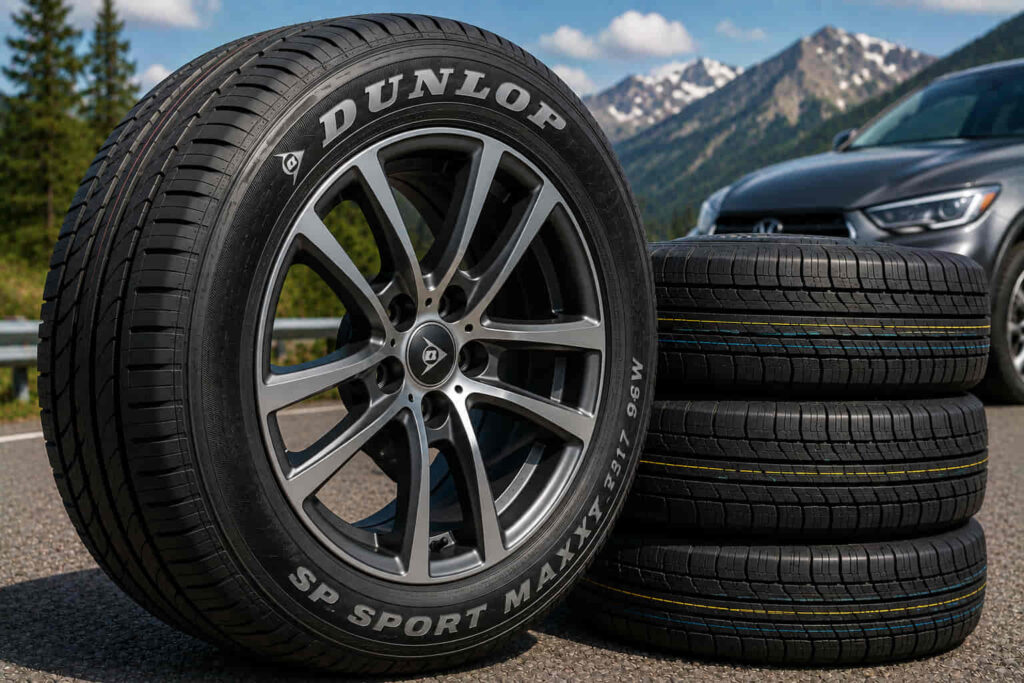
Dunlop tires can be a good choice for drivers who value performance, handling stability, and a long-established tire brand with a strong history in tire development. The brand has built its reputation through decades of innovation, motorsport involvement, and the production of tires designed for passenger vehicles, SUVs, and performance-focused applications.
Dunlop Tires occupies a unique position in the global tire market because it combines traditional brand recognition with a strong focus on driving performance. The company has been associated with technologies developed for improved grip, vehicle control, and road stability, making Dunlop a popular option among drivers who want more than basic transportation capability.
The main appeal of Dunlop tires comes from their balance between performance and everyday usability. Many drivers choose Dunlop because they want responsive handling, dependable traction, and a trusted tire brand without necessarily moving into the highest-priced premium categories. The brand offers different tire categories, including touring tires, performance tires, SUV tires, and specialty products.
However, Dunlop should be evaluated based on the specific tire model and intended use. A performance tire designed for sporty driving will have different characteristics compared with a touring tire focused on comfort and longevity. Understanding these differences helps drivers select the right Dunlop tire for their vehicle and driving conditions.
This guide explains Dunlop tire quality, performance, durability, vehicle applications, advantages, limitations, and whether Dunlop Tires are worth buying for different types of drivers.
What Is Dunlop Tire Known For?
Dunlop Tires is known for its long history in tire development, performance-focused engineering, and ability to produce tires that balance handling, traction, and everyday usability. The brand has established a strong identity among drivers who value responsive driving characteristics and reliable road performance.
Dunlop has been involved in the tire industry for more than a century and has developed a reputation through innovation in areas such as tire construction, tread design, and motorsport applications. This experience has helped the brand build recognition among performance-oriented drivers who look for tires that provide confidence during cornering, braking, and high-speed driving.
The brand offers a wide range of products designed for different vehicle categories. Touring tires focus on comfortable daily driving and long-distance use, while performance-focused products such as the Sport Maxx and Direzza lines are designed around handling response and road grip. SUV-focused products such as the Grandtrek series address the needs of larger vehicles that require stability and durability.
Dunlop’s connection with performance driving is one of its major brand characteristics. Motorsport experience has influenced the development of some Dunlop products by focusing on factors such as steering response, traction control, and vehicle stability. However, the benefit of this technology depends on the specific tire model selected.
For example, a driver with a sport sedan may choose a Dunlop performance tire because of its handling characteristics, while a family vehicle owner may prefer a Dunlop touring tire that prioritizes comfort, quiet operation, and consistent everyday performance.
How Does Dunlop Tire Performance Compare?
Dunlop tire performance is generally recognized for strong handling characteristics, dependable traction, and responsive steering, especially in performance-oriented tire categories. The brand’s focus on driving dynamics makes it appealing to drivers who want better vehicle control and road feedback.
Dry traction is one of Dunlop’s strongest performance areas. Many Dunlop performance tires use tread designs and rubber compounds developed to maintain grip during acceleration, braking, and cornering. This makes them suitable for drivers who value precise handling and confident road contact.
Wet traction varies depending on the tire model and category. Dunlop develops tread patterns that help move water away from the contact surface, improving stability during rainy conditions. Touring and all-season models are designed for balanced everyday performance, while specialized performance tires may prioritize dry handling characteristics.
Steering response is another area where Dunlop often performs well. Performance-focused models are designed to provide quicker feedback between the driver and the road, which can improve confidence during cornering and highway driving. This characteristic is especially valuable for sports cars and enthusiast vehicles.
Ride comfort and road noise depend on the purpose of the tire. Touring-focused Dunlop tires generally emphasize smoother operation, while high-performance models may produce more road feedback because they use firmer constructions designed for handling.
For example, a Mazda MX-5 or BMW 3 Series owner looking for sharper handling may appreciate Dunlop’s performance characteristics, while a driver of a luxury sedan seeking maximum quietness and softness may prefer a comfort-focused touring tire.
Read more: Are GT Radial Tires Good
How Long Do Dunlop Tires Last?
Dunlop tires can provide strong tread life when they are properly selected, maintained, and used according to their intended driving purpose. The actual lifespan of Dunlop tires depends on several factors, including the specific model, tire category, vehicle weight, driving style, road conditions, and maintenance habits.
Dunlop offers different tire categories with different durability priorities. Touring tires are generally designed to provide consistent wear, comfortable daily driving, and reliable mileage for commuters. Performance tires, such as those developed for sporty vehicles, often prioritize grip and handling response, which can create a trade-off between maximum traction and long tread life.
Proper maintenance has a major impact on Dunlop tire durability. Maintaining correct tire pressure helps the tread wear evenly and reduces unnecessary stress on the tire structure. Regular tire rotation allows wear to be distributed more consistently, while wheel alignment helps prevent uneven tread patterns caused by incorrect tire positioning.
Driving behavior is another important factor. A tire used mainly for highway commuting will usually experience different wear compared with one used for aggressive acceleration, high-speed cornering, or performance driving. Dunlop performance tires are designed to handle demanding driving situations, but their lifespan depends heavily on how they are used.
Dunlop’s durability value comes from combining advanced tire engineering with different product categories for different needs. Drivers who choose the correct Dunlop tire for their vehicle and maintain it properly can achieve reliable service life.
For example, a Toyota Camry owner using Dunlop touring tires for daily commuting may experience long-lasting performance and comfort, while a sports car owner using high-performance Dunlop tires for aggressive driving may prioritize grip over maximum mileage.
Are Dunlop Tires Good for Sports Cars and SUVs?
Dunlop tires can be a strong option for sports cars, performance vehicles, SUVs, and crossovers when drivers choose a model designed for their specific application. The brand’s history in performance engineering makes it especially recognized among drivers who value handling, stability, and road feedback.
Sports car owners often look for tires that provide strong cornering ability, predictable steering response, and reliable traction during dynamic driving. Dunlop’s performance tire lines are developed around these characteristics, making them suitable for drivers who want a more engaging driving experience.
For performance sedans and coupes, Dunlop tires can enhance the connection between the vehicle and the road. Features such as responsive tread design and performance-oriented construction help improve control during cornering and braking. This makes Dunlop popular among drivers who enjoy spirited driving while still using their vehicles on normal roads.
SUV and crossover applications require a different balance. Larger vehicles need tires that provide stability, comfort, durability, and appropriate load capability. Dunlop’s Grandtrek line, for example, is designed for SUV owners who need dependable highway performance and everyday versatility.
However, Dunlop is not always the best choice for every SUV driver. Owners who frequently drive in severe off-road conditions, carry heavy loads, or require specialized winter capability may need tires designed specifically for those environments.
For example, a Porsche Macan owner seeking improved handling may benefit from Dunlop performance tires, while a family SUV owner mainly focused on comfort and long highway trips may prefer a touring-oriented Dunlop model.
What Are the Advantages of Dunlop Tires?
The main advantages of Dunlop tires are strong brand heritage, performance-focused engineering, reliable handling characteristics, and a wide product range for different vehicle applications. The brand creates value by combining decades of tire development experience with products designed for drivers who prioritize control, stability, and driving confidence.
One of Dunlop’s biggest advantages is its long history in the tire industry. The brand has been associated with tire innovation and motorsport development, which has helped establish its reputation among performance-oriented drivers. This background supports Dunlop’s focus on technologies related to grip, steering response, and vehicle stability.
Another advantage is performance capability. Dunlop offers tires designed for different driving priorities, from comfortable touring products to high-performance models. Drivers who value cornering ability, road feedback, and handling precision often consider Dunlop because the brand has developed products around these characteristics.
Dunlop also benefits from product diversity. The brand provides options for passenger cars, sports cars, SUVs, and other vehicle categories. This allows drivers to choose tires based on their specific needs rather than relying on a single product category.
The brand’s strongest value comes from its ability to provide a balance between everyday usability and performance characteristics. Drivers who want more responsive handling than basic economy tires provide may find Dunlop offers a meaningful upgrade while maintaining reliability for normal road use.
For example, a performance sedan owner looking for improved cornering confidence may choose Dunlop Sport Maxx tires, while an SUV owner who prioritizes comfort and stability may select a Dunlop Grandtrek model designed for everyday driving.
What Are the Limitations of Dunlop Tires?
The main limitations of Dunlop tires are higher pricing compared with many value brands, differences in performance between tire models, and limited benefits for drivers who only need basic transportation tires. These factors are important because Dunlop’s strengths are focused on performance and engineering rather than competing as a low-cost tire option.
One limitation is cost. Dunlop tires are generally positioned above many budget tire brands, meaning drivers looking only for the lowest purchase price may find less expensive alternatives. The additional cost reflects factors such as brand reputation, engineering development, and performance characteristics.
Another limitation is that not every Dunlop tire provides the same driving experience. A performance tire, touring tire, and SUV tire are designed with different priorities. Buyers need to select the correct model because choosing a tire based only on the brand name may not match their actual driving requirements.
Dunlop may also provide limited advantages for drivers with simple commuting needs. A driver who mainly travels short distances in normal conditions may not fully benefit from advanced performance features designed for improved handling and road control.
In certain conditions, specialized tire categories may also be more suitable. Drivers who frequently experience severe winter weather, extreme off-road conditions, or heavy commercial usage may need tires specifically engineered for those environments.
For example, a commuter driving a compact sedan may not need a high-performance Dunlop tire, while a sports car owner who values steering response and cornering performance may consider the additional investment worthwhile.
Dunlop Tires vs Other Premium Brands: Are They a Good Value?
Dunlop tires provide good value for drivers who prioritize handling performance, brand reputation, and engineering quality, but their value depends on how they compare with other premium tire manufacturers based on specific needs. The brand competes through performance characteristics rather than focusing only on price.
Compared with premium brands such as Michelin, Bridgestone, and Continental, Dunlop offers a strong reputation in performance-oriented applications. Premium competitors may have advantages in certain areas such as maximum comfort, noise reduction, fuel efficiency, or specialized all-weather technology, depending on the specific model.
Compared with brands such as Goodyear, Pirelli, Yokohama, and Falken, Dunlop competes in similar areas where driving performance, handling, and vehicle control are important factors. The best choice often depends on the exact tire model rather than the brand name alone.
Dunlop’s advantage is its connection with performance driving and its ability to produce tires that appeal to enthusiasts. Drivers who value steering feedback and road feel may appreciate characteristics that are less important to buyers focused only on affordability.
However, premium tire selection should always consider the vehicle and driving conditions. A touring tire buyer has different priorities from someone selecting a performance tire for a sports car.
For example, a driver comparing Dunlop Sport Maxx with other premium performance tires may focus on handling and grip, while a family vehicle owner comparing touring tires may prioritize comfort, tread life, and overall ownership cost.
Are Dunlop Tires Worth Buying?
Dunlop tires are worth buying for drivers who value strong handling performance, brand reliability, and proven tire engineering from a manufacturer with a long history in the industry. The brand provides a wide range of options for passenger vehicles, SUVs, and performance-focused applications, allowing drivers to select tires based on their specific driving needs.
The biggest strength of Dunlop Tires is its focus on driving performance. Through decades of development and experience in performance applications, Dunlop has built a reputation for producing tires that deliver responsive steering, dependable traction, and stable road control. These characteristics make the brand appealing to drivers who want more confidence behind the wheel.
However, Dunlop is not the ideal choice for every driver. Customers who prioritize the lowest possible purchase price may find more affordable options from value-focused tire brands. Drivers who only need basic transportation tires may also not benefit fully from Dunlop’s performance-oriented engineering and technology.
The right choice depends on the vehicle, driving style, and expected tire performance. Sports car owners, performance sedan drivers, and SUV owners who value handling and stability may find Dunlop provides strong value, while budget-focused commuters may prefer simpler alternatives.
Overall, Dunlop Tires is a reliable choice in the premium and performance tire market. Its combination of brand heritage, engineering experience, product variety, and driving performance makes it a worthwhile option for drivers who want more than basic tire functionality and are willing to invest in long-term driving confidence.