Many truck buyers ask one important question before purchasing a high performance pickup. Are Ford Raptors reliable for long term ownership?
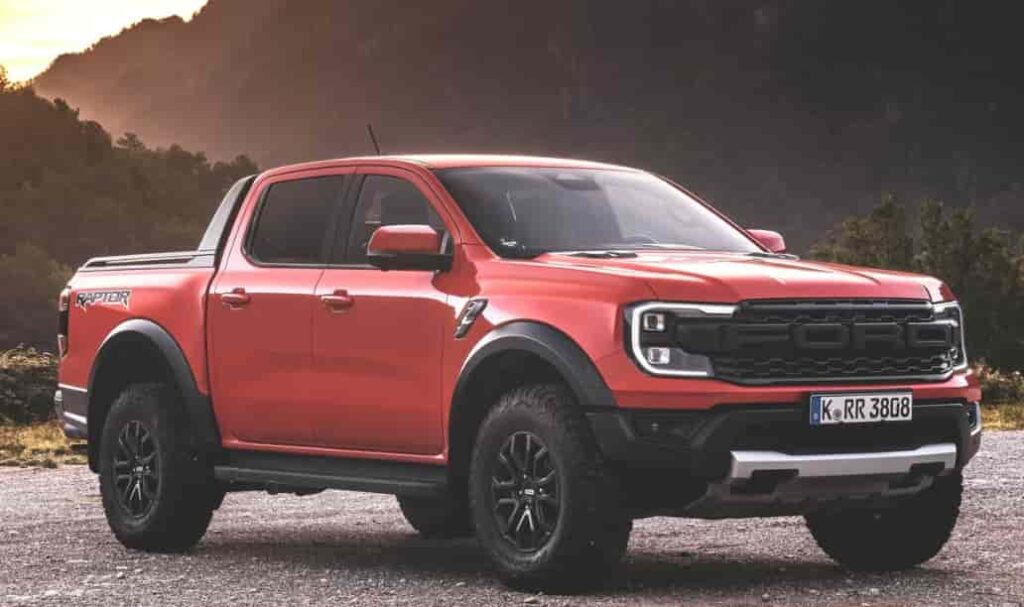
The Ford Raptor stands out as one of the most popular off road trucks in the world. It combines powerful engines, advanced suspension systems, and aggressive off road capability. These features make it a favorite among drivers who want both performance and durability.
However, performance trucks often raise concerns about reliability. Some buyers worry about high maintenance costs, complex components, and potential mechanical problems over time. A truck may perform well on rough terrain, but long term durability matters even more for daily drivers.
Ford designed the Raptor to handle extreme environments such as desert trails, rocky terrain, and high speed off road driving. This engineering focus creates a key question for potential buyers. Can the Ford Raptor remain reliable after years of heavy use?
This guide explores the reliability of Ford Raptors from multiple angles. It examines long term durability, common mechanical issues, maintenance costs, and real owner experiences. By understanding these factors, you can decide whether the Ford Raptor is a dependable truck for both daily driving and serious off road adventures.
Contents
Ford Raptor Reliability Overview
The Ford Raptor has earned a strong reputation in the performance truck market. Many drivers consider it one of the most capable off road pickups available today. However, reliability remains a key concern for buyers who plan to keep their truck for many years.
Ford built the Raptor on the foundation of the F150 platform, which already has a long history of durability. Engineers then enhanced the truck with stronger suspension components, high performance shock absorbers, and a powerful EcoBoost engine. These upgrades allow the Raptor to handle extreme driving conditions while maintaining structural strength.
Most reliability ratings place the Ford Raptor in the average to above average range for performance trucks. Owners often report that the truck performs well under demanding conditions when they follow proper maintenance schedules. Regular servicing plays an important role because high performance vehicles experience more stress than standard pickup trucks.
Another factor that affects reliability is how drivers use the truck. Some owners use the Raptor mainly for daily commuting and highway driving. Others push the vehicle through harsh off road environments such as sand dunes, desert trails, and rocky terrain. Heavy off road use naturally increases wear on suspension components, tires, and drivetrain parts.
Despite these demanding conditions, many Raptors continue to perform reliably for years. The strong frame design, advanced suspension system, and durable drivetrain help the truck withstand extreme use. When owners maintain the vehicle properly, the Ford Raptor can deliver dependable performance both on the road and off the pavement.
Overall, the Raptor combines performance engineering with the durability expected from a full size pickup. This balance explains why many enthusiasts trust the truck for both adventure driving and everyday transportation.
How Long Do Ford Raptors Last
Many potential buyers want to know how long a Ford Raptor can last before major repairs become necessary. Longevity plays an important role in determining whether a performance truck offers good long term value.
Most well maintained Ford Raptors can easily reach between 150000 and 200000 miles. Some owners even report higher mileage when they follow strict maintenance schedules. Routine oil changes, proper engine care, and regular inspection of suspension components help extend the truck’s lifespan.
The EcoBoost engine used in modern Raptors provides strong performance while maintaining solid durability. This twin turbocharged engine delivers high power output but still supports long term reliability when drivers maintain it correctly. Regular servicing of the turbo system and cooling components helps prevent premature wear.
Transmission durability also contributes to the overall lifespan of the truck. Newer Raptors use a modern automatic transmission that provides smooth shifting and strong performance under load. When drivers maintain transmission fluid and avoid excessive stress, the system can operate reliably for many years.
Suspension components represent another important factor. The Raptor uses advanced off road suspension with high quality shock absorbers designed for extreme terrain. These components handle significant impacts during off road driving. However, aggressive driving can increase wear over time. Owners who frequently drive off road may need to replace certain suspension parts earlier than daily drivers.
Driving habits also influence how long the truck lasts. Gentle driving, regular maintenance, and careful inspection help extend vehicle life. On the other hand, repeated high speed off road driving can accelerate wear on key components.
In general, the Ford Raptor offers impressive longevity for a performance oriented truck. With proper care and responsible driving habits, many Raptors remain reliable well beyond 150000 miles.
Common Ford Raptor Problems
Like any high performance vehicle, the Ford Raptor can experience certain mechanical issues over time. Most problems do not affect every truck, but buyers should understand the most commonly reported concerns before making a purchase.
One issue that appears in some EcoBoost engines involves cam phaser noise. Owners sometimes notice a rattling sound during cold starts. This issue became more common in certain model years that use the twin turbocharged engine. Ford has addressed the problem in many cases through updated parts and service repairs.
Transmission behavior has also raised questions among some owners. Certain drivers report rough shifting or delayed gear changes, especially in earlier versions of the ten speed automatic transmission. Software updates and proper maintenance often improve transmission performance and reduce these symptoms.
Suspension wear represents another area that deserves attention. The Ford Raptor uses a specialized off road suspension designed for high impact driving. These components perform extremely well in demanding environments. However, aggressive off road driving can increase wear on shock absorbers, control arms, and bushings. Drivers who regularly tackle rough terrain may need to replace suspension parts earlier than typical pickup owners.
Fuel consumption also appears in many discussions about Raptor ownership. The powerful EcoBoost engine provides strong acceleration and impressive towing capability. At the same time, this performance often leads to higher fuel usage compared with standard pickup trucks. While this factor does not affect mechanical reliability, it can influence long term ownership costs.
Despite these issues, most Ford Raptor owners report positive reliability experiences. Many problems occur only in specific model years or under extreme driving conditions. Proper maintenance and responsible driving habits significantly reduce the risk of major mechanical failures.
Ford Raptor Maintenance Cost
Maintenance cost plays a major role in determining whether a truck remains practical for long term ownership. Performance vehicles often require more attention than standard pickups, and the Ford Raptor follows this pattern.
On average, Ford Raptor owners spend between 800 and 1200 dollars per year on routine maintenance. This estimate includes oil changes, brake service, tire rotations, and basic inspections. Costs can increase depending on driving habits and mileage.
Tires represent one of the most noticeable expenses for Raptor owners. The truck uses large all terrain or off road tires that provide excellent traction on challenging surfaces. These tires deliver impressive performance but also wear faster than standard highway tires. Replacement costs can range from several hundred to over one thousand dollars depending on the brand and size.
Suspension maintenance also contributes to overall ownership cost. The advanced shock absorbers and suspension components allow the truck to handle difficult terrain with confidence. Over time, aggressive off road driving may require replacement of certain parts. Drivers who use the Raptor mainly on paved roads usually experience slower suspension wear.
Fuel costs also influence the total expense of owning a Raptor. The powerful engine delivers strong acceleration and off road capability. However, fuel economy typically falls between 15 and 18 miles per gallon depending on driving conditions. Owners who drive frequently may notice higher fuel spending compared with smaller trucks.
Although maintenance costs exceed those of some standard pickup trucks, many owners consider the expense reasonable for a high performance off road vehicle. When drivers follow the recommended service schedule, the Ford Raptor often remains dependable while delivering the performance that made it famous.
Ford Raptor Reliability by Model Year
Reliability can vary depending on the model year of the Ford Raptor. Each generation introduced new technology, engine updates, and suspension improvements. Understanding these differences helps buyers choose the most dependable version of the truck.
The first generation Raptor appeared between 2010 and 2014. These models used a naturally aspirated V8 engine and a simpler mechanical design. Many owners appreciate this generation for its durability and strong engine performance. The V8 engine produced solid power and proved reliable when drivers maintained it properly. Because the design relied less on complex turbo systems, some drivers consider these early Raptors easier to maintain over the long term.
The second generation Raptor arrived in 2017 and continued through 2020. Ford introduced the high output EcoBoost twin turbo engine during this generation. This change improved fuel efficiency and increased power output. The truck also received major upgrades in suspension technology and weight reduction. Most second generation Raptors perform reliably, although some early models experienced issues related to cam phasers and transmission behavior. Ford improved many of these components in later production years.
The third generation Raptor launched in 2021 and continues today. This version features updated suspension systems, improved interior technology, and refined engine performance. Reliability reports so far remain positive, although the vehicles are still relatively new compared with earlier generations. Continued maintenance and long term ownership data will reveal more about their durability over time.
In general, many experts recommend later second generation models and newer third generation trucks for buyers who want modern technology with improved reliability.
Real Owner Experience With Ford Raptor
Owner feedback provides valuable insight into the real world reliability of the Ford Raptor. While official ratings offer useful data, long term driver experiences often reveal how the truck performs in everyday situations.
Many Raptor owners praise the truck for its durability and strong performance. Drivers who use the vehicle for daily commuting often report smooth operation and dependable engine performance. The truck handles highway driving comfortably while still providing the capability needed for weekend adventures.
Off road enthusiasts also share positive experiences with the Raptor. The specialized suspension system absorbs large impacts and maintains control on rough terrain. Owners who explore desert trails, sand dunes, and rocky paths often highlight the confidence the truck provides during challenging drives.
Long term owners frequently mention that consistent maintenance plays a major role in reliability. Regular oil changes, proper tire care, and routine inspections help keep the truck running smoothly. Drivers who follow the recommended service schedule usually report fewer mechanical issues over time.
Some owners also acknowledge the higher ownership cost associated with performance trucks. Fuel consumption and tire replacement can increase overall expenses. However, many drivers believe the performance and driving experience justify these costs.
Overall, real owner feedback suggests that the Ford Raptor delivers reliable performance when drivers maintain it properly and use it responsibly.
Is a Used Ford Raptor a Reliable Purchase
Buying a used Ford Raptor can offer excellent value, especially for drivers who want high performance without paying the price of a new truck. However, buyers should evaluate several factors before making a purchase.
Vehicle history plays an important role in determining reliability. Buyers should review maintenance records to confirm that the previous owner followed recommended service schedules. A well maintained truck usually performs better and lasts longer than one that received minimal care.
Mileage also provides valuable information about the condition of the vehicle. Many Raptors remain reliable well beyond 100000 miles, but buyers should carefully inspect higher mileage trucks. Key components such as suspension parts, brakes, and tires may require replacement depending on previous driving conditions.
Off road use represents another factor to consider. The Raptor was built for extreme terrain, but heavy off road driving can increase wear on certain components. A professional inspection can help identify potential issues before completing the purchase.
Buyers should also test drive the vehicle and listen for unusual engine sounds or transmission behavior. Smooth acceleration and stable handling usually indicate a well maintained truck.
With careful inspection and proper maintenance history, a used Ford Raptor can remain a reliable and exciting truck for many years.
Final Verdict: Are Ford Raptors Reliable
The Ford Raptor stands as one of the most capable performance trucks available today. Its powerful engine, advanced suspension system, and durable frame allow it to handle challenging environments that would overwhelm many standard pickups.
Reliability depends on several factors including maintenance habits, driving style, and model year. Most owners report that the truck performs reliably when they follow regular service schedules and treat the vehicle responsibly. Proper care helps extend the lifespan of the engine, transmission, and suspension components.
Potential buyers should also understand that performance trucks often come with higher operating costs. Fuel consumption, tire replacement, and specialized components may increase long term expenses. However, many drivers consider these costs reasonable given the level of performance and capability the Raptor provides.
For drivers who want a truck that combines everyday usability with serious off road power, the Ford Raptor remains a strong option. When maintained properly, it can deliver many years of dependable performance.
If you are considering this truck, the key question becomes simple. Does the Ford Raptor match your driving needs and ownership expectations?