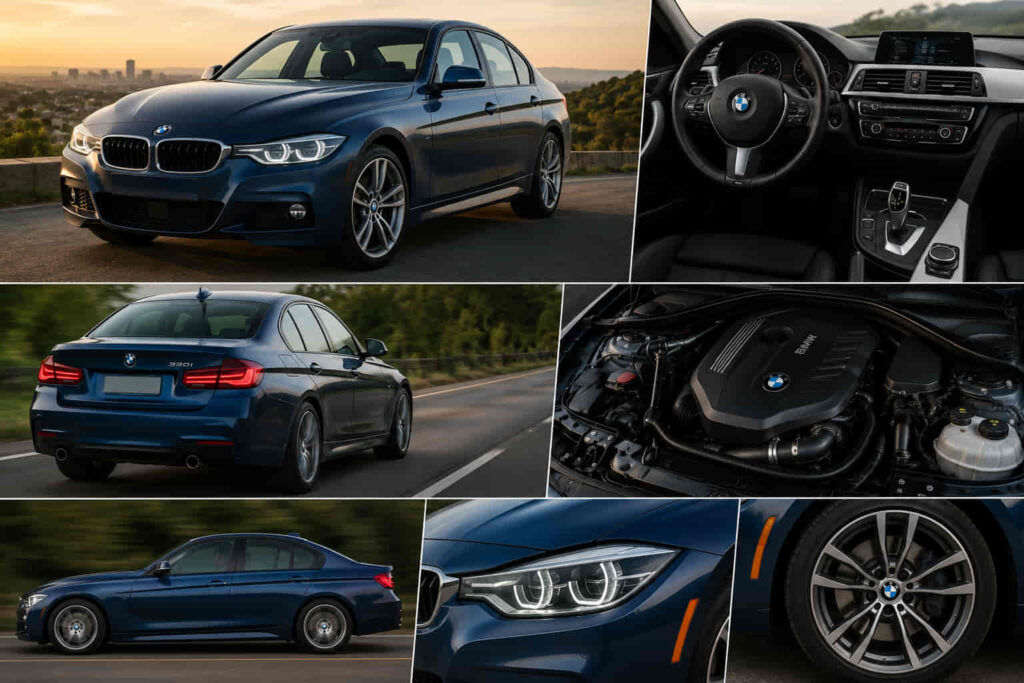
BMW 3 Series is generally considered a reliable luxury sedan when it is properly maintained, but its long-term dependability depends on the generation, engine choice, maintenance history, and ownership habits. As one of BMW’s most important models, the 3 Series has built a reputation for combining sporty handling, advanced engineering, and everyday practicality.
The reliability of a BMW 3 Series cannot be judged only by the BMW brand because different generations use different engines, technologies, and mechanical designs. Older models with simpler systems may have different ownership characteristics compared with newer versions that use turbocharged engines, advanced electronics, and more complex drivetrain components.
Modern BMW 3 Series models have benefited from improvements in engine design, transmission technology, cooling systems, and manufacturing quality. Engines such as the B48 four-cylinder and B58 inline-six have developed strong reputations among BMW enthusiasts because of their efficiency, performance, and durability when maintained correctly.
However, like any luxury vehicle, BMW 3 Series ownership requires proper maintenance. Neglecting oil changes, ignoring warning signs, or purchasing a poorly maintained used vehicle can lead to expensive repairs regardless of the model year.
Understanding BMW 3 Series reliability requires looking at several factors, including engine durability, common problems, maintenance costs, lifespan expectations, and which model years provide the best ownership experience.
This guide explains whether BMW 3 Series models are reliable, which engines perform best, the problems owners should know, and how to choose a dependable BMW 3 Series for long-term ownership.
What Makes the BMW 3 Series Reliable?
The BMW 3 Series is reliable because of its strong engineering foundation, well-developed drivetrain systems, durable chassis design, and continuous improvements across generations. Although BMW vehicles require more maintenance than many mainstream brands, the 3 Series benefits from decades of development focused on performance and long-term driving quality.
One of the biggest factors affecting BMW 3 Series reliability is engine development. BMW has continuously improved its engines by increasing efficiency, strengthening internal components, and improving thermal management. Modern engines such as the B48 and B58 use updated designs that address many weaknesses found in some earlier BMW powertrains.
The transmission system also contributes to the reliability of newer BMW 3 Series models. Many generations use ZF automatic transmissions that are known for smooth operation and strong durability when properly maintained. Regular fluid service and correct driving habits help these transmissions perform consistently over long periods.
The chassis and suspension design of the BMW 3 Series also support long-term durability. The vehicle is engineered for both performance and daily use, which means components are designed to handle different driving conditions. However, suspension parts such as control arms, bushings, and shocks naturally wear over time and require replacement as mileage increases.
Technology improvements have also influenced reliability. Newer generations include better manufacturing processes, improved electronics, and more advanced diagnostic systems. These improvements allow problems to be detected earlier and help technicians identify faults more accurately.
However, reliability depends heavily on ownership history. A BMW 3 Series with complete maintenance records and regular servicing can provide a very different ownership experience compared with a neglected vehicle.
For example, a well-maintained BMW 340i with the B58 engine can deliver strong performance and long-term durability, while a poorly maintained older model may experience frequent repair issues regardless of its original engineering quality.
Which BMW 3 Series Engines Are the Most Reliable?
The most reliable BMW 3 Series engines are generally considered to be the newer B48 and B58 engines, along with well-maintained versions of proven inline-six engines such as the N55. Engine reliability varies significantly between generations because BMW has used many different powertrains throughout the history of the 3 Series.
The BMW B48 engine is widely used in newer 3 Series models such as the BMW 320i and 330i. This turbocharged four-cylinder engine replaced the earlier N20 and introduced improvements in durability, efficiency, and thermal management. With proper oil changes and maintenance, the B48 has developed a strong reputation for dependable daily use.
The BMW B58 engine is one of the most respected modern BMW engines and is found in models such as the BMW 340i and M340i. Its closed-deck design, improved cooling system, and strong internal construction contribute to its reputation for reliability and performance. The B58 is also known for handling increased power levels through tuning when supporting components are properly maintained.
The N55 engine, used in some earlier BMW 335i and related models, is another engine with a positive reputation. It improved upon the earlier N54 by simplifying certain systems and improving everyday reliability while maintaining strong turbocharged performance.
Earlier engines such as the N20 require more careful evaluation because certain model years had known concerns, including timing chain-related issues. This does not mean every N20-powered vehicle is unreliable, but maintenance records and inspection history become especially important.
Choosing the right engine is one of the most important factors when buying a used BMW 3 Series. A vehicle with a reliable engine platform and documented service history generally provides a lower-risk ownership experience.
For example, buyers looking for long-term reliability often consider the BMW 330i with the B48 engine or the BMW 340i/M340i with the B58 engine because these powertrains combine modern technology with strong durability.
Read more: BMW M4 Modifications
What Are Common BMW 3 Series Problems?
Common BMW 3 Series problems are usually related to aging components, maintenance neglect, cooling systems, oil leaks, electrical components, and wear-related repairs rather than fundamental design failures. Understanding these issues helps owners identify potential problems early and avoid expensive repairs.
Oil leaks are among the most common concerns on many BMW 3 Series models, especially as vehicles accumulate higher mileage. Engine components such as valve cover gaskets and oil filter housing gaskets can deteriorate over time due to heat cycles and material aging. These leaks may start as minor issues but can create larger problems if oil reaches sensitive components or if the engine operates with insufficient oil levels.
Cooling system components are another important reliability factor. BMW engines operate with precise temperature management, and components such as water pumps, thermostats, expansion tanks, and hoses can wear over time. A cooling system failure can become serious if it causes engine overheating.
Turbocharged engines introduce additional components that require attention. Turbochargers themselves are generally durable when maintained correctly, but supporting systems such as charge pipes, cooling components, and oil supply systems may require inspection as mileage increases.
Electrical issues can also appear as BMW 3 Series vehicles age. Modern BMW models use many electronic control modules, sensors, and communication systems. Problems with batteries, sensors, or software can create warning messages or unexpected system behavior.
Suspension wear is another normal ownership consideration. Components such as bushings, control arms, and shocks experience continuous stress from driving conditions. Replacing worn suspension parts can restore the original handling characteristics of the vehicle.
These problems do not mean BMW 3 Series models are unreliable. They reflect the reality of owning a performance-oriented luxury vehicle with advanced engineering. Proper maintenance and early diagnosis significantly reduce the risk of major repairs.
For example, replacing a leaking gasket early may prevent oil-related damage, while ignoring warning signs can lead to more expensive repairs involving additional components.
Which BMW 3 Series Years Are the Most Reliable?
The most reliable BMW 3 Series years are generally associated with generations that use improved engines, refined electronics, and better manufacturing processes, especially later F30 and G20 models. However, reliability depends on the specific engine, maintenance history, and condition of each vehicle.
The BMW G20 generation, introduced in 2019, is considered one of the strongest modern 3 Series platforms because it benefits from newer engineering, improved interior technology, and reliable engine options such as the B48 and B58. Models like the BMW 330i and M340i provide strong performance while maintaining good everyday usability.
The later F30 generation is also a popular choice among used BMW buyers. Models equipped with the B48 engine, such as later BMW 330i variants, improved upon earlier turbocharged four-cylinder designs. The BMW 340i with the B58 engine is especially valued because of its combination of performance and durability.
Earlier generations can also provide reliable ownership when properly selected. The E46 generation is respected for its driving experience and mechanical simplicity, although age-related repairs are now an important consideration. Older vehicles often require more attention because rubber components, cooling parts, and suspension components naturally deteriorate over time.
The E90 generation offers excellent driving dynamics but requires careful evaluation because reliability varies significantly between engine options and maintenance histories. Some engines have stronger reputations than others, making a detailed inspection important before purchase.
When choosing a used BMW 3 Series, the model year alone does not determine reliability. A newer vehicle with poor maintenance history may be less dependable than an older vehicle that has received consistent professional care.
For example, a well-maintained BMW 340i from the F30 generation may provide a more reliable ownership experience than a newer vehicle with incomplete service records.
How Much Does BMW 3 Series Maintenance Cost?
BMW 3 Series maintenance costs are higher than mainstream vehicles because the car uses premium components, advanced engineering, and specialized service requirements. However, regular maintenance is one of the most important factors in keeping a BMW 3 Series reliable.
Routine maintenance typically includes oil changes, brake service, fluid replacement, filters, and inspections. These services cost more than average vehicles because BMW parts and labor are generally positioned within the luxury vehicle segment.
Repair costs depend heavily on the vehicle’s age, mileage, and condition. A newer BMW 3 Series with a reliable engine platform may require mostly scheduled maintenance, while an older vehicle may need additional repairs related to aging components.
The cost of ownership is also influenced by how the vehicle is maintained. Preventive maintenance can reduce the likelihood of major failures by identifying problems before they become severe. For example, replacing a worn cooling system component early is usually less expensive than repairing engine damage caused by overheating.
Parts availability and repair location also affect ownership expenses. BMW specialists often provide valuable expertise because they understand common issues associated with specific models and engines.
Owners who follow recommended service intervals, use quality fluids, and address warning signs quickly generally experience fewer unexpected repair costs.
For example, a BMW 3 Series owner who maintains oil quality, monitors cooling system performance, and keeps complete service records can significantly improve long-term reliability compared with an owner who delays routine maintenance.
How Long Can a BMW 3 Series Last?
A BMW 3 Series can last for many years and high mileage when it receives proper maintenance, timely repairs, and responsible driving habits. The lifespan of a BMW 3 Series depends less on the badge itself and more on how well the vehicle has been maintained throughout its ownership history.
Modern BMW 3 Series models with well-maintained engines such as the B48 and B58 can achieve high mileage while maintaining strong performance. These engines benefit from improved materials, better thermal management, and more efficient designs compared with some earlier BMW powertrains.
Mileage alone does not determine whether a BMW 3 Series is reliable. A vehicle with higher mileage and complete service records may be a better purchase than a lower-mileage example that has been neglected. Maintenance history provides important information about whether critical systems have received proper care.
Several factors influence long-term BMW 3 Series durability. Regular oil changes protect engine components, cooling system maintenance prevents overheating problems, and timely replacement of worn parts prevents secondary damage.
Driving habits also affect vehicle lifespan. Aggressive driving, frequent short trips, and delayed maintenance can increase wear on engine components, transmissions, and suspension systems.
A BMW 3 Series that receives preventive maintenance can remain enjoyable and dependable for many years. The vehicle’s engineering provides a strong foundation, but reliability depends on the owner’s commitment to proper care.
For example, a BMW M340i with the B58 engine and complete maintenance records may continue providing strong performance at high mileage, while a neglected vehicle with fewer miles may require expensive repairs.
Are Used BMW 3 Series Reliable to Buy?
Used BMW 3 Series models can be reliable purchases when buyers select the right generation, verify maintenance history, and complete a professional inspection before buying. The biggest factor in used BMW reliability is often the condition of the individual vehicle rather than the model name alone.
A complete service history is one of the most important indicators of a reliable used BMW 3 Series. Records showing regular oil changes, scheduled maintenance, and previous repairs provide insight into how the vehicle was treated by previous owners.
A pre-purchase inspection is also important because BMW vehicles contain complex mechanical and electronic systems that may not show obvious problems during a short test drive. A qualified technician can identify leaks, suspension wear, cooling system issues, and diagnostic faults before purchase.
The choice of engine and generation also affects ownership experience. Models equipped with engines such as the B48 and B58 are often preferred by buyers looking for a balance between performance and reliability. Earlier models require more careful research because reliability varies more significantly between engine options.
Buyers should also consider ownership costs beyond the purchase price. A lower-priced BMW 3 Series may require more immediate repairs if maintenance has been ignored, while a properly maintained example may provide better long-term value.
For example, purchasing a BMW 330i or 340i with documented maintenance history is usually a safer choice than selecting a neglected vehicle with unknown service records.
How Can You Make a BMW 3 Series More Reliable?
Making a BMW 3 Series more reliable requires consistent preventive maintenance, early problem detection, and attention to components that commonly wear over time. BMW vehicles reward proper maintenance because many potential problems can be reduced before they become major failures.
Regular oil changes are one of the most important reliability practices. Turbocharged BMW engines depend on clean, high-quality oil to protect internal components and maintain proper turbocharger operation.
Cooling system maintenance is also critical because BMW engines operate within precise temperature ranges. Inspecting components such as water pumps, thermostats, hoses, and coolant reservoirs helps prevent overheating-related damage.
Addressing small warning signs early improves long-term reliability. Oil leaks, unusual noises, dashboard warnings, and changes in driving behavior should be investigated rather than ignored because minor issues can develop into more expensive repairs.
Using quality replacement parts and experienced BMW technicians can also improve ownership results. Proper diagnosis prevents unnecessary repairs and ensures that replacement components meet the vehicle’s engineering requirements.
Keeping complete service records adds value and helps maintain a clear maintenance schedule. It also benefits future owners if the vehicle is sold later.
A reliable BMW 3 Series is created through the combination of strong engineering and responsible ownership. The vehicle platform has the capability to provide long-term performance, but maintenance decisions determine whether that potential is achieved.
For example, a BMW 3 Series owner who follows maintenance intervals, monitors fluid conditions, and repairs issues early can significantly reduce unexpected repair risks.