Few things are more frustrating than turning on your Honda Civic AC on a hot day and feeling warm air from the vents. A reliable air conditioning system keeps every drive comfortable, especially during summer and long journeys.
Many Honda Civic owners face cooling problems after years of use. The issue can appear suddenly or develop slowly over time. Some drivers notice weak airflow, while others only feel warm air instead of cold air.
The problem known as Honda Civic AC Not Blowing Cold can happen for several reasons. A low refrigerant level, damaged AC compressor, clogged cabin air filter, or electrical failure may affect cooling performance. Each problem requires a different solution.
Finding the correct cause is important before replacing expensive components. A simple inspection can sometimes solve the issue without major repairs. However, ignoring early warning signs may lead to more serious AC system damage.
This guide explains the common causes, symptoms, fixes, and repair costs related to Honda Civic AC problems. You will learn how to identify the issue, check possible solutions, and understand when professional repair becomes necessary.
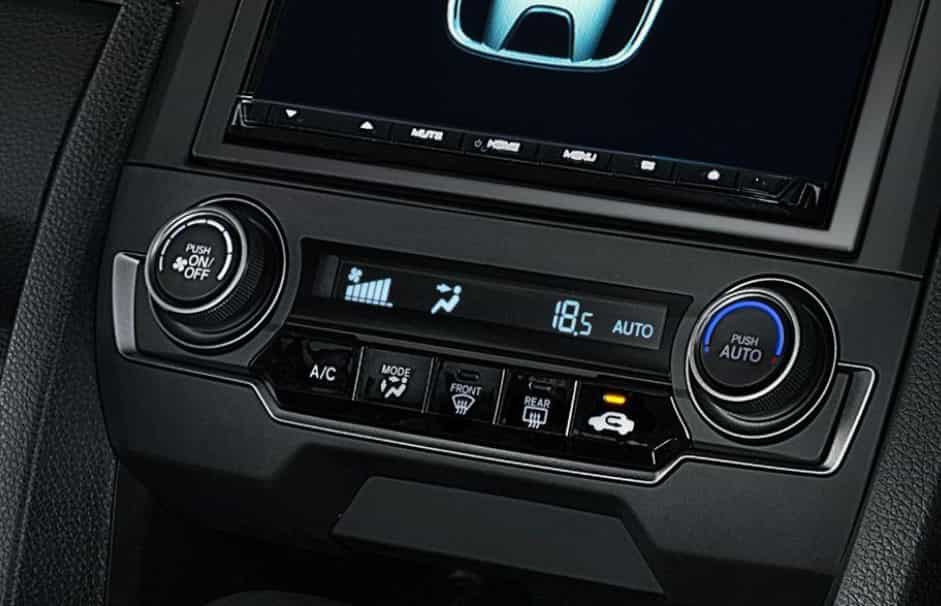
Common Symptoms of Honda Civic AC Not Blowing Cold
When your Honda Civic AC system starts losing cooling performance, it usually shows several warning signs before a complete failure occurs. Recognizing these symptoms early can help you find the cause faster and avoid costly repairs.
One of the most common signs is warm air coming from the AC vents. You may turn on the air conditioner and notice that the airflow feels normal, but the temperature remains warm. This often points to problems with refrigerant levels, the compressor, or other cooling components.
Another common symptom is weak airflow from the vents. The AC may produce cold air, but the air volume feels much lower than usual. A dirty cabin air filter, a weak blower motor, or airflow restrictions can create this problem.
Some Honda Civic owners notice that the AC works while driving but stops cooling when the vehicle is idle. This situation often happens because the condenser cannot remove heat properly at low speeds. A failing condenser fan or cooling system issue may cause this inconsistent performance.
Unusual noises can also indicate AC problems. Clicking sounds, grinding noises, or unusual vibrations when turning on the AC may suggest compressor or electrical issues. These sounds should not be ignored because they can signal a larger system failure.
Uneven cooling inside the cabin is another warning sign. If one side of the vehicle feels colder than the other, the problem may involve airflow control components or temperature regulation systems.
Understanding these symptoms helps Honda Civic owners take action before a small AC issue becomes a major repair. Early diagnosis can save time, reduce repair costs, and restore comfortable driving conditions.
Why Is My Honda Civic AC Not Blowing Cold? Common Causes Explained
When your Honda Civic AC stops producing cold air, the cause may come from several different parts of the air conditioning system. The AC system works through a combination of mechanical components, refrigerant circulation, airflow control, and electrical signals. A problem in any of these areas can reduce cooling performance.
Understanding the most common causes helps you identify the issue before spending money on unnecessary repairs. Some problems require only simple maintenance, while others need professional diagnosis and replacement of damaged components.
Low Refrigerant Level or Refrigerant Leak
A low refrigerant level is one of the most common reasons why a Honda Civic AC is not blowing cold. Refrigerant absorbs heat from inside the cabin and allows the AC system to produce cool air. When the refrigerant level drops, the system cannot complete the cooling process effectively.
Low refrigerant usually happens because of a leak rather than normal usage. The refrigerant does not disappear over time under normal conditions. Leaks can develop in AC hoses, seals, the condenser, or the evaporator.
Common signs of a refrigerant problem include weak cooling, warm air from the vents, and longer cooling times. Some drivers may notice that the AC feels slightly cold at first but becomes warmer during longer drives.
A professional technician can locate leaks with specialized equipment and recharge the system after completing repairs. Adding refrigerant without fixing the leak may only provide a temporary solution.
Faulty AC Compressor
The AC compressor plays a critical role in the cooling process. It compresses refrigerant and moves it through the AC system. When the compressor fails, the refrigerant cannot circulate properly, and the system may stop producing cold air.
A failing Honda Civic AC compressor can show several warning signs. You may hear clicking or grinding noises when turning on the AC. The compressor clutch may also fail to engage, which prevents the system from starting the cooling cycle.
Compressor problems often require professional inspection because several components can create similar symptoms. Replacing a compressor can be expensive, so accurate diagnosis is important before making repairs.
Condenser, Fan, or Airflow Problems
The condenser removes heat from the refrigerant before it returns to the cooling system. If the condenser becomes damaged, dirty, or unable to release heat properly, the AC performance can decrease.
A failing condenser fan can create another common issue. Many Honda Civic owners notice that the AC feels cold while driving but becomes warm when the car stops. This happens because airflow through the condenser decreases when the vehicle is not moving.
Cleaning the condenser area and checking fan operation can sometimes improve cooling performance. However, damaged components may require replacement.
Cabin Air Filter or Blower Motor Issues
The cabin air filter controls the quality of air entering the vehicle cabin. Over time, dust and debris can block the filter and reduce airflow from the vents. A restricted filter can make the AC feel weak even when the cooling system works correctly.
A damaged blower motor can create similar symptoms. The fan may operate at only one speed, produce weak airflow, or stop working completely.
Replacing a cabin air filter is usually a simple and affordable maintenance task. However, blower motor problems often require electrical testing and professional repair.
Electrical and Sensor Failures
Modern Honda Civic AC systems depend on several electrical components to operate correctly. Fuses, relays, wiring connections, and sensors all help control the cooling process.
A faulty AC pressure sensor may send incorrect information to the system and prevent the compressor from operating. Electrical problems can also cause intermittent AC performance, where the system works sometimes and fails at other times.
Because electrical issues can be difficult to identify without proper tools, a professional diagnosis can prevent unnecessary part replacement.
Other Mechanical Problems
Some Honda Civic AC problems come from less common components, including the expansion valve, evaporator, or blend door actuator.
The expansion valve controls refrigerant flow through the system. If it fails, the AC may not cool properly because refrigerant cannot move at the correct rate.
The blend door actuator controls the mixture of hot and cold air inside the cabin. When this component fails, you may experience uneven temperatures between different vents.
Understanding these possible causes makes it easier to approach Honda Civic AC problems logically. Instead of replacing parts randomly, proper diagnosis helps identify the exact component causing the cooling failure.
How to Diagnose Honda Civic AC Not Blowing Cold
Before repairing your Honda Civic AC, you should identify the real cause of the cooling problem. Many AC issues have similar symptoms, so checking the system step by step can help you avoid unnecessary repairs and expenses.
Start by checking the basic AC settings. Turn the temperature to the lowest level, activate the AC button, and use the recirculation mode. If the system still blows warm air, the issue may come from the cooling components.
Next, inspect the cabin air filter. A dirty filter can reduce airflow and make the AC feel weak. Replacing a clogged filter is a simple maintenance step that may improve air circulation.
You should also check the AC compressor operation. Listen for unusual sounds when turning on the AC. If the compressor does not engage, the problem may involve the compressor, electrical system, or pressure sensor.
Pay attention to cooling performance while driving. If the AC works at higher speeds but becomes warm when the vehicle stops, the condenser fan may have a problem. Weak airflow or inconsistent cooling can also indicate blower motor or ventilation issues.
If basic checks do not solve the problem, professional testing may be necessary. A technician can inspect refrigerant levels, detect leaks, and test electrical components.
A proper diagnosis helps you find the correct solution for Honda Civic AC Not Blowing Cold without replacing parts unnecessarily.
How to Fix Honda Civic AC Not Blowing Cold
Fixing a Honda Civic AC that does not blow cold depends on the actual cause of the problem. Some issues require simple maintenance, while others need professional repair. Identifying the failed component first helps you choose the right solution and avoid unnecessary costs.
One common solution is an AC refrigerant recharge. If your system has low refrigerant, adding the correct amount can restore cooling performance. However, refrigerant loss usually indicates a leak. A technician should inspect the system and repair the leak before recharging.
Replacing the cabin air filter is another simple fix. A clogged filter restricts airflow and reduces AC performance. Regular filter replacement improves air circulation and helps the AC system work more efficiently.
If the AC compressor fails, replacement may become necessary. The compressor controls refrigerant circulation, so a damaged unit can prevent the entire system from producing cold air. Because compressor replacement involves complex work, professional installation is recommended.
Other repairs may include fixing condenser problems, replacing damaged sensors, repairing electrical connections, or replacing faulty blower motors. These components affect how the AC system controls temperature and airflow.
Regular maintenance can also prevent future Honda Civic AC problems. Keeping the condenser clean, checking for leaks early, and servicing the AC system when cooling performance decreases can extend component life.
The best way to fix Honda Civic AC Not Blowing Cold is to diagnose the problem accurately before replacing parts. A correct repair restores cooling performance and helps prevent repeated AC failures.
Honda Civic AC Repair Cost: How Much Should You Expect to Pay?
The cost to repair a Honda Civic AC system depends on the cause of the problem, the damaged component, and the labor required. Some repairs are affordable, while major component failures can become expensive.
A simple AC recharge usually costs between $100 and $250. This service can restore cooling performance when the system has low refrigerant. However, if the refrigerant level drops because of a leak, the technician must repair the leak before adding new refrigerant.
Replacing a cabin air filter is one of the lowest cost solutions. Most drivers can expect to pay around $30 to $100 for filter replacement, depending on the vehicle model and service location.
Refrigerant leak repairs often cost between $200 and $800. The final price depends on the leak location and the damaged parts involved. Leaks in hoses or seals usually cost less than repairs involving the condenser or evaporator.
An AC compressor replacement is one of the most expensive repairs. The average cost can range from $800 to $1,500 because the compressor requires significant labor and specialized service.
Several factors influence Honda Civic AC repair costs. The vehicle’s model year, replacement part quality, labor rates, and repair complexity all affect the final price.
Understanding these costs helps Honda Civic owners make better repair decisions. Instead of replacing expensive parts immediately, proper diagnosis can identify the real cause and prevent unnecessary spending.
Honda Civic AC Problems by Model Year
Honda Civic AC problems can vary depending on the vehicle’s age, mileage, and maintenance history. Older and newer Civic models may experience different types of cooling issues because they use different technologies and components.
Older Honda Civic models often develop AC problems because of natural wear. After many years of use, components such as compressors, seals, hoses, and electrical connections can become less reliable. Refrigerant leaks are also more common in aging AC systems because seals and connections may deteriorate over time.
Many older Civic owners experience symptoms such as weak cooling, warm air from the vents, or unusual compressor noises. Regular inspections can help identify these issues before they create more expensive damage.
Newer Honda Civic models usually have more advanced climate control systems. These vehicles rely on sensors, electronic controls, and improved AC components to manage cabin temperature. When problems occur, they are often related to sensors, electrical connections, or control modules.
Some newer models may show inconsistent cooling because of sensor errors or software related issues. These problems require accurate diagnosis because replacing mechanical parts may not solve the actual cause.
Regardless of the model year, proper maintenance plays an important role in preventing Honda Civic AC failures. Regular filter replacement, system inspections, and early leak detection can help maintain reliable cooling performance.
If your Honda Civic AC is not blowing cold, identifying the model year and specific symptoms can help narrow down the possible causes. This information allows technicians to diagnose the system faster and recommend the most effective repair solution.
How to Prevent Honda Civic AC Problems
Regular maintenance is one of the best ways to prevent Honda Civic AC problems and keep the cooling system working efficiently. A well maintained AC system can provide better performance, reduce repair costs, and extend the life of important components.
One of the simplest maintenance steps is replacing the cabin air filter regularly. A dirty filter reduces airflow and forces the AC system to work harder. A clean filter helps maintain strong airflow and improves air quality inside the cabin.
You should also run the AC system regularly, even during cooler months. Using the system periodically helps maintain proper refrigerant circulation and keeps internal components operating smoothly.
Keeping the condenser clean is another important step. Dirt, leaves, and debris can block airflow through the condenser and reduce cooling efficiency. Regular cleaning helps the system release heat more effectively.
Early inspection can prevent small issues from becoming expensive repairs. If you notice weak cooling, unusual noises, or warm air from the vents, check the system before the problem gets worse. A small refrigerant leak or minor electrical issue can develop into a larger failure if ignored.
Professional AC inspections are also useful, especially for older Honda Civic models. Technicians can check refrigerant pressure, inspect components, and identify potential problems before they affect performance.
Proper care can reduce the risk of Honda Civic AC Not Blowing Cold issues and help your vehicle maintain reliable cooling for years. Simple maintenance habits can save money and improve your overall driving comfort.
Frequently Asked Questions About Honda Civic AC Not Blowing Cold
Why is my Honda Civic AC blowing warm air?
Your Honda Civic AC may blow warm air because of low refrigerant, a faulty compressor, a damaged condenser, or an electrical problem. A proper inspection can identify the exact cause before you replace any parts.
How much does it cost to fix a Honda Civic AC?
Honda Civic AC repair costs depend on the damaged component. Simple services such as an AC recharge may cost around $100 to $250, while major repairs like compressor replacement can cost more than $1,000.
Can low refrigerant cause my Honda Civic AC to stop cooling?
Yes, low refrigerant can reduce cooling performance and cause warm air from the vents. However, refrigerant loss usually means the system has a leak that needs repair.
Why does my Honda Civic AC work while driving but not at idle?
This problem often relates to airflow issues around the condenser. A weak condenser fan or cooling system problem can prevent the AC from removing heat properly when the vehicle stops.
How often should I service my Honda Civic AC?
There is no fixed service schedule for every vehicle, but regular inspections help maintain performance. Check the system when you notice weaker cooling, unusual sounds, or changes in airflow.
Conclusion
A Honda Civic AC system can stop producing cold air for many reasons, from simple maintenance issues to major component failures. Problems such as low refrigerant, compressor damage, airflow restrictions, and electrical faults can all affect cooling performance.
Understanding the symptoms is the first step toward finding the right solution. Instead of replacing parts without proper testing, a complete diagnosis helps identify the real cause and prevents unnecessary repair costs.
Regular maintenance also plays an important role in preventing future AC problems. Replacing the cabin air filter, keeping the condenser clean, and checking for early warning signs can help your Honda Civic AC perform efficiently.
If your Honda Civic AC Not Blowing Cold, start with basic inspections and look for common symptoms. For complex issues involving compressors, refrigerant leaks, or electrical components, professional service can provide a safer and more reliable solution.
Have you experienced AC problems with your Honda Civic? Share your model year and symptoms to help other owners understand possible causes and solutions.