AFM lifter failure occurs when a hydraulic lifter in a General Motors (GM) Active Fuel Management engine stops functioning correctly, disrupting valve operation and potentially damaging the valvetrain. Common symptoms include a ticking or tapping noise, engine misfires, rough idle, reduced engine power, and an illuminated check engine light. A failed lifter can also damage the camshaft if the underlying mechanical problem remains unresolved.
Active Fuel Management (AFM) is a cylinder deactivation system used in certain GM V8 engines, including those found in Chevrolet Silverado, GMC Sierra, Chevrolet Tahoe, and GMC Yukon models. The system uses specially designed lifters that respond to controlled oil pressure to deactivate selected cylinders under light engine loads. When a lifter’s internal locking mechanism sticks, collapses, or wears out, the affected valve may no longer operate as intended.
Diagnosing AFM lifter failure requires more than identifying engine noise. Mechanics examine diagnostic trouble codes, oil pressure, rocker arm movement, and valvetrain components to distinguish a failed lifter from other engine problems. This guide explains the symptoms, mechanical causes, diagnostic methods, repair options, replacement costs, and preventive maintenance practices associated with AFM lifter failure.
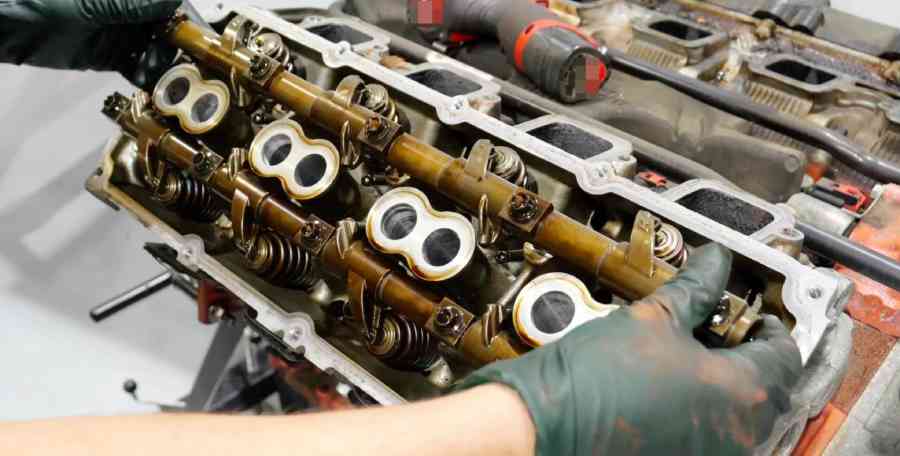
What Is AFM Lifter Failure?
AFM lifter failure is a mechanical malfunction in which a hydraulic lifter used by General Motors’ Active Fuel Management system fails to maintain or change its operating position correctly. The failure disrupts valve movement and can cause engine misfires, ticking noises, and damage to the camshaft or other valvetrain components.
The AFM system improves fuel efficiency by temporarily deactivating four cylinders in certain GM V8 engines during light-load driving. It uses specialized hydraulic lifters with internal locking pins controlled by engine oil pressure. During normal eight-cylinder operation, the pins lock the lifter components together, allowing camshaft movement to open and close the valves. When AFM activates, controlled oil pressure releases the locking pins, allowing the lifter to collapse internally and prevent the corresponding valves from opening.
A failed AFM lifter may remain collapsed when the engine requires normal valve operation, preventing the affected cylinder from breathing properly. Internal locking pin damage, lifter roller wear, or hydraulic problems can also interfere with lifter movement. If a roller stops rotating or becomes damaged, continued contact with the camshaft can wear down the cam lobe and introduce metal debris into the engine oil.
What Are the Symptoms of AFM Lifter Failure?
The most common symptoms of AFM lifter failure are metallic ticking noises, engine misfires, rough idle, reduced engine power, and an illuminated check engine light. These symptoms develop when a malfunctioning lifter prevents its associated intake or exhaust valve from operating correctly. Their severity depends on the lifter’s failure mode and the extent of valvetrain damage.
A collapsed AFM lifter can cause a cylinder to produce little or no power because its valves no longer follow the intended camshaft movement. The engine may vibrate at idle, hesitate during acceleration, or run unevenly under load. A misfire can also trigger diagnostic trouble codes such as P0300 for random or multiple-cylinder misfires and P0301 through P0308 for individual cylinders. However, these codes do not independently confirm AFM lifter failure because ignition, fuel delivery, and compression problems can produce similar results.
What Does a Bad AFM Lifter Sound Like?
A bad AFM lifter commonly produces a metallic ticking, tapping, or knocking sound from the upper engine area. The noise occurs when abnormal clearance or movement develops between valvetrain components, including the lifter, pushrod, rocker arm, and valve mechanism. Its frequency generally increases with engine speed because the camshaft and valvetrain operate faster as RPM rises.
Lifter noise may become noticeable during startup, at idle, or while accelerating. A lifter that fails to maintain proper hydraulic operation can create repeated tapping as the valvetrain moves through each engine cycle. However, a completely collapsed lifter does not always produce an obvious ticking sound, particularly when valve movement is severely reduced.
Not every engine tick indicates a failed AFM lifter. Fuel injectors produce regular clicking during normal operation, while exhaust manifold leaks can create sharp ticking noises that change as the engine warms up. Other hydraulic lifter problems can generate similar sounds. Identifying the noise location and checking engine performance are necessary before attributing the sound to AFM lifter failure.
Can AFM Lifter Failure Cause an Engine Misfire?
Yes, AFM lifter failure can cause an engine misfire by preventing the intake or exhaust valve from opening as designed. When an AFM lifter remains collapsed during normal cylinder operation, the camshaft cannot transfer its full movement through the pushrod and rocker arm. This reduces valve lift and disrupts the airflow or exhaust flow required for proper combustion.
For example, a collapsed intake lifter may prevent enough air from entering the affected cylinder, while an exhaust lifter malfunction can interfere with the removal of combustion gases. Either condition can reduce cylinder power output and produce noticeable engine vibration. The engine control module detects irregular crankshaft acceleration associated with misfires and may store a cylinder-specific diagnostic code.
AFM-equipped GM V8 engines commonly deactivate cylinders 1, 4, 6, and 7, making these cylinders particularly relevant when investigating AFM-specific lifter problems. However, misfires on these cylinders are not proof of lifter failure. A proper diagnosis must rule out faulty spark plugs, ignition coils, fuel injectors, and other mechanical problems before confirming a defective lifter.
What Causes AFM Lifters to Fail?
AFM lifters fail primarily because of internal locking mechanism damage, improper hydraulic operation, lubrication problems, and mechanical wear. These failures interfere with the lifter’s ability to transfer camshaft movement to the engine valves. In severe cases, a damaged lifter roller can also wear down the camshaft lobe, resulting in additional valvetrain damage.
Internal locking pin failure is a critical mechanical problem in AFM-equipped engines. Each AFM lifter contains locking pins that connect its inner and outer components during normal valve operation. When these pins become damaged, stick, or fail to engage correctly, the lifter may remain collapsed even when the engine control module commands full eight-cylinder operation. This prevents the affected valve from opening normally and can produce a persistent cylinder misfire.
Engine oil pressure and oil condition also influence AFM lifter operation. The system relies on controlled oil pressure delivered through oil passages and the Valve Lifter Oil Manifold (VLOM) in applicable GM engine designs. Incorrect oil pressure, restricted passages, contaminated oil, or malfunctioning oil control solenoids can disrupt the hydraulic switching process. Low oil levels and inadequate lubrication can also accelerate wear on lifter components. However, an oil control problem must be distinguished from physical damage inside the lifter.
Mechanical wear and camshaft damage can develop when the lifter roller, bearings, or associated components deteriorate. A damaged roller may stop rotating smoothly against the camshaft lobe, increasing friction and removing material from the cam surface. Metal particles generated by this wear can circulate through the lubrication system and damage other engine components. Once the camshaft surface is significantly worn, replacing the lifter alone will not correct the underlying mechanical damage.
AFM lifter failure does not have a single universal cause. The actual failure mechanism depends on the engine design, component condition, lubrication history, and the results of mechanical inspection.
How Do You Diagnose AFM Lifter Failure?
Diagnosing AFM lifter failure requires checking engine symptoms, retrieving diagnostic trouble codes, inspecting the lubrication system, and verifying mechanical valve operation. A ticking noise or cylinder misfire provides an initial warning, but neither symptom confirms a defective lifter without further testing.
The first step is to scan the engine control module using an OBD-II diagnostic scanner. A failed AFM lifter may produce P0300 or cylinder-specific codes such as P0301, P0304, P0306, or P0307, depending on the affected cylinder. These codes indicate detected misfires rather than identifying the failed component. Freeze-frame data, misfire counters, and operating conditions help determine whether the problem occurs at idle, during acceleration, or under specific engine loads.
The second step is to inspect the engine oil level, condition, and pressure. AFM lifters depend on engine oil for hydraulic operation and lubrication. A technician should compare measured oil pressure with the specifications for the exact engine and operating temperature. Low oil pressure, contaminated oil, or abnormal oil control operation may indicate a lubrication or AFM control problem rather than an internally damaged lifter.
The final step is to evaluate mechanical valve operation when preliminary testing suggests a valvetrain fault. This may require removing a valve cover to inspect rocker arm movement, pushrod condition, and valve lift. Compression testing, cylinder leak-down testing, or other mechanical checks can help distinguish valve operation problems from ignition and fuel system faults. Significant differences in valve movement between comparable cylinders provide stronger evidence of a mechanical problem.
How Can You Tell AFM Lifter Tick From Other Engine Noises?
AFM lifter tick can be distinguished from other engine noises by examining its location, frequency, operating conditions, and associated engine symptoms. A malfunctioning lifter may produce repetitive metallic tapping near the cylinder head, while injector operation, exhaust leaks, and other valvetrain faults can generate similar sounds.
Fuel injector ticking is generally a normal operating sound caused by the rapid opening and closing of injector components. It is typically consistent and does not produce cylinder misfires by itself. An exhaust manifold leak, particularly near a damaged gasket or broken mounting bolt, can create a sharp ticking sound that is more noticeable during cold starts and may decrease as exhaust components expand with heat.
A malfunctioning hydraulic lifter can produce ticking that changes with engine speed and may occur alongside rough idle or a cylinder-specific misfire. However, conventional lifter wear, rocker arm damage, and pushrod problems can produce similar symptoms. A mechanic can use a diagnostic stethoscope to help locate the noise, then compare the findings with scan data and mechanical tests. Sound characteristics alone cannot reliably identify an AFM lifter as the failed component.
How Can You Check for a Collapsed AFM Lifter?
A collapsed AFM lifter can be checked by inspecting rocker arm movement, measuring valve lift, examining pushrod operation, and comparing the suspected cylinder with a properly functioning cylinder. These checks determine whether the lifter transfers camshaft movement through the valvetrain as intended.
With the engine safely prepared for inspection and the valve cover removed, a technician can examine the rocker arms and pushrods for abnormal movement or visible damage. During controlled engine rotation, the affected rocker arm may move significantly less than expected if its AFM lifter remains collapsed. A dial indicator can measure valve lift more accurately, allowing the technician to compare the result with the manufacturer’s specifications and the movement of comparable valves.
For example, if a cylinder has a persistent misfire and its intake rocker arm shows substantially reduced movement, the fault may involve a collapsed lifter, damaged pushrod, worn camshaft lobe, or another mechanical defect. Further disassembly may be necessary to identify the actual failed component. A worn camshaft lobe can also reduce valve lift, so abnormal rocker movement does not automatically confirm a collapsed AFM lifter.
A technician should also inspect related components for bent pushrods, damaged rocker arms, excessive wear, and evidence of metal contamination. Where the engine design permits, manufacturer-specific diagnostic procedures and AFM control tests can help distinguish hydraulic switching faults from mechanical lifter failure.
Professional diagnosis is recommended when the engine has persistent misfires, pronounced metallic tapping, reduced valve movement, or suspected camshaft damage. Continuing to operate an engine with these symptoms can worsen mechanical wear and increase repair costs.
How Do You Fix AFM Lifter Failure?
Fixing AFM lifter failure generally requires replacing the damaged lifter, inspecting the camshaft and related valvetrain components, and correcting any lubrication or oil control problems. The repair depends on whether the failure involves a collapsed locking mechanism, worn lifter roller, damaged camshaft lobe, or malfunctioning AFM oil control system. A mechanically damaged lifter must be replaced rather than restored through routine maintenance.
AFM lifter replacement typically involves removing components that obstruct access to the cylinder heads, including the intake manifold, valve covers, rocker arms, and pushrods. The cylinder heads must then be removed on many GM AFM V8 engines to access the lifters and lifter guides. The technician inspects the lifter bores, guides, pushrods, rocker arms, and camshaft surfaces before installing replacement components. New gaskets, seals, and applicable single-use fasteners are required during reassembly according to the manufacturer’s service procedures.
Camshaft inspection is essential when the failed lifter shows roller damage, abnormal wear, or signs of metal contamination. A worn camshaft lobe cannot be restored by installing a new lifter because its damaged surface will continue to interfere with normal valve movement. When camshaft replacement is necessary, the repair becomes more extensive and may require additional engine disassembly, timing component removal, and lubrication system inspection.
After reassembly, the technician must verify engine oil pressure, proper valve operation, and normal engine performance. Diagnostic trouble codes should be cleared only after the underlying problem has been corrected. A final inspection should confirm that the engine operates without persistent misfires, abnormal valvetrain noise, or oil leaks.
Can You Fix a Failed AFM Lifter Without Replacing It?
A mechanically failed AFM lifter cannot be reliably repaired without replacement. Internal locking pins, damaged rollers, and worn lifter components are not restored by changing engine oil, adding chemical treatments, or disabling cylinder deactivation. These measures do not correct physical damage inside the lifter assembly.
An oil change may improve hydraulic operation when symptoms result from degraded oil or an incorrect oil specification rather than mechanical failure. Similarly, repairing an oil pressure problem or faulty AFM control component may restore normal operation if the lifter itself remains functional. However, these conditions must be confirmed through diagnosis before deciding that lifter replacement is unnecessary.
Engine oil additives marketed for lifter noise should not be considered a permanent repair for collapsed or mechanically damaged AFM lifters. Although an additive may change noise characteristics under certain conditions, it cannot replace broken locking components or repair a worn camshaft. Continuing to operate the engine after a confirmed mechanical failure increases the risk of additional damage.
Should You Replace All AFM Lifters or Only the Failed Ones?
Replacing only the failed AFM lifter is an option when the remaining lifters and camshaft are in good condition, while broader replacement may be justified when multiple components show wear or damage. The decision depends on engine condition, mileage, inspection findings, parts compatibility, and the amount of labor required to access the lifters.
Replacing a single defective lifter reduces the immediate cost of replacement parts. However, accessing AFM lifters requires substantial disassembly on many GM V8 engines. If another aging lifter fails later, the owner may face similar labor expenses again. For this reason, technicians may recommend replacing the affected bank’s lifters or a complete matched set when inspection findings support that approach.
A broader replacement is particularly relevant when multiple lifters show abnormal wear, the engine has a history of repeated lifter problems, or metal debris indicates more extensive mechanical damage. Replacement lifters must match the engine’s specific configuration, including the distinction between AFM and conventional lifter positions. The technician should also follow applicable GM service information and updated repair recommendations for the exact engine.
Replacing every lifter does not eliminate the need to inspect the camshaft, lifter guides, pushrods, and oil control components. A complete repair addresses both the failed components and the mechanical conditions that contributed to the problem.
How Much Does AFM Lifter Replacement Cost?
AFM lifter replacement commonly costs approximately $1,500–$3,000 for a substantial lifter repair, while repairs involving camshaft damage can exceed $4,000. These are illustrative U.S. repair-budget ranges, not verified nationwide averages or current shop quotations. Actual costs depend on the GM engine, vehicle model, number of lifters replaced, labor rates, and extent of internal engine damage.
| Repair type | Illustrative U.S. cost |
|---|---|
| Lifter replacement without camshaft replacement | $1,500–$3,000 |
| Multiple-lifter replacement with additional related components | $2,000–$3,500 |
| Lifter and camshaft replacement | $3,000–$5,000+ |
| Mechanical AFM delete conversion | $2,500–$5,000+ |
Labor accounts for a substantial portion of the total expense because lifter access often requires cylinder head removal and extensive disassembly. A repair involving only lifters and gaskets is generally less expensive than one requiring a new camshaft, timing components, additional seals, and removal of metal debris. Engine configuration and local labor rates can change the estimate significantly.
For example, a Chevrolet Silverado with a failed AFM lifter but an undamaged camshaft may require lifter replacement, new gaskets, and associated labor. If the same engine has a worn camshaft lobe and metal contamination, the repair may also require camshaft replacement and further inspection of the lubrication system. The additional parts and labor increase the total cost.
Vehicle owners should request a written estimate that separates parts, labor, diagnostic charges, and additional repairs. They should also check whether an applicable manufacturer warranty, service coverage program, or other repair assistance applies to their vehicle identification number before authorizing major engine work.
Can You Drive With a Bad AFM Lifter?
Driving with a bad AFM lifter is not recommended because continued engine operation can worsen valvetrain damage and increase repair costs. A collapsed or mechanically damaged lifter can prevent proper valve movement, cause persistent cylinder misfires, and accelerate wear on the camshaft and related components. The severity of the risk depends on the lifter’s failure mode and whether additional engine damage has already occurred.
A failed lifter that remains collapsed can disrupt combustion in the affected cylinder, producing rough idle, reduced acceleration, and engine vibration. Persistent misfires can also increase the risk of catalytic converter damage, particularly when unburned fuel enters the exhaust system. If the lifter roller or camshaft surface is damaged, continued operation may generate metal particles that circulate through the engine oil and accelerate wear on other lubricated components.
Stop driving and arrange professional inspection when the engine develops persistent metallic knocking, severe shaking, substantial power loss, or a flashing check engine light. A flashing check engine light can indicate a misfire severe enough to threaten the catalytic converter. Low oil pressure warnings also require immediate attention because inadequate lubrication can rapidly damage engine components.
Even when the vehicle remains drivable, a confirmed AFM lifter failure should be repaired before normal operation resumes. Towing the vehicle is the safer option when severe mechanical noise, persistent misfires, or suspected internal engine damage is present.
Does an AFM Delete Prevent Lifter Failure?
A complete mechanical AFM delete removes the original AFM lifter mechanism and can eliminate failures associated with those specific collapsible lifters. However, an electronic AFM disabler does not eliminate the risk of mechanical lifter failure. The distinction depends on whether the modification changes only cylinder deactivation commands or physically replaces AFM-specific engine components.
A mechanical AFM delete typically replaces the collapsible AFM lifters with compatible conventional lifters and uses a camshaft designed for the new valvetrain configuration. Depending on the engine, the conversion may also require different lifter guides, oil control components, gaskets, and engine control module calibration. Removing the AFM-specific locking mechanism eliminates that particular failure point, although conventional lifters and other valvetrain components can still experience mechanical wear.
An electronic AFM disabler takes a different approach. It prevents or suppresses cylinder deactivation commands while retaining the original AFM lifters and related mechanical components. The engine continues operating in its full-cylinder mode, but the specialized lifters remain installed. Therefore, disabling AFM electronically is not equivalent to replacing its mechanical components.
A mechanical AFM delete also involves practical considerations beyond lifter reliability. Component compatibility, engine calibration, fuel consumption, warranty coverage, and emissions regulations must be evaluated before modification. Changes to factory emissions-related controls may be prohibited for road-use vehicles under applicable laws. Vehicle owners should confirm legal requirements and use qualified technicians familiar with their specific GM engine.
Can AFM Lifters Still Fail After AFM Is Disabled?
Yes, AFM lifters can still fail after electronic cylinder deactivation is disabled because their internal locking pins, rollers, and hydraulic components remain inside the engine. An AFM disabler changes the system’s operating commands but does not replace worn or damaged mechanical parts.
During normal full-cylinder operation, AFM lifters rely on their locking mechanisms to transfer camshaft movement to the pushrods and valves. These components continue experiencing repeated mechanical loads whenever the engine runs. Existing wear, damaged locking pins, lubrication problems, or roller deterioration can therefore cause lifter failure even when cylinder deactivation is no longer commanded.
For example, installing an electronic AFM disabler on a Chevrolet Silverado does not repair a lifter with a damaged locking mechanism or worn roller. The vehicle may remain in eight-cylinder operation, but the defective component can still collapse, produce abnormal valve movement, or damage the camshaft. Disabling AFM should not be treated as a repair for an already failing lifter.
A complete mechanical AFM delete removes the collapsible AFM lifters, eliminating failures specific to their internal deactivation mechanisms. However, the replacement conventional lifters still depend on proper lubrication, correct installation, and healthy camshaft surfaces. Neither an electronic disabler nor a mechanical AFM delete guarantees that the engine will never experience another lifter or valvetrain failure.
Read more: Can You Drive a Car With a Blown Head Gasket?
Which GM Engines Are Associated With AFM Lifter Failure?
AFM lifter failure is associated with certain General Motors V8 engines equipped with Active Fuel Management, particularly 5.3L and 6.2L engines used in Chevrolet and GMC trucks and SUVs. These engines use specialized collapsible lifters to deactivate selected cylinders during light-load operation. However, not every GM V8 engine or vehicle within the same model range uses AFM, and lifter designs differ between engine generations.
GM introduced Displacement on Demand, later marketed as Active Fuel Management, in several Gen IV small-block V8 applications. Engines such as the 5.3L LC9, LH6, and LMG and the 6.2L L94 use AFM technology. Later Gen V EcoTec3 engines, including the 5.3L L83 and 6.2L L86, also incorporate AFM. These engines are found in selected Chevrolet Silverado, GMC Sierra, Chevrolet Tahoe, Chevrolet Suburban, GMC Yukon, and Cadillac Escalade configurations.
The following table identifies examples of GM engines equipped with AFM and their vehicle applications.
| GM engine | Displacement | Example vehicle applications | Cylinder deactivation system |
|---|---|---|---|
| LC9 | 5.3L V8 | Chevrolet Silverado 1500, GMC Sierra 1500 | AFM |
| LMG | 5.3L V8 | Chevrolet Tahoe, Chevrolet Suburban | AFM |
| L94 | 6.2L V8 | Cadillac Escalade, GMC Yukon Denali | AFM |
| L83 | 5.3L V8 | Chevrolet Silverado 1500, GMC Sierra 1500, Chevrolet Tahoe | AFM |
| L86 | 6.2L V8 | Chevrolet Silverado 1500, GMC Sierra 1500, GMC Yukon Denali | AFM |
Newer GM engines may use Dynamic Fuel Management (DFM), which expands cylinder deactivation capabilities beyond the fixed four-cylinder deactivation pattern used by traditional AFM systems. Although AFM and DFM both use specialized lifter technology, their control strategies and component configurations differ. Diagnostic procedures and replacement parts must therefore match the exact engine.
The engine’s RPO code, model year, and VIN-specific service information provide a more reliable way to identify AFM equipment than the vehicle name alone. For example, two Chevrolet Silverado trucks with similar exterior designs may have different engines or cylinder deactivation systems. Confirming the engine configuration before ordering lifters or performing repairs helps prevent incorrect component selection.
How Can You Reduce the Risk of AFM Lifter Failure?
The most practical ways to reduce the risk of AFM lifter failure are maintaining proper engine oil condition, following manufacturer service intervals, monitoring abnormal engine symptoms, and addressing lubrication problems promptly. These practices support hydraulic lifter operation and reduce avoidable mechanical wear, although they cannot eliminate failures caused by defective internal components or unpredictable mechanical damage.
Use the engine oil viscosity and specification required for the exact GM engine. AFM lifters depend on controlled oil pressure for hydraulic switching and consistent lubrication of moving components. Incorrect oil viscosity, contaminated oil, or insufficient oil levels can interfere with hydraulic operation and increase wear. Owners should consult the vehicle’s owner’s manual for the applicable oil specification rather than assuming that every GM V8 requires the same oil grade.
Change engine oil and filters according to the manufacturer’s maintenance schedule. Oil service requirements vary with engine generation, driving conditions, and the vehicle’s oil life monitoring system. Frequent short trips, heavy towing, extended idling, and dusty operating environments can place additional demands on engine oil. Maintaining clean oil and an appropriate oil level helps protect lifter rollers, camshaft surfaces, and other lubricated valvetrain components.
Investigate persistent ticking noises and misfire symptoms before continuing normal driving. A metallic tapping sound, rough idle, reduced engine power, or an illuminated check engine light may indicate a developing valvetrain problem. Early inspection allows a technician to check oil pressure, diagnostic trouble codes, and valve operation before a damaged lifter causes additional wear. However, these symptoms can also originate from ignition, fuel delivery, exhaust, or other mechanical problems, making accurate diagnosis essential.
Do not rely on AFM disablers or engine oil additives as guaranteed preventive solutions. An electronic AFM disabler retains the original collapsible lifters, while oil additives cannot repair worn locking pins, damaged rollers, or deteriorated camshaft lobes. A mechanical AFM delete removes the original AFM-specific lifter mechanism but requires compatible components, correct engine calibration, and consideration of applicable emissions regulations.
Preventive maintenance reduces avoidable lubrication-related risks but does not guarantee AFM lifter reliability. Vehicle owners should prioritize manufacturer-approved maintenance, correct engine identification, and timely diagnosis when abnormal valvetrain symptoms appear.