Replacing a thermostat on a 6.7L Cummins diesel engine helps restore proper engine temperature regulation when the existing thermostat fails. A thermostat that sticks open can prevent the engine from reaching its normal operating temperature, while one that sticks closed can restrict coolant circulation and contribute to overheating. Identifying the problem and installing the correct replacement part are essential steps in maintaining the engine’s cooling system.
A 6.7 Cummins thermostat replacement involves preparing the engine, draining the necessary coolant, accessing the thermostat housing, removing the old thermostat, installing the replacement, and checking the cooling system for leaks. The job requires suitable hand tools, compatible coolant, and the correct gasket or seal for the specific engine application. Following the manufacturer’s service procedures also helps prevent installation errors and cooling system problems after the repair.
This guide explains how to recognize a failing thermostat, select compatible replacement parts, prepare the necessary tools, and complete the replacement process. It also covers coolant refilling, leak inspection, estimated repair costs, and troubleshooting if the engine continues to overheat after installation. Because the 6.7L Cummins engine is used in different vehicle applications and model years, always verify part compatibility, fastener torque specifications, and coolant requirements against the appropriate service documentation before beginning work.
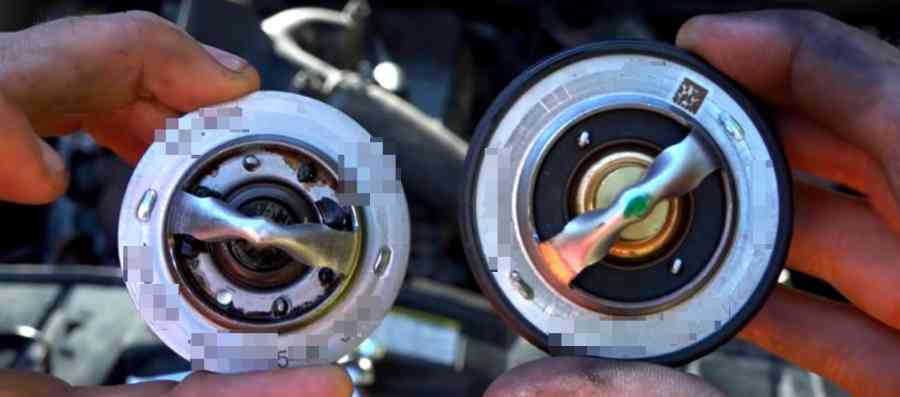
What Does the Thermostat Do in a 6.7 Cummins Engine?
The thermostat in a 6.7L Cummins diesel engine regulates coolant circulation to help the engine maintain its specified operating temperature. It responds to coolant temperature by opening and closing, controlling the flow of coolant through the engine’s cooling system. This regulation allows the engine to warm up efficiently after a cold start while helping prevent excessive temperatures during operation.
When the engine is cold, the thermostat restricts coolant flow through the radiator until the coolant reaches the thermostat’s opening temperature. As the coolant warms, the thermostat opens progressively, allowing more coolant to circulate through the radiator and release heat. This process helps maintain the temperature range specified by the engine manufacturer under different driving conditions.
A thermostat that sticks open can cause the engine to warm up more slowly than expected. The engine may also operate below its intended temperature, particularly during cold weather or extended highway driving. In contrast, a thermostat that sticks closed can restrict coolant flow to the radiator, potentially causing the engine to overheat. However, similar symptoms can result from other cooling system faults, so thermostat failure should be confirmed before replacement.
The correct thermostat is essential for maintaining the intended cooling system performance. Replacement parts must match the specific 6.7L Cummins application, including the vehicle’s model year and configuration. Using an incompatible thermostat can affect temperature regulation and may introduce additional cooling system problems. Consult the applicable service documentation to verify the required thermostat and its operating specifications before installation.
What Are the Signs of a Bad 6.7 Cummins Thermostat?
A failing 6.7L Cummins thermostat can produce several noticeable symptoms, including slow engine warm-up, abnormal temperature readings, and overheating. These symptoms indicate that the cooling system may not be regulating engine temperature correctly, but they do not automatically confirm thermostat failure. Checking coolant level, inspecting for leaks, and evaluating other cooling system components help narrow down the cause.
One common symptom is slow engine warm-up caused by a thermostat that remains open. When the thermostat allows coolant to circulate through the radiator too early, the engine loses heat before reaching its intended operating temperature. The temperature gauge may take longer than usual to rise, and the engine may remain cooler during sustained highway driving. Cold ambient temperatures can also affect warm-up time, so compare the observed behavior with the vehicle manufacturer’s specifications.
Another serious symptom is engine overheating caused by a thermostat that remains closed or fails to open sufficiently. Restricted coolant flow through the radiator can prevent the cooling system from removing enough heat, causing engine temperature to rise above its normal range. If the temperature warning activates or the gauge enters the overheating range, stop driving as soon as it is safe and shut down the engine according to the vehicle’s operating guidance. Never remove a pressurized radiator cap or coolant reservoir cap while the engine is hot.
Abnormal temperature behavior can also result from low coolant, trapped air, a restricted radiator, a malfunctioning water pump, or a faulty temperature sensor. For example, a coolant leak may reduce the amount of fluid available to carry heat away from the engine, while a sensor fault may produce an inaccurate temperature reading. Inspect the cooling system and use appropriate diagnostic procedures before deciding that the thermostat needs replacement.
If the symptoms point toward thermostat failure, verify the diagnosis using the service procedure for the specific vehicle. Once the thermostat is confirmed to be faulty, select a compatible replacement and follow the manufacturer’s installation, coolant-filling, and inspection requirements. Accurate diagnosis before beginning a 6.7 Cummins thermostat replacement helps prevent unnecessary parts replacement and reduces the risk of overlooking a more serious cooling system problem.
Which Thermostat and Tools Do You Need for a 6.7 Cummins Replacement?
Choosing the correct thermostat and preparing the required tools are essential steps in a successful 6.7 Cummins thermostat replacement. The thermostat must match the engine application, while the tools and replacement supplies must support safe removal, proper installation, and coolant system maintenance. Because the 6.7L Cummins engine is used across different vehicle model years and applications, verify compatibility before purchasing parts or disassembling the cooling system.
Start by identifying the vehicle’s model year, make, model, and engine configuration. Use this information to check the manufacturer’s parts catalog or service documentation for the correct thermostat. Confirm the specified operating temperature, part number, housing design, and any application-specific requirements. Do not assume that every 6.7L Cummins engine uses the same thermostat simply because the engine displacement is identical.
A replacement thermostat may require a new gasket or seal to prevent coolant from escaping at the housing connection. Inspect the replacement part’s packaging and the applicable service instructions to determine whether the seal is included or must be purchased separately. If the original seal is damaged, flattened, or specified as single-use, replace it with the correct component rather than reusing it. The housing’s sealing surfaces must also be inspected for corrosion, cracks, or damage that could compromise the new installation.
Prepare the tools and supplies before starting the repair. The required equipment generally includes a suitable socket and ratchet set, compatible hand tools for removing nearby components, a coolant drain pan, shop towels, protective gloves, and safety glasses. Depending on the vehicle configuration, additional tools may be necessary to access the thermostat housing. A torque wrench is important when the service documentation specifies a particular tightening torque for the housing fasteners.
Coolant is another essential supply. Obtain the coolant type and specification approved for the specific vehicle rather than choosing a product based only on its color or general description. If the cooling system requires additional coolant after the repair, use the specified product and follow the manufacturer’s mixing instructions where applicable. Never mix incompatible coolant formulations without confirming that the combination is approved.
Before beginning, review the vehicle-specific service procedure for thermostat location, removal requirements, fastener torque, and coolant filling. These details determine which tools and materials are actually necessary. Preparing the correct thermostat, replacement seal, coolant, and tools in advance reduces interruptions during the repair and helps prevent installation mistakes that could lead to leaks or abnormal engine temperatures.
How Do You Replace a 6.7 Cummins Thermostat Step by Step?
Replacing a thermostat on a 6.7L Cummins diesel engine involves preparing the vehicle, draining the necessary coolant, removing the thermostat housing, installing the correct replacement, and reassembling the cooling system. Following the correct sequence helps prevent coolant leaks, damaged sealing surfaces, and installation errors. Because thermostat location and access procedures can vary by model year and vehicle application, consult the applicable service manual before removing any components.
Step 1: Prepare the vehicle and allow the engine to cool. Park the vehicle on a stable, level surface, apply the parking brake, and switch off the engine. Allow the engine and cooling system to cool completely before opening any coolant connections. The cooling system can retain dangerous pressure when hot, and opening it prematurely can release scalding coolant. Wear protective gloves and safety glasses, and keep pets and children away from drained coolant.
Step 2: Drain the necessary coolant. Identify the correct coolant drain point and follow the vehicle-specific service procedure to remove enough coolant to prevent excessive spillage when the thermostat housing is opened. Position a suitable drain pan beneath the work area and collect the fluid carefully. Coolant is toxic and must be stored in a sealed, clearly labeled container for appropriate disposal. Avoid releasing it onto the ground or into storm drains.
Step 3: Access the thermostat housing. Locate the thermostat housing using the service documentation for the specific 6.7L Cummins application. Remove any components that obstruct access, following the prescribed removal sequence. Keep track of fasteners and electrical or hose connections so they can be reinstalled correctly. Do not force a component that remains attached, because doing so can damage nearby hoses, connectors, or mounting points.
Step 4: Remove the old thermostat. Place a drain pan beneath the housing to catch residual coolant. Remove the housing fasteners according to the manufacturer’s procedure, then carefully separate the housing from its mounting surface. Note the original thermostat’s position and orientation before removing it. Remove the old gasket or seal as required, and inspect the thermostat and housing for corrosion, cracks, deposits, or other visible damage.
Step 5: Clean and inspect the sealing surfaces. Remove old gasket material using a method approved for the housing material. The mating surfaces must be clean and undamaged to create a reliable seal. Avoid aggressive scraping that could gouge the metal or plastic surface. If the housing is cracked, distorted, or severely corroded, determine whether it requires replacement before proceeding.
Step 6: Install the replacement thermostat. Confirm that the new thermostat matches the specified part number and operating requirements. Position it in the correct orientation, using the manufacturer’s installation instructions. Install a new gasket or seal when required, and apply sealant only if the service procedure explicitly calls for it. An incorrect thermostat position or unsuitable sealing material can interfere with operation or cause coolant leakage.
Step 7: Reinstall the thermostat housing. Align the housing with its mounting surface and install the fasteners without cross-threading them. Tighten the fasteners in the specified sequence and to the torque listed in the correct service manual. Do not guess the torque value, because excessive tightening can damage threads or distort the housing, while insufficient tightening can allow coolant to escape. Reconnect any hoses, brackets, or other components removed during access.
Step 8: Reassemble the cooling system. Check that all removed components and connections have been restored correctly. Verify that the drain points are closed and the housing is properly seated. Before starting the engine, confirm that the system is ready for coolant filling and that no tools or loose materials remain in the work area. This inspection helps prevent avoidable problems during the next stage of the repair.
Completing these steps correctly establishes the foundation for a successful thermostat replacement, but the repair is not finished when the new component is installed. The cooling system must be refilled and bled using the approved procedure, and the engine must be checked for leaks and abnormal temperatures before the vehicle returns to normal service.
How Do You Refill Coolant and Check for Leaks After Replacement?
After completing a 6.7 Cummins thermostat replacement, refill the cooling system with the approved coolant, remove trapped air according to the manufacturer’s procedure, and inspect the system for leaks. These steps help restore proper coolant circulation and reduce the risk of overheating caused by an incorrect coolant level or air trapped in the system. The correct filling and bleeding procedure depends on the specific vehicle application, so consult the applicable service manual before starting the engine.
Begin by confirming that the thermostat housing, drain points, and coolant connections are secure. Check that the housing gasket or seal is correctly positioned and that all hoses removed during the repair have been reconnected. Use the coolant specification approved for the vehicle and follow the manufacturer’s instructions for premixing or dilution. Coolant color alone does not establish compatibility, and mixing incompatible formulations can compromise cooling system performance.
Fill the cooling system using the prescribed procedure and observe the specified fill level. Some vehicle configurations require a particular filling sequence or specialized equipment to remove trapped air. Air pockets can interfere with coolant circulation, produce inconsistent temperature readings, and contribute to overheating. Do not assume that simply filling the reservoir completes the process; follow the vehicle-specific bleeding instructions and allow the system to stabilize as directed.
Once the filling procedure is complete, inspect the thermostat housing, hose connections, drain points, and other disturbed areas for signs of coolant leakage. Look for wet surfaces, dripping fluid, or a falling coolant level. If the service procedure calls for a cooling system pressure test, use the specified test pressure and equipment. Never open a pressurized cooling system while it is hot.
After completing the required checks, monitor the engine temperature using the vehicle’s normal instruments or an appropriate diagnostic tool. The engine should operate within the range specified by the manufacturer under the conditions being tested. Stop the test and shut down the engine safely if the temperature rises abnormally, a warning appears, coolant escapes, or other signs of overheating develop.
Allow the system to cool completely before rechecking the coolant level if the manufacturer’s procedure requires it. Add the approved coolant only as directed, and inspect for leaks again. A successful replacement should leave the cooling system properly filled, free of visible leaks, and operating within its specified temperature range. If the engine continues to overheat or the coolant level repeatedly drops, investigate the underlying cause instead of assuming the new thermostat is defective.
Read more: 6.7 Cummins Turbo Actuator Replacement Guide
How Much Does a 6.7 Cummins Thermostat Replacement Cost?
The cost of a 6.7 Cummins thermostat replacement depends on the price of the replacement thermostat, the required seals and coolant, labor rates, and the vehicle’s specific configuration. Replacing the thermostat yourself generally avoids professional labor charges, while using a repair shop adds diagnostic and installation costs. An accurate estimate requires the vehicle’s model year, the correct replacement part, and local parts and labor pricing.
Parts costs typically include the thermostat and any required gasket or seal. Some replacement kits include the necessary sealing components, while others require them to be purchased separately. The selected part must meet the specifications for the particular 6.7L Cummins application. Comparing compatible OEM and aftermarket options can help establish the parts budget, but compatibility and documented specifications should take priority over price alone.
Coolant and supplies can add to the total expense. The amount of coolant required depends on how much is drained during the repair and whether the system needs additional fluid afterward. Other potential expenses include cleaning materials, replacement hose connections if damaged, and specialized tools that the owner does not already have. The applicable service procedure determines which additional supplies are necessary.
Labor costs depend on the repair shop’s hourly rate, the time required to access the thermostat, and whether additional diagnostic work is necessary. Labor estimates can vary between vehicle applications because surrounding components and access requirements may differ. If the engine has been overheating, a technician may also need to inspect the radiator, water pump, coolant level, or other cooling system components before confirming that thermostat replacement will resolve the problem.
To calculate a realistic total, obtain a parts quote for the correct thermostat, identify the required coolant and sealing components, and request a labor estimate from a qualified repair shop. Ask whether the quote includes coolant replacement, system bleeding, leak inspection, and diagnostic testing. These details make it easier to compare repair options and avoid unexpected charges.
Because no vehicle model year, location, or current parts prices have been specified, a reliable dollar estimate cannot be provided here. Confirming those details before quoting a price will produce a more useful estimate than relying on a single cost figure for every 6.7L Cummins engine application.
What Should You Do If Your 6.7 Cummins Still Overheats After Thermostat Replacement?
If a 6.7L Cummins engine continues to overheat after thermostat replacement, check the coolant level, verify that the cooling system has been properly bled, and inspect for leaks before replacing additional parts. Persistent overheating indicates that the original problem may not have been caused by the thermostat alone. Other cooling system faults can produce similar symptoms, so diagnosis should follow the manufacturer’s service procedures rather than relying on guesswork.
One possible cause is air trapped in the cooling system after the repair. Air pockets can interfere with coolant circulation and prevent heat from transferring efficiently through the system. Follow the vehicle-specific bleeding procedure and confirm that the coolant level is correct under the conditions specified by the manufacturer. Allow the engine to cool completely before opening the cooling system or checking a hot coolant reservoir.
A second possible cause is coolant loss or a leak around the thermostat housing. An incorrectly seated gasket, damaged sealing surface, loose connection, or deteriorated hose can allow coolant to escape after installation. Inspect the areas disturbed during the repair, including the thermostat housing, hose connections, and drain points. If the coolant level continues to fall, investigate the source of the loss rather than repeatedly topping up the system without identifying the cause.
Other components can also contribute to overheating. A restricted radiator may not release enough heat, while a malfunctioning water pump can reduce coolant circulation. A faulty temperature sensor may produce inaccurate readings, and other engine or cooling system problems can cause excessive temperatures. A technician can use the applicable diagnostic procedures, visual inspections, and cooling system tests to distinguish between these possibilities.
If the engine overheats again, stop driving as soon as it is safe and follow the vehicle manufacturer’s shutdown guidance. Continued operation at excessive temperatures can cause serious engine damage. Never remove a radiator cap or open a pressurized coolant system while it is hot. If the cause is not immediately apparent, arrange a professional inspection before returning the vehicle to normal operation.
A successful 6.7 Cummins thermostat replacement should be followed by proper coolant filling, air bleeding, leak inspection, and confirmation that engine temperature remains within the specified operating range. If overheating persists despite completing these steps, treat it as an unresolved cooling system problem that requires further diagnosis. Identifying the actual cause protects the engine and prevents unnecessary replacement of additional components.