The best 4L60E transmission upgrades include a reinforced 3–4 clutch pack, heavy-duty sun shell, upgraded input drum, valve body improvements, performance torque converter, and auxiliary transmission cooler. These components address common weaknesses in the GM 4L60E four-speed automatic transmission, improving clutch durability, shift consistency, torque handling, and heat management.
The 4L60E is widely used in Chevrolet and GMC trucks, SUVs, and performance vehicles. However, its factory components can become vulnerable to clutch wear, hydraulic pressure loss, and mechanical failure under increased engine torque, heavy towing loads, or aggressive driving. Upgrading critical components helps address these limitations, although the results depend on transmission condition, installation quality, and proper calibration.
Not every 4L60E requires a complete performance rebuild. A stock daily driver may benefit from valve body repairs, improved cooling, and reinforced replacement parts, while a modified LS-powered vehicle may require stronger internal components, a matched torque converter, and revised shift calibration. Horsepower alone does not determine transmission durability; engine torque, vehicle weight, traction, and driving conditions also affect component stress.
This guide explains the most effective 4L60E upgrades, the problems each component addresses, recommended modifications for different power levels, expected costs, and how to choose between rebuilding the 4L60E and upgrading to a 4L80E.
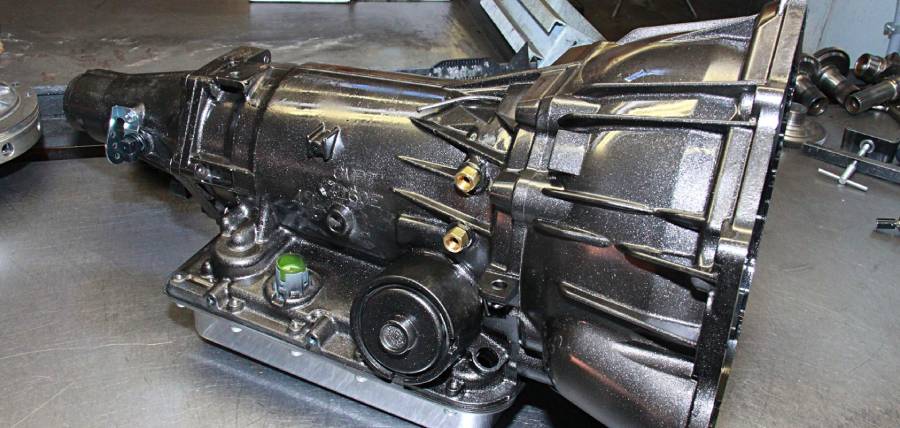
What Are the Best 4L60E Transmission Upgrades?
The best 4L60E transmission upgrades are a reinforced 3–4 clutch assembly, heavy-duty sun shell, upgraded input drum, shift kit, valve body improvements, performance torque converter, and auxiliary transmission cooler. These modifications address clutch slippage, mechanical breakage, hydraulic pressure loss, inefficient power transfer, and excessive transmission heat.
The 3–4 clutch assembly is a priority in performance builds because it transfers engine torque through the transmission’s third- and fourth-gear operating ranges. Worn friction plates, insufficient clutch apply pressure, and hydraulic leakage can cause slipping and accelerated clutch damage. Upgraded friction materials, properly configured clutch packs, and improvements to the input housing help maintain consistent clutch engagement under increased loads.
A reinforced sun shell and upgraded input drum improve mechanical durability. The sun shell transfers torque within the planetary gear system, while the input drum houses critical clutch components. Heavy-duty replacements address structural weaknesses that become more significant during high-torque operation, aggressive acceleration, and repeated shifts under load.
Hydraulic and external upgrades support these internal modifications. Shift kits and valve body repairs improve fluid-pressure control and clutch engagement timing, while a properly matched torque converter supports efficient power delivery. An auxiliary transmission cooler helps manage automatic transmission fluid (ATF) temperatures during towing, performance driving, and other demanding applications.
The table below summarizes seven important 4L60E upgrades and their primary functions.
| Upgrade | Primary function | Best application |
|---|---|---|
| Reinforced 3–4 clutch assembly | Improves clutch durability and holding capacity | Performance rebuilds |
| Heavy-duty sun shell | Reduces risk of shell-related mechanical failure | Daily driving and performance |
| Upgraded input drum | Strengthens critical rotating components | High-torque applications |
| Shift kit | Modifies hydraulic shift characteristics | Street and performance driving |
| Valve body upgrades | Corrects pressure-control and hydraulic wear issues | Reliability-focused rebuilds |
| Performance torque converter | Matches converter behavior to engine output | Modified engines |
| Auxiliary transmission cooler | Helps control ATF temperature | Towing and heavy-duty use |
Upgrade priority depends on the transmission’s existing condition and intended use. A stock 4L60E with hydraulic wear needs proper diagnosis and repairs before performance modifications. A transmission being rebuilt for higher engine torque benefits from a coordinated combination of reinforced internal components, hydraulic improvements, and suitable electronic calibration.
Which Internal 4L60E Components Should Be Upgraded?
The three internal components most commonly considered for 4L60E durability upgrades are the 3–4 clutch assembly, sun shell, and input drum. These components perform different mechanical functions, but each contributes to the transmission’s ability to transfer torque reliably.
Internal upgrades should be selected as part of a complete transmission build rather than as isolated replacements. Stronger components cannot compensate for incorrect clutch clearances, damaged hydraulic circuits, worn bushings, or inadequate lubrication. Component compatibility and assembly specifications must also match the transmission’s production version.
Why Should You Upgrade the 4L60E 3–4 Clutch Pack?
Upgrading the 4L60E 3–4 clutch pack improves its ability to withstand repeated clutch engagement and increased torque when the friction assembly, apply components, and hydraulic system are properly matched. The 3–4 clutch is a known durability concern in the 4L60E, particularly when slipping generates excessive heat.
The clutch assembly uses alternating friction and steel plates that engage when hydraulic pressure applies the clutch piston. Insufficient apply pressure, worn sealing surfaces, or incorrect clutch clearance allows the plates to slip against one another. This friction generates heat, damages the friction material, and can eventually prevent the transmission from maintaining third or fourth gear.
Performance rebuilds may use improved friction materials, additional clutch capacity where the assembly design permits, and upgraded input-housing components. However, adding friction plates without maintaining the specified clearance and apply geometry does not guarantee greater torque capacity. Hydraulic leakage and pressure-control problems must also be corrected.
For example, a modified LS-powered truck experiencing a flare during the second-to-third shift may have damaged 3–4 clutches, inadequate apply pressure, or another hydraulic fault. Replacing the friction plates alone will not provide a lasting repair if the underlying pressure loss remains unresolved.
What Does an Upgraded 4L60E Sun Shell Do?
An upgraded 4L60E sun shell improves the durability of the mechanical connection between the planetary gear components. Reinforced sun shells are designed to address cracking, spline damage, and structural failures associated with the factory-style component.
The sun shell transfers rotational force through the transmission’s geartrain. When the shell or its splined connection fails, the transmission can lose the mechanical power path required for specific gear ranges. A characteristic sun-shell failure can cause the simultaneous loss of reverse, second gear, and fourth gear.
Heavy-duty replacements, including reinforced designs such as the Sonnax SmartShell, use construction changes intended to improve strength and resistance to common failure mechanisms. Exact compatibility depends on the transmission configuration and the replacement component’s specifications.
A reinforced sun shell is useful during a complete rebuild because replacing it generally requires substantial transmission disassembly. Installing the stronger component while the transmission is already apart avoids repeating the same labor if the original shell fails later.
When Should You Upgrade the 4L60E Input Drum and Shaft?
The 4L60E input drum and input shaft should be upgraded when the intended torque load, operating conditions, or existing component condition justify additional mechanical strength. These components transmit engine torque into the transmission’s internal clutch and gear assemblies, making their condition important in performance applications.
The input drum houses clutch components and operates under rotational, hydraulic, and mechanical loads. High engine torque, repeated hard launches, and abrupt torque changes increase stress on the input assembly. Performance-oriented drums and reinforced input shafts are designed to address specific structural limitations, although their benefits depend on the design and complete transmission configuration.
Input drum selection must also account for the 3–4 clutch assembly, piston arrangement, sealing components, and transmission production revisions. Installing a stronger shaft without checking related components can leave other parts of the transmission as the limiting factor.
For example, a daily-driven Silverado with a stock engine may not require an aftermarket input shaft during a routine rebuild. A drag-oriented LS swap using sticky tires and repeated full-throttle launches places substantially greater shock loads on the input assembly, making reinforced components more relevant.
The final decision should be based on engine torque, vehicle weight, traction, intended use, and the transmission builder’s verified component specifications rather than horsepower alone.
How Do Shift Kits and Valve Body Upgrades Improve a 4L60E?
4L60E shift kits and valve body upgrades improve shift consistency, hydraulic pressure control, and clutch engagement by modifying or restoring the transmission’s hydraulic circuits. These upgrades address delayed shifts, excessive clutch overlap, pressure loss, and inconsistent shift quality caused by worn or improperly calibrated components.
A 4L60E shift kit modifies how transmission fluid flows through the valve body during gear changes. Depending on the kit design, modifications may include separator plate changes, accumulator calibration, and revised hydraulic circuits. These adjustments influence how quickly clutch packs and bands apply or release, helping reduce unnecessary friction during shifts. However, excessively firm shifts can increase stress on internal components and drivetrain parts.
Valve body repairs address a different problem: hydraulic wear. The 4L60E valve body contains pressure-regulating valves, shift valves, and fluid passages that control transmission operation. Over time, wear in the pressure regulator bore and related circuits can create internal leakage, reducing the hydraulic pressure available for clutch engagement. Corrective repairs may involve oversized valves, replacement sleeves, or specialized valve body components that restore hydraulic sealing.
Line pressure calibration is another important consideration. The 4L60E uses an electronically controlled pressure regulation system that adjusts hydraulic pressure according to operating conditions. Higher pressure can improve clutch holding capacity when insufficient pressure causes slipping, but increasing pressure beyond the transmission’s requirements does not automatically improve durability. Excessive pressure can produce harsh engagement and increase mechanical loads.
For example, a 4L60E that develops a noticeable flare during the second-to-third shift may have worn 3–4 clutches, hydraulic leakage, or incorrect pressure control. Installing a shift kit without diagnosing these conditions may change shift feel without correcting the underlying failure. A properly planned upgrade combines hydraulic inspection, component repairs, and calibration appropriate to the transmission’s intended use.
Electronic tuning must also complement mechanical modifications. Changes to shift scheduling, torque management, and commanded pressure influence how the transmission responds to engine load. In modified LS-powered vehicles, coordinating PCM calibration with the installed valve body components and torque converter helps maintain predictable shifts without relying on unnecessarily aggressive pressure settings.
Which Torque Converter Upgrades Are Best for a 4L60E?
The best 4L60E torque converter upgrades are units matched to the engine’s torque curve, vehicle weight, intended driving conditions, and transmission configuration. A properly selected performance converter can improve acceleration characteristics, lockup durability, and power delivery without sacrificing everyday drivability.
The torque converter transfers engine power to the transmission through hydraulic fluid coupling. Its impeller, turbine, and stator influence torque multiplication and engine speed during acceleration, while the torque converter clutch provides a mechanical connection during lockup operation. Converter design affects launch characteristics, heat generation, cruising efficiency, and transmission response.
A higher-stall converter is not automatically better. Street-driven vehicles generally benefit from converter characteristics that provide predictable low-speed operation and efficient cruising. Performance applications with engines that produce peak torque at higher RPM may benefit from a converter designed to allow the engine to reach its effective power range more quickly.
What Stall Speed Should You Choose for a 4L60E Torque Converter?
The correct 4L60E torque converter stall speed depends on the engine’s torque characteristics, camshaft specifications, vehicle weight, and intended use. Stall speed describes the engine speed reached under specified converter loading conditions, rather than a fixed operating RPM that applies equally to every vehicle.
For a stock or mildly modified street vehicle, a converter with characteristics close to the factory configuration generally preserves smooth acceleration and efficient everyday operation. Engines with larger performance camshafts may require higher stall speeds because their strongest torque output occurs at higher engine speeds.
The following ranges provide general starting points for converter selection rather than universal specifications.
| Vehicle application | Illustrative stall speed range | Primary consideration |
|---|---|---|
| Stock daily driver | 1,600–2,200 RPM | Smooth engagement and cruising |
| Mild street performance | 2,200–2,800 RPM | Improved acceleration response |
| Modified LS street build | 2,800–3,400 RPM | Matching camshaft and torque curve |
| Dedicated performance build | 3,400+ RPM | High-RPM power delivery |
Actual stall speed varies with engine torque and converter construction. Two vehicles using the same converter may reach different stall speeds because their engines produce different torque at a given RPM.
For example, an LS-powered Camaro with an aftermarket camshaft that produces stronger torque above 3,000 RPM may benefit from a higher-stall converter than a stock Silverado used for commuting and towing. However, converter selection must also account for rear axle ratio, tire diameter, vehicle mass, and the engine’s operating characteristics.
Higher-stall converters can generate additional heat through increased fluid coupling slip, particularly during low-speed operation. A suitable transmission cooler, properly functioning lockup system, and compatible electronic calibration help control this thermal load.
Is a Billet or Multi-Disc Torque Converter Worth Upgrading To?
A billet or multi-disc torque converter is worth considering when increased engine torque, repeated high-load operation, or demanding lockup conditions exceed the requirements of a standard replacement converter. These designs address different durability concerns and should be selected according to the complete transmission build.
A billet converter component, such as a billet front cover, can provide greater structural rigidity and resistance to deformation than certain stamped or factory-style alternatives. This becomes relevant when increased torque and converter clutch apply forces place additional loads on the converter assembly. However, the term billet converter does not guarantee that every internal component has been strengthened.
A multi-disc lockup converter uses multiple friction surfaces within the torque converter clutch assembly. The additional friction area can increase torque-holding capability when supported by suitable apply pressure, friction materials, and converter construction. These designs are particularly relevant to performance applications that require reliable converter clutch engagement under elevated engine loads.
For example, a supercharged LS engine producing substantial torque during highway acceleration may require a converter with greater lockup clutch capacity than a stock replacement unit. A properly engineered multi-disc converter can provide additional holding capability, but its performance depends on the lockup strategy and transmission calibration.
Converter compatibility must be verified before installation. Important specifications include input spline configuration, converter mounting dimensions, pilot fitment, flexplate compatibility, lockup clutch design, and the vehicle’s electronic controls. The transmission builder should also confirm that the converter’s intended operating characteristics match the upgraded 4L60E’s hydraulic and mechanical configuration.
For most stock daily drivers, a quality replacement converter matched to the original application is sufficient. Billet construction and multi-disc lockup designs become more relevant as torque output, operating loads, and performance requirements increase.
How Can You Keep an Upgraded 4L60E Transmission From Overheating?
The most effective way to prevent an upgraded 4L60E transmission from overheating is to maintain adequate cooling capacity, use compatible automatic transmission fluid (ATF), and minimize excessive torque converter slip. These measures control heat generated by hydraulic pressure, clutch engagement, and internal friction, helping protect transmission components during demanding operation.
An auxiliary transmission cooler is particularly useful for vehicles used for towing, performance driving, or extended operation under heavy loads. A stacked-plate cooler transfers heat from the transmission fluid to the surrounding air through multiple internal passages. Its effectiveness depends on cooler size, airflow, fluid flow, and installation location. Mounting the cooler where it receives consistent airflow improves heat dissipation, especially during highway driving.
Transmission temperature monitoring provides another layer of protection. For many conventional automatic transmission applications, fluid temperatures around 175–200°F (79–93°C) represent a reasonable operating range, although acceptable temperatures depend on the fluid, transmission configuration, and operating conditions. Sustained temperatures above approximately 220°F (104°C) warrant investigation because excessive heat accelerates fluid oxidation and can damage seals and friction materials. These figures are general monitoring references rather than universal 4L60E failure thresholds.
Fluid selection is equally important. The 4L60E was originally used with GM-specified automatic transmission fluids, including DEXRON-III formulations in earlier applications. DEXRON-VI is an approved replacement for many older GM automatic transmission applications, but the fluid must also meet the requirements of the installed friction materials and transmission builder. Incorrect fluid characteristics can affect clutch engagement, shift quality, and converter clutch operation.
Cooling system design should account for operating conditions rather than maximizing cooling without considering temperature regulation. Vehicles driven in cold climates may require a thermostatically controlled cooler circuit to prevent excessively low fluid temperatures. Cooler line restrictions, inadequate flow, and poorly routed hoses can also reduce cooling effectiveness.
For example, a 4L60E-equipped Silverado towing a trailer through mountainous terrain experiences sustained converter loading and increased heat generation. A properly sized auxiliary cooler, verified fluid circulation, and temperature monitoring help manage these conditions. However, cooling improvements cannot compensate for slipping clutches, insufficient hydraulic pressure, or an overloaded transmission.
What 4L60E Upgrades Are Needed for Different Horsepower Levels?
4L60E transmission upgrades should be selected according to engine torque, vehicle weight, traction, and driving conditions rather than horsepower alone. A mildly modified street vehicle may require hydraulic repairs and improved cooling, while a high-output performance build generally needs reinforced clutch assemblies, stronger internal components, and a matched torque converter.
Horsepower describes the rate at which an engine produces work, while torque represents rotational force. Transmission components experience mechanical loading from torque delivered through the converter and geartrain. Torque multiplication, shift timing, tire grip, and sudden changes in engine output can create substantial loads even when two vehicles have similar horsepower ratings.
A stock or mildly modified 4L60E benefits most from correcting existing weaknesses before adding performance components. Recommended work includes inspecting the 3–4 clutch assembly, checking valve body wear, verifying line pressure, replacing damaged seals, and evaluating the condition of the sun shell. An auxiliary cooler becomes particularly useful when the vehicle operates under sustained loads.
What 4L60E Upgrades Are Recommended for 400–500 HP?
A 400–500 HP 4L60E build generally warrants an upgraded 3–4 clutch assembly, reinforced sun shell, corrected valve body hydraulics, suitable torque converter, and improved cooling capacity. These components address the increased clutch loading, mechanical stress, and heat generation associated with higher-output engines.
The 3–4 clutch assembly requires particular attention because increased torque raises the demand on its friction elements and hydraulic apply system. Performance friction materials, properly configured clutch capacity, and correct piston operation help maintain clutch engagement. The builder must also inspect the input housing, sealing surfaces, and hydraulic circuits to prevent pressure loss.
A heavy-duty sun shell provides additional protection against structural failure, while upgraded input drum components may be appropriate for vehicles exposed to aggressive launches or repeated high-load shifts. The 2–4 band, servo, planetary components, bushings, and bearings should also be evaluated during the rebuild. Their condition and specifications affect overall transmission durability.
Hydraulic calibration must support the mechanical upgrades. Valve body repairs, appropriate shift kit modifications, and correct electronic pressure control help coordinate clutch and band operation. Excessively aggressive shifts should be avoided because abrupt engagement increases shock loads on the geartrain and drivetrain.
For example, a naturally aspirated LS-powered Camaro producing approximately 450 engine horsepower may require a different 4L60E configuration than a similarly powered truck used for towing. The Camaro’s traction and acceleration demands can create high transient loads, while the truck’s sustained load and converter heat generation place greater emphasis on thermal management.
A 400–500 HP engine rating does not establish that a particular 4L60E build will survive that output. The transmission builder must evaluate actual engine torque, whether horsepower is measured at the crankshaft or wheels, vehicle mass, and intended operating conditions.
Can an Upgraded 4L60E Handle More Than 500 HP?
A professionally built 4L60E can be configured for engines producing more than 500 HP, but reliable operation at that level is not guaranteed by horsepower alone. High-output applications require coordinated upgrades to the clutch system, rotating components, hydraulic controls, torque converter, and cooling system.
At elevated power levels, internal components experience greater stress during acceleration and gear changes. Reinforced input shafts, performance input drums, upgraded clutch assemblies, and stronger planetary components may be necessary depending on the engine’s torque output and the vehicle’s intended use. The transmission case, lubrication system, and other remaining factory components must also be considered.
Traction significantly influences transmission loading. A vehicle equipped with drag-racing tires can transfer greater launch forces through the drivetrain than a similarly powered vehicle using ordinary street tires. Repeated launches, aggressive shift calibration, and sudden torque application increase the risk of mechanical damage.
Torque converter selection becomes more critical in these applications. The converter must match the engine’s operating range while providing sufficient lockup clutch capacity and acceptable heat generation. Electronic calibration should coordinate shift timing, commanded pressure, and engine torque management with the transmission’s mechanical capabilities.
The following table summarizes upgrade priorities for different engine applications.
| Engine application | Primary upgrade priorities | Main considerations |
|---|---|---|
| Stock or mildly modified | Hydraulic repairs, quality replacement components, cooling | Existing wear and operating temperature |
| 400–500 HP | Upgraded 3–4 clutches, reinforced sun shell, valve body improvements, matched converter | Engine torque, clutch capacity, shift calibration |
| Above 500 HP | Reinforced rotating components, performance clutch assemblies, specialized converter, comprehensive hydraulic upgrades | Traction, launch loads, drivetrain stress, build quality |
These categories are planning references, not validated horsepower-capacity ratings for every transmission build.
For vehicles producing substantial torque or operating under severe racing conditions, upgrading to a heavier-duty transmission may provide a more practical solution than continuing to reinforce a 4L60E. The decision depends on the complete drivetrain configuration, installation requirements, available budget, and acceptable reliability margin.
How Much Do 4L60E Transmission Upgrades Cost?
4L60E transmission upgrades can cost from approximately $50 for basic components to more than $4,000 for a professionally built performance transmission. The total expense depends on the parts selected, transmission condition, labor requirements, and intended power level. Upgrading individual components during an existing rebuild is generally more economical than removing and disassembling the transmission multiple times.
Basic upgrades, including shift kits and auxiliary transmission coolers, require less investment than internal modifications. Reinforced sun shells, performance clutch assemblies, and upgraded input drums involve additional parts and installation labor. Torque converters represent another significant expense, particularly when selecting billet components or multi-disc lockup designs for high-torque applications.
The following table provides approximate US-market budgeting ranges rather than verified current retail quotes.
| 4L60E upgrade | Estimated parts cost (USD) |
|---|---|
| Shift kit | $50–$200 |
| Heavy-duty sun shell | $60–$180 |
| Performance 3–4 clutch components | $100–$350 |
| Upgraded input drum assembly | $250–$700 |
| Performance torque converter | $300–$1,200+ |
| Auxiliary transmission cooler | $50–$200 |
| Complete performance transmission | $2,000–$4,500+ |
Labor costs depend on installation complexity. An external cooler installation generally requires less work than replacing an internal sun shell or clutch assembly. Internal upgrades require transmission removal, disassembly, inspection, precise component installation, and reassembly. Additional expenses may include seals, bushings, bearings, fluid, converter replacement, and electronic calibration.
A complete rebuild becomes more economical when several internal components require replacement. For example, a 4L60E with damaged 3–4 clutches and a worn valve body may benefit from a comprehensive rebuild that includes a reinforced sun shell, hydraulic repairs, and new friction components. Purchasing a professionally built transmission is another option, particularly when the existing unit has extensive damage.
The most cost-effective upgrade is the one that corrects the transmission’s actual weaknesses without introducing unnecessary modifications. Compare total installed costs, component quality, warranty coverage, and expected operating conditions before choosing between individual upgrades and a complete performance build.
What Are the Most Common 4L60E Problems That Upgrades Can Prevent?
The most common 4L60E problems addressed by transmission upgrades include 3–4 clutch failure, sun shell damage, hydraulic pressure loss, excessive clutch slipping, and overheating. These failures involve different mechanical and hydraulic systems, so effective prevention requires matching each weakness with the appropriate repair or upgraded component.
Third- and fourth-gear problems frequently involve the 3–4 clutch assembly. Worn friction plates, inadequate apply pressure, and internal hydraulic leakage can prevent the clutch from holding engine torque. Continued operation under these conditions generates heat and accelerates friction material damage. Upgraded clutch components, correct clutch clearance, and restored hydraulic integrity reduce these risks when properly installed.
Sun shell failure creates a different set of symptoms. Damage to the shell or its splined connection can interrupt power transfer through the planetary geartrain, potentially causing the loss of reverse, second gear, and fourth gear. Reinforced sun shells address known structural weaknesses, although other geartrain failures can produce similar symptoms and require diagnosis.
Hydraulic pressure problems can cause delayed engagement, shift flare, and slipping under acceleration. Worn valve body bores, damaged seals, pressure regulator problems, and solenoid-related faults can interfere with clutch application. Valve body repairs and properly calibrated hydraulic components help restore consistent pressure delivery. A shift kit alone cannot repair severely worn friction components or compensate for major internal leakage.
Overheating is another important contributor to transmission deterioration. Excessive ATF temperature accelerates fluid oxidation, reduces lubrication effectiveness, and increases the risk of seal and friction material damage. Auxiliary cooling and appropriate fluid maintenance help control operating temperatures, particularly in towing and performance applications. However, persistent overheating may indicate converter slip, restricted cooling flow, or internal transmission problems that require mechanical repair.
The relationship between common failures and appropriate upgrades is summarized below.
| Common 4L60E problem | Relevant upgrade or repair |
|---|---|
| 3–4 clutch slipping or failure | Upgraded clutch assembly and hydraulic repairs |
| Sun shell breakage | Reinforced sun shell |
| Delayed or inconsistent shifts | Valve body repair and pressure-control calibration |
| Excessive transmission temperature | Auxiliary cooler and cooling-system inspection |
| Converter clutch slipping | Suitable replacement or upgraded torque converter |
Not every transmission symptom requires a performance upgrade. For example, delayed engagement may result from low fluid level, internal seal leakage, or hydraulic wear rather than insufficient component strength. Likewise, a slipping transmission with contaminated fluid may already have internal damage that cannot be corrected through external modifications.
Diagnosing the cause of failure before selecting upgrades prevents unnecessary spending and repeat repairs. A complete evaluation should include fluid condition, diagnostic trouble codes, commanded and actual shift behavior, hydraulic pressure testing when appropriate, and inspection of internal components if disassembly is necessary.
Are 4L60E Transmission Upgrades Compatible With Every Model Year?
4L60E transmission upgrades are not universally compatible with every model year because General Motors introduced changes to internal components, electronic controls, case configurations, and drivetrain connections throughout production. Selecting compatible parts requires identifying the transmission’s production year, vehicle application, and specific internal configuration.
Early 4L60E transmissions differ from later versions in several areas, including valve body designs, electrical connectors, solenoid configurations, and internal components. For example, early units used different torque converter clutch control arrangements than later applications. These differences affect the compatibility of shift kits, valve body components, wiring harnesses, and electronic calibration.
Mechanical compatibility is equally important. Changes to input shafts, pump assemblies, clutch housings, and other internal components can prevent certain performance parts from fitting correctly. A reinforced input drum designed for one configuration may require matching clutch components, sealing arrangements, or related hardware. Transmission builders should verify part numbers and manufacturer fitment specifications before combining components from different production years.
Some 4L65E and 4L70E components can be used in 4L60E performance builds, but interchangeability depends on the complete assembly. The 4L65E introduced strengthened components, including a five-pinion planetary gearset in applicable configurations, while the 4L70E incorporated additional mechanical and electronic revisions. Installing these components in a 4L60E may require matching sun gears, housings, shafts, or other supporting parts rather than replacing a single component.
Vehicle installation differences also affect upgrade decisions. Two 4L60E transmissions may share similar internal architecture while using different bellhousing arrangements, output shafts, extension housings, or four-wheel-drive transfer case connections. A transmission configured for a rear-wheel-drive Camaro cannot automatically replace a four-wheel-drive Silverado unit without addressing these differences.
The safest approach is to identify the exact transmission configuration before purchasing upgrade components. Verify the transmission identification information, vehicle application, existing internal parts, and manufacturer compatibility requirements. This prevents incorrect component combinations, unnecessary installation delays, and mechanical failures caused by mismatched assemblies.
Read more: Transmission Valve Body Replacement: Cost & Symptoms
Should You Upgrade a 4L60E or Replace It With a 4L80E?
Upgrading a 4L60E is generally the more practical choice for moderate performance improvements when the existing transmission is serviceable, while a 4L80E swap becomes more attractive for sustained high-torque operation and demanding performance applications. The decision depends on engine output, vehicle weight, intended use, installation complexity, and total project cost.
The 4L60E and 4L80E are both electronically controlled four-speed automatic transmissions, but they use different internal architectures. The 4L80E was developed for heavier-duty applications and incorporates larger, more robust components designed to withstand greater operating loads. Its stronger factory architecture makes it a common alternative for high-torque LS-powered vehicles, heavy trucks, and performance builds requiring additional durability.
A built 4L60E offers advantages in vehicles originally equipped with that transmission. Retaining the existing transmission configuration can reduce the need for drivetrain modifications, electronic changes, and custom installation components. A properly upgraded 4L60E can also deliver responsive shifting and reliable operation when matched to an appropriate engine and driving application.
However, the 4L80E offers greater heavy-duty potential without relying on extensive reinforcement of the 4L60E’s original architecture. This advantage becomes more significant in vehicles exposed to repeated hard launches, high engine torque, heavy loads, or aggressive traction conditions.
The following table compares the main considerations.
| Comparison factor | Upgraded 4L60E | 4L80E swap |
|---|---|---|
| Transmission design | Four-speed, lighter-duty architecture | Four-speed, heavy-duty architecture |
| Torque handling | Depends heavily on upgraded components and build quality | Greater factory heavy-duty capacity |
| Vehicle fitment | Easier when replacing an existing 4L60E | May require mounting and drivetrain modifications |
| Transmission weight | Generally lighter | Generally heavier |
| Electronic compatibility | Usually simpler with the original control system | May require wiring and calibration changes |
| Installation complexity | Lower when retaining the original configuration | Higher in vehicles originally equipped with a 4L60E |
| Best application | Street performance and moderate power upgrades | High-torque, heavy-duty, and demanding performance use |
Installation requirements are a major consideration when evaluating a 4L80E swap. The 4L80E is physically larger and uses different mounting and output arrangements. Depending on the vehicle, installation may require a modified transmission crossmember, different driveshaft length, compatible transmission mount, and changes to the transmission tunnel or surrounding components.
Electronic integration also requires attention. Vehicles originally equipped with a 4L60E may need changes to the transmission wiring, control module calibration, and shift control configuration to operate a 4L80E correctly. Torque converter compatibility, cooler line routing, and transfer case fitment must also be verified.
Gear ratios create another difference in driving characteristics. The 4L60E uses a 3.06:1 first gear, while the 4L80E uses a 2.48:1 first gear. The 4L60E’s deeper first gear provides greater initial torque multiplication through the transmission, which can benefit acceleration in certain vehicle configurations. The 4L80E’s taller first gear changes launch behavior and may require consideration of rear axle gearing and engine torque characteristics.
For example, a street-driven Chevrolet Camaro with a moderately modified LS engine may benefit from retaining the 4L60E and upgrading its clutch assemblies, sun shell, valve body, and torque converter. This approach preserves the existing transmission layout while addressing common durability limitations.
In contrast, a heavy Silverado producing substantial engine torque and operating under repeated high-load conditions may be a stronger candidate for a 4L80E conversion. The additional installation expense can be justified when the vehicle’s operating demands exceed the practical durability goals of a 4L60E build.
Choose the upgraded 4L60E when installation simplicity, vehicle compatibility, and moderate performance requirements are priorities. Choose the 4L80E when greater heavy-duty capacity and long-term durability under severe loads justify the additional conversion work. Neither option has a universal horsepower limit because transmission reliability depends on torque, traction, calibration, component condition, and operating conditions.
How Do You Maintain an Upgraded 4L60E Transmission?
Maintaining an upgraded 4L60E transmission requires regular fluid inspections, effective temperature control, proper shift calibration, and scheduled servicing based on driving conditions. These practices help protect reinforced clutch assemblies, upgraded valve body components, torque converters, and other internal parts from premature wear.
Automatic transmission fluid maintenance is the first priority. ATF provides lubrication, hydraulic pressure transmission, and cooling for internal components. Low fluid levels can cause pressure loss and clutch slipping, while contaminated or deteriorated fluid can interfere with valve body operation and accelerate friction material wear. Check fluid levels using the correct procedure for the vehicle and inspect for discoloration, unusual odors, or visible contamination. Follow the transmission builder’s fluid specifications and service intervals, particularly for performance applications.
Temperature management is equally important. Monitor transmission temperatures during towing, heavy acceleration, and extended driving under load. Inspect auxiliary cooler connections, hoses, and fittings for leaks or restrictions that could reduce fluid circulation. Persistent overheating requires diagnosis because additional cooling capacity cannot correct internal clutch slipping or a malfunctioning torque converter.
Shift behavior also provides valuable information about transmission condition. Delayed engagement, unexpected shift flare, harsh gear changes, and converter clutch shudder can indicate hydraulic, mechanical, or calibration problems. Address these symptoms promptly rather than continuing to operate the vehicle under heavy loads. After installing performance components, verify that the electronic calibration matches the transmission’s hydraulic characteristics and torque converter requirements.
For example, a modified Silverado used for towing should receive more frequent fluid inspections than a lightly driven street vehicle because sustained loads increase heat generation and converter demand. A drag-oriented 4L60E build requires additional attention to fluid condition, shift consistency, and drivetrain stress after repeated high-load launches.
Consistent maintenance protects the investment in 4L60E transmission upgrades, but it does not eliminate the mechanical limits of the transmission. Long-term reliability depends on combining appropriate components, correct assembly procedures, effective cooling, and driving conditions that remain within the completed build’s intended capabilities.