Transmission valve body replacement is the process of removing a faulty hydraulic control assembly from an automatic transmission and installing a new or remanufactured unit to restore proper gear shifting. The valve body regulates transmission fluid pressure and directs hydraulic fluid to the components responsible for gear changes. When it fails, drivers may experience harsh shifting, delayed gear engagement, transmission slipping, or difficulty selecting gears. Replacing a transmission valve body can resolve shifting problems caused by worn valves, damaged hydraulic passages, or malfunctioning solenoids. However, these symptoms can also result from low transmission fluid, electrical faults, or internal transmission damage. A proper diagnosis is necessary before replacing the assembly to avoid unnecessary repair costs. Transmission valve body replacement costs depend on the vehicle’s make and model, transmission design, replacement part type, and labor requirements. Some transmissions allow technicians to access the valve body by removing the transmission pan, while others require more extensive disassembly. Certain electronically controlled assemblies also require programming or transmission adaptation procedures after installation. This guide explains the symptoms of a failing transmission valve body, diagnostic methods, replacement costs, installation procedures, and repair time. It also examines when valve body replacement is worthwhile compared with repairing the existing assembly or replacing the entire transmission.
What Is Transmission Valve Body Replacement?
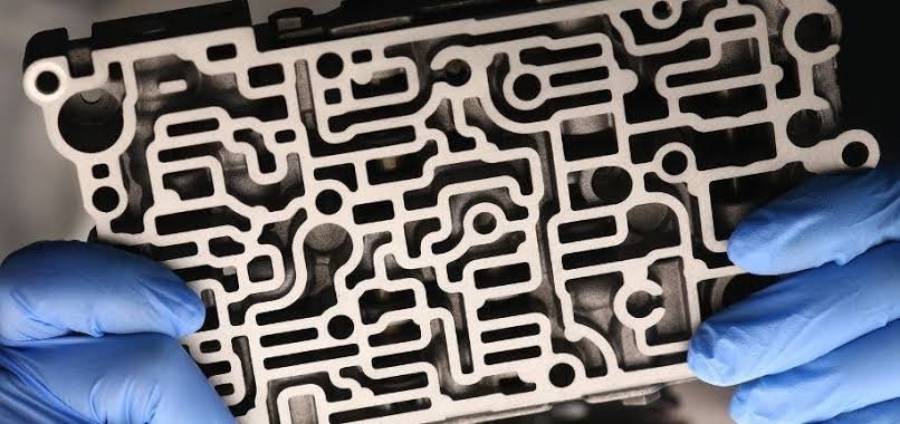
Transmission valve body replacement is a repair procedure that involves removing a defective valve body assembly and installing a new, rebuilt, or remanufactured unit inside an automatic transmission. The purpose of this repair is to restore hydraulic pressure regulation and correct gear shifting problems without replacing the entire transmission. The valve body acts as the transmission’s hydraulic control center, directing automatic transmission fluid (ATF) through internal passages to engage and release specific clutch packs and other gear-selection components.
The replacement process typically involves accessing the valve body through the transmission oil pan, disconnecting electrical connectors, removing the existing assembly, and installing a compatible replacement. However, the exact procedure depends on the transmission design. Some vehicles have externally mounted mechatronic assemblies, while others require additional component removal to access the valve body. Technicians must also inspect gaskets, seals, solenoids, and fluid condition to identify problems that could affect the replacement assembly.
Replacing a valve body differs from replacing an entire transmission because it addresses the hydraulic control system rather than the complete gearbox. A valve body replacement retains the existing transmission case, gear sets, shafts, and clutch assemblies. This makes it a less extensive repair when the internal mechanical components remain serviceable. For example, a transmission experiencing harsh shifts because of a sticking pressure-regulating valve may operate normally after the defective valve body is replaced. However, replacing the valve body will not repair worn clutch packs, damaged gears, or other internal mechanical failures.
What Are the Symptoms of a Bad Transmission Valve Body?
The four main symptoms of a bad transmission valve body are harsh shifting, delayed gear engagement, transmission slipping, and transmission-related warning lights. These problems develop when the valve body cannot regulate hydraulic pressure or direct transmission fluid correctly during gear changes. Symptoms vary according to the affected valves, solenoids, transmission design, and severity of the malfunction.
Harsh or jerky shifting occurs when hydraulic pressure is applied too abruptly or at an incorrect level during a gear change. A properly functioning valve body regulates fluid flow to coordinate the engagement and release of transmission clutches. When a pressure control valve sticks or a hydraulic passage develops excessive leakage, clutch engagement may become poorly controlled. Drivers may notice a sudden jolt when shifting from first to second gear, a hard downshift while slowing down, or an unusually strong engagement when selecting Drive or Reverse. Similar symptoms can also result from faulty engine or transmission mounts, incorrect fluid pressure, or electronic control problems.
Delayed gear engagement happens when the transmission takes longer than expected to respond after the driver selects Drive or Reverse. The valve body must direct pressurized transmission fluid to the appropriate clutch circuit before the selected gear can engage. Worn valve bores, sticking control valves, or internal hydraulic leaks can delay pressure buildup and cause a noticeable pause before the vehicle begins moving. For example, a driver may shift from Park into Drive and experience a delay followed by a sudden engagement. Low transmission fluid, a worn clutch assembly, or a failing transmission pump can produce similar behavior, making hydraulic testing important before replacement.
Transmission slipping occurs when the transmission fails to maintain the hydraulic pressure required to hold an engaged clutch securely. The engine speed may increase without a corresponding rise in vehicle speed, particularly during acceleration or gear changes. A malfunctioning valve body can contribute to slipping by supplying insufficient or unstable pressure to the clutch circuits. Continued operation under these conditions can generate excessive heat and accelerate friction material wear. However, slipping can also indicate worn clutch packs, contaminated transmission fluid, or internal seal damage. A valve body replacement alone will not correct slipping caused by mechanically damaged clutch components.
Transmission warning lights and diagnostic trouble codes can appear when the transmission control module detects abnormal shift performance, pressure regulation, or electrical operation. Depending on the vehicle, the dashboard may display a check engine light, transmission warning light, or message indicating a transmission malfunction. Diagnostic trouble codes such as P0750, which indicates a Shift Solenoid A malfunction, or P0776, which indicates a Pressure Control Solenoid B performance or stuck-off problem, can help identify the affected control circuit. These codes do not independently confirm valve body failure because wiring defects, damaged solenoids, fluid problems, and internal transmission faults can trigger related warnings.
A failing valve body may also cause the transmission to enter limp mode, a protective operating strategy that restricts gear selection or transmission performance when the control system detects certain faults. For example, a vehicle may remain in a single forward gear to reduce the risk of further damage. Limp mode is not exclusive to valve body failure and requires diagnostic testing to identify its cause.
Recognizing these symptoms helps determine when transmission inspection is necessary, but a valve body should only be replaced after diagnostic testing identifies a fault that the replacement can correct. Checking transmission fluid condition, retrieving diagnostic trouble codes, inspecting electrical connections, and following manufacturer-specific pressure or functional tests can distinguish valve body problems from other transmission failures.
How Do You Diagnose a Bad Transmission Valve Body?
Diagnosing a bad transmission valve body requires checking transmission fault codes, fluid condition, electrical components, and hydraulic pressure before confirming that the valve body needs replacement. These tests help distinguish internal valve body problems from defective shift solenoids, damaged wiring, low transmission fluid, and worn clutch assemblies. A transmission that shifts harshly or slips does not necessarily have a defective valve body because several transmission components can produce identical symptoms.
The first diagnostic step is retrieving stored diagnostic trouble codes (DTCs) using a scan tool capable of accessing the transmission control module (TCM). Generic OBD-II scanners can identify certain powertrain faults, but advanced diagnostic equipment provides transmission-specific codes, live sensor readings, commanded gear positions, and solenoid operation data. For example, code P0750 indicates a Shift Solenoid A malfunction, while P0776 identifies a Pressure Control Solenoid B performance or stuck-off condition. Neither code proves that the valve body assembly is defective. Technicians must investigate the associated electrical and hydraulic circuits to identify the actual failure.
Transmission fluid inspection is essential because incorrect fluid levels, contamination, and degraded fluid can interfere with hydraulic pressure regulation. Technicians check fluid level using the manufacturer’s specified temperature and measurement procedure, then examine the fluid for discoloration, burnt odors, and suspended debris. Dark fluid alone does not establish valve body failure, but significant metallic particles or friction material contamination can indicate internal transmission wear. For example, excessive clutch debris inside the transmission pan may suggest that replacing the valve body without addressing damaged friction components will not resolve the shifting problem.
Electrical testing helps determine whether a malfunction originates inside the valve body or from the transmission’s control system. Depending on the transmission design, technicians may measure solenoid resistance, inspect wiring continuity, check connector terminals, or perform bidirectional solenoid activation tests with a compatible scan tool. A damaged wiring harness can interrupt the electrical signal controlling a shift solenoid, producing symptoms similar to a stuck hydraulic valve. Some transmissions integrate solenoids and electronic control components into the valve body assembly, while others allow individual components to be serviced separately.
Hydraulic pressure testing can help confirm valve body faults when electronic diagnostics and fluid inspections do not identify the cause. Technicians compare measured transmission pressure with manufacturer specifications under defined operating conditions. Low or unstable pressure may indicate internal hydraulic leakage, worn valve bores, a malfunctioning pressure regulator, or problems with the transmission pump. Because pressure faults can originate outside the valve body, test results must be interpreted alongside transmission operating data and the manufacturer’s diagnostic procedures.
A valve body replacement is justified when diagnostic findings identify a defective hydraulic control assembly and other relevant transmission faults have been excluded. This prevents unnecessary replacement expenses and reduces the risk of installing a new valve body into a transmission with unresolved internal damage.
How Much Does Transmission Valve Body Replacement Cost?
Transmission valve body replacement typically costs $800 to $2,500 in the United States, including parts and labor, based on published 2026 repair estimates. The final price depends on the vehicle’s make and model, transmission design, replacement part type, labor rates, and additional service requirements. Vehicles with conventional automatic transmissions and accessible valve bodies generally cost less to repair than models equipped with integrated electronic or mechatronic control assemblies.
The following table provides an estimated breakdown of transmission valve body replacement expenses in the US market.
| Cost component | Estimated cost (USD) |
|---|---|
| Replacement valve body | $500–$1,200 |
| Labor | $200–$800 |
| Transmission fluid and filter | $50–$250 |
| Typical installed total | $800–$2,500 |
Source: Published 2026 US repair estimates. These are approximate component ranges, not additive line items for one vehicle. Programming, taxes, and additional repairs may increase the total.
Replacement costs increase when the repair requires additional transmission disassembly, specialized diagnostic equipment, or electronic module programming. For example, certain ZF 8HP70 applications use an integrated mechatronic assembly that can cost substantially more to replace than a conventional hydraulic valve body. The condition of the existing transmission also affects the final expense because internal clutch damage or contaminated hydraulic components may require additional repairs.
How Much Does a Replacement Transmission Valve Body Cost?
A replacement transmission valve body commonly costs $500 to $1,200 for the assembly alone, although prices vary significantly by transmission model and part configuration. New original equipment manufacturer (OEM) assemblies generally cost more than remanufactured alternatives. The price also depends on whether the replacement includes shift solenoids, pressure control components, or integrated transmission electronics.
OEM valve bodies are manufactured or supplied to meet the vehicle manufacturer’s specifications and are selected using the appropriate transmission identification and part number. Remanufactured valve bodies are previously used assemblies that have been inspected, repaired, and tested for reuse. A properly remanufactured unit may include corrected valve bore wear, replacement seals, and tested solenoids. For example, published estimates for a remanufactured GM 6T70 valve body range from $350 to $700, excluding installation and any separately required electronic control module.
Selecting a compatible valve body is essential because assemblies that appear physically identical may use different hydraulic calibrations, solenoid configurations, or electronic control components. Vehicle owners should verify the transmission model, part number, and applicable software requirements before purchasing a replacement. An incompatible assembly can cause incorrect shift timing, diagnostic trouble codes, or failure to complete the required calibration procedure.
How Much Does Labor Cost to Replace a Transmission Valve Body?
Labor for transmission valve body replacement commonly costs $200 to $800, with many conventional automatic transmission repairs requiring approximately 2 to 4 labor hours. Actual labor charges depend on the repair shop’s hourly rate, valve body accessibility, and manufacturer-specified service procedures. More complex transmission designs can require additional hours for component removal, electronic programming, and post-repair testing.
For example, a repair requiring 3 labor hours at $150 per hour produces a labor charge of $450 before parts, fluids, taxes, or other fees. A transmission with a valve body accessible through the oil pan generally requires less disassembly than a transaxle with a side-mounted valve body obstructed by suspension or drivetrain components. Some applications also require specialized procedures to establish the correct transmission fluid level at a specified operating temperature.
Additional expenses can include diagnostic testing, transmission fluid, replacement filters, gaskets, seals, and electronic calibration. Certain electronically controlled transmissions require the replacement control assembly to be programmed or adapted using manufacturer-compatible diagnostic equipment. These services should be identified separately in the repair estimate when they are not included in the quoted labor charge.
Vehicle owners should request an itemized estimate showing the replacement assembly, labor hours, fluid service, programming requirements, and warranty coverage. Comparing these details provides a more accurate assessment of repair value than comparing total prices alone, particularly when one estimate includes a complete solenoid-equipped valve body and another covers only the hydraulic assembly.
How Do You Replace a Transmission Valve Body?
Replacing a transmission valve body involves accessing the transmission’s hydraulic control assembly, removing the defective unit, installing a compatible replacement, and verifying proper transmission operation. The procedure typically requires draining transmission fluid, removing the transmission pan and filter, disconnecting electrical components, and carefully removing the valve body mounting bolts. After installation, technicians must refill the transmission with the specified automatic transmission fluid (ATF), inspect for leaks, and perform any required electronic calibration.
The exact replacement procedure depends on the vehicle manufacturer, transmission model, and valve body location. Many conventional automatic transmissions provide access through a removable transmission oil pan, while certain transaxles and electronically controlled transmissions require additional disassembly. Some integrated mechatronic assemblies also contain electronic control modules that require programming after installation. Because hydraulic passages, check balls, seals, and fastener locations differ between transmission designs, technicians must follow the manufacturer’s service instructions rather than applying one universal replacement procedure.
What Tools Are Needed to Replace a Transmission Valve Body?
Transmission valve body replacement requires mechanical hand tools, vehicle support equipment, fluid handling supplies, and transmission-specific service information. The correct equipment allows technicians to remove the assembly without damaging hydraulic components, electrical connectors, or transmission sealing surfaces.
The primary tools include a socket and ratchet set, calibrated torque wrench, screwdrivers, fluid drain pan, transmission fluid filling equipment, and a suitable vehicle lift or properly rated jack stands. Some transmissions require specialized fastener bits, alignment tools, or fluid-level adapters. A scan tool capable of communicating with the transmission control module may also be necessary for diagnostic checks, transmission adaptation procedures, or electronic programming.
A calibrated torque wrench is particularly important because valve body mounting bolts frequently secure aluminum components and must be tightened to manufacturer-specified values. Excessive tightening can damage threads or distort the valve body, while insufficient tightening can contribute to hydraulic leakage or improper assembly retention. For example, transmissions that use multiple valve body bolts of different lengths require careful identification of each bolt’s original position to prevent internal component damage during reinstallation.
Replacement materials typically include the correct valve body assembly, manufacturer-approved ATF, and any required gaskets, seals, filters, or single-use fasteners. The replacement assembly must match the transmission’s identification code and applicable part number. Technicians should also prepare a clean working area because dirt, lint, and metallic debris can interfere with the movement of precision hydraulic valves.
How Do You Remove and Install a Transmission Valve Body?
Removing and installing a transmission valve body generally involves eight main stages: vehicle preparation, fluid drainage, transmission access, electrical disconnection, valve body removal, replacement installation, fluid refilling, and operational verification. These stages describe the general workflow for a conventional automatic transmission with a serviceable valve body. The manufacturer-specific repair manual determines the exact sequence, fastener torque values, fluid requirements, and calibration procedures.
Step 1: Prepare and secure the vehicle. Park the vehicle on a level surface, apply the parking brake, and follow the manufacturer’s instructions for securing the vehicle and isolating electrical power where required. Allow hot transmission components to cool before beginning work. Raise the vehicle using an appropriate lift or designated lifting points with properly rated support equipment. Never work beneath a vehicle supported only by a hydraulic jack.
Step 2: Drain the transmission fluid. Position a suitable drain pan beneath the transmission and remove the drain plug where equipped. For transmissions without a drain plug, carefully loosen and remove the transmission pan according to the service procedure. Observe the drained fluid for excessive metallic particles, friction material, or other contamination. Significant debris may indicate internal transmission damage that should be investigated before installing a replacement valve body.
Step 3: Remove the transmission pan and filter. Remove the pan fasteners and carefully separate the pan from the transmission housing without damaging the sealing surfaces. Detach the transmission filter or pickup assembly when required to access the valve body. Inspect the pan magnets, filter, and surrounding components for abnormal debris. Clean reusable components using manufacturer-approved methods and replace damaged gaskets or seals. Certain transmission designs require additional external components to be removed before the valve body becomes accessible.
Step 4: Disconnect electrical connections and related components. Identify the transmission wiring harness, solenoid connectors, sensors, and any manual valve linkage connected to the assembly. Release electrical connector locks carefully to prevent damage to terminals and plastic housings. Depending on the transmission, technicians may also need to remove an internal wiring harness, retaining brackets, or a parking linkage component. Document connector locations and component positions to support accurate reassembly.
Step 5: Remove the defective valve body. Identify the valve body mounting bolts and loosen them in the sequence specified by the manufacturer. Support the assembly during removal because the valve body may contain components that can shift or separate when fasteners are released. Keep track of bolt lengths, mounting positions, seals, and any loose hydraulic components. On transmissions with removable separator plates or check balls, their locations and orientation must be preserved exactly as specified in the service documentation.
Step 6: Install the replacement valve body. Compare the replacement assembly with the original component to confirm compatibility, including hydraulic passages, electrical connectors, solenoid configuration, and mounting points. Install the required new seals, gaskets, and other service components before positioning the valve body. Align the assembly carefully with the transmission case and engage the manual valve or linkage correctly where applicable. Tighten mounting bolts in the specified sequence using the manufacturer’s torque values. Incorrect bolt placement, seal installation, or manual valve engagement can cause serious shifting problems after reassembly.
Step 7: Reinstall components and refill transmission fluid. Reconnect the electrical harness and reinstall the transmission filter, oil pan, and any components removed for access. Use the specified gasket or sealant procedure and tighten fasteners to the required torque. Refill the transmission with the exact ATF specification and quantity appropriate for the service performed. Many modern automatic transmissions require fluid-level verification within a defined temperature range, using a scan tool to monitor transmission fluid temperature. Incorrect fluid levels can cause delayed engagement, slipping, overheating, or aeration.
Step 8: Perform electronic checks and verify transmission operation. Use compatible diagnostic equipment to inspect transmission-related fault codes and complete programming, coding, or adaptation procedures when required. Start the engine and follow the manufacturer’s instructions for checking fluid level, selecting gear ranges, and confirming hydraulic operation. Inspect the transmission pan, electrical connectors, and sealing surfaces for leaks. Complete a controlled road test when the transmission is operating normally and the required checks have passed, monitoring shift quality, engagement response, and diagnostic data.
A successful transmission valve body replacement restores the intended hydraulic control functions without introducing new shifting faults, fluid leaks, or electronic control problems. However, replacing the assembly does not guarantee that every transmission symptom will disappear. Persistent slipping, delayed engagement, or abnormal shift pressure after installation may indicate incorrect fluid levels, incomplete calibration, wiring faults, or internal mechanical damage.
For example, a vehicle that continues to slip after receiving a correctly installed valve body may have worn clutch friction plates that cannot maintain engagement even when hydraulic pressure is properly controlled. In this situation, additional diagnosis is necessary rather than repeatedly replacing hydraulic control components. The final repair should therefore be verified through manufacturer-specified checks and transmission performance testing.
How Long Does It Take to Replace a Transmission Valve Body?
Transmission valve body replacement typically takes 2 to 4 labor hours for accessible conventional automatic transmissions, while complex designs can require 5 to 8 hours or longer. The actual repair time depends on valve body location, transmission configuration, component accessibility, and additional service requirements. These are general planning estimates rather than manufacturer-specific labor allowances.
Transmissions with valve bodies accessible through the oil pan generally require less labor because technicians can reach the hydraulic control assembly without removing the entire transmission. For example, replacing an accessible valve body may involve draining the fluid, removing the pan and filter, disconnecting electrical components, and installing the replacement assembly. In contrast, certain front-wheel-drive transaxles have side-mounted valve bodies that require additional drivetrain or suspension component removal, increasing labor time.
Total shop turnaround time can exceed the actual replacement labor time because diagnosis, parts availability, electronic programming, and post-repair testing add to the service process. A repair requiring 3 hours of mechanical labor may still keep a vehicle at the repair shop for an entire working day. If the replacement assembly requires special ordering or manufacturer-specific programming equipment, the repair may take several days.
Technicians should also allow sufficient time to verify transmission fluid levels at the specified temperature, perform required adaptation procedures, and complete a road test. Skipping these checks to shorten repair time can leave hydraulic pressure problems, incorrect fluid levels, or unresolved shifting faults undetected.
Does a New Transmission Valve Body Need Programming?
A new transmission valve body requires programming or electronic adaptation only when the transmission manufacturer specifies these procedures for the replacement assembly. Conventional hydraulic valve bodies without integrated electronic control modules may not require software programming, while electronically controlled valve bodies and mechatronic assemblies can require coding, calibration, or transmission adaptation after installation.
Programming and adaptation are different procedures. Programming involves installing or configuring software and vehicle-specific data in an electronic control module. Adaptation or relearning allows the transmission control system to establish or update operating parameters, such as clutch fill times and pressure adjustments, based on transmission behavior. Some vehicles require both procedures, while others require neither after a mechanical valve body replacement.
For example, certain transmissions integrate the transmission control module, pressure control solenoids, and hydraulic valve body into a single mechatronic assembly. Replacing this assembly may require manufacturer-compatible diagnostic software to configure the electronic module and complete initialization procedures. In contrast, replacing a purely hydraulic valve body while retaining the original electronic control components may not require module programming, although a manufacturer-specified adaptive reset or relearn procedure may still apply.
Transmission adaptation procedures help the control module coordinate hydraulic pressure and clutch engagement after repairs. Modern automatic transmissions use electronic feedback to adjust shift timing and pressure according to operating conditions and component characteristics. A replacement valve body can change hydraulic response because its valves, solenoids, and internal clearances differ from those of the previous assembly. When required by the manufacturer, adaptation allows the control system to establish appropriate operating parameters for the repaired transmission.
The exact relearning procedure varies by transmission model. Some vehicles perform adaptive adjustments automatically during normal driving, while others require a scan-tool-guided process involving specific gear selections, fluid temperatures, acceleration patterns, or driving conditions. Certain systems also require transmission identification data or solenoid calibration values to be entered before operation. Technicians should follow the manufacturer’s service information rather than performing a generic adaptation reset on every transmission.
Incorrect or incomplete programming can cause harsh shifts, delayed engagement, transmission warning lights, or restricted transmission operation. However, these symptoms do not automatically indicate a programming problem. Incorrect fluid levels, incompatible replacement parts, damaged electrical connections, and internal mechanical faults can produce similar results.
After installing a replacement valve body, technicians should verify whether the transmission requires programming, coding, adaptation, or a controlled relearning drive. They should then check for diagnostic trouble codes, confirm proper gear engagement, and evaluate shift quality under the operating conditions specified by the manufacturer. A successful repair requires both correct mechanical installation and completion of any applicable electronic service procedures.
Is It Worth Replacing a Transmission Valve Body?
Replacing a transmission valve body is worth the cost when diagnostic testing confirms a valve body failure and the transmission’s internal mechanical components remain in good condition. Valve body replacement addresses hydraulic control problems without requiring a complete transmission replacement, making it a practical repair for vehicles experiencing shifting problems caused by defective valves, damaged hydraulic passages, or malfunctioning control components.
The financial value of replacement depends on three primary factors: the cost of the valve body repair, the condition of the remaining transmission components, and the vehicle’s overall value. A transmission with healthy clutch packs, functional gear sets, and no evidence of significant internal damage is a stronger candidate for valve body replacement than one with extensive friction material contamination or mechanical wear. For example, spending $1,500 to replace a confirmed defective valve body may be reasonable when the alternative is a substantially more expensive transmission replacement and the existing gearbox is otherwise serviceable.
Valve body replacement is less likely to provide lasting value when shifting problems result from internal transmission damage rather than hydraulic control failure. Worn clutch packs, damaged planetary gear components, and failing transmission pumps can produce symptoms similar to those of a defective valve body. Installing a new valve body cannot restore worn friction materials or repair damaged mechanical components. If the transmission continues slipping because its clutch assemblies cannot maintain engagement, replacing the hydraulic control assembly alone will not resolve the underlying problem.
Vehicle owners should compare the total repair estimate with the vehicle’s market value, mileage, maintenance history, and expected remaining service life. Warranty coverage also affects the decision because a professionally remanufactured valve body with documented testing and appropriate warranty protection may offer better long-term value than an inexpensive, untested used assembly. The replacement decision should follow a confirmed diagnosis rather than relying solely on symptoms or diagnostic trouble codes.
Can a Transmission Valve Body Be Repaired Instead of Replaced?
A transmission valve body can be repaired instead of replaced when the failure is limited to serviceable components such as individual solenoids, worn valve bores, damaged seals, or sticking hydraulic valves. Repair feasibility depends on the transmission design, extent of component wear, availability of replacement parts, and whether the valve body can be disassembled and restored to its required operating specifications.
Solenoid replacement is one repair option when diagnostic testing identifies a defective shift solenoid or pressure control solenoid that can be serviced separately. These electrically operated components regulate hydraulic fluid flow according to commands from the transmission control module. A malfunctioning solenoid can interrupt pressure regulation or prevent the transmission from completing a commanded gear change. For example, replacing an independently serviceable pressure control solenoid may restore proper shifting without replacing the complete valve body assembly. However, some transmissions integrate solenoids into assemblies that require additional calibration or replacement as a unit.
Valve body rebuilding addresses mechanical wear and hydraulic leakage inside the assembly. During rebuilding, a transmission specialist disassembles the valve body, inspects its hydraulic passages and valves, and measures critical components for wear. Worn valve bores may be restored using specialized machining equipment and compatible oversized valves or repair sleeves. Technicians also inspect separator plates, gaskets, springs, and check balls where applicable. These repairs restore hydraulic control when the damaged components can be brought back within the required tolerances.
Cleaning and servicing a valve body can also resolve certain problems caused by deposits or contamination, provided the components have not suffered permanent wear or damage. However, cleaning alone cannot repair enlarged valve bores, damaged hydraulic surfaces, or defective electronic components. Excessive abrasive debris inside the transmission may also indicate an underlying mechanical failure that must be corrected before a repaired valve body is installed.
Complete valve body replacement becomes the more practical option when multiple internal components are damaged, repair parts are unavailable, or rebuilding costs approach the price of a tested replacement assembly. A new or professionally remanufactured valve body can reduce uncertainty associated with repairing several individual components, particularly when the replacement includes inspected solenoids and corrected hydraulic wear. The best option depends on verified repair costs, component availability, transmission compatibility, and warranty terms.
When Is Replacing the Entire Transmission a Better Option?
Replacing the entire transmission is a better option when extensive internal mechanical damage makes valve body replacement insufficient or when the total cost of individual repairs approaches the price of a complete transmission replacement. This decision is especially relevant when the transmission has damaged clutch packs, worn gear components, severe internal contamination, or multiple failures affecting both hydraulic and mechanical systems.
One major indication is substantial friction material or metallic debris inside the transmission pan. Friction material contamination can indicate deteriorating clutch assemblies, while excessive metal particles may result from damaged bearings, gears, or other rotating components. These findings require further inspection because a new valve body cannot correct the source of internal debris. Continued circulation of contaminated transmission fluid can also damage the replacement assembly by obstructing hydraulic passages or accelerating valve wear.
Repeated transmission slipping accompanied by confirmed clutch damage is another reason to consider complete transmission repair or replacement. A transmission that has operated with insufficient hydraulic pressure for an extended period may develop excessive heat and friction material wear. Even after the original pressure regulation problem is corrected, damaged clutch packs may no longer hold the required torque. For example, replacing a defective valve body will not restore normal operation if the transmission has already suffered severe clutch deterioration from prolonged slipping.
The economic decision should account for the complete cost of restoring reliable transmission operation rather than comparing individual parts prices. A valve body replacement estimate may initially appear lower than a transmission replacement quote, but additional repairs involving clutch assemblies, seals, pumps, or electronic components can increase the final expense. Vehicle owners should request separate estimates for valve body replacement, transmission rebuilding, and installation of a remanufactured transmission when diagnostic findings justify those alternatives.
A complete transmission replacement is not automatically necessary when the valve body fails. If testing confirms that the hydraulic control assembly is defective while the transmission’s mechanical components remain serviceable, replacing the valve body is generally the less extensive repair. Conversely, when internal damage is widespread, replacing or rebuilding the entire transmission may provide a more comprehensive solution and stronger warranty coverage than repairing individual components separately.
The final decision should be based on documented diagnostic findings, total repair costs, parts availability, warranty protection, and the vehicle’s expected remaining service life. A qualified transmission specialist can determine whether replacing the valve body will restore reliable operation or whether the condition of the gearbox justifies a more extensive repair.
What Does a Transmission Valve Body Do?
A transmission valve body controls hydraulic fluid distribution inside an automatic transmission to regulate gear engagement, shift timing, and clutch operation. It contains interconnected fluid passages, control valves, and, in electronically controlled transmissions, solenoids that direct pressurized automatic transmission fluid (ATF) to specific transmission components. This hydraulic control allows the transmission to engage and release clutch packs in the correct sequence as driving conditions change.
The valve body receives pressurized transmission fluid from the transmission pump and distributes it through hydraulic circuits according to the transmission’s operating requirements. In electronically controlled automatic transmissions, the transmission control module (TCM) uses information such as vehicle speed, engine load, throttle position, and transmission temperature to determine the appropriate gear and shift strategy. The TCM then commands shift solenoids and pressure control solenoids, which influence fluid flow and pressure within the valve body. For example, during an upshift from second to third gear, the control system coordinates the release and application of specific clutch elements to complete the gear change without excessive slipping or harsh engagement.
Hydraulic pressure regulation is one of the valve body’s most important functions because automatic transmission clutches require controlled fluid pressure to engage correctly. Excessive pressure can produce harsh shifts, while insufficient pressure can allow clutch slippage and generate damaging heat. Pressure-regulating valves and electronically controlled solenoids work together to manage these hydraulic conditions according to transmission design. The valve body also directs fluid through circuits associated with functions such as torque converter clutch operation, lubrication, and transmission cooling where applicable.
The valve body’s operation depends on precise clearances between its internal valves and hydraulic passages. These components are manufactured to control fluid movement under changing pressure and temperature conditions. Wear, contamination, or internal leakage can disrupt the intended hydraulic response and interfere with gear changes. Because the valve body connects electronic shift commands with mechanical clutch engagement, its condition directly affects transmission shift quality, efficiency, and operating reliability.
Read more: Is It Worth Replacing a Transmission? Costs & Value
What Causes a Transmission Valve Body to Fail?
The five main causes of transmission valve body failure are contaminated transmission fluid, valve bore wear, malfunctioning solenoids, hydraulic leakage, and excessive transmission heat. These problems interfere with the valve body’s ability to regulate fluid pressure and direct hydraulic flow through the correct transmission circuits. The resulting malfunction may affect individual gear changes, clutch engagement timing, or overall transmission performance.
Contaminated transmission fluid can damage a valve body by introducing abrasive particles and deposits into its precision hydraulic passages. Automatic transmission fluid carries contaminants generated through normal component wear, including small amounts of clutch friction material and metallic particles. When contamination becomes excessive, debris can interfere with valve movement, obstruct small hydraulic passages, or accelerate wear between valves and their bores. For example, a pressure-regulating valve that becomes restricted by accumulated deposits may respond inconsistently to changes in hydraulic pressure, contributing to delayed or harsh shifting. Contamination may also indicate internal transmission damage that requires attention beyond valve body service.
Valve bore wear develops when repeated valve movement gradually increases the clearance between a hydraulic valve and its surrounding bore. These clearances are critical because hydraulic circuits must maintain sufficient pressure to operate clutch packs and other transmission components. As wear increases, pressurized fluid can leak past the valve instead of reaching its intended circuit. This internal leakage reduces hydraulic control accuracy and can cause pressure instability, delayed clutch engagement, or shift quality problems. For example, excessive wear in a pressure regulator valve bore may prevent the transmission from maintaining the pressure required under certain driving conditions. Specialized valve body rebuilding procedures can restore selected worn bores when suitable repair components are available.
Solenoid malfunctions can disrupt valve body operation by preventing the transmission control system from regulating hydraulic flow correctly. Shift solenoids and pressure control solenoids use electrical signals to influence hydraulic circuits, allowing the transmission to select gears and adjust clutch application pressure. A solenoid may fail because of an electrical open circuit, internal short circuit, mechanical sticking, or contamination. For example, a pressure control solenoid that cannot respond correctly to TCM commands may produce incorrect clutch application pressure during acceleration. However, a defective solenoid does not always mean the entire valve body requires replacement because some transmission designs allow individual solenoids to be tested and serviced separately.
Internal hydraulic leakage occurs when damaged seals, worn valve surfaces, or defective separator plate components allow transmission fluid to escape from its intended pressure circuit. Valve bodies rely on correctly positioned gaskets, sealing surfaces, and hydraulic passages to maintain controlled fluid distribution. A damaged separator plate gasket can allow fluid to cross between adjacent circuits, reducing pressure where it is needed. In some transmissions, worn check ball seats or damaged sealing components can also interfere with hydraulic operation. These faults may cause delayed engagement, incorrect shift timing, or slipping, depending on the affected circuit. Identifying the specific leakage path is necessary because similar pressure losses can originate from clutch seals, transmission pumps, or other components outside the valve body.
Excessive transmission heat accelerates valve body deterioration by affecting transmission fluid properties, sealing materials, and hydraulic component wear. Automatic transmission fluid must maintain suitable viscosity and friction characteristics across the manufacturer’s specified operating temperature range. Prolonged overheating accelerates fluid oxidation and can contribute to varnish deposits that restrict valve movement. Heat can also accelerate the deterioration of seals and other temperature-sensitive components. For example, a transmission operating with inadequate cooling or repeated excessive clutch slipping may develop degraded fluid and deposits that interfere with pressure control valve operation.
Transmission valve body failures frequently involve more than one contributing condition. Contaminated fluid can accelerate valve bore wear, while excessive heat can promote fluid degradation and deposit formation. These interactions make it important to identify the underlying cause of the failure rather than replacing the assembly without inspecting the transmission’s condition.
Preventing repeated valve body failure requires correcting the conditions that damaged the original assembly. Installing a replacement valve body into a transmission containing excessive debris, unresolved overheating problems, or damaged hydraulic components can lead to recurring shifting faults. A complete repair assessment should therefore include transmission fluid condition, evidence of internal wear, electrical system integrity, and the operation of related hydraulic components.
How Can You Prevent Transmission Valve Body Problems?
Preventing transmission valve body problems requires using the correct transmission fluid, following manufacturer-recommended maintenance intervals, controlling transmission temperature, and addressing shifting abnormalities before they cause further damage. These practices help maintain stable hydraulic pressure, reduce internal component wear, and limit contamination inside the valve body. Although regular maintenance cannot prevent every mechanical or electrical failure, it reduces several conditions associated with premature hydraulic control system deterioration.
Maintaining the correct transmission fluid specification and level is essential for protecting valve body components. Automatic transmission fluid provides hydraulic pressure, lubrication, cooling, and friction characteristics required for proper transmission operation. Using an incompatible fluid can alter clutch engagement behavior and hydraulic performance, while insufficient fluid can introduce air into the hydraulic system and disrupt pressure regulation. For example, a transmission designed for a specific low-viscosity ATF formulation may experience shifting problems when filled with a fluid that does not meet the manufacturer’s requirements. Vehicle owners should use the exact fluid specification identified in the owner’s manual or transmission service documentation.
Following the manufacturer’s transmission fluid service schedule helps control contamination and fluid deterioration. Maintenance intervals vary according to transmission design, operating conditions, and vehicle manufacturer recommendations. Vehicles exposed to frequent towing, heavy loads, repeated stop-and-go driving, or high operating temperatures may require different service intervals when specified by the manufacturer. During transmission servicing, technicians should inspect the fluid, replace serviceable filters when required, and examine the transmission pan for abnormal debris. Significant metallic particles or excessive friction material should trigger further inspection rather than routine fluid replacement alone.
Controlling transmission temperature helps preserve fluid quality and protect hydraulic components from accelerated wear. Excessive heat promotes transmission fluid oxidation, deposit formation, and deterioration of temperature-sensitive sealing materials. Drivers can reduce overheating risks by maintaining the transmission cooling system, observing vehicle towing limits, and addressing cooling-related faults promptly. For example, a restricted transmission cooler can reduce heat removal during prolonged towing, increasing fluid temperature and accelerating degradation. Vehicles equipped with transmission temperature monitoring systems should be operated according to manufacturer guidance when overheating warnings appear.
Early diagnosis of abnormal shifting prevents unresolved hydraulic problems from causing additional transmission damage. Harsh shifts, delayed engagement, unexpected slipping, and transmission warning lights can indicate developing problems involving valve body operation, solenoids, fluid pressure, or internal mechanical components. Continuing to drive with significant slipping can generate excessive heat and damage clutch friction materials. For example, a sticking pressure control valve that initially causes inconsistent shifts may contribute to accelerated clutch wear when the underlying pressure problem remains uncorrected. Prompt diagnostic testing helps identify the cause before additional components are affected.
Transmission maintenance should also include checking for fluid leaks, damaged electrical connectors, and transmission-related diagnostic trouble codes when symptoms appear. Leaking seals or damaged cooler lines can reduce fluid levels, while corroded connectors may interrupt electronic commands to shift and pressure control solenoids. Correcting these faults helps maintain the electrical and hydraulic conditions required for reliable valve body operation.
The most effective prevention strategy is to maintain the transmission according to its manufacturer-specific requirements and investigate operating problems before extensive damage develops. Proper fluid maintenance, temperature control, and timely diagnostics protect the valve body’s hydraulic passages, control valves, and associated solenoids. These practices also support the reliability of the transmission’s clutch assemblies and other internal components, reducing the likelihood of unnecessary valve body replacement or more extensive transmission repairs.