If your Check Engine Light is on, your car’s diagnostic system has detected a problem. The fault may involve the engine, powertrain, emissions system, or another monitored component. However, the warning does not always mean your engine has serious damage. A loose fuel cap, faulty sensor, or engine misfire can all trigger the light.
The light’s behavior can help you judge the urgency. A solid Check Engine Light usually means the system has found a fault that needs diagnosis. A flashing light requires faster action. It can signal an active engine misfire or another serious problem. Continued driving may then damage the catalytic converter or other components.
Your car also stores Diagnostic Trouble Codes when it detects specific faults. A mechanic or vehicle owner can retrieve these codes with an OBD-II scanner. The codes identify where the diagnostic process should begin. However, they do not always identify the exact part that caused the problem.
This guide explains what your Check Engine Light means and why it comes on. It also covers driving safety, common causes, diagnosis, and the steps you should take next.
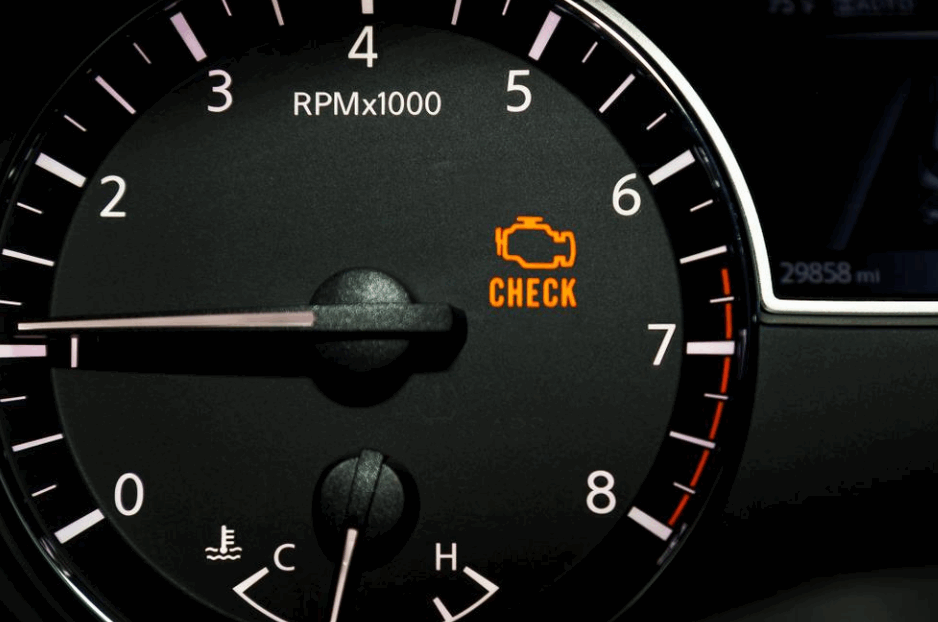
What Does It Mean When Your Check Engine Light Is On?
When your Check Engine Light is on, your car has detected a fault in a monitored system. Automakers also call this warning the Malfunction Indicator Lamp, or MIL. The light forms part of the vehicle’s onboard diagnostic system. This system monitors the engine, emissions equipment, and other powertrain components.
The Engine Control Module or Powertrain Control Module receives information from sensors throughout the vehicle. It compares that information with expected operating conditions. When the computer detects a qualifying fault, it records a Diagnostic Trouble Code. It may then turn on the Check Engine Light to alert the driver.
The warning does not always mean the engine itself has mechanical damage. Problems with ignition, fuel delivery, sensors, emissions equipment, or the EVAP system can also trigger it. Some faults cause noticeable symptoms, while others have little immediate effect on how the car drives.
The light’s behavior also provides important context. A solid Check Engine Light usually indicates a fault that requires diagnosis. A flashing light demands more urgent attention. It can appear when the system detects a severe engine misfire or another serious condition.
You should therefore treat the Check Engine Light as a diagnostic warning rather than a diagnosis. The light tells you that the vehicle detected a problem. Further testing must identify the actual cause.
Why Is Your Check Engine Light On?
Your Check Engine Light can turn on when the vehicle detects problems with ignition, airflow, fuel, emissions, or EVAP systems. Several faults can produce similar warnings, so proper diagnosis matters.
A loose or damaged fuel cap is one possible cause. The EVAP system controls fuel vapors and checks the system for leaks. A poor seal can allow vapor to escape. The vehicle may detect this leak and store a related trouble code.
Ignition problems also trigger Check Engine Lights. Worn spark plugs or failing ignition coils can prevent proper combustion. This can cause an engine misfire. The vehicle monitors combustion behavior and can record a fault when it detects repeated misfires.
Airflow and exhaust sensors provide another group of possible causes. The mass airflow sensor helps the engine computer calculate how much air enters the engine. Oxygen sensors monitor conditions in the exhaust. Incorrect readings can affect fuel control or indicate another problem within the system.
Catalytic converter and emissions faults can also activate the warning. However, a related trouble code does not prove that the catalytic converter needs replacement. Another engine or emissions problem may cause the abnormal reading.
For this reason, drivers should avoid replacing parts based only on the warning light. The Check Engine Light identifies the need for diagnosis. Testing determines which fault actually caused it.
What Is the Difference Between a Solid and Flashing Check Engine Light?
A solid Check Engine Light signals a detected fault, while a flashing light indicates a more urgent problem. Both warnings require attention, but they call for different responses from the driver.
A solid light means the vehicle has found a fault that meets the conditions for activating the warning. The car may still start, accelerate, and drive normally. This can happen with faults that do not create obvious symptoms. However, normal operation does not mean you should ignore the warning. The vehicle still needs diagnosis to identify the cause.
A flashing Check Engine Light requires greater urgency. It can appear when the vehicle detects a severe engine misfire. A misfire occurs when combustion fails in one or more cylinders. This problem can allow unburned fuel to enter the exhaust system.
Unburned fuel can raise the temperature inside the catalytic converter. Excessive heat can damage the converter and increase the cost of repairs. A severe misfire can also cause rough running, shaking, poor acceleration, or loss of engine power.
Always consider the warning light together with the vehicle’s behavior. A solid light without severe symptoms usually gives you more time to arrange a diagnosis. A flashing light with rough running or power loss requires immediate attention. The difference helps you decide how quickly you need to respond.
Can You Drive With the Check Engine Light On?
You can sometimes drive with a solid Check Engine Light if the vehicle continues to operate normally. You should not assume that every illuminated warning allows safe driving, though. The light’s behavior and the vehicle’s symptoms determine the level of risk.
First, check whether the light stays solid or starts flashing. Next, pay attention to the way the engine runs. Smooth operation and normal power suggest less immediate risk than severe shaking or major power loss. You should also monitor the engine temperature and other dashboard warnings.
Stop driving when serious symptoms appear. These symptoms include severe shaking, overheating, smoke, unusual engine noises, or a major loss of power. A flashing Check Engine Light also calls for a faster response, especially when the engine runs poorly. Continuing to drive may worsen the original fault or damage other components.
A solid light with no major symptoms may allow a short trip to a safe location or repair facility. However, you should arrange a diagnosis as soon as practical. Some faults can increase fuel consumption or emissions before they cause noticeable drivability problems.
The key distinction is simple. A vehicle that still drives normally does not necessarily have a harmless fault. Treat continued driving as a temporary decision, not a reason to ignore the Check Engine Light.
What Should You Do When Your Check Engine Light Comes On?
When your Check Engine Light comes on, first determine whether the light is solid or flashing. Then check how the vehicle behaves. These two observations help you decide whether you can continue driving or need to stop.
Pay attention to changes in engine performance. Rough running, severe shaking, power loss, smoke, or unusual noises can signal a serious fault. Check the engine temperature and look for other dashboard warnings as well. Stop in a safe location if the vehicle shows severe symptoms.
You can also check for simple problems when the vehicle runs normally. For example, inspect the fuel cap after refueling. Make sure it sits correctly and seals as designed. A loose or damaged cap can cause an EVAP system fault on vehicles that use this type of cap.
The next step is to retrieve the stored Diagnostic Trouble Codes with an OBD-II scanner. Record the codes before clearing them. They provide useful information about the system that detected a problem.
Also consider what happened before the light appeared. Recent refueling, repairs, maintenance, rough running, or changes in fuel economy can provide useful diagnostic context.
Do not start replacing parts based on the warning light alone. First assess the severity of the problem. Then use the stored codes and proper testing to identify the root cause.
How Is a Check Engine Light Diagnosed?
A Check Engine Light diagnosis starts by retrieving the stored Diagnostic Trouble Codes and identifying the affected system. The diagnostic process then uses inspection, vehicle data, and testing to find the actual cause.
An OBD-II scanner communicates with the vehicle’s diagnostic system. It can retrieve DTCs and other available information from the control modules. The code gives the technician or vehicle owner a starting point for further investigation.
For example, a code may indicate that the computer detected a misfire in a specific cylinder. The code identifies the detected condition. It does not automatically explain why the cylinder misfired. A worn spark plug, ignition problem, fuel issue, or mechanical fault could produce that condition.
Diagnosis therefore follows a logical sequence. The technician retrieves the code and identifies the affected system. Next, they inspect relevant components and analyze available data. They then perform appropriate tests to isolate the cause. After completing the repair, they verify that the fault no longer occurs.
Why Shouldn’t You Replace a Part Based Only on an OBD-II Code?
You should not replace a part based only on an OBD-II code because one diagnostic condition can have several causes. A code describes what the vehicle detected, not always which component failed.
For example, a lean condition can result from unwanted air entering the engine or a fuel delivery problem. Sensor data can also contribute to the diagnosis. Replacing a sensor without testing may leave the original fault unresolved.
An OBD-II code therefore tells you where to start. Proper testing tells you what needs repair.
Can the Check Engine Light Turn Off by Itself?
The Check Engine Light can turn off by itself when the vehicle no longer detects the fault that triggered the warning. This does not always mean the underlying problem has disappeared. Some faults occur only under specific driving or operating conditions.
The vehicle’s computer monitors different systems while you drive. When it detects a qualifying fault, it records diagnostic information and may turn on the Check Engine Light. If the fault stops occurring, the system may stop illuminating the light after completing its monitoring process.
Intermittent problems can create this pattern. For example, an EVAP leak may appear under certain conditions but remain undetected at other times. A loose electrical connection can also create a fault that comes and goes. Changes in temperature, engine load, or vehicle operation may affect when some problems appear.
Diagnostic information can remain useful even after the light turns off. An OBD-II scanner may retrieve stored or historical information that helps trace the original problem. This information gives valuable context when the warning appears only occasionally.
Do not assume that a disappearing light means the vehicle has repaired itself. Pay attention if the Check Engine Light returns or if the car develops new symptoms. A recurring warning suggests that the vehicle continues to detect a fault under certain conditions. Diagnosis can identify why the problem appears, disappears, and returns.
Why Does the Check Engine Light Come Back After Being Reset?
The Check Engine Light usually comes back after a reset because the vehicle detects the same unresolved fault again. Clearing the light removes diagnostic information or resets its status. It does not repair the condition that caused the warning.
After a reset, the vehicle starts monitoring its systems again as driving conditions allow. The computer checks components and operating conditions through its diagnostic monitors. If the original problem remains, the system can detect it again. It then records a new trouble code and may reactivate the Check Engine Light.
For example, clearing a code will not repair a leaking EVAP system. It will not fix a failing ignition component or damaged wiring either. The warning may stay off until the vehicle runs the relevant monitor again. Once the system detects the fault, the light can return.
This explains why simply clearing codes is not an effective repair strategy. Disconnecting the battery may also remove or reset certain diagnostic information on some vehicles. However, it does not correct the physical or electrical cause of the fault.
The correct approach focuses on the root cause. Retrieve the code, identify the affected system, and perform the required tests. Repair the confirmed fault and verify the result afterward. This process addresses the problem instead of temporarily removing its warning.
How Can You Reduce the Risk of Check Engine Light Problems?
Regular vehicle maintenance can reduce the risk of problems that trigger the Check Engine Light. It cannot prevent every warning because sensors, electrical parts, and mechanical components can still fail. However, proper maintenance helps key engine and emissions systems operate as designed.
Follow the maintenance schedule that your vehicle manufacturer provides. Timely maintenance helps prevent neglected components from creating larger problems. Spark plugs provide a clear example. Worn plugs can cause poor combustion and engine misfires. The diagnostic system may detect repeated misfires and turn on the Check Engine Light.
Address changes in engine performance early as well. Rough idling, hesitation, reduced power, and unusual fuel consumption can indicate a developing problem. Early diagnosis can identify the cause before the fault affects other components. A persistent misfire, for example, can place additional stress on the catalytic converter.
Pay attention to the fuel and emissions systems too. Make sure the fuel cap seals correctly if your vehicle uses one. A damaged seal can allow fuel vapor to escape and cause an EVAP fault. You should also investigate recurring emissions codes instead of repeatedly clearing them.
Finally, do not treat resetting the Check Engine Light as routine maintenance. A reset only removes or changes the warning status. It does not correct the underlying fault. Proper maintenance and timely diagnosis address the conditions that cause the warning in the first place.
What Should You Remember When Your Check Engine Light Is On?
When your Check Engine Light is on, your vehicle has detected a fault that requires attention. The warning does not always signal major engine damage. However, you should not ignore it because the underlying problem can affect performance, emissions, fuel use, or other components.
Start by checking how the warning light behaves. A solid Check Engine Light usually gives you more time to arrange a diagnosis when the vehicle runs normally. A flashing light requires faster action, especially if the engine shakes, loses power, overheats, or shows other serious symptoms.
The next step is to identify the cause. An OBD-II scanner can retrieve Diagnostic Trouble Codes and show where the diagnostic process should begin. However, a code does not always identify the exact failed part. Proper testing must confirm the root cause before you replace components or perform repairs.
Use a simple process whenever the warning appears. Assess the severity, retrieve the diagnostic information, identify the cause, repair the confirmed fault, and verify the result. This approach helps you respond to a Check Engine Light based on evidence instead of guesswork.