Protecting your car’s paint is an important part of maintaining its appearance and long term value. Daily exposure to sunlight, rain, road grime, bird droppings, tree sap, and other contaminants can gradually affect the clear coat and leave the paint looking dull. Two of the most common ways to protect automotive paint are car wax and ceramic coating.
Ceramic coating and wax can both improve gloss, water repellency, and surface protection. However, they work in different ways and offer very different levels of durability. Wax creates a temporary protective layer that needs regular reapplication, while ceramic coating forms a more durable bond with the paint surface.
Understanding the differences between ceramic coating vs wax can help you choose the right protection for your vehicle. The best option depends on how long you want the protection to last, how often you maintain your car, where you park it, and how much you are willing to spend.
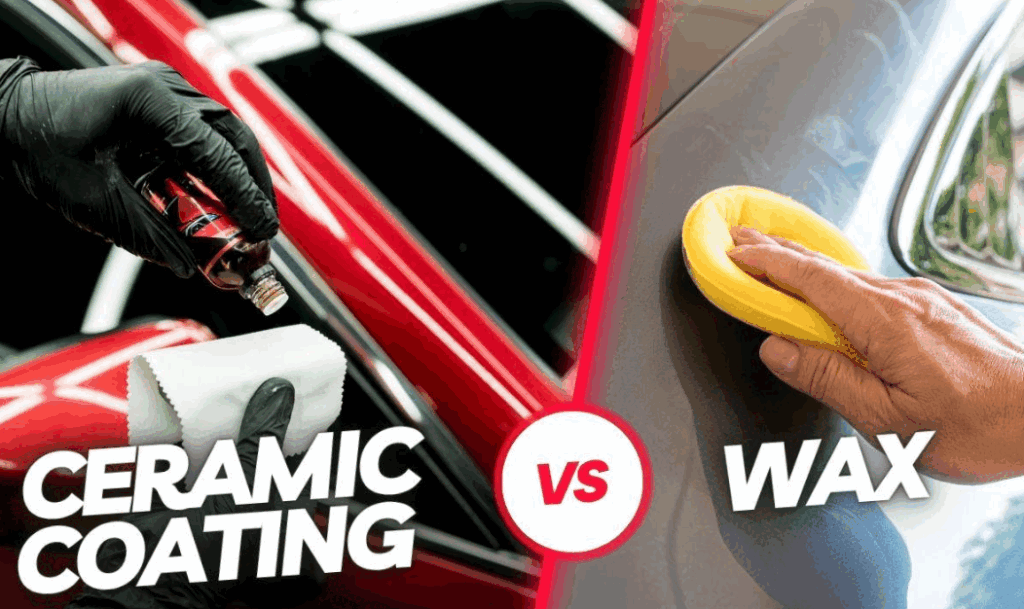
What Is the Difference Between Ceramic Coating and Wax?
Car wax is a traditional paint protection product designed to create a thin layer over the vehicle’s paint. It helps protect the surface from environmental contaminants while enhancing gloss and water beading. Depending on the type of wax and driving conditions, its protective properties can gradually decrease after repeated washing and exposure to the elements.
Ceramic coating uses a different approach. It is a liquid coating that forms a durable chemical bond with the vehicle’s paint or clear coat after application and curing. Once properly installed, the coating creates a hard, hydrophobic surface that can provide longer lasting protection than conventional wax.
The main difference is therefore durability and bonding. Wax sits on top of the paint as a temporary protective layer, while ceramic coating becomes more integrated with the surface during the curing process.
Neither product makes automotive paint completely scratch proof. Ceramic coating can provide some resistance against minor surface marks and contaminants, but it cannot stop rock chips, deep scratches, or physical damage.
Ceramic Coating vs Wax: Durability and Paint Protection
Durability is one of the biggest differences between ceramic coating and wax. Traditional wax generally requires regular reapplication because its protective properties gradually decline due to washing, weather, sunlight, and environmental exposure.
Ceramic coating is designed to provide protection for a much longer period. Depending on the product, preparation, application quality, and maintenance routine, a professional coating can remain effective for several years. This makes ceramic coating particularly attractive to owners who want to reduce the frequency of paint protection treatments.
Both options can help reduce the direct impact of environmental contaminants on the paint. Ceramic coating generally provides stronger resistance to chemicals, UV exposure, and everyday contamination than conventional wax.
However, ceramic coating should not be considered a replacement for paint protection film. PPF is specifically designed to absorb impacts from road debris and protect vulnerable areas from stone chips. Ceramic coating primarily provides chemical, environmental, and surface protection.
Proper preparation is also important. Paint correction may be necessary before applying a ceramic coating because imperfections can become more noticeable once the coating has cured over the surface. Wax is generally more forgiving and easier to apply without extensive preparation.
Ceramic Coating vs Wax: Gloss, Hydrophobic Properties, and Appearance
Both wax and ceramic coating can improve the appearance of a vehicle. Wax is well known for producing a rich and glossy finish, especially when applied to properly cleaned and polished paint. Some car enthusiasts prefer the warm appearance that traditional wax can create.
Ceramic coating can also produce a highly glossy finish. Its appearance is often described as clear, deep, and glass like. However, the final result depends heavily on the condition of the paint underneath the coating. A ceramic coating cannot hide significant scratches, oxidation, or paint defects.
Hydrophobic performance is another important difference. Ceramic coatings are designed to strongly repel water, causing droplets to bead and move more easily across the surface. This can help reduce the amount of dirt and water that remains attached to the paint.
Wax can also provide strong water beading, but this effect usually decreases faster. Frequent washing and environmental exposure can gradually remove the wax layer.
For drivers who prioritize long lasting water repellency and easy cleaning, ceramic coating generally has an advantage. For someone who wants an inexpensive way to enhance gloss before an event or during a weekend detailing session, wax can still be an effective choice.
Ceramic Coating vs Wax: Maintenance and Ease of Use
Maintenance is another area where ceramic coating and wax differ considerably. Wax is relatively simple to apply and can be refreshed whenever the protective layer begins to wear away. This makes it appealing to drivers who enjoy regular detailing and do not mind reapplying protection several times a year.
Ceramic coating requires more preparation and precision during installation. The paint normally needs to be thoroughly washed and decontaminated before application. In some cases, paint correction is recommended to remove scratches and swirl marks before the coating is installed.
Once cured, however, ceramic coating can make routine washing easier. Its hydrophobic surface helps water and contaminants move away from the paint, reducing the amount of dirt that remains attached to the vehicle.
A ceramic coated vehicle still needs proper maintenance. Using harsh chemicals, abrasive washing methods, or contaminated wash equipment can damage the finish or reduce its performance over time.
Regular washing with appropriate automotive products is important for maintaining either type of paint protection. Ceramic coating reduces maintenance effort, but it does not eliminate the need for car care.
Ceramic Coating vs Wax: Cost and Long Term Value
Wax is usually the more affordable option. A quality wax product can be purchased for a relatively low price and applied at home with basic detailing equipment. Professional waxing also tends to cost less than professional ceramic coating.
Ceramic coating requires a larger initial investment. Professional installation can involve extensive washing, paint decontamination, paint correction, coating application, and curing. These preparation steps increase the overall cost.
The long term value depends on how you use and maintain your vehicle. Wax may be more economical for an older vehicle, a second car, or an owner who enjoys detailing regularly. It also makes sense when the vehicle does not need several years of continuous protection.
Ceramic coating can offer better long term value for owners who plan to keep their vehicles for several years. Its longer durability can reduce the need for frequent reapplication. The easier maintenance and improved resistance to environmental contaminants can also save time.
The most expensive option is not automatically the best choice. Drivers should consider the vehicle’s age, ownership period, parking conditions, maintenance habits, and overall budget before choosing between ceramic coating and wax.
Which Is Better for a Daily Driver?
A daily driver is exposed to more environmental conditions than a vehicle that is used occasionally. Regular commuting can expose the paint to sunlight, rain, dust, road grime, insects, and chemical contaminants.
For this type of vehicle, ceramic coating can be a practical choice because it provides longer lasting protection and makes routine cleaning easier. This can be especially useful for cars that spend most of the day parked outside.
However, wax can still provide adequate protection for drivers who prefer a simple and inexpensive detailing routine. Applying wax regularly can maintain a good level of gloss while adding a temporary protective layer to the paint.
Parking conditions should also influence the decision. A vehicle kept outdoors in direct sunlight may benefit more from durable paint protection than a vehicle stored in a garage. Drivers who wash their cars frequently may also appreciate the easier maintenance offered by ceramic coating.
Ultimately, daily driving does not automatically mean ceramic coating is necessary. The right choice depends on how much protection, durability, and maintenance convenience the owner wants.
Ceramic Coating vs Wax: Which One Should You Choose?
Ceramic coating is generally the better choice for drivers who want long term paint protection, strong hydrophobic performance, and easier maintenance. It requires more preparation and a higher initial investment, but its durability can make it worthwhile for vehicles that will be kept for several years.
Wax is better suited to drivers who want an affordable and straightforward way to improve gloss and provide short term paint protection. It is also a good option for people who enjoy detailing their vehicles and do not mind reapplying protection regularly.
Your parking environment should also be considered. Vehicles that spend most of their time outdoors can benefit from more durable protection, while garage kept vehicles may not require the same level of investment.
The best decision comes down to your priorities. If durability and convenience are the main goals, ceramic coating is usually the stronger choice. If affordability, simplicity, and flexibility matter more, wax remains a practical solution.
Conclusion
Ceramic coating and wax can both help protect automotive paint, but they serve different purposes. Wax provides an affordable and easy way to enhance gloss and add temporary protection. Ceramic coating offers longer lasting protection, stronger hydrophobic performance, and easier maintenance after proper installation.
For owners who want a long term paint protection solution, ceramic coating is generally the better investment. For drivers who prefer a lower cost option or enjoy frequent detailing, wax can still deliver excellent results.
The most important factor is not simply choosing the more advanced product. Proper paint preparation, regular washing, and good maintenance habits will have a major impact on how well either protection method performs over time.