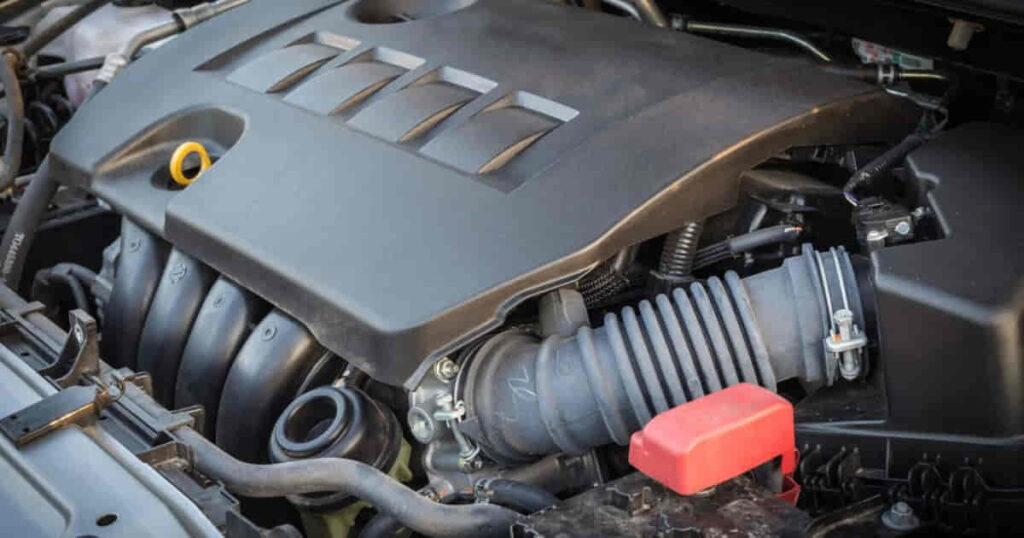
The cost to rebuild an engine depends on the vehicle, engine type, extent of internal damage, replacement parts, labor rates, and machine shop services required. A basic rebuild involving limited component replacement can cost substantially less than a comprehensive overhaul that requires extensive machining or repairs to major engine components. For vehicle owners in the United States, the most useful starting point is to obtain a detailed estimate that separates parts, labor, machining, and additional repairs rather than relying on a single average price.
An engine rebuild involves disassembling the engine, inspecting its internal components, repairing or replacing worn parts, and reassembling it to meet the required specifications. The final price depends on what the inspection reveals. An engine with serviceable cylinder walls and a reusable crankshaft may require less work than one with severe overheating damage, damaged bearings, or a cracked engine block. Engine configuration also matters because labor requirements and parts availability differ between four-cylinder, V6, V8, and diesel engines.
This guide explains how much an engine rebuild costs, what the total price includes, and which factors have the greatest effect on the final estimate. It also compares rebuilding an existing engine with installing a used or remanufactured replacement engine. Understanding these differences helps you evaluate repair quotes, identify potential additional expenses, and decide which option makes the most financial sense for your vehicle.
The cost to rebuild an engine varies according to the vehicle, engine design, internal damage, parts required, and labor involved. In the United States, a practical estimate should distinguish between a partial rebuild, which replaces selected worn components, and a comprehensive rebuild, which involves more extensive inspection, machining, and component replacement. Because these services cover different amounts of work, there is no single price that accurately represents every engine rebuild. Vehicle owners should use published cost ranges as an initial reference and obtain a vehicle-specific estimate before approving repairs.
A partial rebuild may cost less when the engine block, crankshaft, cylinder head, and other major components remain serviceable. The repair may involve replacing piston rings, bearings, gaskets, seals, or other worn parts after inspection. A comprehensive rebuild can cost considerably more when the engine requires cylinder boring or honing, crankshaft machining, cylinder head work, or replacement of damaged internal components. The distinction is important because the term engine rebuild does not guarantee that every shop includes the same parts, machining services, or labor in its quoted price.
The engine type also affects the total. A relatively common four-cylinder engine may require fewer parts and less labor than a more complex V8 or diesel engine, although the specific design and damage determine the actual difference. Parts availability, vehicle packaging, and the time required to remove and reinstall the engine can also change the estimate. For example, two vehicles with similar engine displacements may receive different quotes if one requires substantially more disassembly to access the engine.
To understand the actual cost, request an itemized estimate that separates labor, replacement parts, machine shop services, fluids, and any additional repairs discovered during disassembly. Ask whether engine removal and installation are included, whether the shop will obtain approval before exceeding the estimate, and what warranty applies to the completed work. Comparing quotes on the same scope of work is more useful than comparing headline prices alone. A lower initial estimate may exclude machining or installation costs that appear later, while a more comprehensive quote may include services necessary to complete the rebuild correctly.
Read more: Chevy Block Casting Numbers
The cost of an engine rebuild generally consists of labor, replacement parts, machine shop services, and any additional repairs required to restore the engine to serviceable condition. The exact scope depends on the engine’s condition and the repair shop’s definition of a rebuild. Some estimates cover only the internal engine work, while others include engine removal, reinstallation, fluids, and related components. Understanding these differences helps vehicle owners determine whether a quote represents the complete cost of the repair.
Labor is a major part of the total because rebuilding an engine requires more than replacing individual parts. A technician must remove or access the engine, disassemble it, clean and inspect its components, measure critical surfaces, assemble the repaired engine, and reinstall it when necessary. The time required varies with engine design, vehicle layout, corrosion, and the extent of the damage. An engine that is difficult to access or requires extensive diagnosis may involve more labor than a simpler assembly.
Replacement parts form another major cost category. Depending on inspection results, a rebuild may require piston rings, main and connecting rod bearings, gaskets, seals, timing components, oil pump components, or other internal parts. Some engines also need replacement pistons, valves, or additional components if the originals exceed service limits. The correct parts depend on the engine’s specifications and measured condition, so a reliable estimate should identify the components included rather than assume every rebuild uses the same parts package.
Machine shop services may be necessary when internal surfaces or components require professional inspection and machining. These services can include cylinder honing or boring, crankshaft inspection and machining, cylinder head resurfacing, and valve work. Whether each service is required depends on measurements and the engine manufacturer’s specifications. For example, cylinder walls that remain within acceptable limits may need less work than cylinders with excessive wear or damage. Machining should therefore be based on inspection findings rather than automatically added to every rebuild.
Additional expenses may include engine removal and installation, coolant, engine oil, filters, seals, spark plugs, and related components that must be replaced during reassembly. Damage discovered after disassembly can also increase the final price, particularly when a cylinder head, crankshaft, or engine block needs additional work. Before approving a rebuild, ask the shop which services are included, which items are billed separately, and how unexpected repairs will be authorized. This makes the estimate easier to compare with other quotes and reduces the risk of overlooking essential costs.
Engine rebuild cost depends primarily on the engine’s design, the severity of its internal damage, the price and availability of replacement parts, labor rates, and the amount of machining required. These factors determine how much work a repair shop must perform before the engine can be reassembled. Two vehicles with similar symptoms may receive very different estimates because the actual condition of their engines can only be established through diagnosis and inspection.
The engine’s configuration affects both parts costs and labor requirements. Four-cylinder engines may have simpler layouts and lower parts costs than some V6, V8, or diesel engines, but engine size alone does not determine the final price. Some compact vehicles have engines that are difficult to access, while specialized or high-performance engines may require specific components and tighter assembly tolerances. Parts availability also matters: readily available components can be easier to source than discontinued or specialized parts for older vehicles.
The severity of internal damage can increase the cost substantially. An engine with worn bearings and piston rings may require a different level of work from one that has suffered severe overheating, oil starvation, or internal component failure. Damage to cylinder walls, crankshaft journals, cylinder heads, or the engine block may require machining or replacement parts beyond the original estimate. For example, a rebuild that initially appears to need routine wear components may become more expensive if inspection reveals that the cylinder walls are outside the manufacturer’s service limits.
Labor rates and machine shop requirements are also important cost drivers. Repair shops charge different hourly rates depending on their location, operating costs, and specialization. The total labor charge depends on the hours required for diagnosis, disassembly, assembly, and engine removal or installation when included. Machine shop costs depend on the measurements and repairs needed, such as cylinder boring, crankshaft machining, or cylinder head resurfacing. These services should be based on the condition of the components rather than assumed necessary for every engine.
Finally, the scope of the rebuild determines which expenses appear in the final quote. Replacing only selected worn components is different from rebuilding the engine with a broader set of replacement parts and machining services. Additional repairs, fluids, filters, and related components may also affect the total. To evaluate a quote accurately, compare the included work, parts quality, labor, machining, and warranty terms. An itemized estimate based on inspection findings provides a more dependable basis for comparison than a generic price based only on engine type.
The cost to rebuild an engine varies by engine type because each configuration has different parts requirements, labor demands, and potential machining needs. Four-cylinder, V6, V8, and diesel engines do not share a universal rebuild price, even when they are installed in vehicles of similar age. The engine’s specific design, parts availability, damage severity, and repair scope determine the final estimate. For this reason, comparing engine categories is useful for setting expectations, but an inspection-based quote is necessary to establish the actual cost.
A four-cylinder engine may cost less to rebuild than a larger engine when its parts are readily available and the repair requires limited machining. Many common passenger-car engines have broad aftermarket support, which can make replacement components easier to source. However, a four-cylinder engine can still require extensive work if it has suffered overheating, cylinder damage, or oil starvation. The vehicle’s layout also matters because difficult engine access can increase labor even when the engine itself is relatively compact.
V6 engines have different cost considerations depending on their design and installation. Some configurations require additional labor to access components or remove the engine, while others use widely available parts and familiar repair procedures. A V6 rebuild can become more expensive when cylinder head work, internal damage, or specialized components are involved. Consequently, the number of cylinders alone is not a reliable way to predict the total cost.
V8 engine rebuilds can involve higher parts and labor costs, particularly when the engine is a performance model or requires specialized components. Larger internal components, performance upgrades, machine shop work, and the availability of replacement parts can all influence the estimate. A standard production V8 may be less expensive to rebuild than a modified or high-performance engine with specialized tolerances and components. The intended use of the vehicle should also be considered because performance modifications can increase both parts costs and assembly requirements.
Diesel engines require a separate assessment because their construction and fuel systems differ from those of many gasoline engines. Depending on the engine, rebuilding may involve specialized internal components, cylinder head work, or additional inspection of diesel-specific systems. Heavy-duty truck engines can also require different equipment and labor from diesel engines used in passenger vehicles. To compare rebuild costs fairly, identify the exact engine, clarify which components are included, and request a quote that separates labor, parts, and machining. This provides a more meaningful comparison than relying on a broad price estimate based only on engine type.
Engine rebuild labor cost depends on the repair shop’s hourly rate, the number of labor hours required, the engine’s accessibility, and the amount of work needed to restore the engine. Labor may cover engine removal, disassembly, cleaning, inspection, assembly, and reinstallation, depending on the shop’s service package. Because repair estimates do not always include the same tasks, vehicle owners should confirm whether the quoted labor covers the complete job or only the internal rebuilding process.
The hourly labor rate is one of the main variables affecting the total. Shops in different regions have different operating costs, and specialized engine rebuilding facilities may charge differently from general automotive repair shops. However, the hourly rate alone does not determine which quote offers better value. A shop that charges a higher rate but provides a clearly defined scope of work, experienced technicians, and appropriate quality controls may offer a more comprehensive service than a lower-priced shop with exclusions.
The number of labor hours also varies with the vehicle and engine configuration. Some engines are relatively accessible, while others require substantial disassembly to remove and reinstall them. The rebuild itself adds time for component cleaning, measurements, inspection, and assembly to the required specifications. Unexpected damage can increase the labor involved if technicians must perform additional diagnostic work or coordinate extra machining. For example, a quote that includes rebuilding a removed engine may not include the separate labor required to remove it from the vehicle and reinstall it afterward.
When reviewing an estimate, distinguish between engine rebuilding labor, engine removal and installation, diagnostic labor, and machine shop charges. Some shops combine these costs into a package, while others list them separately. Ask how additional labor will be billed if the inspection reveals damage that was not visible during the initial assessment. A detailed estimate should explain the included operations and identify which work requires further approval.
The most reliable way to estimate labor cost is to obtain an itemized quote for the specific vehicle and engine. Confirm the hourly rate or quoted labor allowance, the operations covered, and whether removal, installation, fluids, and testing are included. Compare estimates with equivalent scopes of work rather than choosing the lowest headline price. This approach makes it easier to understand the labor component and assess the expected total cost of the engine rebuild.
Rebuilding an engine and replacing it are two different ways to address major engine damage, and the less expensive option depends on the vehicle, engine condition, parts availability, and scope of work. Rebuilding retains the existing engine block and restores its serviceable components, while replacement involves installing another engine. A replacement may use a used, remanufactured, or new engine, and each option has a different purchase price, installation requirement, and warranty. To determine which option offers better value, compare the complete installed cost rather than the price of the engine alone.
An engine rebuild may be appropriate when the existing block and other major components remain suitable for reuse. The process allows a technician to inspect the engine internally, replace worn components, and machine parts when necessary. However, extensive damage to the block, crankshaft, or cylinder heads can increase the cost and reduce the economic advantage of rebuilding. The final estimate also depends on the availability of parts and whether the repair shop can complete the work within a reasonable timeframe.
Replacing the engine with a used unit can reduce the initial parts cost compared with purchasing a new or remanufactured engine. However, a used engine’s service history and internal condition may be uncertain. Its mileage, compatibility, testing documentation, and warranty terms should be reviewed before purchase. The installation may also require new fluids, seals, related components, or additional labor. A low purchase price does not necessarily mean the lowest total repair cost if the replacement engine later requires substantial work.
A remanufactured engine offers another alternative. It has typically undergone a defined rebuilding process intended to restore the engine to specified standards, although the exact procedures vary by supplier. The purchase price may be higher than that of an unverified used engine, but the product may include documented testing and a warranty. A new engine may provide another option where one is available, particularly for newer vehicles, but its cost and availability can make it impractical for some repairs. Warranty coverage and installation requirements should be compared carefully across all options.
Before choosing between rebuilding and replacement, request estimates that include labor, engine removal and installation, parts, machining where applicable, fluids, and warranty conditions. Also consider the vehicle’s overall condition and market value. Rebuilding may make sense when the existing engine is suitable for restoration and the total cost is reasonable relative to the vehicle’s value. Replacement may be preferable when the existing engine has extensive damage or a suitable replacement offers a clearer cost and warranty arrangement. The best choice is the option that meets the vehicle’s needs at an acceptable total cost and level of risk.
Rebuilding an engine is worth the cost when the engine can be restored reliably, the total repair expense is reasonable relative to the vehicle’s value, and the rest of the vehicle remains in good condition. The decision depends on more than the rebuild estimate alone. Vehicle age, body condition, transmission health, replacement engine availability, expected ownership period, and warranty coverage all influence whether rebuilding represents a sensible investment.
The first consideration is the vehicle’s overall condition and market value. If the body, transmission, suspension, and other major systems remain serviceable, investing in the engine may extend the vehicle’s useful life without requiring the cost of purchasing another car. For example, a well-maintained vehicle with an otherwise reliable drivetrain may justify a rebuild even when the repair is expensive. Conversely, if the vehicle also needs major transmission work, structural repairs, or other costly maintenance, the combined expenses may make replacement more attractive.
The engine’s internal condition is another important factor. A rebuild may offer good value when the block and other major components can be reused and the required machining remains within acceptable limits. Severe damage can change that calculation. A cracked block, extensive cylinder damage, or multiple failed components may require expensive machining or replacement parts. In such cases, a suitable remanufactured or used engine may offer a more predictable total cost, depending on availability and warranty terms.
The expected duration of ownership also affects the decision. Owners who intend to keep a vehicle for several more years may place greater value on a properly documented rebuild with suitable replacement components and a clear warranty. Someone planning to sell the vehicle soon may be less willing to invest in extensive repairs, particularly if the repair cost cannot be recovered through the vehicle’s resale value. However, the decision should account for the vehicle’s actual condition and future reliability rather than relying only on its age or mileage.
Before authorizing a rebuild, compare an itemized rebuilding estimate with at least one suitable replacement-engine quote. Include removal and installation, parts, machining, fluids, related repairs, and warranty conditions in both totals. Ask the repair shop to explain which components can be reused and which require replacement based on inspection results. Rebuilding is most defensible when the technical assessment supports the repair and the complete cost fits the owner’s budget and ownership plans. If the engine requires extensive work or the vehicle has several other major problems, replacement or purchasing another vehicle may offer better overall value.
Before agreeing to an engine rebuild, ask the mechanic for a detailed estimate, an explanation of the engine’s condition, and a clear description of the work included in the price. An engine rebuild can involve several stages of inspection, machining, component replacement, and reassembly, so the initial quote may change after the engine is disassembled. Understanding the proposed work helps you compare repair shops and avoid unexpected expenses.
Start by asking what caused the engine failure and which components can be reused. A reliable repair assessment should explain the inspection findings and identify parts that require replacement or machining. For example, if the engine has suffered overheating or oil starvation, ask whether the cylinder walls, crankshaft, bearings, and cylinder heads have been inspected for damage. The answer should be based on the engine’s measured condition rather than a generic parts-replacement package.
Next, clarify exactly what the quoted price includes. Ask whether the estimate covers engine removal and installation, internal components, machine shop services, fluids, filters, diagnostic work, and post-rebuild testing. Confirm whether parts and labor are itemized and whether machining costs are included or billed separately. If additional damage is discovered during disassembly, ask how the shop will document the findings, revise the estimate, and obtain your approval before performing extra work.
Warranty terms also deserve careful review. Ask how long the rebuild is covered, which parts and labor are included, whether the warranty has mileage limits, and what conditions could invalidate coverage. Confirm who is responsible if a covered problem occurs and whether the warranty applies to both the rebuilt engine and its installation. Written terms provide a clearer basis for comparison than a verbal assurance that the work is guaranteed.
Finally, ask about the expected completion time, the parts being installed, and the testing performed before the vehicle is returned. Request a written estimate that separates the initial quoted price from potential additional charges. If possible, compare it with another estimate based on the same scope of work. A transparent quote should explain the diagnosis, proposed repairs, total expected cost, warranty, and approval process for unexpected work. These details help you make an informed decision about whether rebuilding the engine is the right solution for your vehicle.