Engine coolant plays an important role in keeping your vehicle’s engine at a safe operating temperature. It absorbs excess heat from the engine and carries it to the radiator, where the heat can escape. Coolant also helps protect important cooling system components from corrosion, rust, and freezing temperatures.
Over time, however, coolant can lose some of its protective properties. Heat cycles, contamination, and chemical breakdown can reduce the effectiveness of the additives that protect the cooling system. Simply adding more coolant does not restore these properties when the existing coolant has become degraded.
This is why a coolant exchange can be an important part of routine vehicle maintenance. Replacing old coolant helps maintain proper heat transfer and provides continued protection for the engine, radiator, water pump, and other cooling system components.
The right time for a coolant exchange depends on several factors. Your vehicle’s manufacturer, coolant type, mileage, age, and driving conditions can all affect the recommended service interval. Understanding these factors can help you avoid unnecessary service while also preventing cooling system problems caused by neglected maintenance.
In this guide, we will explain why coolant exchange matters, when your vehicle may need one, the warning signs to watch for, and what can happen when old coolant is left in the cooling system for too long.
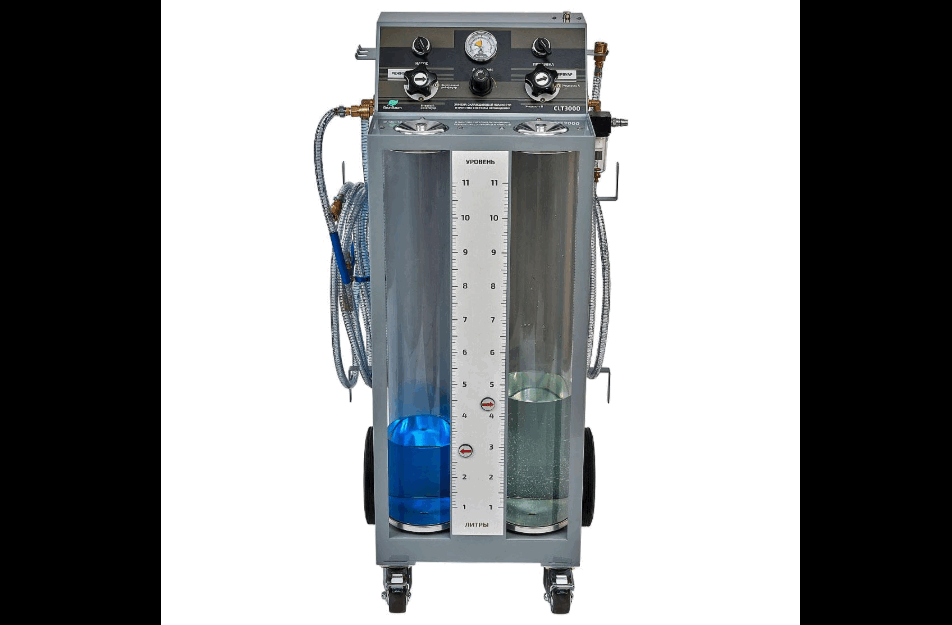
What Is a Coolant Exchange and Why Does Your Car Need One?
A coolant exchange is the process of removing old engine coolant from the cooling system and replacing it with fresh coolant that meets the vehicle manufacturer’s specifications. Depending on the condition of the system, a service may also include flushing out old coolant, contaminants, and deposits before the new coolant is added. This helps restore the cooling system’s ability to manage engine heat effectively.
Engine coolant has two main jobs. First, it absorbs heat produced by the engine and transfers that heat to the radiator. Second, it contains additives that help protect metal components from corrosion and rust. Coolant also provides protection against freezing in cold conditions. These functions make coolant an important part of overall engine protection.
Coolant does not maintain the same level of protection forever. Repeated heating and cooling cycles can gradually reduce the effectiveness of its additives. Contamination can also affect coolant performance. As the coolant becomes degraded, it may provide less protection for components such as the radiator, water pump, thermostat, and engine passages.
A coolant exchange is therefore more than simply changing a fluid. It is a preventive maintenance service designed to keep the entire cooling system working properly. Fresh coolant can help maintain efficient heat transfer and protect internal components from corrosion.
It is also important to understand that coolant exchange is different from simply topping off the reservoir. Adding coolant can restore the correct fluid level, but it does not remove old or degraded coolant from the system. If the coolant has reached the end of its service life, a proper exchange is the better solution.
When Should You Get a Coolant Exchange?
The right time for a coolant exchange depends on your vehicle and the type of coolant it uses. There is no universal mileage or time interval that applies to every car. Some vehicles use conventional coolant that requires more frequent replacement, while many newer vehicles use long life coolant that can remain effective for several years.
The vehicle manufacturer’s maintenance schedule should always be the first reference. It may specify a replacement interval based on mileage, time, or both. For example, a manufacturer may recommend replacing the coolant after a certain number of years or miles, whichever comes first. Following this schedule helps ensure that the coolant continues to provide adequate protection throughout the vehicle’s service life.
Driving conditions can also affect coolant service needs. Frequent short trips, heavy traffic, towing, extreme temperatures, and other demanding conditions can place additional stress on the engine and cooling system. Vehicles used under these conditions may require closer attention to coolant condition and maintenance intervals.
The age of the coolant also matters. Even when the coolant level appears normal and there are no obvious signs of overheating, its protective additives can gradually become less effective. This means a vehicle may still need a coolant exchange even when everything appears to be working normally.
If you are unsure when your coolant was last replaced, check your vehicle’s service records and owner’s manual. A technician can also inspect the coolant’s condition and the cooling system for signs of contamination, leaks, or corrosion. Replacing coolant at the recommended interval is generally better than waiting for overheating or another cooling system problem to occur.
Signs Your Vehicle May Need a Coolant Exchange
Your vehicle can provide several warning signs when the coolant needs attention. One of the easiest things to check is the appearance of the coolant. Healthy coolant should generally have a clear, consistent color based on its formulation. If it looks rusty, muddy, cloudy, or contains visible particles, the cooling system may need inspection and a coolant exchange.
An unusual coolant smell can also indicate a problem. A sweet smell around the engine bay or inside the cabin may suggest a coolant leak. If the coolant level keeps dropping even after you refill it, there may be a leak in the radiator, hoses, water pump, reservoir, or another part of the cooling system. Simply replacing the coolant will not fix an active leak.
Engine temperature is another important warning sign. If the temperature gauge consistently runs higher than normal, fluctuates unexpectedly, or the engine begins to overheat, the cooling system should be inspected promptly. Old or contaminated coolant can contribute to poor cooling performance, but overheating can also result from a faulty thermostat, radiator, water pump, cooling fan, or other mechanical issue.
You may also notice visible residue or buildup around cooling system components. These deposits can indicate contamination or a coolant leak. In some cases, a technician may test the coolant to evaluate its condition and determine whether its protective properties have deteriorated.
It is important not to ignore these signs. A coolant exchange may be part of the solution, but the underlying cause should be identified first. If the engine is overheating, avoid continuing to drive until the problem has been properly diagnosed.
What Happens If You Do Not Replace Old Coolant?
Leaving old coolant in the cooling system for too long can reduce the protection available to the engine and its components. Coolant contains additives that help prevent corrosion, rust, and deposits. As these additives break down over time, the coolant may become less effective at protecting the metal surfaces inside the cooling system.
Corrosion can affect several important components, including the radiator, water pump, thermostat, and internal engine passages. Rust and deposits can also accumulate within the cooling system. This buildup may restrict coolant flow and reduce the system’s ability to transfer heat away from the engine efficiently.
Degraded coolant can also contribute to contamination. If the coolant becomes dirty or develops an unusual consistency, it may no longer provide the same level of cooling and corrosion protection as fresh coolant. In severe cases, poor coolant condition can contribute to cooling system performance problems.
Overheating is one of the biggest risks associated with a cooling system that is not properly maintained. An engine that repeatedly operates at excessive temperatures can experience damage to components such as the head gasket, cylinder head, or other internal parts. These repairs can be significantly more expensive than routine coolant maintenance.
However, old coolant is not the only possible cause of overheating. A failing water pump, blocked radiator, damaged hose, faulty thermostat, or cooling fan problem can create similar symptoms. This is why a proper inspection is important when an engine begins running hotter than normal.
Replacing coolant at the recommended interval helps reduce these risks. Preventive maintenance can keep the cooling system in better condition and may help avoid expensive repairs caused by long term neglect.
Coolant Exchange vs. Coolant Top Off: What Is the Difference?
A coolant top off and a coolant exchange are two different maintenance services. A top off simply means adding coolant to the reservoir or cooling system when the fluid level is below the recommended range. This can be appropriate when the level is slightly low and there is no sign of a cooling system problem.
A coolant exchange is more comprehensive. It involves removing the existing coolant and replacing it with fresh coolant that meets the vehicle manufacturer’s specifications. Depending on the vehicle and the condition of the cooling system, the service may also include flushing the system to remove old fluid, deposits, or contamination.
Topping off the coolant does not restore the protective properties of old coolant. If the coolant has reached the end of its service life, adding fresh coolant only increases the fluid level while leaving the degraded coolant in the system. This is why topping off should not be considered a substitute for a scheduled coolant exchange.
The type of coolant also matters. Different vehicles can require different coolant formulations, and not all coolants are compatible. Using the wrong product or mixing incompatible coolant types can affect cooling system performance and corrosion protection. Always check the owner’s manual or manufacturer specifications before adding coolant.
A repeatedly low coolant level also deserves attention. Coolant should not normally disappear from a properly functioning cooling system. If you frequently need to add coolant, there may be a leak or another mechanical problem that needs to be diagnosed.
In simple terms, a top off corrects the coolant level, while a coolant exchange replaces old coolant. Both can be useful, but they solve different maintenance needs.
What Happens During a Coolant Exchange?
A coolant exchange begins with the vehicle and engine cooling down completely. This is an important safety step because the cooling system can remain pressurized when the engine is hot. Opening the radiator cap or coolant reservoir while the system is hot can release pressurized coolant and cause serious burns.
Once the engine is cool, the technician can inspect the cooling system for visible leaks, damaged hoses, corrosion, or other problems. The old coolant is then drained from the system and collected for proper disposal. Depending on the vehicle and the condition of the coolant, the technician may perform a cooling system flush to remove remaining old coolant and contamination.
After the system has been drained and inspected, fresh coolant that meets the manufacturer’s specifications is added. Using the correct coolant is important because different vehicles can require specific formulations and additive packages. The wrong coolant may reduce corrosion protection or cause compatibility problems.
The cooling system may also need to be purged of trapped air after refilling. Air pockets can interfere with coolant circulation and may lead to inaccurate temperature readings or poor cooling performance. The technician will typically check the coolant level and monitor the engine as it reaches normal operating temperature.
A final inspection helps confirm that the system is circulating coolant properly and that there are no visible leaks. The coolant level may need to be checked again after the vehicle cools down.
While the basic process sounds simple, some vehicles have specific bleeding procedures or specialized cooling system requirements. Following the manufacturer’s service procedure helps ensure that the coolant exchange is completed safely and correctly.
How Much Does a Coolant Exchange Cost?
The cost of a coolant exchange varies depending on the vehicle, coolant type, labor rates, and the condition of the cooling system. A basic coolant replacement is usually less expensive than a full cooling system flush, especially when additional inspection or repair is required.
One major factor is the type and amount of coolant your vehicle needs. Some vehicles use specialized long life coolant that costs more than conventional formulations. Larger engines and cooling systems may also require more coolant, increasing the material cost. Using the coolant specified by the manufacturer is more important than choosing the cheapest available option.
Labor costs can also vary between dealerships, independent repair shops, and automotive service centers. A straightforward coolant exchange may require less labor, while a full flush or a service involving air removal can take longer. If the technician discovers a leaking hose, damaged radiator, faulty thermostat, or failing water pump, those repairs will add to the total cost.
It is also important to consider the difference between routine maintenance and repair costs. Replacing coolant at the recommended interval is generally a predictable maintenance expense. Ignoring degraded coolant, however, can contribute to corrosion, poor cooling performance, or overheating. If these problems lead to component failure, the resulting repair can cost considerably more.
Before approving the service, ask what type of coolant will be used, whether the price includes a flush, and whether the technician has identified any cooling system problems. Comparing the service details rather than looking only at the lowest price can help ensure that your vehicle receives the correct maintenance.
For the most accurate estimate, check your vehicle’s specifications and obtain a quote based on its make, model, engine, and required coolant type.
Conclusion: Is a Coolant Exchange Really Necessary?
Yes, a coolant exchange is an important part of preventive vehicle maintenance. Engine coolant does more than keep the engine from overheating. It helps transfer heat away from the engine while protecting the radiator, water pump, thermostat, and other cooling system components from corrosion and deposits.
Over time, coolant can lose the additives that provide this protection. Simply topping off the reservoir does not replace degraded coolant, which is why a proper coolant exchange is eventually necessary. The right replacement interval depends on the vehicle, coolant type, mileage, age, and driving conditions.
Following the manufacturer’s recommended maintenance schedule is the best way to determine when your vehicle needs a coolant exchange. You should also pay attention to warning signs such as discolored coolant, repeated coolant loss, unusual smells, or an engine that runs hotter than normal.
Regular coolant maintenance can help maintain efficient cooling system performance and reduce the risk of expensive repairs caused by overheating or corrosion. When in doubt, have the coolant and cooling system inspected by a qualified technician. A relatively simple maintenance service can help protect your engine and keep your vehicle running reliably for years to come.