Honda Civic ground wire locations include the battery negative terminal, engine block, transmission housing, chassis points, and firewall areas. These connections create the return path that allows electrical current to flow back to the battery.
Ground wires play an important role in the Honda Civic electrical system. They support major components such as the starter motor, alternator, ECU, and sensors. A clean and secure ground connection helps these systems receive stable electrical power.
A damaged ground wire can cause several electrical problems. Common issues include slow starting, flickering lights, charging failures, and unstable sensor signals. Corrosion, loose bolts, and damaged cables often increase resistance and reduce electrical performance.
This guide explains the main Honda Civic ground wire locations and shows how each connection works. It also covers inspection methods and common signs of grounding problems. Understanding these locations helps vehicle owners and technicians diagnose electrical issues faster and avoid unnecessary part replacements.
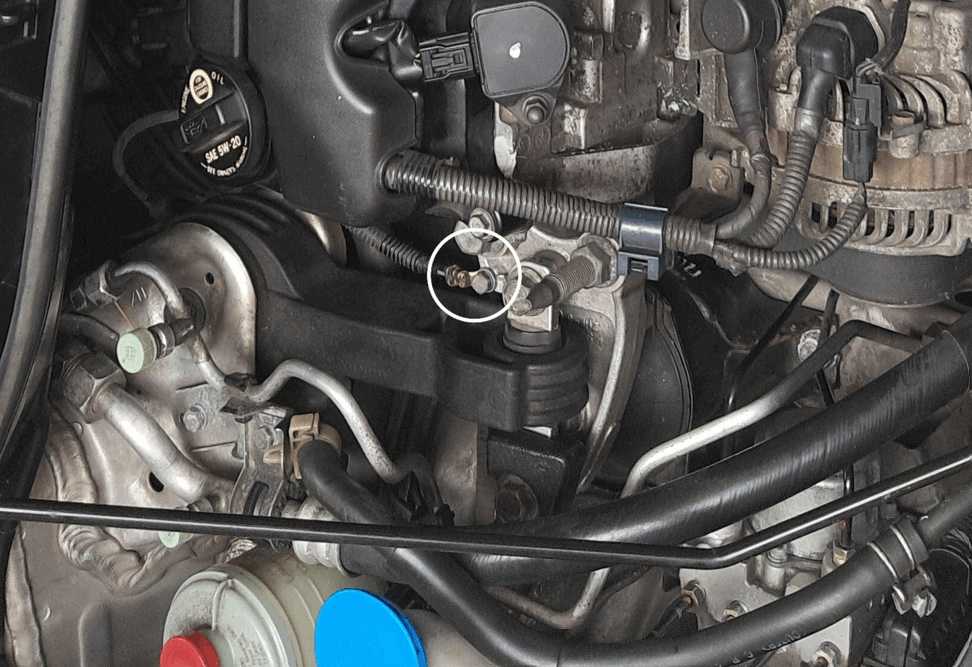
Where Are the Ground Wire Locations on a Honda Civic?
Honda Civic ground wire locations depend on the vehicle generation and electrical layout, but most models use several main grounding points. The primary ground connections include the battery negative terminal, engine block ground strap, transmission ground connection, chassis grounding points, and firewall grounds. These locations create a complete electrical return path between the battery and the vehicle’s electrical components.
The battery negative cable is the first major grounding point to check on a Honda Civic. This cable connects the negative battery terminal to the vehicle chassis and allows electrical current to return after powering different systems. A loose or corroded battery ground connection can reduce electrical performance and create problems such as weak starting power or intermittent electrical failures.
The engine ground strap is another critical location. Honda Civic models usually connect the engine block or transmission housing to the vehicle body through a flexible ground strap. This connection handles the movement and vibration of the engine while maintaining a stable electrical path. Without a proper engine ground, the starter motor and charging system may experience voltage loss during operation.
Chassis ground points support many body electrical systems, including lights, sensors, and control modules. These grounding points usually attach directly to metal areas of the vehicle body, such as the inner fender, firewall, or other structural locations. Checking these areas for corrosion or loose fasteners helps identify common grounding problems before replacing electrical components.
Why Are Ground Wires Important in a Honda Civic Electrical System?
Honda Civic ground wires are important because they complete the electrical circuit between the battery and the vehicle’s components. Electrical current needs both a positive connection and a return path to operate correctly. The ground system provides this return path by connecting electrical components to the battery negative terminal through the chassis, engine, and grounding cables.
A strong ground connection keeps voltage stable across important Honda Civic systems. The starter motor depends on a reliable engine ground to receive enough current during engine cranking. The alternator also requires proper grounding to maintain consistent charging performance. Other components, including the ECU and sensors, use ground connections to send and receive accurate electrical signals.
Poor grounding increases electrical resistance and reduces system efficiency. When resistance develops at a ground point, electrical current cannot flow smoothly back to the battery. This condition can create voltage drops that affect component performance. For example, a weak engine ground may cause slow starting because the starter motor cannot receive the full electrical power it needs.
Honda Civic ground connections also influence modern electronic systems. The ECU monitors signals from different sensors to control engine performance, fuel delivery, and emissions. A damaged ground connection can introduce unstable voltage readings and cause incorrect sensor information. Maintaining clean and secure ground points helps the electrical system operate reliably and reduces unnecessary troubleshooting.
What Are the Symptoms of a Bad Ground Wire on a Honda Civic?
A bad ground wire on a Honda Civic can create electrical problems across multiple systems. The most common symptoms include slow engine cranking, flickering lights, charging issues, warning lights, and intermittent electrical failures. These problems happen because damaged ground connections increase resistance and prevent electrical current from returning efficiently to the battery.
Starting problems are one of the most noticeable signs of a weak ground connection. The starter motor requires a large amount of electrical current to turn the engine. If the engine ground strap or battery ground cable has corrosion or a loose connection, the starter may receive insufficient power. Drivers may notice slow cranking, clicking sounds, or inconsistent engine starts.
Electrical instability is another common symptom of poor grounding. A weak ground connection can affect headlights, interior lights, sensors, and electronic control systems. For example, flickering lights may occur when the ground connection cannot maintain a stable electrical flow. Modern Honda Civic models rely on accurate electrical signals, so unstable grounding can also trigger warning lights or communication errors between control modules.
Charging problems can also indicate a damaged ground wire. The alternator needs a reliable ground path to send electrical current back through the vehicle’s charging system. If the alternator ground connection has excessive resistance, the battery may not charge correctly even when the alternator itself works properly.
Corrosion is one of the main causes of Honda Civic ground failures. Moisture, road salt, and dirt can damage metal contact surfaces over time. Inspecting ground points regularly helps identify these issues before they affect major electrical components.
How Do You Test Honda Civic Ground Wires?
Testing Honda Civic ground wires helps identify whether electrical problems come from a damaged cable, poor contact surface, or excessive resistance. A proper inspection combines a visual check with electrical testing because a ground wire can look normal while still creating voltage problems under load.
The first step is a visual inspection of every accessible ground connection. Check the battery negative terminal, engine ground strap, chassis ground points, and firewall connections for corrosion, loose bolts, damaged insulation, or broken cable strands. Rust or oxidation between the ground terminal and the metal mounting surface can increase resistance and reduce electrical performance.
A multimeter provides a more accurate way to test Honda Civic ground connections. The voltage drop test is one of the most reliable methods because it measures resistance while the electrical component operates. To perform this test, connect the multimeter between the ground point and the battery negative terminal while starting the engine or activating the electrical system. A higher than normal voltage difference indicates a weak ground connection.
Cleaning the contact surface can restore many grounding problems. Remove corrosion from the terminal and mounting area, ensure the metal surfaces make direct contact, and tighten the connection securely. After cleaning or replacing a ground wire, retest the system to confirm that voltage flow has improved.
Regular ground wire inspection is especially useful for older Honda Civic models. Vehicles exposed to moisture, road salt, or harsh environments often develop corrosion at grounding points, which can slowly affect electrical reliability.
How Do Honda Civic Ground Wire Locations Change by Model Generation?
Honda Civic ground wire locations change between model generations because Honda updates electrical layouts, engine designs, and vehicle structures over time. However, every Honda Civic generation follows the same grounding principle: the battery connects to the chassis, the engine connects to the body, and electrical components rely on stable ground paths to operate correctly.
Older Honda Civic models, such as the EK and EP generations, use simpler electrical systems with fewer electronic control modules. These vehicles commonly have easy-to-access grounding points near the battery, engine block, transmission housing, and chassis areas. Because these models have more exposed mechanical layouts, inspecting and servicing ground straps is often straightforward.
Honda Civic models from generations such as FD and FB introduced more electronic systems, including advanced engine management components and additional control modules. These vehicles may have more grounding points throughout the engine bay and body structure. The main areas to inspect remain the battery ground cable, engine ground strap, and chassis connections.
Modern Honda Civic models, including FC and FE generations, use more complex electrical architectures. These vehicles depend on stable grounding for systems such as ECU communication, sensors, safety features, and electronic controls. A small grounding problem can affect multiple systems because modern vehicles process more electrical signals than older models.
When locating Honda Civic ground wires by generation, always confirm the correct service information for the specific year, engine type, and trim level. The exact mounting locations may differ, but the purpose of each ground connection remains the same: maintaining a low-resistance electrical path between components and the battery.
How Do You Replace and Maintain Honda Civic Ground Wires?
Replacing and maintaining Honda Civic ground wires helps protect the vehicle’s electrical system from voltage problems and connection failures. Ground wires experience constant exposure to heat, moisture, vibration, and road debris, which can damage cables and create resistance over time. Regular inspection keeps the battery, engine, and electronic systems operating reliably.
The replacement process starts with disconnecting the battery to prevent accidental electrical contact. After removing the damaged ground wire, inspect the mounting surfaces on the engine block, chassis, or battery terminal. Rust, paint, dirt, and oxidation can prevent proper electrical contact, so clean the metal surfaces before installing a new ground cable.
A replacement ground wire must have the correct length, thickness, and connection points for the specific Honda Civic model. The cable should fit securely without excessive tension because engine movement can stress the connection. After installation, tighten all fasteners and confirm that the cable has firm contact with clean metal surfaces.
Regular ground wire maintenance includes checking terminals during battery service, removing corrosion from connection points, and inspecting ground straps for cracks or damage. Older Honda Civic models often require more frequent inspections because aging cables and exposed mounting areas can develop corrosion.
Maintaining clean ground connections reduces electrical resistance and improves system reliability. A properly maintained grounding system supports stable operation of the starter motor, alternator, ECU, and other electrical components.
Conclusion
Honda Civic ground wire locations are essential points to understand when diagnosing electrical problems or maintaining vehicle reliability. The main grounding areas include the battery negative terminal, engine block, transmission housing, chassis connections, and firewall grounding points. Each location provides a stable return path that allows electrical current to flow correctly through the vehicle.
A faulty ground connection can affect many Honda Civic systems because electrical components depend on consistent voltage and low resistance. Problems such as slow starting, charging failures, flickering lights, and unstable sensor signals often appear when ground wires become loose, corroded, or damaged.
Inspecting Honda Civic ground wires requires both visual checks and electrical testing. Cleaning contact surfaces, tightening connections, and replacing damaged cables can restore proper electrical performance. Understanding the grounding layout for each Honda Civic generation also helps owners and technicians locate problems more efficiently.
A reliable ground system supports the operation of important components such as the starter motor, alternator, ECU, and sensors. Regular inspection of ground connections is a simple maintenance step that can prevent unnecessary electrical repairs and improve long-term vehicle reliability.
For further troubleshooting, related topics such as Honda Civic battery testing, alternator diagnosis, and Honda Civic electrical problems provide additional information for maintaining the complete electrical system.