Honda Civic air conditioning problems often come from failures in the refrigeration system, electrical components, airflow parts, or climate control system. These issues can reduce cooling performance and make the cabin uncomfortable.
Common Honda Civic AC problems include warm air from the vents, weak airflow, strange noises, inconsistent cooling, and unpleasant smells. Each symptom shows a different possible failure inside the HVAC system.
Drivers can identify many AC problems by understanding how each component works. Low refrigerant levels, compressor failures, blocked airflow, and electrical faults are some of the most common causes.
This guide explains Honda Civic air conditioning problems, their causes, symptoms, diagnosis methods, and repair solutions. It helps vehicle owners understand the issue before choosing a repair option. Early diagnosis can prevent unnecessary part replacements and reduce long term repair costs.
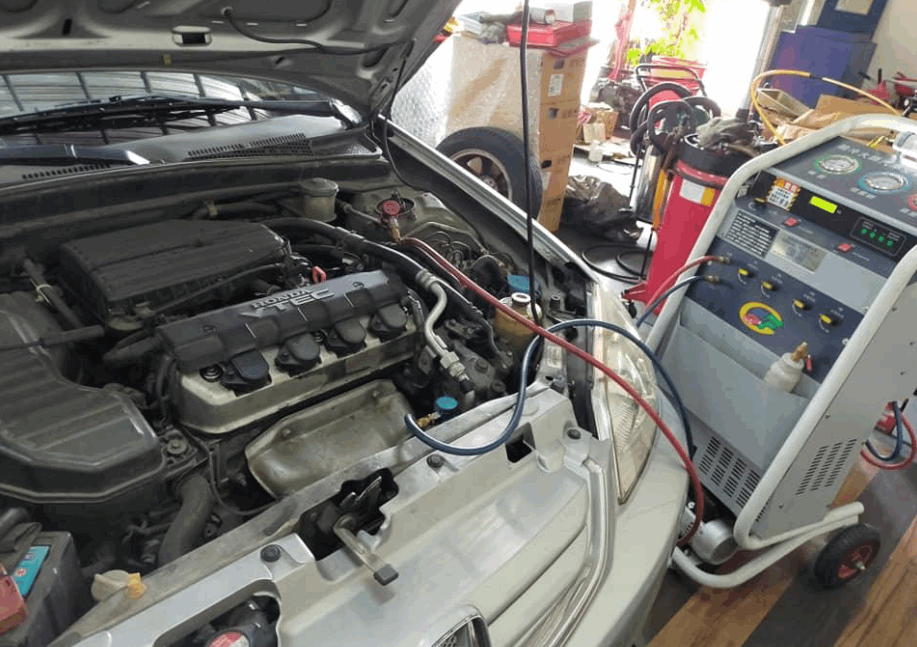
What Are the Most Common Honda Civic Air Conditioning Problems?
Honda Civic air conditioning problems usually appear through a few common symptoms. The most frequent issues include poor cooling performance, weak airflow, unusual noises, inconsistent operation, and unpleasant odors. These problems often indicate that one or more components in the HVAC system are not working correctly.
The most common problem is a Honda Civic AC system that does not blow cold air. This issue usually happens when the refrigeration cycle cannot remove enough heat from the cabin. Low refrigerant levels, compressor problems, condenser damage, or blocked airflow can reduce cooling efficiency and cause warm air from the vents.
Another common issue is weak airflow from the AC vents. A restricted cabin air filter can limit the amount of air entering the cabin. A failing blower motor can also reduce airflow because the fan cannot move air through the evaporator and vents properly.
Some Honda Civic owners also experience intermittent AC cooling. The system may work normally at certain times but stop cooling during driving. This problem often relates to electrical faults, compressor clutch issues, pressure sensor failures, or unstable refrigerant pressure.
Strange noises and bad smells are additional warning signs. Clicking, grinding, or rattling sounds can indicate problems with the compressor, blower motor, or other moving parts. Unpleasant odors usually come from a dirty cabin air filter, moisture buildup, or contamination inside the evaporator area.
Identifying the exact symptom helps narrow down the possible cause. A proper diagnosis prevents unnecessary repairs and allows technicians to replace only the failed component.
Why Is My Honda Civic AC Not Blowing Cold Air?
A Honda Civic AC that does not blow cold air usually has a problem with the cooling cycle. The air conditioning system needs several components to work together. The compressor moves refrigerant, the condenser releases heat, and the evaporator cools the air before it enters the cabin. A failure in any part of this process can reduce cooling performance.
Low refrigerant is one of the most common reasons for warm air from Honda Civic AC vents. The refrigerant absorbs heat from inside the vehicle and carries it through the AC system. When the refrigerant level drops because of a leak, the system cannot remove enough heat from the cabin. Drivers may notice that the AC still blows air, but the temperature remains close to outside air.
A failing AC compressor can also cause cold air problems. The compressor creates the pressure needed to circulate refrigerant through the system. When the compressor loses efficiency or the AC clutch stops engaging, the refrigerant cannot complete the cooling cycle. As a result, the vents may produce warm air even when the AC controls appear normal.
A damaged condenser can reduce the ability of the system to release heat. The condenser sits near the front of the vehicle and depends on proper airflow to remove heat from the refrigerant. Dirt buildup, physical damage, or cooling fan problems can reduce condenser performance and affect cabin temperature.
Blocked airflow creates another common cooling issue. A dirty cabin air filter can restrict air movement through the evaporator. Even when the AC system produces cold air, limited airflow makes the cabin feel warmer because less cooled air reaches the passengers.
Finding the exact cause requires checking multiple components instead of replacing parts immediately. A proper AC diagnosis helps identify whether the problem comes from refrigerant, mechanical components, airflow restrictions, or electrical failures.
What Causes Honda Civic Air Conditioning Problems?
Honda Civic air conditioning problems usually come from three main areas: mechanical failures, refrigerant issues, and electrical faults. Each category affects a different part of the HVAC system. Understanding these causes helps owners identify problems faster and choose the correct repair method.
Mechanical failures are among the most serious causes of Honda Civic AC problems. The AC compressor is the core component that circulates refrigerant through the system. When the compressor wears out, loses pressure, or fails to engage, the entire cooling process becomes ineffective. Other mechanical issues include condenser damage, evaporator problems, and blower motor failure. These components directly control heat transfer and airflow inside the vehicle.
Refrigerant problems are another major cause of poor AC performance. The Honda Civic air conditioning system requires a specific amount of refrigerant to operate correctly. A leak in the hoses, seals, condenser, or evaporator can reduce refrigerant pressure. When pressure drops, the system cannot absorb and release heat efficiently. Drivers often notice weaker cooling or warm air from the vents when refrigerant levels become too low.
Electrical problems can also stop the AC system from working properly. The system depends on several electrical components, including fuses, relays, pressure switches, temperature sensors, and climate control modules. A failed electrical connection can prevent the compressor from activating or cause the AC to operate inconsistently.
Regular maintenance helps reduce the risk of these failures. Replacing the cabin air filter, checking refrigerant levels, and inspecting unusual AC behavior can prevent small issues from becoming expensive repairs. A complete diagnosis should always identify the failed component before any replacement decision.
What Are the Symptoms of a Failing Honda Civic AC System?
A failing Honda Civic AC system usually shows clear warning signs before complete failure. These symptoms help identify which part of the HVAC system may have a problem. Recognizing these signs early allows owners to perform repairs before the issue becomes more expensive.
Warm air from the vents is one of the most noticeable symptoms. The AC system may still produce airflow, but the air temperature does not decrease. This often happens when the compressor cannot circulate refrigerant, the refrigerant level is too low, or the condenser cannot release heat properly.
Weak airflow is another common sign of an AC problem. The air may feel cold, but the volume coming from the vents remains low. A clogged cabin air filter can restrict airflow through the evaporator. A failing blower motor can also reduce the amount of air entering the cabin because it cannot operate at the required speed.
Intermittent cooling indicates that the AC system has an unstable operating condition. The Honda Civic AC may cool normally at first and then stop producing cold air while driving. This symptom often points to compressor clutch issues, electrical problems, refrigerant pressure changes, or sensor failures.
Unusual sounds can also reveal AC component problems. Clicking noises may come from a failing AC clutch or electrical relay. Grinding sounds often indicate wear inside the compressor or blower motor. These noises usually require inspection because continued operation can damage additional components.
Bad smells from the AC vents usually come from contamination inside the airflow system. Moisture inside the evaporator area can encourage mold and bacteria growth. A dirty cabin air filter can also trap dust and particles that create unpleasant odors.
Understanding these symptoms creates a clear connection between the driver’s experience and the possible AC failure. A correct symptom analysis helps technicians locate the problem faster and avoid unnecessary repairs.
How Do You Diagnose Honda Civic Air Conditioning Problems?
Diagnosing Honda Civic air conditioning problems requires checking the entire HVAC system instead of replacing parts based only on symptoms. Different failures can create similar signs. For example, warm air from the vents can come from low refrigerant, compressor failure, electrical faults, or restricted airflow.
The first step is checking the airflow and temperature from the vents. A technician measures how much air enters the cabin and compares the vent temperature with normal AC performance. Weak airflow usually points to problems with the cabin air filter, blower motor, or evaporator. Warm airflow usually requires further inspection of the refrigeration system.
The next step is testing refrigerant pressure. The Honda Civic AC system needs the correct refrigerant amount to create proper cooling. A pressure gauge helps identify whether the system has low refrigerant, excessive pressure, or another issue affecting the cooling cycle. If pressure levels are abnormal, technicians usually inspect the system for leaks before adding refrigerant.
The AC compressor also requires testing during diagnosis. The compressor should activate when the AC system turns on and create enough pressure to circulate refrigerant. A technician checks compressor engagement, electrical connections, and operating pressure to determine whether the component needs repair or replacement.
Electrical testing is another important part of the diagnostic process. The AC system uses fuses, relays, sensors, and control modules to operate correctly. A failed electrical component can prevent the compressor from working even when the mechanical parts remain functional.
A complete diagnosis identifies the actual source of the problem before repair begins. This approach reduces unnecessary part replacement and helps Honda Civic owners choose a more effective repair solution.
How Do You Fix Honda Civic Air Conditioning Problems?
Fixing Honda Civic air conditioning problems depends on the failed component and the reason behind the failure. The correct repair method starts with an accurate diagnosis because different AC problems require different solutions. Replacing parts without identifying the cause can increase repair costs and may not solve the cooling issue.
A refrigerant recharge can restore cooling performance when the system has low refrigerant levels. However, technicians should inspect the system for leaks before adding refrigerant. A refrigerant leak from hoses, seals, the condenser, or other components will cause the same problem again if the source remains unresolved.
Cabin air filter replacement is one of the simplest solutions for airflow problems. A dirty filter blocks air movement and reduces the amount of cooled air entering the cabin. Replacing the filter improves airflow and helps the HVAC system operate more efficiently.
AC compressor repair or replacement is required when the compressor cannot circulate refrigerant properly. Compressor failure is usually a more expensive repair because the component plays a central role in the cooling cycle. Technicians may need to inspect related parts, such as the AC clutch and refrigerant system, before installing a new compressor.
Condenser repair or replacement may solve cooling problems caused by heat transfer failure. The condenser must release heat from the refrigerant before the cycle continues. Damage, corrosion, or blockage can reduce its performance and affect cabin temperature.
Electrical repairs can also restore AC operation when the problem comes from fuses, relays, sensors, or control modules. These components control when the compressor activates and how the system manages temperature.
The best repair approach depends on the exact failure point. A complete inspection helps Honda Civic owners choose the right solution and avoid unnecessary replacements.
How Much Does It Cost to Repair Honda Civic AC Problems?
The cost to repair Honda Civic AC problems depends on the failed component, the vehicle model year, labor rates, and the complexity of the repair. Minor issues usually require simple repairs, while major component failures can create higher expenses because they involve more parts and labor time.
A refrigerant recharge is one of the lower-cost AC services when the system only needs additional refrigerant. However, the repair cost increases if technicians find a refrigerant leak. A leak requires additional testing and may require replacing damaged hoses, seals, the condenser, or other components before the system can hold refrigerant properly.
Cabin air filter replacement and basic electrical repairs usually cost less than major AC repairs. A clogged filter can reduce airflow, while a failed fuse, relay, or sensor can prevent the AC system from operating correctly. These repairs often require less labor because technicians can access and replace the affected components more easily.
AC compressor replacement is usually one of the most expensive Honda Civic air conditioning repairs. The compressor is a critical part of the refrigeration cycle, and replacement often requires removing refrigerant, installing the new component, and testing the entire system afterward. Additional parts may also need inspection because compressor failure can affect other AC components.
Condenser replacement can also increase repair costs because the component sits in the front of the vehicle and connects with the refrigerant system. Technicians must remove and recharge the refrigerant after completing the repair.
Honda Civic owners should focus on accurate diagnosis before considering repair costs. A correct diagnosis identifies the failed component and prevents unnecessary replacements. Understanding the repair scope helps owners make better decisions and maintain reliable AC performance.
How Can You Prevent Honda Civic Air Conditioning Problems?
Preventing Honda Civic air conditioning problems requires regular maintenance and early attention to warning signs. The AC system contains multiple components that work together, including the compressor, condenser, evaporator, refrigerant system, and airflow components. Maintaining these parts helps the system provide consistent cooling performance and reduces the risk of unexpected failures.
Replacing the cabin air filter regularly is one of the easiest ways to maintain proper airflow. A dirty filter collects dust, debris, and particles that restrict air movement through the HVAC system. Reduced airflow forces the AC system to work harder and can lower cooling efficiency inside the cabin.
Keeping the condenser clean also helps maintain AC performance. The condenser releases heat from the refrigerant before the cooling cycle continues. Dirt, leaves, and road debris can block airflow through the condenser and reduce its ability to remove heat. Regular inspections help identify contamination before it affects cooling.
Running the AC system periodically can also support long-term reliability. The compressor uses oil mixed with refrigerant to lubricate internal components. Operating the system regularly helps circulate this lubricant and prevents seals from drying out during long periods of inactivity.
Drivers should also pay attention to early warning signs, such as unusual noises, weaker airflow, or inconsistent cooling. These symptoms often appear before major component failure. Addressing small issues early can prevent damage to more expensive parts, such as the compressor or condenser.
Following the recommended Honda Civic maintenance schedule and performing timely AC inspections can extend the lifespan of the HVAC system. Preventive care reduces repair costs and helps maintain comfortable cabin temperatures throughout different driving conditions.
When Should You Take Your Honda Civic to an AC Repair Specialist?
Honda Civic air conditioning problems do not always require professional repair immediately. Some issues, such as replacing a cabin air filter or checking basic airflow problems, can be handled through regular maintenance. However, certain symptoms indicate that the AC system needs a professional inspection.
You should take your Honda Civic to an AC repair specialist when the system stops producing cold air after basic checks. A complete cooling failure often involves components such as the compressor, refrigerant system, condenser, or electrical controls. These parts require specialized tools to test pressure, electrical signals, and system performance.
A refrigerant leak also requires professional attention. Adding refrigerant without finding the leak only provides a temporary solution. Technicians use pressure testing and leak detection methods to locate damaged hoses, seals, condensers, or other affected components.
Professional diagnosis is also necessary when the AC compressor shows signs of failure. Grinding sounds, repeated cycling, or a compressor that does not activate can indicate internal damage. Replacing the compressor without checking the rest of the system may cause additional problems because contamination or pressure issues can remain inside the AC circuit.
Electrical problems require specialist testing as well. Modern Honda Civic models use sensors, control modules, and electronic systems to manage temperature and compressor operation. A diagnostic scan and electrical inspection can identify faults that are difficult to detect manually.
Seeking professional help at the right time prevents small AC issues from becoming major repairs. A qualified technician can identify the failed component, recommend the correct repair, and restore reliable cooling performance.
Conclusion
Honda Civic air conditioning problems usually come from three main areas: mechanical failures, refrigerant issues, and electrical problems. Components such as the AC compressor, condenser, blower motor, refrigerant system, and cabin air filter all affect how effectively the HVAC system cools the vehicle.
Recognizing early warning signs helps Honda Civic owners prevent larger repair issues. Warm air from the vents, weak airflow, unusual noises, and inconsistent cooling often indicate that the AC system needs inspection. A proper diagnosis identifies the failed component and prevents unnecessary replacements.
Regular maintenance plays an important role in keeping the Honda Civic AC system reliable. Replacing the cabin air filter, maintaining proper refrigerant levels, checking airflow restrictions, and responding to unusual symptoms early can extend system performance.
When an AC problem requires professional repair, technicians can test the refrigeration cycle, electrical components, and mechanical parts to determine the correct solution. Understanding the cause of the failure allows vehicle owners to make better repair decisions and maintain comfortable cabin temperatures throughout the year.