Allison transmission fluid capacity depends on the transmission model, sump configuration, and maintenance procedure. The Allison 1000, 2000, 3000, and 4000 Series transmissions do not share one universal fluid capacity, so identifying the correct model is essential before changing or refilling transmission fluid.
The amount of fluid required for a routine fluid change is also different from the total system capacity. During a standard service, some fluid may remain inside components such as the torque converter, cooler, and fluid passages. A complete system fill or transmission overhaul may therefore require a different amount of fluid than a routine refill.
This guide explains how to identify Allison transmission fluid capacity by model, distinguish refill capacity from total and dry fill capacity, and determine which specifications apply to your vehicle. It also covers the factors that affect fluid requirements, the transmission fluids Allison recommends, and the correct approach to checking and refilling transmission fluid.
Before purchasing fluid or beginning maintenance, verify your transmission model and configuration using the vehicle identification information and the applicable Allison service documentation. This step helps prevent incorrect fluid quantities, overfilling, and underfilling during transmission maintenance.
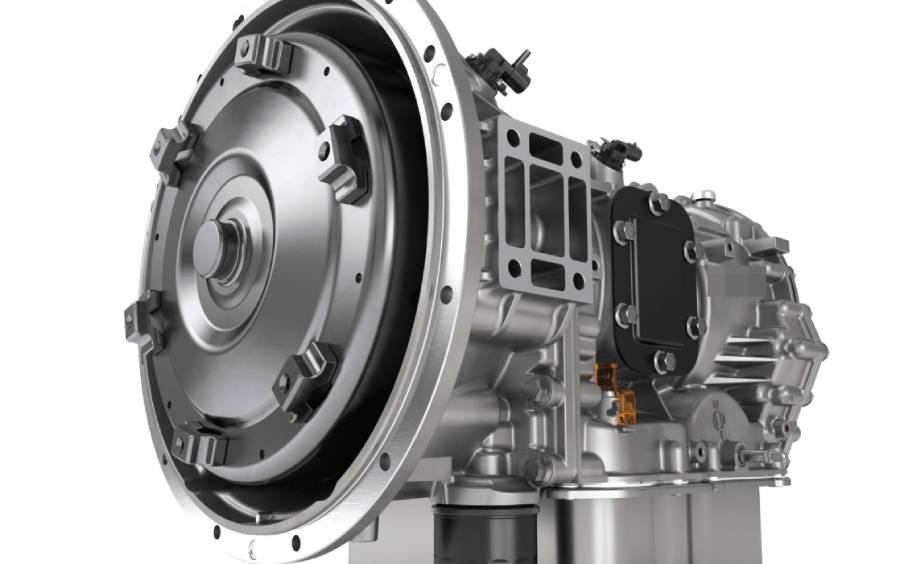
How Much Transmission Fluid Does an Allison Transmission Hold?
Allison transmission fluid capacity ranges from approximately 7 to 40 quarts for a routine refill across the 1000/2000, 3000, and 4000 Series configurations listed in Allison-related service documentation. The correct amount depends on the transmission family and sump size. Allison’s published capacity tables identify separate values for initial fill and refill, so drivers and technicians should use the figure that matches the service being performed.
The following table summarizes the published approximate capacities for common Allison transmission families. These values are reference quantities, not a substitute for checking the actual fluid level after service.
| Allison transmission family | Sump configuration | Initial fill | Refill |
|---|---|---|---|
| 1000/2000 Series | Standard | 14 L (14.8 qt) | 10 L (10.6 qt) |
| 1000/2000 Series | Shallow | 12 L (12.7 qt) | 7 L (7.4 qt) |
| 3000 Series | 4-inch sump | 27 L (29 qt) | 18 L (19 qt) |
| 3000 Series | 2-inch sump | 25 L (26 qt) | 16 L (17 qt) |
| 4000 Series | 4-inch sump | 45 L (48 qt) | 37 L (39 qt) |
| 4000 Series | 2-inch sump | 38 L (40 qt) | 30 L (31 qt) |
Source: Allison fluid and filter change recommendations published by RTS Allison. Values are approximate and may vary by vehicle configuration.
The table shows why identifying the sump configuration matters. For example, an Allison 3000 Series transmission with a 4-inch sump has a published refill estimate of 18 liters (19 quarts), compared with 16 liters (17 quarts) for the 2-inch sump configuration. Using the wrong row can result in an incorrect initial fill quantity, even when the transmission family is identified correctly.
These figures also exclude fluid in external lines and cooler hoses. Allison documentation states that the final capacity depends on the vehicle configuration and that the final fluid level must be determined using the appropriate dipstick procedure or the applicable operator’s manual. Some Allison 4000 Series configurations equipped with a power take-off (PTO) require an additional 2.8 liters (3 quarts), subject to the relevant documentation.
What Is the Difference Between Allison Refill Capacity and Total Fluid Capacity?
Refill capacity is the approximate amount of fluid needed after a specified draining procedure, while initial fill capacity applies when filling a system that does not already contain its normal operating fluid quantity. These values differ because draining the transmission does not necessarily remove all the fluid from its internal cavities and connected circuits. Allison’s service documentation explicitly distinguishes initial fill from refill and notes that external lines and cooler hoses may not be included in the published quantities.
Initial fill capacity is relevant during installation or other procedures that require filling a transmission from a substantially empty state. Refill capacity is more relevant to routine fluid servicing, although the actual amount required still depends on how the fluid is drained and which components are serviced. For example, the published Allison 3000 Series figures show 27 liters (29 quarts) for initial fill with a 4-inch sump and 18 liters (19 quarts) for refill. The difference reflects the distinct filling conditions rather than a discrepancy between the two figures.
Dry fill capacity is a related term that may appear in technical discussions, but it should not automatically be treated as interchangeable with every published initial fill figure. The applicable service manual defines the conditions under which a capacity applies. A transmission that has been rebuilt or has had additional components drained may require a different amount from one receiving a routine fluid change.
For accurate servicing, use the published refill quantity as a starting estimate, then follow the fluid-level checking procedure for the exact transmission and vehicle. Do not pour in the full initial fill quantity during a routine service simply because it appears in the capacity chart. An incorrect fluid level can contribute to transmission problems, and the correct final level must be verified using the prescribed procedure.
What Is the Fluid Capacity of an Allison 1000 Series Transmission?
The Allison 1000 Series transmission has different fluid requirements depending on its configuration and service procedure. The published reference figures in the capacity chart list approximately 12–14 liters (12.7–14.8 quarts) for initial fill and 7–10 liters (7.4–10.6 quarts) for refill, depending on the sump configuration. These figures are starting references; the exact capacity must be confirmed using the service documentation for the specific transmission and vehicle.
The distinction between initial fill and refill is important when servicing an Allison 1000 Series transmission. A routine fluid change does not necessarily remove all the fluid from the transmission and connected components. Consequently, the quantity poured back into the transmission after draining can be lower than the amount needed to fill a system that is initially empty. Technicians should not assume that every Allison 1000 application takes the same amount of fluid.
Model identification is also necessary because the transmission installed in a vehicle may depend on its year, application, and configuration. Before buying fluid, check the transmission identification information and the applicable vehicle service manual. After refilling, use the specified fluid-level checking procedure rather than relying on the quantity added alone.
What Is the Fluid Capacity of an Allison 2000 Series Transmission?
The Allison 2000 Series shares a published capacity range with the 1000 Series in the reference chart, but the correct quantity still depends on the specific configuration. The chart lists approximately 12–14 liters (12.7–14.8 quarts) for initial fill and 7–10 liters (7.4–10.6 quarts) for refill across the listed standard and shallow sump configurations. These figures should not be interpreted as one universal capacity for every 2000 Series transmission.
For routine maintenance, refill capacity is the more relevant starting point because some fluid may remain inside the transmission after draining. However, the amount actually required can vary with the service procedure and the connected components. If the transmission has undergone a rebuild, installation, or more extensive draining procedure, the initial fill specification may be more appropriate.
To determine the correct quantity, identify the exact transmission model and sump configuration, then consult the applicable service documentation. Add fluid according to the prescribed procedure and verify the final level under the specified operating conditions. This approach is more reliable than applying a general capacity figure to every vehicle equipped with an Allison 2000 Series transmission.
What Is the Fluid Capacity of an Allison 3000 Series Transmission?
The Allison 3000 Series has different fluid capacities depending on its sump configuration. The published reference chart lists approximately 25–27 liters (26–29 quarts) for initial fill and 16–18 liters (17–19 quarts) for refill for the 2-inch and 4-inch sump configurations. The 4-inch sump configuration has the higher listed capacity, so confirming the sump type is essential before servicing the transmission.
A routine fluid change generally requires less fluid than an initial fill because the draining procedure may leave fluid in the torque converter, cooler, and internal passages. The published refill quantity therefore serves as an estimate rather than an instruction to pour in a fixed amount without checking the level. Vehicle-specific plumbing and other installed components may also affect the final quantity.
After identifying the sump configuration, follow the maintenance instructions for the exact transmission application. Refill the transmission as directed and check the fluid level using the specified procedure. If the service includes replacing filters or draining additional components, confirm whether the applicable service documentation calls for a different quantity.
What Is the Fluid Capacity of an Allison 4000 Series Transmission?
The Allison 4000 Series transmission requires different fluid quantities depending on its sump configuration and service procedure. The published reference chart lists approximately 38–45 liters (40–48 quarts) for initial fill and 30–37 liters (31–39 quarts) for refill for the 2-inch and 4-inch sump configurations. These figures are approximate reference values, so the exact specification must be confirmed for the installed transmission and vehicle.
The difference between initial fill and refill occurs because routine draining may leave fluid inside the transmission and connected components. A transmission being filled after installation or a major overhaul can therefore require a different quantity from one receiving a standard fluid change. The sump configuration also affects the amount of fluid the transmission holds, making accurate identification essential before maintenance.
Some Allison 4000 Series applications include additional components that affect fluid requirements. For example, the referenced capacity guidance identifies an additional 2.8 liters (3 quarts) for certain power take-off (PTO) configurations. This additional quantity should only be applied when the relevant transmission documentation specifies it; it should not be added automatically to every Allison 4000 Series application.
Before refilling, confirm the transmission model, sump configuration, and any installed auxiliary components. Use the applicable service manual to determine the correct initial or refill quantity, then verify the final fluid level according to the prescribed procedure. The capacity chart provides a useful starting point, but it does not replace the model-specific fluid-level check.
What Factors Affect Allison Transmission Fluid Capacity?
Four main factors affect the amount of fluid required by an Allison transmission: transmission model, sump configuration, service procedure, and connected external components. Identifying these factors helps technicians select the appropriate capacity specification instead of applying one quantity to every Allison transmission.
Transmission model determines the basic capacity range because different transmission families have different designs and internal fluid requirements. For example, the published reference chart lists lower refill quantities for the 1000/2000 Series than for the 3000 and 4000 Series. These differences mean that the transmission family must be identified before choosing a capacity figure.
Sump configuration affects the quantity of fluid held by the transmission. The published figures for the Allison 3000 Series, for instance, distinguish between 2-inch and 4-inch sump configurations. A technician who identifies only the transmission family without checking the sump configuration may select the wrong reference quantity.
Service procedure determines whether initial fill capacity or refill capacity is relevant. A routine fluid change does not necessarily empty the entire system, whereas installation or overhaul procedures can involve filling a more extensively drained transmission. The quantity required should therefore match the actual maintenance procedure rather than a general capacity figure.
External components can also affect total system capacity. Cooler hoses, external lines, and certain auxiliary components may hold fluid outside the main transmission housing. Their effect depends on the vehicle installation, so technicians should consult the applicable service documentation before adjusting the specified quantity.
What Transmission Fluid Does Allison Recommend?
Allison recommends using transmission fluid that meets the specifications applicable to the installed transmission model. The correct fluid depends on the transmission’s requirements, so vehicle owners should consult the relevant Allison operator’s manual, service documentation, and official approved-fluid information before purchasing or adding fluid. A product described as compatible with automatic transmissions should not automatically be assumed to meet Allison’s requirements.
Fluid specification is more important than brand name alone. Transmission fluids differ in properties such as viscosity, friction characteristics, oxidation resistance, and performance under operating temperatures. Using fluid that does not meet the required specification can affect shift quality and transmission operation. For example, a technician servicing an Allison 3000 Series transmission should verify the specification for that exact application instead of selecting a product solely because it is marketed for heavy-duty trucks.
To choose the correct fluid, identify the transmission model, review the applicable service documentation, and confirm that the selected product meets the required specification or approval. Also check whether the manufacturer specifies different requirements for particular applications or operating conditions. If the transmission has been replaced or modified, verify the installed unit’s requirements rather than relying exclusively on the vehicle’s original documentation.
Fluid capacity and fluid specification are separate requirements. Knowing that a transmission needs a particular number of liters does not establish which fluid should be used. Both the correct quantity and the correct specification must be confirmed before maintenance begins.
How Do You Check and Refill Allison Transmission Fluid?
To check and refill an Allison transmission correctly, identify the transmission, use the specified fluid, follow the applicable refill procedure, and verify the final fluid level under the required conditions. The correct checking method depends on the installed transmission and vehicle; some applications use a dipstick, while others provide electronic fluid-level checks.
1. Identify the transmission. Confirm the model and configuration using the transmission identification information and the applicable vehicle or transmission manual. This determines which capacity and maintenance procedure to follow.
2. Prepare the correct fluid. Verify the required Allison fluid specification and obtain enough fluid for the intended service. Use the published refill capacity as a planning estimate rather than assuming the entire quantity must be added immediately.
3. Drain and service the transmission. Follow the prescribed procedure for draining the fluid and replacing the required filters. The amount removed depends on the service performed and the fluid remaining in the system.
4. Refill according to the service documentation. Add fluid in accordance with the model-specific instructions. Avoid pouring in the entire initial fill quantity during a routine fluid change unless the procedure explicitly requires it.
5. Check the fluid level. Follow the specified temperature, operating state, and measurement method. If the transmission uses an electronic level check, use the applicable procedure and interpret the result according to the manufacturer’s instructions.
6. Verify the final level. Add fluid in controlled increments if required, then repeat the prescribed check. Inspect for leaks and confirm that the level meets the specification before returning the vehicle to service.
These steps reduce the risk of overfilling and underfilling, but they do not replace the exact service procedure for a particular Allison model. A capacity chart tells you approximately how much fluid the system requires; the prescribed level-checking procedure determines whether the final quantity is correct.
Read more: 4L80E Transmission Rebuild: Step-by-Step Guide
What Happens If You Overfill or Underfill an Allison Transmission?
Overfilling and underfilling an Allison transmission can interfere with normal transmission operation. Underfilling can reduce the fluid available for lubrication, cooling, and hydraulic operation, while overfilling can cause fluid aeration and operating problems. The actual effects depend on the transmission model, operating conditions, and severity of the incorrect fluid level.
Underfilling can prevent the transmission from maintaining the fluid supply required by its hydraulic circuits. Automatic transmissions rely on transmission fluid to transmit hydraulic pressure, lubricate moving components, and carry heat away from internal parts. If the fluid level falls below the specified range, the transmission may experience abnormal operation or inadequate lubrication. Fluid leaks, incorrect refill quantities, and improper level-checking procedures are potential causes that should be investigated.
Overfilling can also create problems because rotating transmission components may agitate the fluid and introduce air into it. Aerated fluid can interfere with consistent hydraulic operation and contribute to abnormal transmission behavior. Excessive fluid may also escape through vents or other points, depending on the transmission design. Adding more fluid does not improve protection once the level has reached the manufacturer’s specified range.
If you suspect an incorrect fluid level, follow the appropriate Allison service procedure to check it under the required conditions. Inspect for leaks and verify that the correct fluid specification and refill procedure were used. Do not remove or add fluid based solely on a generic capacity chart; the final level must meet the requirements for the specific transmission.
Where Can You Find the Correct Fluid Capacity for Your Allison Transmission?
The correct Allison transmission fluid capacity is found in the official service documentation for the exact transmission model and vehicle application. A general capacity chart provides a useful starting point, but it may not account for differences in sump configuration, external cooling circuits, auxiliary equipment, or the maintenance procedure being performed.
Start by identifying the transmission model and, where applicable, its sump configuration. The vehicle’s operator manual and the relevant Allison service documentation can then be used to confirm the correct initial fill or refill specification. For example, a technician servicing an Allison 3000 Series transmission should establish whether the installed unit uses a 2-inch or 4-inch sump before relying on the corresponding capacity figure.
Next, determine whether the service involves a routine fluid change, a more extensive draining procedure, or filling after installation or overhaul. These procedures may require different quantities because they do not necessarily leave the transmission in the same fluid condition. Also check whether the documented capacity includes external lines, cooler circuits, or auxiliary components.
If the transmission identification or configuration remains unclear, consult an authorized Allison distributor or qualified transmission service provider. Provide the transmission identification details and vehicle application so the correct specification can be established. This is particularly important when servicing a replacement transmission or a vehicle with modified equipment.
Using the correct capacity specification, the required fluid, and the prescribed level-checking method helps prevent avoidable maintenance errors. Record the fluid quantity added and any maintenance performed so that future servicing can be compared with the correct model-specific requirements.