A Honda Odyssey door not closing can quickly become a frustrating and unsafe problem. The door may refuse to latch, stop halfway, or reopen before it fully closes. These issues reduce convenience and may expose passengers to unnecessary safety risks. They can also allow water, dust, and road noise to enter the cabin.
The Honda Odyssey uses a sophisticated power sliding door system that combines mechanical parts with electronic controls. The rollers guide the door along the track, while the latch secures it in place. The motor, actuator, sensors, and control module work together to open and close the door smoothly. If one component fails, the entire system may stop working correctly.
Fortunately, many sliding door problems have simple causes. Dirt inside the track, dried lubricant, or a weak battery can prevent the door from closing properly. In many cases, regular cleaning and basic maintenance restore normal operation. However, damaged cables, worn latches, failed motors, or faulty control modules often require more advanced repairs.
This guide explains the 10 most common causes of a Honda Odyssey door not closing. You will learn how to identify the symptoms, inspect the most important components, and perform safe DIY fixes whenever possible. The article also covers common repair costs and practical maintenance tips that help prevent the same problem from returning. By following the correct troubleshooting process, you can save money, avoid unnecessary parts replacement, and keep your Honda Odyssey operating safely and reliably.
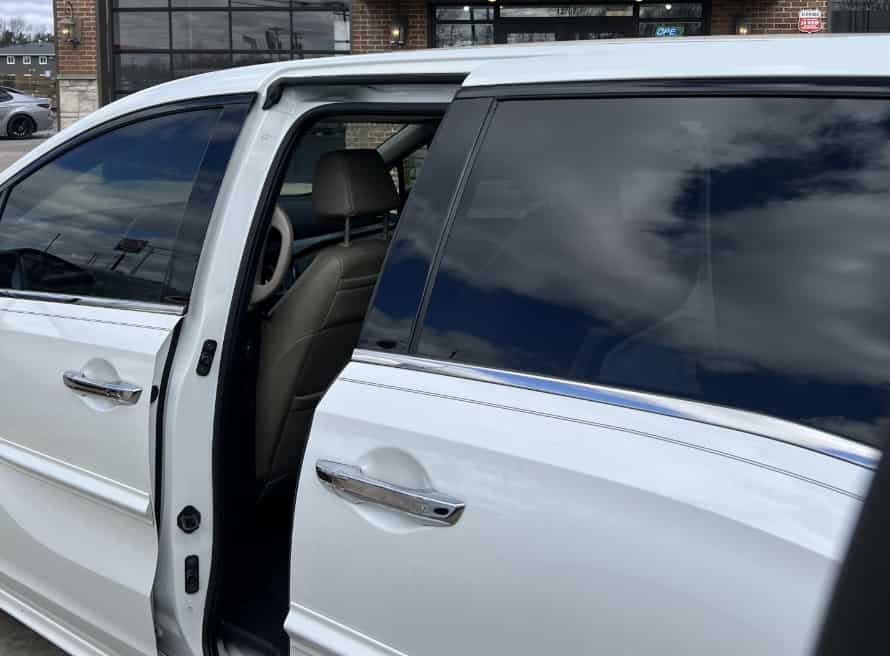
Why Is Your Honda Odyssey Door Not Closing?
A Honda Odyssey door not closing usually points to a problem with either the mechanical parts or the electrical system. The door may stop before reaching the latch, close and reopen immediately, or refuse to move at all. Each symptom provides valuable clues, so identifying the exact behavior is the first step toward finding the right solution.
The sliding door relies on several components that work together during every opening and closing cycle. The rollers allow the door to move smoothly along the track. The latch locks the door securely once it reaches the correct position. The power sliding door motor and actuator provide the force needed for automatic operation, while the control module coordinates the entire process. At the same time, sensors monitor the door’s movement and detect potential obstacles to protect passengers.
Mechanical problems often develop over time. Dirt can build up inside the track, rollers may wear out, and the latch can become dirty or damaged. These issues create extra resistance and prevent the door from closing completely. In many cases, regular cleaning and proper lubrication restore smooth operation without replacing any parts.
Electrical faults produce different symptoms. A weak battery, a blown fuse, damaged wiring, or a faulty control module may interrupt communication between the switches and the power sliding door system. The door may stop responding, move inconsistently, or reverse before it fully closes. Some model years also require a system reset after battery replacement or electrical repairs.
Replacing parts without a proper diagnosis often wastes time and money. A worn latch may look similar to a failed actuator, while a dirty sensor can create symptoms that resemble a motor problem. Understanding how each component affects the door helps you identify the real cause more quickly. Once you recognize the source of the problem, you can choose the most effective repair and avoid unnecessary replacements.
10 Common Causes of a Honda Odyssey Door Not Closing
A Honda Odyssey door not closing can result from several different problems. Some causes are simple and easy to fix, while others require replacement parts or professional service. Understanding these common issues helps you narrow down the source of the problem before spending money on unnecessary repairs.
One of the most common causes is dirt or debris inside the sliding door track. Small stones, leaves, hardened grease, and other contaminants can block the rollers and prevent the door from moving smoothly. Even a small obstruction may stop the door from reaching the latch. Cleaning the track with a soft brush and a clean cloth often restores normal movement.
Worn or dry rollers are another frequent cause. The rollers support the weight of the sliding door every time it opens or closes. As they wear out, the door may drag, shake, or become difficult to move. Dry rollers also increase friction and place additional stress on the motor. Applying the correct lubricant may solve minor problems, but heavily worn rollers usually require replacement.
The door latch also plays a critical role. If dirt, corrosion, or internal wear prevents the latch from locking properly, the door may appear to close before immediately reopening. In some cases, the latch fails to engage at all, leaving the door partially open. Cleaning the latch mechanism may help, but severe wear normally requires a new latch assembly.
Door alignment should never be overlooked. Years of regular use can shift the sliding door slightly out of position. A minor impact or worn rollers may also affect alignment. When the door no longer lines up with the striker, it cannot lock securely. You may notice uneven gaps around the door or hear the latch hitting the striker without engaging.
Electrical problems are equally common, especially on vehicles equipped with power sliding doors. A weak battery may not provide enough voltage for the motor to complete the closing cycle. A blown fuse, damaged wiring, or loose electrical connector can interrupt communication between the switches and the control module. As a result, the door may stop responding or behave unpredictably.
The power sliding door motor and actuator can also wear out after years of repeated use. A failing motor may produce unusual noises, move the door very slowly, or stop working completely. The actuator may struggle to pull the door into the fully closed position, causing incomplete latching. These components often require replacement once internal wear becomes severe.
Another well known issue involves the sliding door cable. Over time, the cable may stretch, fray, or break because of constant tension. A damaged cable often causes the door to stop halfway or move unevenly. Continuing to operate the door in this condition can damage the motor and other connected components, making the repair more expensive.
Modern Honda Odyssey models also rely on safety sensors to detect obstacles. If a sensor becomes dirty, damaged, or misaligned, it may falsely detect an obstruction. The control system then reverses the door before it fully closes. Cleaning the sensor area is a simple first step, but faulty sensors should be replaced to maintain safe operation.
Software and calibration problems may also prevent the sliding door from working correctly. After replacing the battery or performing electrical repairs, some model years require the power sliding door system to relearn its operating positions. Without proper calibration, the control module may stop the door too early or reverse its movement unexpectedly.
Although these problems vary in severity, they all produce similar symptoms. For that reason, it is important to inspect the door carefully before replacing any parts. A systematic diagnosis helps identify the real cause, reduces repair costs, and restores reliable operation more quickly.
How to Diagnose a Honda Odyssey Door That Will Not Close
Diagnosing a Honda Odyssey door not closing starts with careful observation. Watch how the door behaves during each attempt to close it. A door that stops halfway often points to a problem in the track or roller system. A door that reaches the end and immediately reopens usually indicates a latch or sensor issue. If the door does not move at all, the electrical system deserves immediate attention.
Begin with a visual inspection of the sliding door track. Look for dirt, leaves, small stones, or hardened grease that could block the rollers. Even minor debris can create enough resistance to interrupt the closing cycle. Clean the entire track with a soft brush and wipe away old lubricant before checking the door again.
Next, examine the rollers. Open the door slowly and observe whether each roller moves smoothly along the track. Flat spots, excessive play, or visible cracks indicate wear. Listen for grinding or squeaking sounds while moving the door by hand. These noises often suggest that the rollers require lubrication or replacement.
Continue by inspecting the door latch and striker. Make sure the striker is secure and free from damage. Check whether the latch moves freely without sticking. Dirt, rust, or worn internal components can prevent the latch from locking correctly. If the latch does not engage smoothly, clean the mechanism and test it again before considering replacement.
If your Honda Odyssey has power sliding doors, verify the electrical system. Start the engine or confirm that the battery has sufficient charge. Low voltage can interrupt normal door operation. Inspect the appropriate fuse and look for loose connectors or damaged wiring near the door hinge area, where repeated movement places the wiring under constant stress.
Pay close attention to the safety sensors. Clean the sensor surfaces and remove any dust or residue that could interfere with normal operation. If the door consistently reverses without any visible obstruction, a faulty or misaligned sensor may be sending incorrect signals to the control module.
Listen carefully while operating the door. A healthy motor produces a smooth and consistent sound throughout the closing cycle. Clicking, grinding, or repeated stopping often indicates internal wear in the motor, actuator, or cable assembly. Unusual sounds usually provide valuable clues before complete failure occurs.
If the vehicle recently received a new battery or electrical repair, consider performing a power sliding door reset. Some Honda Odyssey model years lose their calibration after power is disconnected. Reinitializing the system may restore normal operation without replacing any components.
Finally, test the door several times after each inspection or repair. Changing multiple parts at once makes it difficult to identify the true cause of the problem. A step by step approach saves time, reduces unnecessary expenses, and helps restore reliable door operation with greater confidence.
DIY Fixes for a Honda Odyssey Door Not Closing
Many Honda Odyssey door not closing issues can be fixed with basic maintenance. Before replacing expensive parts, inspect the door carefully and perform a few simple repairs that often restore normal operation.
Begin by cleaning the sliding door track. Dirt, leaves, and old grease can create enough resistance to stop the door before it reaches the latch. Remove all debris with a soft brush, then wipe the track with a clean cloth. After cleaning, apply a thin layer of silicone based lubricant to reduce friction and help the rollers move smoothly.
Next, inspect the rollers while opening and closing the door by hand. The movement should feel smooth and quiet. If the rollers squeak or bind, fresh lubricant may solve the problem. However, cracked or worn rollers should be replaced because lubrication cannot repair damaged parts.
Now check the latch mechanism. Dirt and dried grease often prevent the latch from locking securely. Clean the latch and apply a small amount of lubricant. Test the door several times to confirm that it closes completely and remains locked.
If your Honda Odyssey has power sliding doors, inspect the battery and fuse. Low battery voltage or a blown fuse may interrupt normal operation. If the problem started after replacing the battery, perform the sliding door reset procedure described in the owner’s manual. The control module may simply need to relearn the correct door position.
Finally, test the door several times after each repair. Stop if the door still binds, reverses unexpectedly, or makes loud noises. These symptoms often indicate worn cables, a failing motor, or another component that requires professional diagnosis and repair.
Repair Costs for Honda Odyssey Door Problems
The cost to repair a Honda Odyssey door not closing depends on the failed component and the amount of labor required. Simple maintenance is inexpensive, while major mechanical or electrical repairs can cost significantly more. Identifying the exact cause before replacing parts helps avoid unnecessary expenses.
Cleaning the sliding door track and applying fresh lubricant is the least expensive solution. Most owners can complete this maintenance with basic supplies in less than an hour. If the problem comes from worn rollers, replacement parts are generally affordable, although labor costs increase if multiple rollers need to be replaced.
A damaged door latch usually falls into the mid range of repair costs. The total price depends on whether only the latch requires replacement or if the striker also needs adjustment. Electrical repairs vary even more. Replacing a blown fuse costs very little, but repairing damaged wiring or installing a new actuator requires more time and specialized knowledge.
The most expensive repairs typically involve the power sliding door motor, control module, or cable assembly. These components require careful installation and calibration to ensure the door operates safely. Labor charges can account for a large portion of the final bill because technicians must remove interior trim panels and align the door correctly after the repair.
Requesting a detailed inspection before approving repairs is the best way to control costs. A professional diagnosis confirms the failed component and prevents unnecessary parts replacement. Regular cleaning, lubrication, and routine inspections also reduce long term repair expenses by preventing excessive wear throughout the sliding door system.
Prevent Future Honda Odyssey Sliding Door Problems
Regular maintenance is the best way to prevent a Honda Odyssey door not closing. A few simple habits can keep the sliding door operating smoothly and reduce the risk of costly repairs.
Clean the sliding door track every few months to remove dirt, leaves, and road debris. Even small particles can increase friction and place extra stress on the rollers and motor. After cleaning, apply a silicone based lubricant to the track, rollers, and latch. Proper lubrication reduces wear and helps the door move quietly and smoothly.
Inspect the rollers and latch during routine maintenance. Look for cracks, excessive wear, or loose hardware that could affect door alignment. Addressing these issues early often prevents more serious damage to the motor, cable, or actuator.
Avoid forcing the door open or closed if you notice unusual resistance. Instead, inspect the track for obstructions and identify the cause before continuing to use the door. Repeated operation with a hidden problem can accelerate wear and increase repair costs.
Power sliding door systems also benefit from a healthy electrical system. Keep the battery in good condition and replace blown fuses with the correct rating. If the battery is disconnected, follow the reset procedure recommended in the owner’s manual to restore proper door calibration.
Consistent maintenance takes only a small amount of time, but it extends the life of the sliding door system, improves reliability, and helps you avoid unexpected repairs in the future.
Frequently Asked Questions
Why is my Honda Odyssey door not closing completely?
The most common causes include a dirty track, worn rollers, a faulty latch, damaged cables, or electrical problems in the power sliding door system. A careful inspection helps identify the exact cause.
Can I drive with a Honda Odyssey door that will not close?
Driving with a door that does not latch securely is not recommended. An unsecured door creates a safety risk and allows water, dust, and road noise to enter the vehicle.
How do I reset the Honda Odyssey power sliding door?
The reset procedure varies by model year. In many cases, you can restore normal operation by following the instructions in the owner’s manual after reconnecting the battery.
How much does it cost to fix a Honda Odyssey sliding door?
Repair costs depend on the failed component. Minor maintenance costs very little, while replacing a motor, cable assembly, or control module can be significantly more expensive.
When should I replace the sliding door rollers?
Replace the rollers if they show visible wear, develop flat spots, make grinding noises, or no longer allow the door to move smoothly after cleaning and lubrication.
Conclusion
A Honda Odyssey door not closing can be frustrating, but the problem is often easier to fix than many owners expect. In many cases, dirt inside the track, worn rollers, or a sticking latch prevents the door from closing properly. Regular cleaning and lubrication can restore smooth operation and reduce unnecessary wear. However, electrical faults, damaged cables, or a failing motor require a more detailed inspection and, in some cases, professional repair.
The key to an effective repair is identifying the root cause before replacing any parts. A systematic inspection helps you distinguish between mechanical wear and electrical failures, saving both time and money. Addressing small problems early also prevents additional damage to the sliding door system and improves long term reliability.
Routine maintenance remains the best way to keep your Honda Odyssey in excellent condition. Clean the track regularly, inspect moving components, and lubricate the rollers and latch according to the manufacturer’s recommendations. These simple steps can extend the life of the sliding door and reduce the likelihood of unexpected breakdowns.
If the door still refuses to close after completing these checks, consult a qualified technician for a complete diagnosis. Professional testing can identify hidden mechanical or electrical issues and ensure the sliding door operates safely and reliably for years to come.