Can a 6L90 transmission really last 200000 miles in real world driving, or is that just an optimistic number shared on forums? This is one of the most common questions among truck and SUV owners, especially those driving heavy duty GM vehicles that rely on this transmission for towing and hauling.
The truth is, the 6L90 transmission life expectancy is not a fixed number. Some drivers report smooth performance well beyond 200000 miles, while others face costly failures much earlier than expected. This gap creates confusion and frustration, particularly when transmission repair or replacement can cost thousands of dollars.
In real world driving, factors such as load weight, driving habits, heat management, and maintenance routines play a critical role in determining how long your transmission will last. A driver who frequently tows heavy trailers without proper cooling will experience a very different lifespan compared to someone using their vehicle mainly for highway cruising.
In this guide, you will discover the actual lifespan range of the 6L90 transmission, the key factors that influence its durability, and practical steps you can take to extend its service life. If you want to avoid unexpected breakdowns and expensive repairs, understanding these insights can save you both time and money.
Contents
What Is the 6L90 Transmission
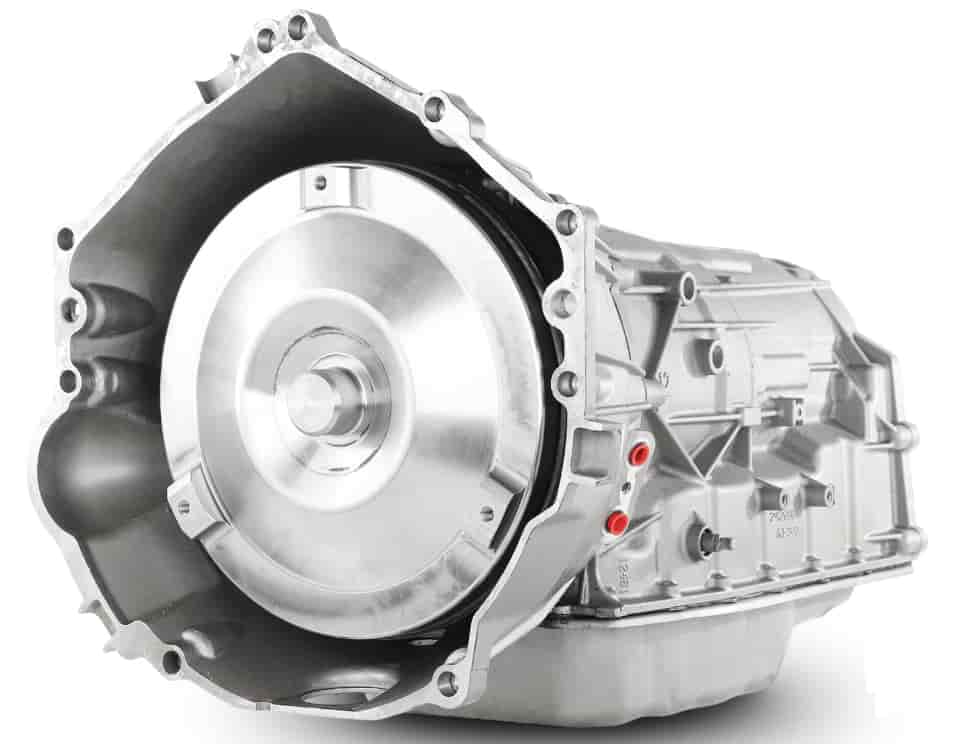
The 6L90 transmission is a heavy duty six speed automatic built by General Motors for high torque applications. It powers full size trucks and SUVs that handle towing, hauling, and off road driving.
GM reinforced the internal components to manage higher power output. This makes the transmission strong, but its lifespan depends heavily on usage. Vehicles with larger engines, like V8 powertrains, put extra stress on the transmission.
You can find the 6L90 in vehicles such as the Chevrolet Silverado 2500HD and 3500HD, GMC Sierra HD, and Cadillac Escalade. These vehicles need reliable transmissions to deliver both power and performance.
The 6L90 was not designed for light duty driving alone. Towing heavy trailers, carrying payloads, or driving in hot climates can reduce its lifespan.
Two drivers using the same transmission may experience very different results. One can reach high mileage with no issues, while another may face problems early due to hard usage or poor maintenance.
6L90 Transmission Life Expectancy in Miles
The 6L90 transmission life expectancy varies depending on driving habits, maintenance, and load conditions. On average, most drivers see reliable performance between 150000 and 200000 miles. Some owners reach 250000 miles or more if they maintain the transmission properly. Others experience failures under 120000 miles due to heavy towing or neglect.
Highway driving generally extends the lifespan, while city traffic with frequent stops, towing, or off road use can reduce it. Heat is another major factor. Transmissions that overheat frequently wear out faster, and poor fluid maintenance accelerates component damage.
To maximize lifespan, owners should follow the manufacturer’s service schedule, replace transmission fluid at recommended intervals, and monitor the transmission for early warning signs. Using a transmission cooler during towing or hot weather conditions also helps prevent overheating.
Understanding real world data helps set realistic expectations. Many drivers report smooth performance beyond 200000 miles, but only consistent care and proper usage ensure long term reliability.
Real-World Factors That Affect 6L90 Lifespan
The lifespan of a 6L90 transmission depends on several real world factors. Driving habits play a major role. Frequent towing, hauling heavy loads, or aggressive acceleration increases wear and tear. Highway cruising is gentler and generally prolongs life.
Heat also affects durability. Transmissions that run hot or overheat repeatedly suffer faster component wear. Installing a transmission cooler during towing or in hot climates can significantly reduce heat stress.
Maintenance habits are crucial. Skipping fluid changes or using low quality transmission fluid accelerates wear. Following the recommended service intervals keeps internal components lubricated and functioning properly.
Vehicle age and mileage add to the picture. Older vehicles with high mileage often experience cumulative stress, and early signs of wear may appear sooner. Even the build quality of the specific 6L90 model year can influence reliability.
Environmental conditions matter too. Hot climates, dusty roads, and stop and go traffic put extra strain on the transmission. Drivers who combine heavy loads with harsh environments will likely see reduced lifespan.
Understanding these factors helps owners make informed decisions and take preventive measures. With proper care, the 6L90 transmission can exceed its average lifespan, but neglect and extreme use lead to premature failure.
Common 6L90 Problems That Reduce Life Expectancy
Several common problems can shorten the 6L90 transmission life expectancy. Torque converter failures occur frequently, causing slipping and delayed engagement. Overheating is another major issue, often resulting from heavy towing or poor cooling.
Harsh shifting and slipping may appear as the transmission ages or fluid degrades. Valve body issues can also develop, leading to erratic shifting and further wear. Ignoring these problems accelerates damage and can turn a routine repair into an expensive rebuild.
Leaks are a hidden danger. Even minor fluid leaks reduce lubrication and increase internal friction. Low fluid levels combined with heavy use create a perfect storm for early failure.
Regular monitoring and early intervention help prevent minor issues from escalating. Detecting warning signs such as strange noises, delayed shifting, or burning smells allows drivers to take action before major damage occurs.
Being aware of these common problems gives owners the chance to extend the transmission’s life. Proactive maintenance, fluid changes, and avoiding extreme stress can significantly reduce the likelihood of costly failures.
How to Extend 6L90 Transmission Life
Extending the 6L90 transmission life expectancy requires consistent maintenance and careful driving. First, follow the manufacturer’s recommended service intervals and change the transmission fluid on schedule. Using high quality fluid ensures proper lubrication and cooling of internal components.
Installing a transmission cooler is highly recommended, especially for vehicles used for towing or driven in hot climates. This reduces heat buildup and prevents premature wear. Drivers should avoid excessive towing or overloading beyond the vehicle’s limits, as this creates high stress on the transmission.
Smooth driving habits also help. Avoid aggressive acceleration, sudden stops, and frequent gear changes under heavy load. Paying attention to warning signs, such as slipping, unusual noises, or delayed shifting, allows for early intervention before problems escalate.
Regular inspections of the transmission system, including fluid levels, seals, and lines, provide an additional layer of protection. Small repairs or adjustments can prevent larger failures and prolong the transmission’s life.
By combining proper maintenance, careful driving, and preventive measures, owners can significantly increase the 6L90 transmission lifespan and enjoy reliable performance well beyond the average mileage range.
6L90 vs 6L80 Lifespan Comparison
When comparing the 6L90 transmission life expectancy with the 6L80, several differences stand out. The 6L90 is designed for heavier duty applications, making it stronger but also more susceptible to stress from towing and heavy loads. The 6L80, in contrast, is lighter and handles lower torque, which often results in longer life under standard driving conditions.
Owners of the 6L90 who drive responsibly and maintain their transmissions can reach mileage comparable to the 6L80. However, under extreme conditions such as frequent towing, off-road use, or high heat, the 6L90 may experience wear faster. This is because the higher load and power generate more internal stress and heat.
Both transmissions benefit from proper maintenance, timely fluid changes, and careful driving. The 6L90 demands more attention when used in heavy duty scenarios, but it provides the necessary strength for trucks and SUVs performing demanding tasks. Understanding these differences helps owners set realistic expectations and adopt strategies to maximize lifespan.
Signs Your 6L90 Transmission Is Failing
Recognizing the early signs of transmission trouble can protect your vehicle and prevent costly repairs. A slipping transmission, where the engine revs but the vehicle does not accelerate as expected, is a common indicator of internal wear.
Delayed or harsh shifting signals potential problems in the valve body or torque converter. Drivers may notice unusual noises such as whining, clunking, or humming coming from the transmission. A burning smell often accompanies overheating and degraded transmission fluid.
Fluid leaks are another warning. Low fluid levels reduce lubrication and cause heat buildup, which accelerates wear. Pay attention to dashboard warning lights, including check engine or transmission alerts, as they often indicate underlying issues.
Addressing these problems early through inspection or professional service can significantly extend the 6L90 transmission life expectancy. Ignoring warning signs increases the likelihood of full transmission failure, which is expensive and time consuming to repair.
Conclusion
The 6L90 transmission life expectancy depends on driving habits, maintenance, and load conditions. On average, this transmission lasts between 150000 and 200000 miles, but careful owners can reach 250000 miles or more. High mileage and heavy duty use increase the risk of early failure, making preventive care essential.
Regular fluid changes, proper cooling, and smooth driving habits significantly extend lifespan. Paying attention to warning signs, addressing minor issues early, and avoiding excessive towing help maintain reliability. Understanding how real world factors impact the 6L90 allows drivers to plan maintenance and prevent unexpected failures.
Ultimately, this transmission offers strong performance for trucks and SUVs when cared for properly. By following best practices, owners can enjoy long term durability, fewer breakdowns, and peace of mind knowing their vehicle can handle demanding tasks without compromising reliability.