Choosing the correct engine oil helps your engine perform efficiently and last longer. It also improves fuel economy and reduces unnecessary wear. Many drivers compare 5W-20 and 5W-30 because the two grades look similar. However, they do not perform the same after the engine reaches its normal operating temperature. Their viscosity changes how the oil flows, protects moving parts, and maintains oil pressure.
Many people believe that thicker oil always protects an engine better. Others think thinner oil always delivers better fuel economy. Neither assumption is always correct. Engine manufacturers design every engine with specific bearing clearances and lubrication requirements. They recommend an oil viscosity that matches those specifications. Climate, driving conditions, engine age, and operating temperature also influence the best choice.
This guide explains the difference between 5W-30 and 5W-20 in simple terms. It compares their viscosity, engine protection, fuel economy, cold-start performance, and high-temperature stability. It also explains whether you can replace one oil grade with the other and when doing so makes sense. By the end of this article, you will understand which oil suits your vehicle and why following the manufacturer’s recommendation remains the safest decision.
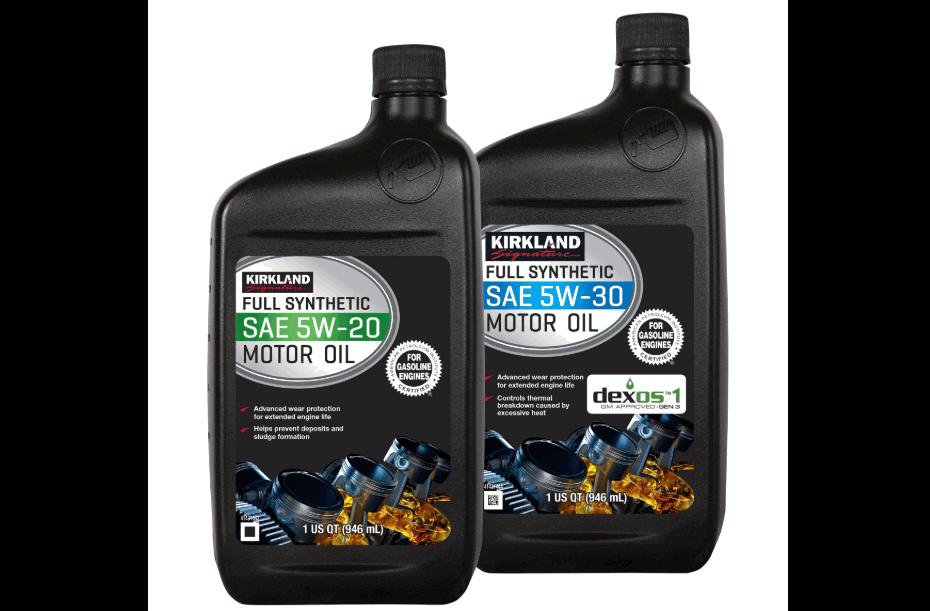
What Is the Difference Between 5W-20 and 5W-30?
The main difference between 5W-20 and 5W-30 is their viscosity at normal engine operating temperature. Both oils have the same 5W winter rating, so they flow similarly during cold starts. However, they reach different viscosity levels after the engine warms up. A 5W-20 oil remains thinner, while a 5W-30 oil becomes slightly thicker. That difference changes how each oil protects engine components, maintains oil pressure, and responds to different driving conditions.
The first number in an SAE viscosity grade measures cold-temperature performance. In this comparison, both oils carry a 5W rating. This means they circulate quickly during cold starts and help reduce wear before the engine reaches its operating temperature. Fast oil circulation is essential because most engine wear occurs during the first few seconds after ignition. Since both grades share the same winter rating, drivers should expect similar cold-start performance in the same climate.
The second number explains how the oil performs after the engine reaches its normal operating temperature. A 5W-20 oil has a lower viscosity than a 5W-30 oil at high temperatures. As a result, 5W-20 flows more easily through narrow oil passages and creates less internal resistance. In contrast, 5W-30 forms a slightly thicker lubricating film between moving parts. That extra thickness helps protect engine components when temperatures rise or when the engine operates under heavy loads.
This viscosity difference influences engine performance in several ways. A thinner oil usually reduces pumping resistance, which can improve fuel economy. A thicker oil, however, maintains stronger lubrication under demanding conditions such as highway driving, towing, or operating in hot weather. Neither oil grade is universally better because each one serves a different engineering purpose. Vehicle manufacturers choose a specific viscosity after testing engine clearances, oil pressure requirements, and long-term durability.
Understanding this distinction makes it easier to choose the correct oil. The shared 5W rating means both oils perform similarly during cold starts. The difference lies in how they protect the engine after it reaches full operating temperature. For that reason, drivers should compare engine specifications, climate, and manufacturer recommendations before selecting either 5W-20 or 5W-30.
Is 5W-30 Better Than 5W-20?
Whether 5W-30 is better than 5W-20 depends on your engine, driving conditions, and the manufacturer’s recommendation. A 5W-30 oil provides a thicker lubricating film after the engine reaches operating temperature. That extra thickness helps protect moving components when the engine works harder or generates more heat. However, a 5W-20 oil remains the better choice for engines specifically designed to use a lower-viscosity lubricant.
A 5W-30 oil performs well under demanding conditions because it maintains higher viscosity at elevated temperatures. The thicker oil film helps separate metal surfaces and reduces direct contact between engine components. This advantage becomes more noticeable during highway driving, towing, carrying heavy loads, or operating in hot climates. Engines that experience higher thermal stress often benefit from stronger lubrication because the oil maintains stable protection for a longer period.
A 5W-20 oil focuses on efficiency instead of maximum film strength. Its lower viscosity allows the oil pump to circulate lubricant more easily throughout the engine. The reduced resistance helps decrease mechanical drag and supports better fuel economy. Many modern passenger cars use tighter internal clearances, so manufacturers often recommend 5W-20 to maximize efficiency without sacrificing durability. When drivers follow the recommended oil grade, the engine receives the lubrication it was engineered to use.
Engine age also affects the decision. Older engines with higher mileage sometimes develop larger internal clearances because components wear over time. In these situations, a slightly thicker oil may help maintain oil pressure and reduce oil consumption. However, this does not mean every high-mileage vehicle should automatically switch to 5W-30. The safest approach is to consider the manufacturer’s specifications together with the engine’s condition and maintenance history.
Neither viscosity grade is universally superior. A 5W-30 oil offers stronger protection under higher temperatures and heavier workloads. A 5W-20 oil delivers better efficiency in engines designed for lower-viscosity lubrication. Choosing the correct oil always produces better results than choosing the thicker oil simply because it appears to provide more protection.
Does 5W-20 Improve Fuel Economy More Than 5W-30?
Yes, 5W-20 usually improves fuel economy more than 5W-30 because it creates less internal resistance while circulating through the engine. Its lower viscosity allows the oil pump to move lubricant with less effort, which reduces energy loss inside the engine. As a result, many vehicle manufacturers recommend 5W-20 to help improve fuel efficiency and meet modern emissions standards. The actual fuel savings remain modest, but they become noticeable over thousands of miles of driving.
Lower viscosity reduces friction between moving engine components. The crankshaft, camshaft, pistons, and valve train require less energy to move through a thinner lubricant. This reduction in mechanical drag allows more engine power to reach the wheels instead of overcoming internal resistance. Although the difference may seem small during a single trip, consistent use of the recommended oil grade can contribute to lower fuel consumption throughout the vehicle’s service life.
Many automakers specify 5W-20 for modern gasoline engines because they design these engines with tighter internal clearances. The thinner oil reaches critical components quickly while maintaining sufficient lubrication under normal driving conditions. Engineers balance fuel efficiency, durability, and emissions performance before selecting the recommended viscosity. For this reason, using a thicker oil does not automatically improve engine protection and may slightly reduce fuel economy in engines designed for 5W-20.
The fuel economy advantage becomes less significant under demanding operating conditions. High ambient temperatures, frequent towing, mountainous roads, and heavy engine loads place greater stress on the lubrication system. Under these conditions, a 5W-30 oil provides a thicker protective film that helps maintain stable lubrication. Many drivers accept a small reduction in fuel efficiency because stronger high-temperature protection becomes the higher priority.
Fuel economy should never be the only factor when selecting engine oil. Choosing the viscosity recommended by the manufacturer provides the best balance between efficiency, wear protection, and long-term reliability. A 5W-20 oil often delivers slightly better fuel economy, while a 5W-30 oil offers greater protection during demanding operation. Selecting the right oil for your engine always produces better results than choosing one grade solely to save fuel.
Can You Use 5W-30 Instead of 5W-20?
Yes, you can use 5W-30 instead of 5W-20 in certain situations. However, you should only make the switch when the vehicle manufacturer approves it or when operating conditions justify a different viscosity. Modern engines rely on precise engineering tolerances, and oil viscosity directly affects lubrication, oil pressure, fuel economy, and overall engine performance. Using a different oil grade occasionally may not cause immediate damage, but using it continuously without manufacturer approval can reduce engine efficiency and long-term reliability.
A temporary switch to 5W-30 may be appropriate when driving in extremely hot weather or under heavier engine loads. Higher ambient temperatures increase oil temperature and reduce viscosity during operation. A slightly thicker oil maintains a stronger lubricating film under these conditions and helps protect critical engine components. Drivers who frequently tow trailers, carry heavy cargo, or spend long hours on highways may also benefit from additional high-temperature protection if the manufacturer lists both oil grades as acceptable.
Using 5W-30 instead of 5W-20 may slightly reduce fuel economy because the thicker oil creates greater internal resistance. The oil pump requires more energy to circulate the lubricant, and engine components experience slightly higher friction during normal operation. Although the difference is usually small, manufacturers consider every efficiency improvement when designing modern engines. This is why many newer vehicles specify 5W-20 or other low-viscosity oils to improve fuel economy and reduce emissions.
Older engines present a different situation. As engine components wear over time, internal clearances gradually increase. Some high-mileage engines consume more oil or develop lower oil pressure as a result. In these cases, a manufacturer-approved 5W-30 oil may help maintain oil pressure and reduce oil consumption. Even so, engine condition alone should not determine the oil grade. The owner’s manual and the manufacturer’s service recommendations remain the most reliable sources for selecting the correct viscosity.
The safest decision is to follow the viscosity specified by the vehicle manufacturer. Engineers test each engine with a specific oil grade to achieve the best balance between lubrication, durability, efficiency, and emissions performance. If both 5W-20 and 5W-30 appear in the owner’s manual, choose the grade that matches your climate and driving conditions. If only one viscosity is recommended, following that specification will provide the best overall engine performance.
Which Oil Works Better in Hot and Cold Weather?
Both 5W-20 and 5W-30 perform well during cold starts because they share the same 5W winter viscosity rating. This rating indicates that both oils remain fluid at low temperatures and circulate quickly after the engine starts. Fast oil circulation is essential because engine components receive limited lubrication during the first few seconds of operation. Since both oils behave similarly in cold conditions, drivers should expect comparable cold-start performance in most winter climates.
The difference becomes more noticeable after the engine reaches its normal operating temperature. A 5W-20 oil remains thinner, allowing it to flow more easily through the engine and reduce internal resistance. This characteristic supports fuel efficiency and smooth engine operation during everyday driving. It also matches the design of many modern engines that use tight internal clearances and low-viscosity lubricants. Under normal weather conditions, a vehicle designed for 5W-20 will continue to deliver reliable protection throughout the recommended oil change interval.
A 5W-30 oil performs better in hotter environments because it maintains a thicker lubricating film as temperatures increase. High ambient temperatures, long highway trips, heavy traffic, and towing all place additional stress on engine oil. Under these conditions, a thicker viscosity helps preserve oil pressure and reduces metal-to-metal contact between moving components. This extra protection becomes especially valuable for engines that operate under sustained high loads or spend long periods at elevated temperatures.
Climate is only one factor when selecting engine oil. Driving habits, engine design, and manufacturer recommendations have a greater influence on the correct viscosity. A vehicle driven in a hot region may still require 5W-20 if the manufacturer specifies that grade. Likewise, some vehicles operating in colder climates continue to use 5W-30 without any issues because the shared 5W rating provides similar cold-start performance.
The best oil for hot or cold weather is the one that matches both the operating environment and the manufacturer’s specifications. While 5W-30 offers stronger protection during high-temperature operation, 5W-20 provides excellent efficiency under normal conditions. Following the recommended viscosity ensures the engine receives the correct balance of lubrication, protection, and performance in every season.
Which Engines Should Use 5W-20 or 5W-30?
The right engine oil depends on how the engine was designed rather than on the vehicle’s age alone. Manufacturers select a specific viscosity after extensive testing to achieve the best balance between lubrication, fuel economy, durability, and emissions performance. Choosing the recommended oil allows the lubrication system to maintain the correct oil pressure and protect critical engine components under normal operating conditions. Before switching to a different viscosity, drivers should always consult the owner’s manual or the manufacturer’s service recommendations.
Modern passenger vehicles often use 5W-20 because newer engines feature tighter internal clearances and more efficient lubrication systems. A lower-viscosity oil flows quickly through narrow oil passages and reduces mechanical resistance inside the engine. This design improves fuel economy without compromising wear protection during everyday driving. Many compact cars, midsize sedans, and crossover SUVs use 5W-20 to meet efficiency targets while maintaining long-term reliability.
Many trucks, SUVs, performance vehicles, and engines that operate under higher loads benefit from 5W-30. The thicker oil maintains a stronger lubricating film after the engine reaches operating temperature and helps protect components exposed to greater heat and pressure. Vehicles that regularly tow trailers, carry heavy cargo, or travel long distances at highway speeds often require this additional protection. Some manufacturers also recommend 5W-30 for specific engine families regardless of climate because the engine design demands higher operating-temperature viscosity.
High-mileage engines require a more careful evaluation before changing oil viscosity. As internal components wear, bearing clearances may increase and oil consumption may become more noticeable. In some cases, manufacturers approve both 5W-20 and 5W-30 for the same engine, allowing owners to choose the viscosity that best matches the vehicle’s condition and operating environment. However, switching to a thicker oil should never replace proper maintenance or repairs when mechanical problems develop.
The best engine oil is always the one that matches the manufacturer’s specification and the vehicle’s intended use. Engine design, operating conditions, and maintenance history all influence the correct choice. Following the recommended viscosity provides the most reliable combination of engine protection, fuel efficiency, and long-term performance throughout the vehicle’s service life.
What Are the Advantages and Disadvantages of 5W-20 and 5W-30?
Both 5W-20 and 5W-30 offer reliable engine protection when drivers use them according to the manufacturer’s recommendation. Neither oil grade is universally better because each one serves a different purpose. A 5W-20 oil focuses on improving fuel efficiency and supporting modern engine designs with tighter internal clearances. In contrast, a 5W-30 oil provides a thicker lubricating film that helps protect engine components under higher temperatures and heavier workloads. Understanding these strengths and limitations makes it easier to select the correct viscosity for your vehicle.
A 5W-20 oil performs best in vehicles designed for low-viscosity lubricants. Its thinner consistency reduces internal friction and allows the oil pump to circulate lubricant more efficiently. As a result, the engine consumes slightly less fuel during normal driving. The oil also reaches critical engine components quickly after a cold start because it flows easily through narrow oil passages. However, the thinner oil film provides less protection under extreme operating conditions, especially when the engine experiences sustained high temperatures or heavy mechanical loads.
A 5W-30 oil offers stronger protection during demanding operation. Its higher viscosity helps maintain stable oil pressure and creates a thicker protective layer between moving engine components. This characteristic makes it well suited for towing, long highway trips, hot climates, and high-mileage engines that require additional lubrication support. The trade-off is slightly higher internal resistance, which may reduce fuel economy in engines specifically designed for 5W-20. Although the difference is usually small, it can become noticeable over long periods of driving.
The following table highlights the key differences between both viscosity grades.
| Feature | 5W-20 | 5W-30 |
|---|---|---|
| Cold-start performance | Excellent | Excellent |
| High-temperature protection | Good | Better |
| Fuel economy | Better | Good |
| Oil film strength | Moderate | Higher |
| Heavy-load performance | Good | Better |
| Oil pressure stability | Good | Better |
| Recommended for modern low-viscosity engines | Yes | Sometimes |
| Recommended for hot climates | Suitable | Better |
| Recommended for towing or heavy loads | Limited | Yes |
Choosing between 5W-20 and 5W-30 should never depend on a single benefit. Fuel economy, engine protection, operating temperature, and manufacturer specifications all contribute to the final decision. Selecting the viscosity recommended for your engine provides the best combination of performance, durability, and long-term reliability.
Which Engine Oil Should You Choose?
You should choose the engine oil specified by your vehicle manufacturer because every engine is designed to operate with a particular viscosity. Engineers determine the recommended oil after testing lubrication performance, oil pressure, fuel efficiency, engine durability, and emissions compliance. Following that recommendation ensures the oil flows correctly through the engine and provides the level of protection the engine requires under normal operating conditions.
A 5W-20 oil is the better choice for vehicles that prioritize fuel economy and use modern engines with tight internal clearances. Its lower viscosity reduces mechanical resistance and allows the oil to circulate quickly through narrow lubrication passages. This design improves efficiency while maintaining reliable wear protection during everyday driving. If your owner’s manual specifies 5W-20, using a thicker oil without approval may reduce fuel economy and alter the lubrication characteristics that the engine was designed to achieve.
A 5W-30 oil becomes the better option when the manufacturer recommends it or when the vehicle regularly operates under demanding conditions. High ambient temperatures, extended highway driving, heavy towing, and steep terrain place additional stress on the lubrication system. Under these conditions, a thicker oil maintains a stronger protective film and helps preserve stable oil pressure. Some manufacturers also approve both viscosities, allowing drivers to select the most appropriate grade based on seasonal temperatures or operating conditions.
Engine condition should also influence your decision. A well-maintained engine with normal mileage usually performs best with the original factory recommendation. However, an older engine with higher mileage may benefit from a manufacturer-approved 5W-30 oil if increased wear results in higher oil consumption or lower oil pressure. Even in these situations, drivers should confirm that the alternative viscosity meets the specifications listed in the owner’s manual.
The best choice is not the thickest or the thinnest oil. The best choice is the viscosity that matches your engine design, driving environment, and manufacturer recommendation. Selecting the correct oil grade protects engine components, maintains consistent performance, and supports long-term reliability throughout the vehicle’s service life.
Conclusion
The comparison between 5W-30 vs 5W-20 shows that both engine oils perform the same during cold starts but differ after the engine reaches operating temperature. A 5W-20 oil delivers better fuel efficiency and suits engines designed for lower-viscosity lubrication. A 5W-30 oil provides a thicker protective film that performs better under higher temperatures, heavier loads, and more demanding driving conditions.
Neither oil grade is universally superior because each one supports a different engine design and operating environment. Choosing the correct viscosity depends on the manufacturer’s recommendation, local climate, driving habits, and engine condition rather than personal preference alone. Following the specified oil grade helps maintain proper lubrication, stable oil pressure, and long-term engine durability.
Before changing to a different viscosity, always consult your owner’s manual or the manufacturer’s service documentation. Making an informed decision protects your engine, improves reliability, and ensures your vehicle continues to perform as intended for years to come.