Can you replace 5.7 HEMI lifters without removing the cylinder heads? Yes, in many cases you can. On most 5.7L HEMI engines, the lifters can be replaced without removing the cylinder heads because they are accessed after removing the intake manifold, valve train components, timing components, and camshaft. However, this method is only practical when the lifter bores and cylinder heads remain undamaged. If a collapsed lifter, excessive camshaft wear, or damage to the lifter bore is present, removing the cylinder heads—or even performing a more extensive engine repair—may become necessary.
Many owners begin researching this repair after noticing the well-known HEMI tick, engine misfires, or a Check Engine Light. In many cases, these symptoms are caused by a worn hydraulic roller lifter or a damaged camshaft lobe. Addressing the problem early can prevent metal debris from circulating through the engine and significantly reduce the overall repair cost.
This guide explains when a 5.7 HEMI lifter replacement can be completed without removing the cylinder heads, when that approach is no longer recommended, and what parts must be removed to reach the lifters. It also covers the required tools, a step-by-step replacement procedure, common mistakes to avoid, expected repair costs, and whether replacing the camshaft at the same time is the better long-term solution. By the end of this article, you’ll have a clear understanding of whether this repair is suitable for your engine and your level of mechanical experience.
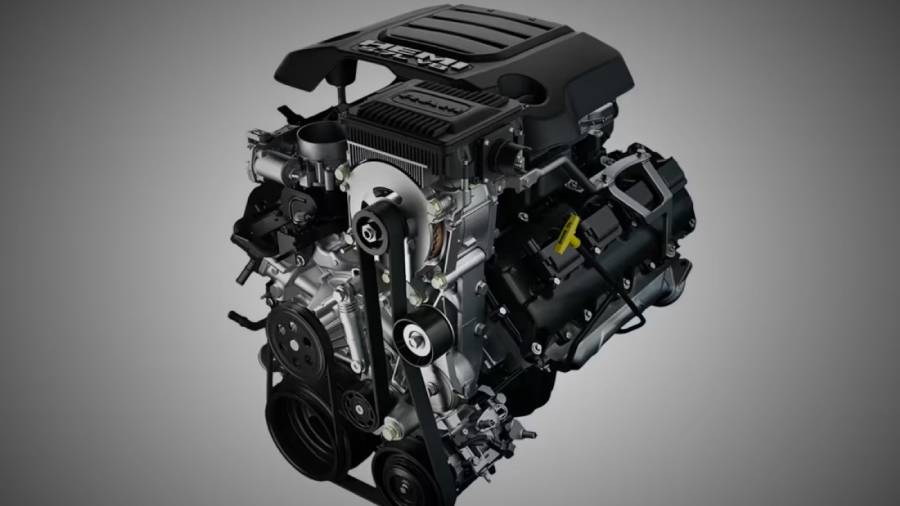
Can You Replace 5.7 HEMI Lifters Without Removing the Cylinder Heads?
Yes, you can replace the lifters on many 5.7 HEMI engines without removing the cylinder heads. The cylinder heads remain installed because the hydraulic roller lifters are retained by lifter trays and can be accessed after removing the intake manifold, valve covers, rocker arms, pushrods, timing components, and camshaft. Once the camshaft is removed, the lifters can be pulled upward through their bores, eliminating the need to disconnect the heads from the engine block in a standard lifter replacement.
This repair method is widely used when the engine has a failed lifter, a worn roller bearing, or the well-known HEMI tick, but the cylinder heads and lifter bores are still in good condition. By leaving the heads in place, technicians avoid replacing head gaskets, head bolts, coolant, and several other components associated with cylinder head removal. As a result, the repair becomes less labor-intensive while reducing both parts and labor costs.
However, replacing lifters without removing the cylinder heads is not appropriate for every engine. If the failed lifter has severely damaged the camshaft lobe, seized inside the lifter bore, or scattered metal debris throughout the lubrication system, additional engine disassembly may be necessary. In these situations, removing the cylinder heads allows a more thorough inspection of the valve train and helps ensure that hidden damage is not overlooked.
Before beginning the repair, inspect the engine carefully to determine the extent of the damage. A successful lifter replacement depends not only on removing the old lifters but also on confirming that the camshaft, lifter trays, pushrods, rocker arms, and lubrication system remain serviceable. Replacing only the failed component while ignoring related wear often results in another lifter failure within a relatively short period.
When Can You Replace 5.7 HEMI Lifters Without Removing the Heads?
What conditions allow the repair?
A head-on replacement is practical when the damage is limited to the lifters or the camshaft and the cylinder heads remain structurally sound. The lifters must still move freely inside their bores, allowing them to be extracted after the camshaft has been removed. Likewise, the lifter trays must securely retain each lifter until removal, and the cylinder head must show no signs of cracking or mechanical damage.
Another important requirement is that the engine has not experienced catastrophic internal failure. If only one or two hydraulic roller lifters have worn bearings or collapsed internally, replacing the affected lifters—and often the camshaft at the same time—is generally sufficient. This approach is commonly performed on engines that develop ticking noises during normal operation but continue to maintain compression and oil pressure.
The lubrication system should also remain relatively clean. Minor metallic particles are common after camshaft wear begins, but excessive metal contamination throughout the oil passages, oil pump, or bearings indicates a more serious failure that may require complete engine disassembly. Installing new lifters into an engine contaminated with metal debris significantly increases the risk of premature wear.
Finally, the repair is best suited for technicians or experienced DIY mechanics who have access to factory torque specifications, quality replacement parts, and the proper specialty tools. Although removing the cylinder heads is unnecessary in many cases, the repair still requires partial engine disassembly and careful attention to valve timing during reassembly.
Which engine damage still allows this method?
Minor to moderate valvetrain wear usually allows lifter replacement without removing the cylinder heads. Common examples include a noisy hydraulic roller lifter, early-stage camshaft lobe wear, worn roller bearings, damaged lifter rollers, or an MDS lifter that has begun sticking but has not damaged the lifter bore.
Engines that produce an intermittent HEMI tick without severe performance loss often fall into this category. Diagnostic inspections may reveal slight camshaft scoring or abnormal lifter wear while the remainder of the valve train remains serviceable. Replacing the worn components before the damage progresses can prevent much more expensive repairs later.
In contrast, engines exhibiting deep camshaft lobe failure, broken roller bearings, severely collapsed lifters, or excessive metal shavings suspended in the engine oil generally require a more comprehensive inspection. Continuing with a head-on replacement under these conditions risks leaving hidden damage inside the engine, leading to repeated failures after the repair is completed.
Which HEMI model years are compatible?
Most 5.7L HEMI engines use a similar valvetrain design, allowing this repair method across multiple production years, but compatibility depends more on engine configuration than model year alone. Both MDS-equipped and non-MDS versions use hydraulic roller lifters that are accessed through a similar disassembly process. However, the replacement parts, lifter designs, torque specifications, and camshaft configurations vary between engine generations.
Owners should always identify the exact engine version using the vehicle identification number (VIN), engine build information, or factory service documentation before ordering replacement components. Installing incorrect MDS or non-MDS lifters, using incompatible pushrods, or applying the wrong torque specifications can result in improper valve operation and premature component failure.
Regardless of model year, following the manufacturer’s service procedures and using high-quality replacement components significantly improves repair reliability. Many technicians also recommend replacing all lifters on the affected bank—or even the complete set—rather than replacing only the visibly failed lifter, reducing the likelihood of another lifter failure developing shortly after the repair.
When Does a 5.7 HEMI Lifter Replacement Require Removing the Cylinder Heads?
Although many 5.7 HEMI lifter replacements can be completed without removing the cylinder heads, certain types of engine damage make cylinder head removal necessary. Attempting to avoid additional disassembly in these situations can leave hidden damage unrepaired, increasing the risk of repeated lifter failure, valve train damage, or even complete engine failure.
Does severe camshaft damage require removing the cylinder heads?
Severe camshaft damage does not always require cylinder head removal, but it often indicates that a more comprehensive inspection is necessary. A failed roller lifter can flatten a camshaft lobe, creating excessive metal particles that circulate through the engine. If the damage is limited to the camshaft and lifters, replacing both components without removing the heads is usually possible. However, if metal debris has contaminated the rocker arms, valve springs, valve guides, or combustion chambers, removing the cylinder heads allows these components to be cleaned and inspected thoroughly.
Camshaft inspection should include checking every lobe for abnormal scoring, discoloration, pitting, or uneven wear. Even if only one lobe appears damaged, replacing the camshaft as a complete unit is generally recommended because uneven wear affects valve lift and long-term engine reliability.
Can a collapsed lifter prevent head-on replacement?
Yes. A severely collapsed or seized lifter can prevent removal through the lifter bore, making cylinder head removal necessary. Under normal conditions, the hydraulic roller lifter slides freely within its bore after the camshaft is removed. If the lifter body becomes distorted, the roller bearing breaks apart, or excessive heat causes the lifter to seize, it may no longer pass through the bore without damaging surrounding components.
Forcing a stuck lifter out can score the lifter bore or damage the engine block. In these cases, removing the cylinder head provides direct access to the affected area and reduces the risk of causing additional damage during extraction.
Why does a damaged lifter bore require additional disassembly?
A worn or damaged lifter bore cannot reliably support a new lifter. The lifter depends on precise clearance within the bore to maintain proper alignment with the camshaft lobe. If the bore becomes scratched, enlarged, or out of round, the new lifter may tilt during operation, accelerating wear on both the lifter and camshaft.
Because the lifter bore is machined directly into the engine block, repairing severe damage often requires specialized machining or engine replacement. Removing the cylinder heads provides better access for inspection and helps determine whether the block remains serviceable.
Does metal contamination affect the repair decision?
Yes. Extensive metal contamination is one of the strongest reasons to perform a more complete engine inspection. When a roller lifter fails catastrophically, metal fragments travel through the lubrication system before reaching the oil filter. Although the filter captures many particles, smaller debris may continue circulating through bearings, oil galleries, the oil pump, and valve train components.
Before installing new parts, technicians should inspect the engine oil, cut open the oil filter if necessary, and evaluate the amount of metallic debris present. Heavy contamination often justifies additional teardown because replacing only the lifters does not eliminate abrasive particles already circulating throughout the engine.
What Parts Must Be Removed to Replace 5.7 HEMI Lifters?
Replacing 5.7 HEMI lifters without removing the cylinder heads still requires significant engine disassembly. Every component blocking access to the camshaft and lifter trays must be removed in the correct sequence to prevent damage and simplify reassembly.
Intake manifold
The intake manifold is typically the first major component removed. Taking off the manifold provides access to the valley area of the engine and exposes the lifter valley once additional components are removed. Before lifting the manifold, disconnect the throttle body, fuel lines, electrical connectors, vacuum hoses, and any brackets attached to the intake assembly.
Valve covers
Removing both valve covers exposes the rocker arms, pushrods, and upper valve train. Inspect the inside of each cover for sludge buildup or metallic debris, as both conditions provide valuable information about engine health and lubrication history.
Rocker arms and pushrods
Each rocker arm must be removed carefully while maintaining its original location whenever the components will be reused. Pushrods should also remain organized because uneven wear patterns develop over thousands of operating miles. Mixing components between cylinders may accelerate future wear.
While these parts are removed, inspect each pushrod for bending and check rocker arm bearings for excessive play, scoring, or discoloration caused by inadequate lubrication.
Timing cover and timing components
The timing cover must be removed to access the timing chain, timing sprockets, and camshaft retaining hardware. Proper alignment of timing marks before disassembly is essential because incorrect camshaft timing during reassembly can lead to poor engine performance, misfires, or piston-to-valve contact.
Many technicians also inspect the timing chain, chain guides, and tensioner during this stage because these components are easily accessible and contribute to long-term engine reliability.
Camshaft
After removing the timing components, the camshaft can be carefully extracted from the front of the engine. Supporting the camshaft during removal prevents the cam lobes from contacting and damaging the cam bearings.
Once removed, inspect every lobe for flattening, scoring, discoloration, or abnormal wear. Even minor damage often indicates that replacing the camshaft together with the lifters is the most reliable repair strategy.
Lifter trays
With the camshaft removed, the lifter trays become accessible. These trays hold the hydraulic roller lifters in alignment and prevent them from rotating during engine operation. Inspect each tray for cracks, excessive wear, broken retainers, or distortion before reinstalling or replacing it.
What Tools Are Required for a 5.7 HEMI Lifter Replacement?
Using the correct tools improves repair accuracy and reduces the likelihood of assembly errors. Although most of the work can be completed with standard automotive hand tools, several specialty tools make the procedure significantly safer and more efficient.
A complete socket and wrench set is required to remove intake, valve train, and timing components. A calibrated torque wrench is equally important because many fasteners on the HEMI engine require precise torque values to maintain proper sealing and component alignment.
A harmonic balancer puller is typically needed to remove the crankshaft damper before accessing the timing cover. During camshaft installation, assembly lube should be applied to all bearing surfaces and cam lobes to minimize wear during the first engine startup before full oil pressure develops.
A magnetic pickup tool helps retrieve hydraulic lifters safely from their bores without scratching machined surfaces. Many technicians also use long nose pliers, inspection mirrors, flexible LED work lights, and magnetic trays to improve visibility and prevent hardware from being misplaced during disassembly.
Before beginning the repair, obtain the factory service manual or an equivalent repair guide that includes tightening sequences, torque specifications, timing mark alignment procedures, and model-specific service information. Accurate reference data is just as important as the physical tools because even a minor assembly error can lead to poor engine performance or premature component failure.
How Do You Replace 5.7 HEMI Lifters Without Removing the Heads?
Replacing 5.7 HEMI lifters without removing the cylinder heads involves removing the upper engine components, extracting the camshaft, replacing the lifters, inspecting related parts, and reassembling the engine according to factory specifications. Although the cylinder heads remain installed, this is still an advanced repair that requires mechanical experience, specialized tools, and careful attention to timing alignment.
Step 1: Prepare the vehicle
Begin by parking the vehicle on a level surface and allowing the engine to cool completely. Disconnect the negative battery terminal to prevent accidental electrical shorts while working around the starter circuit and engine sensors.
Drain the engine coolant if the intake manifold removal procedure requires disconnecting coolant passages. Engine oil should also be drained if the failed lifter has produced noticeable metal debris. Replacing contaminated oil after the repair helps prevent abrasive particles from circulating through the lubrication system.
Before removing any components, label vacuum hoses, electrical connectors, ignition coils, and sensor wiring. Taking reference photos during disassembly makes reassembly significantly easier, especially on engines equipped with numerous wiring harnesses and emission-control components.
Step 2: Remove the intake manifold and valve train components
Remove the air intake assembly, throttle body connections, fuel rails if necessary, and the intake manifold to expose the engine valley. After the intake manifold is removed, inspect the valley for sludge, coolant leaks, or signs of abnormal oil contamination.
Next, remove both valve covers to gain access to the rocker arms and pushrods. Loosen the rocker arm bolts gradually to relieve valve spring pressure evenly. Remove each rocker arm and pushrod while keeping them organized according to their original cylinder locations if they will be reused.
At this stage, inspect every pushrod for straightness by rolling it across a flat surface. Replace any pushrod that shows signs of bending, excessive wear at either end, or abnormal discoloration caused by insufficient lubrication.
Step 3: Remove the timing components and camshaft
Remove the serpentine belt, harmonic balancer, water pump if required, and timing cover. Rotate the crankshaft until the factory timing marks are correctly aligned before removing the timing chain. Proper alignment simplifies reassembly and prevents incorrect valve timing.
After removing the timing chain and camshaft retaining plate, carefully slide the camshaft forward while supporting its weight. Long camshafts can easily damage cam bearings if allowed to drop during removal.
Once the camshaft is removed, inspect every cam lobe under bright lighting. Healthy lobes have a smooth, consistent wear pattern with no pitting, sharp edges, or flattening. Even moderate lobe wear often indicates that replacing only the lifters is insufficient because a worn camshaft rapidly damages new lifters.
Step 4: Remove the lifter trays and hydraulic lifters
With the camshaft removed, unbolt the lifter trays located in the engine valley. The trays hold each hydraulic roller lifter in the correct orientation and prevent rotation during engine operation.
Lift each tray carefully and remove the lifters using a magnetic pickup tool or suitable lifter removal tool. Every lifter should move smoothly from its bore without excessive resistance.
Inspect each removed lifter carefully. Common signs of failure include seized roller bearings, flattened rollers, excessive scoring, collapsed internal plungers, heat discoloration, and uneven wear patterns. A failed roller bearing often produces fine metal particles that accelerate wear throughout the valve train.
The lifter bores should also be inspected before installing new components. Look for scratches, gouges, excessive wear, or signs that a lifter has rotated inside the bore. Any damage to these precision-machined surfaces may prevent proper lifter operation and should be addressed before reassembly.
A successful lifter replacement depends on inspecting every component that works with the lifters, not just replacing the failed parts. Installing new lifters against worn components often results in another failure within a relatively short period.
Inspect the camshaft bearings for scoring or abnormal wear. Examine the rocker arms for damaged bearings, excessive side play, and worn contact surfaces. Check each pushrod for straightness and inspect the valve tips for uneven wear.
The lifter trays should also be examined closely because cracked retainers or weakened plastic guides can allow the lifters to rotate during engine operation. Many experienced technicians replace the trays whenever new lifters are installed because the additional cost is relatively low compared to the labor required to access them.
Finally, inspect the oil pump pickup screen if heavy metallic contamination is present. Cleaning the lubrication system before reassembly reduces the likelihood of fresh engine oil carrying abrasive debris into the new valve train components.
Step 6: Install the new lifters and camshaft
Lubricate each new hydraulic roller lifter with high-quality engine assembly lubricant before installation. The lubricant protects critical surfaces during the first engine startup when full oil pressure has not yet reached every component.
Insert each lifter into its bore, ensuring smooth movement without excessive resistance. Reinstall the lifter trays and tighten their fasteners according to the manufacturer’s torque specifications.
If installing a new camshaft, apply assembly lubricant generously to every cam lobe and journal before carefully sliding it into the engine block. Avoid allowing the camshaft lobes to strike the cam bearings during installation.
Reinstall the camshaft retaining plate, timing chain, timing gears, and all related components while confirming that every timing mark remains correctly aligned. Even a single tooth of misalignment can cause rough engine operation, reduced power, diagnostic trouble codes, or valve timing faults.
Step 7: Reassemble the engine
Reinstall the pushrods, rocker arms, valve covers, intake manifold, ignition components, fuel system connections, accessory drive components, and all electrical connectors in the reverse order of removal.
Every fastener should be tightened using the proper torque sequence and specification provided by the factory service manual. Uneven tightening can lead to oil leaks, vacuum leaks, gasket failure, or improper valve train geometry.
Before installing the intake manifold permanently, inspect every gasket surface for old gasket material, dirt, or oil residue. Clean mating surfaces thoroughly to ensure proper sealing and reduce the risk of future vacuum or coolant leaks.
Step 8: Prime the lubrication system
Priming the oil system before the first startup is one of the most important steps in the entire repair. New lifters and camshaft surfaces depend on immediate lubrication to prevent metal-to-metal contact during initial engine operation.
Fill the engine with fresh oil that meets the manufacturer’s viscosity and specification requirements. Install a new oil filter and prime the lubrication system using the recommended procedure for the specific engine configuration.
Allowing the oil pump to circulate fresh oil before the engine starts helps fill the hydraulic lifters, lubricate the camshaft bearings, and reduce dry-start wear.
Step 9: Perform the initial startup and inspection
Start the engine and allow it to idle while monitoring oil pressure, engine noise, and warning lights. Some valve train noise during the first few seconds is normal because the new hydraulic lifters require time to fill with pressurized oil.
Inspect the engine carefully for coolant leaks, oil leaks, fuel leaks, and vacuum leaks. Listen for abnormal knocking, persistent ticking, or misfires that may indicate incorrect valve timing or installation problems.
After reaching normal operating temperature, perform a road test and recheck all fluid levels. Many technicians recommend changing the engine oil again after several hundred miles if the original failure produced significant metal contamination. This additional oil service helps remove any remaining microscopic particles left behind after the repair.
What Mistakes Should You Avoid During a 5.7 HEMI Lifter Replacement?
Most premature lifter failures after repair are caused by installation errors or failing to replace worn companion components. Avoiding several common mistakes greatly improves repair reliability and extends the service life of the new valve train.
One of the most common mistakes is replacing only the failed lifter while reusing a worn camshaft. Hydraulic roller lifters and cam lobes wear together over time. Installing a new lifter against a damaged cam lobe quickly destroys the replacement part and often recreates the original ticking noise.
Another frequent mistake is reusing damaged lifter trays. Even if the trays appear serviceable, weakened retainers may allow the lifters to rotate inside their bores, accelerating roller and camshaft wear. Because replacement trays are relatively inexpensive, many professional technicians replace them as preventive maintenance.
Improper torque procedures also cause avoidable problems. Overtightening rocker arm bolts, timing cover fasteners, or intake manifold bolts can damage aluminum threads or distort sealing surfaces, while undertightening increases the likelihood of leaks and component movement.
Many DIY mechanics also overlook lubrication during assembly. Every hydraulic lifter, camshaft journal, and cam lobe should receive assembly lubricant before installation. Starting the engine with dry components increases friction during the first moments before full oil pressure develops.
Finally, never ignore the root cause of the original failure. Poor oil maintenance, low oil pressure, contaminated lubrication, or extended oil change intervals frequently contribute to lifter damage. Correcting these underlying issues is essential to prevent the same repair from becoming necessary again.
Should You Replace the Camshaft at the Same Time?
In most cases, replacing the camshaft together with the lifters is the recommended repair for a failed 5.7 HEMI lifter. Hydraulic roller lifters and camshaft lobes wear against each other throughout the engine’s service life. When one component fails, microscopic wear usually develops on the matching surface, even if the damage is not immediately visible.
A worn camshaft lobe may appear to have only light polishing or minor scoring, but its surface hardness can already be compromised. Installing a brand-new lifter on a partially worn camshaft increases the likelihood of accelerated wear because the two components no longer share compatible contact patterns. Within a few thousand miles, the new lifter may begin producing the same ticking noise that prompted the original repair.
Replacing both components together restores proper contact between the roller lifter and camshaft lobe. It also eliminates the need to reopen the engine if a reused camshaft fails shortly after the repair. Although replacing the camshaft increases the initial parts cost, it generally reduces the long-term cost of ownership by minimizing the risk of repeat labor.
A complete valve train inspection should also influence the repair decision. If the failed lifter generated significant metal debris, replacing only the camshaft and lifters may not be sufficient. Inspecting rocker arms, pushrods, lifter trays, timing components, and the oil pump pickup ensures that damaged components are not reused.
The only situation where reusing the existing camshaft is generally reasonable is when the camshaft passes a detailed inspection with no measurable lobe wear, scoring, pitting, or abnormal surface discoloration. Even then, many professional engine builders still recommend replacing the camshaft as preventive maintenance because labor accounts for a much larger portion of the repair cost than the camshaft itself.
How Much Does a 5.7 HEMI Lifter Replacement Cost?
The total cost of replacing 5.7 HEMI lifters depends on whether the repair is performed at home or by a professional repair shop, the number of components replaced, and the amount of engine damage discovered during disassembly.
A typical DIY repair generally costs between $500 and $1,200 for quality replacement parts. This estimate often includes hydraulic roller lifters, lifter trays, intake and valve cover gaskets, engine oil, oil filter, coolant, and miscellaneous seals. If a new camshaft is installed, the parts cost increases accordingly.
Professional repairs typically range from $1,800 to more than $3,500, depending on local labor rates and the extent of engine damage. Labor represents the largest portion of the final invoice because accessing the lifters requires removing numerous engine components before the actual replacement begins.
If the inspection reveals severe camshaft damage, contaminated bearings, damaged rocker arms, or excessive metal debris throughout the lubrication system, repair costs can increase significantly. In extreme cases involving widespread internal damage, replacing the engine may become more economical than rebuilding the original unit.
Although replacing only the failed lifter appears less expensive initially, replacing related wear components during the same repair often reduces future maintenance costs. Many technicians recommend installing a complete lifter set, new lifter trays, fresh gaskets, and a replacement camshaft while the engine is already disassembled.
What Causes 5.7 HEMI Lifter Failure?
Most 5.7 HEMI lifter failures are caused by lubrication problems, mechanical wear, or prolonged operation with damaged valve train components. Understanding the root cause is essential because replacing the lifter alone does not eliminate the condition that caused the failure.
Oil starvation
Insufficient lubrication is one of the most common causes of hydraulic roller lifter failure. Low oil pressure, clogged oil passages, restricted oil filters, or operating the engine with low oil levels reduces the amount of lubrication reaching the lifters and camshaft. Without an adequate oil film separating moving surfaces, friction increases rapidly and accelerates wear.
Extended oil change intervals
Engine oil gradually loses its ability to lubricate, cool, and suspend contaminants. Delaying scheduled oil changes allows sludge, oxidation, and abrasive particles to circulate through the engine, increasing wear on precision valve train components.
Following the manufacturer’s recommended oil change interval and using the correct oil specification significantly improves lifter longevity.
Camshaft wear
A worn camshaft lobe places abnormal loads on the roller lifter. As the contact surface deteriorates, the roller bearing experiences increased stress during every valve opening cycle. Eventually, the bearing may seize, flatten, or break apart, leading to the characteristic HEMI ticking noise.
Many 5.7 HEMI engines use the Multi-Displacement System (MDS) to improve fuel economy by temporarily deactivating selected cylinders under light engine loads. MDS lifters contain additional internal mechanisms compared to standard hydraulic lifters, making them more complex and increasing the number of components subject to wear over time.
Although millions of MDS-equipped engines operate reliably, repeated activation cycles combined with lubrication issues may contribute to premature lifter failure in some engines.
Contaminated engine oil
Metal particles, dirt, coolant contamination, or sludge suspended in engine oil gradually damage hydraulic lifters and camshaft surfaces. Even small abrasive particles trapped between the roller bearing and cam lobe accelerate wear that eventually develops into ticking noises and valve train failure.
What Symptoms Indicate a Failed 5.7 HEMI Lifter?
A failed hydraulic lifter usually produces several warning signs before complete valve train failure occurs. Recognizing these symptoms early can reduce repair costs by preventing secondary damage to the camshaft and related engine components.
HEMI tick
The most recognizable symptom is the well-known HEMI tick, a rhythmic tapping or ticking noise originating from the upper portion of the engine. The sound often becomes more noticeable during cold starts or while the engine idles after reaching operating temperature.
Although not every ticking sound indicates a failed lifter, persistent valve train noise should never be ignored because continued operation may damage the camshaft.
Engine misfire
A collapsed hydraulic lifter prevents the valve from opening correctly, reducing airflow into the affected cylinder. As combustion efficiency decreases, the engine may develop intermittent or continuous misfires accompanied by rough acceleration.
Diagnostic trouble codes such as P0300 or cylinder-specific misfire codes frequently appear when valve lift is significantly reduced.
Check Engine Light
Modern engine management systems continuously monitor crankshaft speed and combustion quality. When valve train problems affect cylinder performance, the engine control module may illuminate the Check Engine Light and store diagnostic trouble codes related to misfires or valve timing irregularities.
Rough idle and power loss
Reduced valve lift decreases engine breathing efficiency. Drivers often notice rough idling, slower throttle response, reduced acceleration, and decreased towing performance as the lifter damage progresses.
Metal particles in the engine oil
Metallic debris discovered during an oil change is one of the clearest indicators of internal valve train wear. Fine metallic particles may originate from the camshaft, roller bearings, or hydraulic lifters. Finding excessive metal contamination should prompt immediate inspection before additional engine damage develops.
Frequently Asked Questions
Can you replace 5.7 HEMI lifters without replacing the camshaft?
Yes, but only if the camshaft remains within service specifications and shows no measurable wear. Because lifters and camshaft lobes wear together, replacing both components is generally considered the more reliable long-term repair.
Can a bad HEMI lifter damage the engine?
Yes. Continuing to drive with a failed hydraulic lifter can damage the camshaft, contaminate the lubrication system with metal debris, reduce engine performance, and eventually lead to much more expensive internal engine repairs.
How long does a 5.7 HEMI lifter replacement take?
An experienced technician typically requires 10 to 16 labor hours, depending on the vehicle model, engine configuration, and whether additional components such as the camshaft or timing system are replaced.
Is replacing 5.7 HEMI lifters a DIY repair?
This repair is suitable only for experienced DIY mechanics with the proper tools, factory service information, and sufficient knowledge of engine timing and valve train assembly. Incorrect timing alignment or improper torque procedures can result in severe engine damage.
Can you drive with a failed HEMI lifter?
Driving with a failed lifter is not recommended. Although the engine may continue running temporarily, continued operation increases the likelihood of camshaft damage, lubrication system contamination, reduced engine performance, and significantly higher repair costs.