Woolwax offers better coating thickness and wash off resistance, while Fluid Film provides stronger creep and penetration. Both products use lanolin to protect vehicle metal from corrosion. They create a protective barrier against moisture, road salt, and other corrosive contaminants. However, each product performs better in different applications.
Woolwax forms a thicker coating that stays on exposed surfaces. This characteristic makes it suitable for frames, wheel wells, and other high exposure areas. Fluid Film spreads more readily into narrow spaces. It can reach seams, joints, and enclosed frame cavities where direct spraying is difficult.
Your driving conditions also affect the choice. Winter roads expose the underbody to salt, water, slush, and road debris. These conditions increase the importance of coating retention and regular inspection. Protected cavities face less direct abrasion but require good penetration.
This Woolwax vs Fluid Film comparison examines rust protection, durability, wash off resistance, creep, and application. It also covers reapplication, road salt exposure, truck frames, and existing rust. These factors will help you choose the right product for each part of your vehicle.
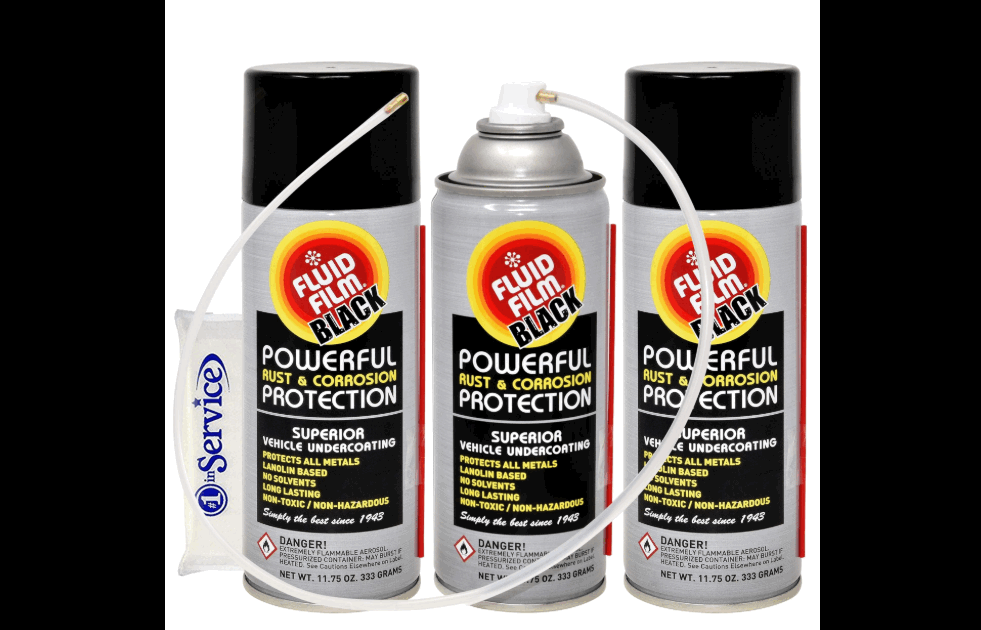
What Is the Difference Between Woolwax and Fluid Film?
The main difference between Woolwax and Fluid Film is their coating characteristics. Woolwax has a thicker consistency and creates a heavier coating. Fluid Film has greater creep and spreads into tight spaces more easily. Both products use lanolin based formulas to protect metal from moisture and corrosion.
Woolwax focuses on coating retention. Its thicker film helps the product remain on exposed metal surfaces. This makes it useful for frames, wheel wells, and underbody areas. These locations face water, road spray, salt, and debris during normal driving. A coating must remain on the metal to provide continued protection.
Fluid Film places more emphasis on penetration and movement. The product can creep into seams, joints, and other narrow spaces. This property helps protect areas that a spray pattern cannot cover directly. Frame cavities and overlapping metal panels are common examples. These hidden areas can trap moisture and develop corrosion over time.
The products also differ in practical application. Their consistency affects spraying, coverage, and the equipment needed for larger jobs. Application conditions can also affect how easily each product spreads across metal.
Neither characteristic makes one product better for every vehicle part. Woolwax suits applications that require a thicker protective coating. Fluid Film suits areas where penetration matters more. Comparing these properties helps determine which product fits each rust protection task.
Is Woolwax or Fluid Film Better at Preventing Rust?
Woolwax and Fluid Film both prevent rust by creating a protective barrier over metal. Woolwax has an advantage on exposed surfaces where coating retention matters. Fluid Film has an advantage in hidden areas where the product needs to reach seams and gaps. The better choice depends on the location of the metal.
Rust develops when iron or steel reacts with oxygen and moisture. Road salt can accelerate this corrosion process. A lanolin based coating limits contact between the metal and these corrosive elements. Both products use this principle rather than chemically removing rust from the vehicle.
Woolwax creates a heavier film on the treated surface. This coating can benefit exposed areas that face road spray and environmental contamination. Frames, wheel wells, and underbody components need consistent coverage because driving exposes them to water and salt.
Fluid Film can provide an advantage in areas that are difficult to coat directly. Its creeping action helps the material move into seams and narrow openings. This characteristic matters inside frame sections and around overlapping metal. Moisture can remain trapped in these areas and promote corrosion.
Neither product repairs metal that rust has already damaged. They protect the surface and help limit further exposure to moisture and corrosive contaminants. Remove loose rust and surface contamination before application when necessary. Proper coverage and regular inspection also affect long term protection.
For overall rust prevention, choose Woolwax when exposed surface retention is the priority. Choose Fluid Film when penetration into hidden areas is more important.
Does Woolwax Last Longer Than Fluid Film?
Woolwax generally lasts longer than Fluid Film on exposed vehicle surfaces because it forms a thicker coating. This heavier layer helps Woolwax remain on areas that face water, road spray, and debris. Fluid Film can require more frequent inspection in these high exposure locations.
Application location has a major effect on coating life. Wheel wells and exposed frame sections face constant contact with water and road contaminants. Tires can also throw sand, salt, and small debris against the coating. These conditions gradually remove protective material from the surface.
Protected areas experience much less physical wear. Frame cavities, seams, and enclosed sections receive little direct road spray. Fluid Film can remain useful in these locations while taking advantage of its ability to spread into narrow gaps. Therefore, coating life should not be judged by one interval for every vehicle part.
Driving conditions also influence durability. Winter driving exposes the underbody to snow, slush, salt, and repeated moisture. Frequent underbody washing can remove protective material faster. Vehicles that travel on gravel roads can also experience greater abrasion.
Inspect both coatings regularly instead of relying only on a fixed reapplication schedule. Pay particular attention to wheel wells and other high exposure areas. Apply more product when the protective layer becomes thin or loses coverage.
Woolwax is the stronger choice when long lasting surface retention is the main goal. Fluid Film remains useful when penetration matters more than maintaining a heavy coating on exposed metal.
Is Woolwax More Resistant to Washing Off Than Fluid Film?
Woolwax is generally more resistant to washing off than Fluid Film on exposed vehicle surfaces. Its thicker consistency creates a heavier coating on the metal. This characteristic helps the coating remain in place when it faces water, road spray, and normal underbody exposure.
Wash off resistance matters most in areas that receive direct contact with water. Wheel wells provide a clear example. Tires continuously throw water, mud, salt, and slush onto these surfaces. Exposed frame sections and suspension areas face similar conditions. A thicker coating can provide an advantage in these locations.
Fluid Film has a lighter consistency and greater creeping ability. These properties help it spread into seams and narrow spaces. However, exposed surfaces place different demands on a coating. Repeated water exposure and physical contact can reduce coverage over time. Regular inspections help identify areas that need another application.
Location therefore affects the importance of wash off resistance. Enclosed frame cavities receive little direct spray from the road. A product can remain protected from physical removal in these spaces. Wheel wells face much greater exposure, so coating retention becomes more important.
Woolwax is the better option when wash off resistance is the main priority. This advantage matters most on exposed underbody components and vehicles that face wet winter roads. Fluid Film remains useful in protected spaces where creep and penetration provide more value than a heavier surface coating.
Does Fluid Film Creep Better Than Woolwax?
Fluid Film generally creeps more readily than Woolwax because its consistency allows it to spread into narrow spaces. Creep describes how a coating moves beyond the point of application. This property matters when protecting seams, joints, overlaps, and enclosed cavities from corrosion.
Vehicle bodies contain many areas that a spray cannot reach directly. Welded seams provide one example. Moisture can enter small gaps between metal surfaces and remain there. Frame cavities can create a similar problem. A coating with strong creeping action can move into these spaces and cover more metal.
Fluid Film works well for this type of application. It can spread along metal surfaces after spraying and reach adjacent areas. This movement makes Fluid Film useful inside frame rails, doors, seams, and other hidden sections. Direct access to these areas is often limited.
Woolwax has a thicker consistency and focuses more on coating retention. It still provides coverage when applied correctly, but it does not emphasize movement to the same degree. Its heavier coating offers more value on accessible surfaces that need a persistent protective layer.
More creep does not automatically mean better rust protection in every location. Exposed underbody surfaces need a coating that can remain in place during road exposure. Hidden cavities need penetration because the applicator cannot cover every surface directly.
Choose Fluid Film when creep and penetration are the main priorities. Choose Woolwax when you need a heavier coating on exposed and accessible metal surfaces.
Is Woolwax or Fluid Film Easier to Apply?
Fluid Film is generally easier to apply when you need a product that sprays and spreads into tight areas. Woolwax has a thicker consistency, so application can require more attention to equipment and coverage. The best option also depends on the size and location of the treated area.
Surface preparation improves the application of either product. Remove loose dirt, mud, and flaking rust before spraying. Pay close attention to areas where debris blocks access to the metal. A cleaner surface allows the coating to make better contact with the areas that need protection.
Fluid Film works well when the application involves seams, joints, and cavities. Its creeping action helps the product move beyond the initial spray area. This feature reduces the need to reach every hidden surface directly. It also makes the product practical for narrow sections with limited access.
Woolwax requires more control because its heavier consistency creates a thicker layer. Spray equipment becomes more important when covering large underbody areas. The applicator also needs to maintain consistent coverage across the frame, wheel wells, and other exposed components.
Temperature can affect how easily thick coatings spray. Application equipment and product specific instructions should guide preparation when conditions change. Proper tools also help reduce uneven coverage and unnecessary overspray.
Choose Fluid Film when easy penetration into tight spaces is the priority. Choose Woolwax when you want to apply a heavier coating to accessible surfaces. In both cases, complete coverage matters more than simply applying a large amount of product.
How Often Should You Reapply Woolwax and Fluid Film?
You should inspect Woolwax and Fluid Film at least once a year and reapply them where the protective coating has worn away. Actual reapplication frequency depends on road conditions, coating location, water exposure, and abrasion. Exposed areas usually need attention sooner than enclosed cavities.
Winter driving can increase the need for maintenance. Road salt, snow, slush, and water repeatedly contact the vehicle underbody. Gravel roads can also expose the coating to physical abrasion. These conditions can reduce coverage on wheel wells, frame sections, and other exposed components.
Underbody washing also affects the maintenance cycle. Washing removes salt and dirt, which helps control corrosion. However, frequent or aggressive cleaning can reduce the protective layer in exposed areas. Inspect the coating after winter or after repeated cleaning to find thin or uncovered sections.
Woolwax can remain longer on exposed surfaces because its thicker consistency supports coating retention. Fluid Film may need closer attention in areas that receive direct road exposure. However, Fluid Film inside seams and cavities faces less physical wear. These protected locations may retain useful coverage for longer periods.
Inspection does not always require a complete new application. Touch up areas where water, debris, or abrasion has removed the coating. Apply a full new layer when large sections no longer have consistent coverage.
Use coating condition rather than the calendar alone to determine reapplication. Annual inspection provides a practical starting point, while driving conditions determine when each area needs additional protection.
Is Woolwax or Fluid Film Better for Road Salt?
Woolwax is generally the better choice for exposed areas that face frequent road salt. Its thicker coating favors surface retention under harsh conditions. Fluid Film offers an advantage in seams and cavities where salt water can enter hidden spaces. Each product therefore protects different areas effectively.
Road salt accelerates corrosion when moisture reaches exposed steel. Dissolved salt increases the conductivity of water. This process supports the electrochemical reactions that cause metal to corrode. Winter driving can repeatedly expose the underbody to this environment.
Exposed components need a persistent barrier during the winter. Wheel wells, frame surfaces, and crossmembers receive direct contact with salty water and slush. Road spray can cover these areas during every trip. Woolwax suits these locations because its heavier coating focuses on retention.
Salt water can also enter seams, joints, and frame cavities. These areas create a different challenge. Moisture can remain trapped after the exterior dries. Fluid Film offers useful creeping action in these locations. It can spread beyond the initial application point and reach narrow gaps.
Neither product removes the need for inspection. Check high exposure areas throughout the salt season and after winter ends. Look for thin coverage or exposed metal. Restore the coating where road spray or abrasion has removed it.
For vehicles in regions that use road salt, Woolwax suits exposed underbody surfaces well. Fluid Film offers an alternative for hidden cavities and seams. Using the right coating characteristics for each location provides more complete corrosion protection.
Is Woolwax or Fluid Film Better for a Truck Frame?
Woolwax is generally better for exposed truck frame surfaces, while Fluid Film suits enclosed frame sections and narrow gaps. A truck frame contains both types of areas. The right choice depends on whether coating retention or penetration matters more at each location.
The exterior of a truck frame faces harsh conditions. Water, mud, salt, and road debris can strike the metal during normal driving. Crossmembers and other exposed sections face similar contamination. Woolwax creates a heavier coating on these accessible surfaces. This characteristic makes it a strong choice when surface retention is the priority.
Boxed frame sections create a different problem. These areas contain seams, welds, and spaces that are difficult to reach directly. Moisture and salty water can enter through openings in the frame. They can then remain inside areas that receive little airflow. Fluid Film can creep into narrow spaces and extend coverage beyond the original spray point.
Existing frame rust also requires proper preparation. Remove loose rust, flaking material, mud, and other debris before coating accessible surfaces. A protective coating does not restore metal that corrosion has already weakened. Inspect severe corrosion before relying on an undercoating for protection.
A truck does not require the same coating characteristic across its entire frame. Woolwax provides an advantage on exposed frame surfaces that need a heavier protective layer. Fluid Film provides an advantage inside cavities and difficult seams. Matching each product to the frame area can provide more complete rust protection.
Can Woolwax and Fluid Film Be Applied Over Existing Rust?
Woolwax and Fluid Film can cover existing surface rust, but neither product repairs metal that corrosion has already damaged. Both products create a protective layer that limits exposure to moisture and corrosive contaminants. Proper surface preparation helps that layer reach the metal and rusted areas more effectively.
Start by checking the condition of the rust. Light surface rust differs from heavy scaling or structural corrosion. Remove loose rust, flaking material, mud, and debris from accessible surfaces. These materials can prevent consistent coverage and hide areas that need closer inspection.
The surface should also allow the coating to contact the target area. Thick dirt can block coverage around seams and frame components. Cleaning these areas exposes more of the surface. It also makes severe corrosion easier to identify before application.
Woolwax works well when the rust sits on exposed and accessible surfaces. Its thicker consistency creates a heavier protective layer over the treated area. Fluid Film offers an advantage around seams, overlaps, and cavities. Its creeping action helps the product move into gaps around existing surface corrosion.
Neither coating converts damaged metal back into sound steel. Severe rust can reduce metal thickness and weaken structural components. These areas may require mechanical rust removal, repair, or replacement before coating.
Use Woolwax or Fluid Film to help limit further exposure after proper preparation. Do not treat either product as a substitute for rust repair. The condition of the metal should determine whether protection alone is appropriate.
Which Is Better for Rust Protection, Woolwax or Fluid Film?
Woolwax is the better choice for exposed surfaces when coating retention is the priority. Fluid Film is better for hidden areas that require creep and penetration. Both products can protect vehicle metal from moisture and corrosive contaminants. However, they suit different parts of a vehicle.
Choose Woolwax for exposed frame sections, wheel wells, crossmembers, and underbody components. These areas face water, road spray, salt, mud, and debris. A heavier coating provides an advantage where the protective layer must remain on the surface. Woolwax also makes sense for vehicles that regularly encounter harsh winter roads.
Choose Fluid Film for frame cavities, seams, joints, and overlapping metal. These areas are difficult to cover with direct spraying alone. Fluid Film can spread beyond the original application point. This characteristic helps it reach narrow spaces where moisture can collect.
For a complete rust protection strategy, the application area should guide the product choice. Woolwax favors coating retention on accessible surfaces. Fluid Film favors penetration into hidden spaces. Regular inspection remains important with either product because road exposure can reduce coverage over time.
The Woolwax vs Fluid Film decision therefore has no universal winner for every vehicle component. Choose Woolwax for durable surface coverage and Fluid Film for creep into hard to reach areas. Matching these strengths to the correct location provides more effective rust protection.