Range Rover stands among the most respected luxury SUVs in the world. It combines premium comfort, advanced technology, and outstanding off road capability. Many buyers still ask one important question. Who makes Range Rover engines? The answer is not as simple as naming a single manufacturer. Different companies have developed and supplied Range Rover engines over the years. The engine often depends on the model year, trim level, and powertrain.
Jaguar Land Rover now builds many of its own engines for modern Range Rover models. At the same time, BMW supplies the latest twin turbo V8 engine for selected high performance versions. Earlier generations also featured engines from Rover and Jaguar during different ownership periods. Each partnership played a key role in improving performance, efficiency, and reliability. As a result, Range Rover has continued to evolve while meeting changing customer expectations and stricter emissions standards.
This guide explains who makes Range Rover engines across every major generation. You will discover which company built each engine, why Jaguar Land Rover works with BMW, and how the Ingenium engine family became the foundation of today’s lineup. You will also learn where these engines are manufactured and which models use them. By the end of this article, you will clearly understand the history behind Range Rover engines and the technology that powers one of the world’s most iconic luxury SUVs.
Who Makes Range Rover Engines Today?
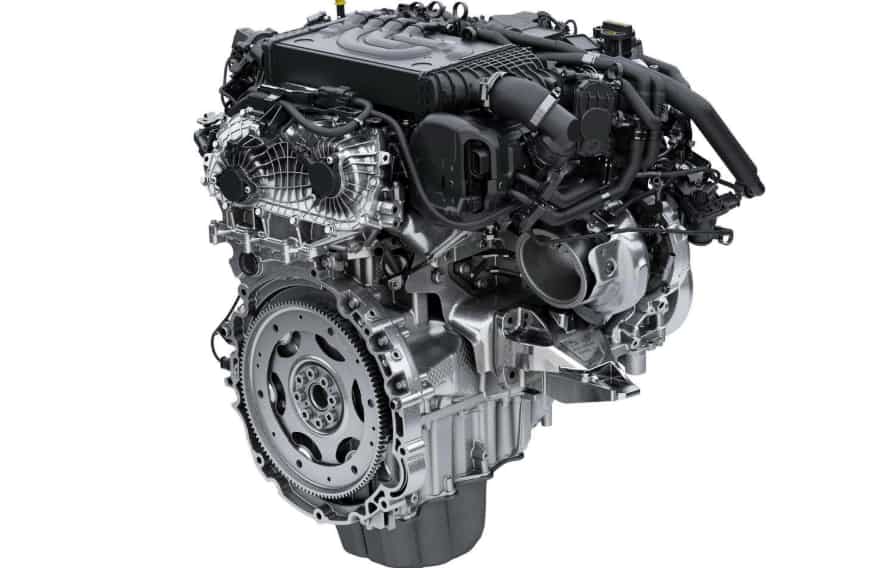
Today, Jaguar Land Rover produces most of the engines used in the current Range Rover lineup. The company designs and develops its own Ingenium engine family for many luxury SUVs. These engines deliver strong performance while improving fuel efficiency and reducing emissions. In addition, they support mild hybrid and plug in hybrid technology to meet modern environmental standards.
However, Jaguar Land Rover does not manufacture every engine found in today’s Range Rover models. BMW supplies the 4.4 liter twin turbo V8 engine for several high performance variants. Jaguar Land Rover then calibrates the engine to match its own driving characteristics. As a result, the engine delivers smooth acceleration, refined power, and confident towing performance without losing the premium feel expected from a Range Rover.
Moreover, this partnership benefits both companies. BMW contributes years of experience in developing powerful luxury engines. Meanwhile, Jaguar Land Rover focuses on vehicle integration, hybrid technology, and future electric platforms. Because of this approach, both companies can concentrate on their strongest areas of expertise while delivering a better product to customers.
Therefore, the answer to the question, who makes Range Rover engines, depends on the model you choose. Most standard models use Jaguar Land Rover’s Ingenium engines. In contrast, several flagship models rely on BMW supplied V8 power. Together, these engines create the balance of luxury, performance, and efficiency that defines the modern Range Rover.
Range Rover Engine Manufacturers by Model and Year
Range Rover has worked with several engine manufacturers throughout its history. Ownership changes, engineering advances, and stricter emissions regulations have shaped this evolution. As a result, the company behind a Range Rover engine often depends on the model year.
1970 to 2001
First, the earliest Range Rover models featured the Rover V8 engine. Engineers adapted its original aluminum design before improving it for long term use in Land Rover vehicles. Over time, they introduced larger versions to increase power and torque. Consequently, the Rover V8 became one of the most recognizable engines in the brand’s history.
2002 to 2005
Next, BMW ownership brought significant mechanical changes. The third generation Range Rover received a BMW built 4.4 liter V8 engine. In addition, several diesel engines also came from BMW for selected international markets. This period marked the beginning of a new engineering direction for the luxury SUV.
2005 to 2020
Later, Ford acquired Land Rover and combined it with Jaguar. During this period, many Range Rover models adopted Jaguar developed AJ V8 engines. Buyers could choose naturally aspirated or supercharged versions depending on the trim level. As a result, these vehicles offered stronger performance while maintaining excellent refinement.
2016 to Present
After that, Jaguar Land Rover introduced the Ingenium engine family. Engineers created this modular platform to improve efficiency, reduce emissions, and support electrified powertrains. Today, Ingenium engines power many Range Rover, Range Rover Sport, Defender, and Discovery models around the world.
2022 to Present
Finally, several modern Range Rover V8 models began using a 4.4 liter twin turbo engine supplied by BMW. Jaguar Land Rover integrates this powertrain into its vehicles before optimizing the software, transmission, and chassis. Consequently, drivers enjoy impressive performance together with the smooth and luxurious character that defines the Range Rover brand.
Does Range Rover Use BMW Engines?
Yes, Range Rover uses BMW engines in several modern models. However, not every Range Rover comes with a BMW powertrain. Jaguar Land Rover produces most of its four cylinder and six cylinder engines, while BMW supplies the latest V8 engine for selected models. Therefore, the engine under the hood depends on the trim level and production year.
BMW currently supplies a 4.4 liter twin turbocharged V8 engine for several high performance Range Rover models. This engine delivers impressive power, quick acceleration, and excellent refinement. At the same time, Jaguar Land Rover adapts the engine to suit its own vehicles. Engineers fine tune the software, transmission, suspension, and all wheel drive system to create the smooth driving experience that customers expect from the brand.
This partnership is not new. Earlier Range Rover models also featured BMW engines when BMW owned Land Rover between 1994 and 2000. During that period, the third generation Range Rover adopted a BMW built 4.4 liter V8 engine along with several diesel options for international markets. As a result, BMW became an important part of the vehicle’s engineering history long before the current collaboration.
Today, the relationship serves a different purpose. Jaguar Land Rover already produces efficient Ingenium engines for most of its lineup. However, developing a modern luxury V8 requires significant investment and years of research. Instead of building a completely new engine, the company chose to work with BMW. Consequently, Range Rover customers receive a proven V8 that delivers strong performance while Jaguar Land Rover continues to invest in hybrid systems and electric vehicle technology.
Overall, BMW engines represent only one part of the modern Range Rover lineup. Buyers looking at standard models will usually find Jaguar Land Rover’s Ingenium engines. In contrast, shoppers choosing a flagship V8 model will often receive a BMW supplied engine that Jaguar Land Rover has carefully tuned for luxury performance.
What Are JLR Ingenium Engines?
Ingenium is Jaguar Land Rover’s family of modular engines. The company introduced this platform to replace several older engine designs with a more efficient and flexible solution. Today, Ingenium engines power many Range Rover, Range Rover Sport, Defender, Discovery, and Jaguar models around the world.
Unlike earlier engine families, Ingenium engines share a common architecture across multiple configurations. Engineers can build both gasoline and diesel versions while using many of the same components. In addition, the platform supports mild hybrid and plug in hybrid technology. This approach reduces production costs and simplifies future development without compromising performance.
Another major advantage is efficiency. Ingenium engines use lightweight materials, advanced turbocharging, and modern fuel injection systems to improve fuel economy. At the same time, they produce lower emissions than many previous engines. Consequently, Jaguar Land Rover can meet stricter environmental regulations while maintaining the power and refinement expected from a luxury SUV.
Reliability has also improved through continuous development. Early Ingenium engines experienced a few well documented issues in some markets. However, Jaguar Land Rover introduced several engineering updates over the following years. As a result, newer versions offer better durability and stronger long term performance when owners follow the recommended maintenance schedule.
Today, the 3.0 liter Ingenium inline six engine serves as the foundation of many current Range Rover models. It combines smooth power delivery with advanced hybrid technology to create a refined driving experience. Therefore, most buyers searching for a new Range Rover will likely choose a model powered by Jaguar Land Rover’s own Ingenium engine family.
Where Are Range Rover Engines Built?
Range Rover engines come from more than one production facility because the brand uses different powertrains across its lineup. Today, Jaguar Land Rover builds most of its own engines, while BMW manufactures the V8 engine used in selected flagship models. Therefore, the engine’s origin depends on the model and powertrain you choose.
Jaguar Land Rover manufactures its Ingenium engines at the Engine Manufacturing Centre in Wolverhampton, England. The company opened this facility to support its long term engine strategy and reduce its dependence on outside suppliers. Today, the plant produces modern gasoline and diesel engines that power many Range Rover, Range Rover Sport, Defender, Discovery, and Jaguar vehicles. In addition, the factory supports hybrid technology by producing engines that work with electrified powertrains.
Meanwhile, BMW manufactures the current 4.4 liter twin turbocharged V8 engine in its own production network before supplying it to Jaguar Land Rover. After receiving the engine, Jaguar Land Rover integrates it into the vehicle and completes the final calibration process. Engineers adjust the engine management software, transmission mapping, suspension settings, and all wheel drive system. As a result, the finished vehicle delivers the refined driving experience expected from a luxury Range Rover.
Final vehicle assembly takes place at Jaguar Land Rover manufacturing plants. During this stage, technicians install the engine, transmission, electrical systems, and interior components before completing extensive quality inspections. Consequently, every Range Rover leaves the production line with a powertrain that meets the company’s engineering standards.
Overall, modern Range Rover engines reflect a combination of in house engineering and strategic partnerships. Jaguar Land Rover develops and builds its Ingenium engines, while BMW supplies the latest V8 technology for selected models. Together, these production facilities help the brand deliver both efficiency and high performance across its luxury SUV lineup.
Which Range Rover Models Use JLR Engines?
Jaguar Land Rover uses its Ingenium engine family in most current Range Rover models. These engines provide a balance of performance, efficiency, and everyday refinement. They also support the brand’s growing range of electrified vehicles. Therefore, buyers who choose a standard Range Rover will most likely receive an Ingenium powered model.
The Range Rover P400 is one of the best known examples. It features a 3.0 liter Ingenium inline six gasoline engine paired with mild hybrid technology. This combination improves fuel efficiency while maintaining smooth acceleration and responsive performance. As a result, the P400 remains one of the most popular choices for drivers who value comfort and everyday usability.
The Range Rover P460e and P550e also rely on the Ingenium platform. These plug in hybrid models combine the same 3.0 liter inline six engine with an electric motor and a rechargeable battery. Consequently, they deliver strong performance together with lower fuel consumption and reduced emissions. Many buyers choose these models because they offer short distance electric driving without sacrificing long distance capability.
In addition, several Range Rover Sport models use Ingenium engines across different trim levels. The same engine family also powers many Defender and Discovery models. This shared platform allows Jaguar Land Rover to maintain consistent engineering standards while simplifying maintenance and future development.
Overall, Ingenium engines have become the foundation of Jaguar Land Rover’s modern powertrain strategy. They appear in most gasoline, diesel, mild hybrid, and plug in hybrid models across the Range Rover family. Because of this broad application, the Ingenium engine remains the answer for most buyers asking who makes Range Rover engines today.
Which Range Rover Models Use BMW Engines?
Several modern Range Rover models use BMW engines to deliver higher levels of performance. However, BMW does not supply engines for the entire lineup. Jaguar Land Rover reserves the BMW sourced V8 for selected luxury and performance focused models. Therefore, buyers will only find this engine in specific versions of the Range Rover family.
The current Range Rover V8 is the best known example. It uses a 4.4 liter twin turbocharged engine that combines strong power with smooth operation. Jaguar Land Rover integrates this engine into the vehicle and then fine tunes every major system. As a result, the SUV delivers quick acceleration, refined handling, and confident towing capability while maintaining the comfort expected from a flagship luxury vehicle.
The Range Rover Sport also offers BMW powered V8 variants. These models target drivers who want a more dynamic driving experience without giving up everyday practicality. In addition, the advanced V8 provides strong low speed torque and effortless highway performance. This combination allows the vehicle to feel responsive in city traffic while remaining stable during long distance travel.
High performance Range Rover SV models also benefit from the BMW supplied V8 engine. Engineers optimize the powertrain for greater output and sharper throttle response. At the same time, they preserve the quiet cabin and smooth ride that define the Range Rover brand. Consequently, the SV models deliver sports car performance without compromising luxury.
It is important to remember that engine availability may vary by country and model year. Some markets receive additional engine options because of local emissions regulations or customer demand. Therefore, buyers should always confirm the specifications of the exact model before making a purchase.
Overall, BMW engines play an important role in the modern Range Rover lineup. They provide exceptional performance for premium models while Jaguar Land Rover continues to rely on its Ingenium engines for the majority of the range.
Are Range Rover Engines Reliable?
Range Rover engine reliability depends on the engine family, maintenance history, and overall vehicle care. No engine remains reliable without regular servicing. Likewise, even a well engineered powertrain can develop problems if owners ignore routine maintenance. Therefore, buyers should evaluate the complete service history instead of judging reliability by brand name alone.
Modern Ingenium engines have improved significantly since their introduction. Jaguar Land Rover has refined the design through several engineering updates over the years. As a result, newer versions generally deliver better durability and improved efficiency than early production models. Regular oil changes, timely software updates, and proper cooling system maintenance can further increase long term reliability.
BMW supplied V8 engines also offer a strong reputation when owners follow the recommended maintenance schedule. These engines produce impressive power and smooth performance. However, they include advanced turbocharging and sophisticated electronic systems that require professional servicing. Consequently, routine maintenance becomes even more important for long term ownership.
Driving habits also influence engine life. Gentle warm up, high quality fuel, and scheduled inspections help reduce unnecessary wear. In contrast, aggressive driving and delayed maintenance may shorten the lifespan of any engine regardless of its manufacturer. Because of this, responsible ownership remains one of the biggest factors affecting reliability.
Prospective buyers should also inspect maintenance records before purchasing a used Range Rover. A complete service history often provides more useful information than mileage alone. In addition, checking for manufacturer recalls, software updates, and documented repairs can reveal how well the vehicle has been maintained.
Overall, both Ingenium engines and BMW supplied V8 engines can provide dependable performance when owners maintain them correctly. Choosing a well serviced vehicle and following the recommended maintenance schedule will usually have a greater impact on reliability than the engine supplier itself.
Why Does Range Rover Use Different Engine Suppliers?
Range Rover uses different engine suppliers because each partnership offers unique advantages. Jaguar Land Rover focuses on building efficient four cylinder and six cylinder engines for most of its vehicles. At the same time, BMW provides a proven V8 engine for high performance models. This strategy allows the company to balance innovation, performance, and long term development.
First, developing a completely new luxury V8 engine requires a significant investment. The process can take many years and costs billions of dollars in research, engineering, testing, and production. Instead of starting from the beginning, Jaguar Land Rover works with BMW to use an engine that already meets demanding performance and emissions standards. As a result, the company can introduce powerful V8 models more quickly while reducing development costs.
At the same time, Jaguar Land Rover continues to improve its own Ingenium engine family. These engines support gasoline, diesel, mild hybrid, and plug in hybrid powertrains. In addition, the modular design makes future updates easier as emissions regulations continue to evolve. Consequently, the company can prepare for electrification without replacing its entire engine lineup.
Another important reason is customer demand. Many luxury SUV buyers expect outstanding acceleration, high towing capacity, and refined performance. BMW’s modern V8 engine meets these expectations while allowing Jaguar Land Rover to maintain the driving character that defines every Range Rover. Engineers carefully calibrate the engine, transmission, and vehicle systems before the SUV reaches customers.
Overall, using different engine suppliers gives Jaguar Land Rover greater flexibility. The company can build efficient everyday models with its own engines while offering exceptional performance in premium variants through a trusted engineering partnership.
Final Verdict
The answer to the question, who makes Range Rover engines, depends on the model year and engine configuration. Modern Range Rover vehicles mainly use Jaguar Land Rover’s Ingenium engines for four cylinder, six cylinder, mild hybrid, and plug in hybrid models. These engines form the foundation of the brand’s current powertrain strategy and appear in most vehicles sold today.
However, selected V8 models use a 4.4 liter twin turbocharged engine supplied by BMW. Jaguar Land Rover integrates this engine into its vehicles and fine tunes every major system to deliver the smooth, quiet, and powerful driving experience expected from a luxury SUV. As a result, customers benefit from BMW’s engine expertise while enjoying the comfort and capability that define the Range Rover brand.
Earlier generations followed a different path. Classic models relied on Rover developed V8 engines, while later vehicles adopted BMW and Jaguar powertrains during different ownership periods. Each stage reflects the evolution of engineering, technology, and emissions requirements over several decades.
Whether you plan to buy a new or used Range Rover, understanding the engine behind the vehicle can help you make a more informed decision. Knowing who built the engine, where it was manufactured, and how it has evolved over time provides valuable insight into performance, maintenance, and long term ownership. Ultimately, both Jaguar Land Rover and BMW contribute to the success of today’s Range Rover lineup, making each company an important part of the vehicle’s engineering story.
Frequently Asked Questions
Who makes Range Rover engines today?
Jaguar Land Rover manufactures most modern Range Rover engines, including the Ingenium four cylinder and six cylinder engine family. However, BMW supplies the 4.4 liter twin turbocharged V8 engine used in selected high performance models.
Does BMW make Range Rover engines?
Yes. BMW supplies the V8 engine for several current Range Rover and Range Rover Sport models. However, Jaguar Land Rover continues to produce most of the engines used across the lineup.
Does Range Rover make its own engines?
Yes. Jaguar Land Rover designs and manufactures its own Ingenium engine family. These engines power many gasoline, diesel, mild hybrid, and plug in hybrid Range Rover models.
Where are Range Rover engines made?
Jaguar Land Rover builds Ingenium engines at its Engine Manufacturing Centre in Wolverhampton, England. Meanwhile, BMW manufactures the current V8 engine before supplying it to Jaguar Land Rover for vehicle integration.
Which Range Rover models use BMW engines?
Several flagship Range Rover, Range Rover Sport, and Range Rover SV models use the BMW supplied 4.4 liter twin turbocharged V8 engine. Engine availability may vary by market and model year.
Are Range Rover engines reliable?
Modern Range Rover engines can deliver dependable performance when owners follow the recommended maintenance schedule. Regular servicing, timely oil changes, and software updates play an important role in long term reliability.
What is the Ingenium engine?
The Ingenium engine is Jaguar Land Rover’s modular engine family. It supports gasoline, diesel, mild hybrid, and plug in hybrid powertrains while improving efficiency and reducing emissions.
Why does Range Rover use BMW engines?
Jaguar Land Rover uses BMW’s V8 engine because it offers proven performance, modern engineering, and compliance with current emissions standards. This partnership also allows the company to focus on developing its own Ingenium engines and future electric vehicle technologies.