Many Mazda buyers ask one important question before choosing a vehicle: who makes Mazda engines? The answer often surprises people because Mazda has built a strong reputation for developing its own powertrain technology.
Mazda Motor Corporation designs, engineers, and produces most of its modern engines. The company creates its own engine technology instead of depending entirely on outside suppliers. This approach allows Mazda to control performance, efficiency, and driving characteristics.
Some drivers connect Mazda engines with Toyota or Ford. These connections come from Mazda’s business partnerships throughout history. However, most current Mazda vehicles use engines developed by Mazda itself. Only specific models use technology from other manufacturers.
Understanding who makes Mazda engines helps buyers make better decisions. Engine design affects reliability, maintenance costs, fuel economy, and overall driving experience. It also explains why Mazda follows a different engineering philosophy compared with many other car brands.
This guide explores Mazda engine manufacturing, production locations, Skyactiv technology, and Mazda’s relationships with Toyota and Ford. You will learn how Mazda creates its engines and why the company continues to build a unique position in the automotive industry.
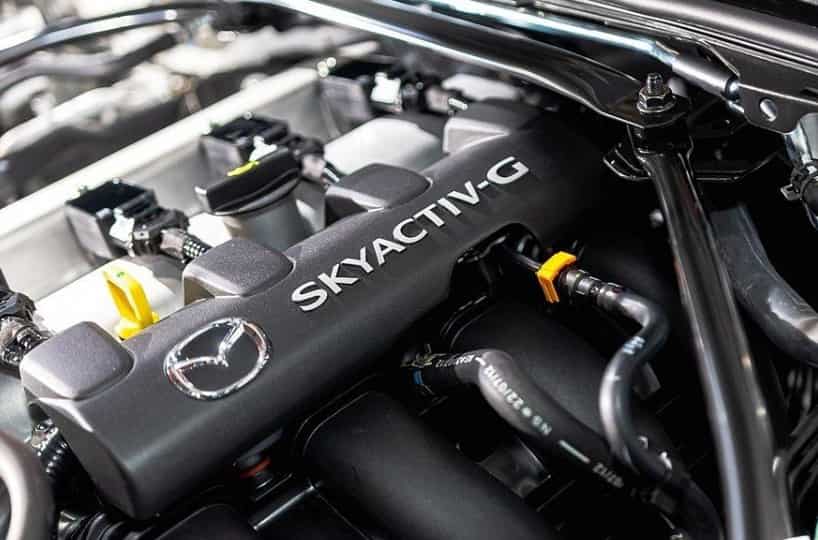
Who Makes Mazda Engines?
Mazda Motor Corporation makes most Mazda engines used in vehicles today. The company develops its own engine designs, performs engineering research, and manages production for many of its powertrains. This approach gives Mazda greater control over performance, efficiency, and driving feel.
Mazda does not simply purchase engines from another automaker and place them into its vehicles. Instead, the company builds its own engine technology through years of research and development. The Skyactiv engine family represents Mazda’s focus on improving combustion efficiency while maintaining a responsive driving experience.
Mazda engineers create gasoline, diesel, and hybrid powertrain solutions for different markets. Popular engine families include Skyactiv-G gasoline engines, Skyactiv-D diesel engines, and Skyactiv-X engines. These engines use Mazda’s own engineering principles to balance fuel economy, reliability, and performance.
Many people ask whether another company makes Mazda engines because Mazda has worked with several major automakers. The company has maintained partnerships with Ford in the past and Toyota in recent years. However, these relationships do not mean that Toyota or Ford produces most Mazda engines.
The difference between a Mazda engine and a partner technology system depends on the vehicle model and market. Most traditional Mazda models use Mazda developed engines. Some hybrid models use technology from Toyota as part of a larger powertrain collaboration.
For example, a Mazda vehicle with a Skyactiv-G engine uses Mazda’s own gasoline engine technology. A Mazda hybrid model may include Toyota hybrid components while still carrying Mazda engineering elements. Buyers should always check the exact model year and powertrain specification before making assumptions.
The simple answer to the question “Who makes Mazda engines?” is Mazda itself. The company continues to invest in engine development because it believes internal engineering creates better control over vehicle performance and customer experience.
Where Are Mazda Engines Manufactured?
Mazda produces engines in several manufacturing facilities around the world. The company operates a global production network to support different markets and vehicle assembly plants. However, Japan remains the center of Mazda’s engine development and manufacturing operations.
Mazda’s Hiroshima Plant in Japan plays an important role in engine production. The facility produces many Skyactiv engines used in Mazda vehicles worldwide. This plant represents Mazda’s long history of automotive engineering and manufacturing expertise.
Japan continues to be the heart of Mazda engine technology. Engineers develop and improve many powertrain systems there before Mazda introduces them to global markets. The country also supports Mazda’s research, testing, and production activities.
Mazda also operates engine production facilities outside Japan. These locations help the company supply engines closer to regional vehicle assembly operations. Local production reduces transportation costs and improves supply chain efficiency.
Mazda’s manufacturing operations in Mexico support vehicles produced for the North American market. The facility helps Mazda maintain a stronger production network in the region. However, engine availability depends on the specific model, production year, and market requirements.
Thailand also plays an important role in Mazda’s global manufacturing strategy. The country produces Mazda vehicles and supports regional production needs. Mazda uses these facilities to serve customers across Asian and international markets.
China represents another important production location through Mazda’s regional partnerships. Certain Mazda engines have been produced locally for vehicles sold in the Chinese market. This approach allows Mazda to adapt production based on local demand.
Many buyers assume that the country where a Mazda vehicle is assembled determines where its engine comes from. This assumption is not always correct. A vehicle assembly plant and an engine manufacturing facility may exist in different countries.
The exact origin of a Mazda engine depends on several factors. These factors include the vehicle model, engine type, production year, and destination market. Checking the vehicle identification number, engine code, or official vehicle specifications provides the most accurate information.
Mazda’s global manufacturing system shows the company’s commitment to controlling engine quality while meeting the needs of different markets. Whether Mazda produces an engine in Japan, Mexico, Thailand, or China, the company follows specific engineering standards to maintain consistent performance.
What Types of Engines Does Mazda Make?
Mazda has developed several engine families to meet different customer needs. The company focuses on creating engines that deliver efficiency, smooth performance, and an enjoyable driving experience. Mazda’s engine lineup includes gasoline engines, diesel engines, hybrid systems, and advanced rotary technology.
One of Mazda’s most recognized engine families is Skyactiv-G. This gasoline engine series represents Mazda’s approach to improving fuel economy without sacrificing driving response. Skyactiv-G engines use technologies such as direct fuel injection and high compression ratios to improve combustion efficiency.
Many Mazda vehicles use Skyactiv-G engines today. Models such as the Mazda3, Mazda CX-30, Mazda CX-5, and Mazda MX-5 Miata have used different versions of this engine family. Mazda offers naturally aspirated and turbocharged versions depending on the vehicle model and market.
Mazda also developed Skyactiv-D diesel engines for markets where diesel vehicles remain popular. These engines focus on strong torque delivery and fuel efficiency. Mazda designed Skyactiv-D engines to provide diesel performance while reducing traditional diesel engine disadvantages.
Another important Mazda innovation is Skyactiv-X. This engine combines gasoline engine characteristics with compression ignition technology. Mazda created this system to improve efficiency while maintaining the smooth operation of a gasoline engine.
Skyactiv-X uses Spark Controlled Compression Ignition technology. This system allows the engine to control combustion more precisely. Mazda developed this technology to achieve better fuel economy and lower emissions without changing the familiar gasoline driving experience.
Mazda also produces turbocharged Skyactiv-G engines. These engines provide stronger torque and improved performance for larger vehicles. Mazda uses turbocharged engines in models that need additional power, including some SUV applications.
In recent years, Mazda introduced a new generation of inline six engines. These engines support Mazda’s move toward larger premium vehicles. The inline six design provides smooth power delivery and works with Mazda’s electrification strategy.
Mazda’s rotary engine technology remains an important part of the company’s history. Mazda became famous for developing reliable production rotary engines, especially through models such as the RX-7 and RX-8. The rotary engine offers a unique design compared with traditional piston engines.
Today, Mazda continues to explore rotary technology in modern applications. The company has used a rotary engine as a range extender in selected electrified vehicles. This approach allows Mazda to preserve its rotary expertise while adapting to new automotive trends.
Mazda’s engine development shows the company’s commitment to creating unique solutions. Instead of following only industry trends, Mazda often develops its own engineering approaches. This philosophy explains why Mazda engines have a distinct character compared with many competitors.
Does Toyota Make Mazda Engines?
Toyota does not make most Mazda engines. Mazda develops and produces the majority of its own engines through Mazda Motor Corporation. However, Mazda and Toyota have a strategic partnership that creates some shared automotive technologies.
The connection between Mazda and Toyota often creates confusion among car buyers. Some people believe Toyota builds all Mazda engines because certain Mazda vehicles use Toyota hybrid technology. This assumption is not accurate.
Most Mazda vehicles use Mazda developed engines. For example, many models with Skyactiv-G, Skyactiv-X, or Mazda inline six engines use Mazda engineering and development. These engines represent Mazda’s own approach to performance and efficiency.
The partnership between Mazda and Toyota focuses on collaboration in specific areas. Both companies share knowledge and work together on selected technologies. However, each company continues to maintain its own engine development programs.
The Mazda CX-50 Hybrid provides a good example of this relationship. This model uses Toyota hybrid system technology in some markets. The vehicle combines Mazda’s design philosophy with Toyota’s experience in hybrid systems.
A hybrid powertrain includes several components. These components include a gasoline engine, electric motors, battery systems, and control software. When a vehicle uses Toyota hybrid technology, it does not mean Toyota builds every part of the vehicle.
Buyers should understand the difference between a Toyota sourced hybrid system and a Mazda developed engine. A conventional Mazda Skyactiv engine comes from Mazda engineering. A hybrid Mazda model may include technology from Toyota as part of a larger collaboration.
The relationship between Mazda and Toyota benefits both companies. Mazda gains access to proven hybrid technology, while Toyota works with Mazda on selected automotive projects. This cooperation helps both brands respond to changing customer demands.
The simple answer is that Toyota does not manufacture most Mazda engines. Mazda remains responsible for developing its core engine technology. Toyota only provides specific technologies for selected models and powertrain applications.
Does Ford Make Mazda Engines?
Ford does not make most modern Mazda engines. However, Mazda and Ford shared a long business relationship that created some confusion among car buyers. Many people still associate Mazda engines with Ford because both companies worked together for several decades.
Ford became a major shareholder in Mazda during the late twentieth century. The two companies shared technology, vehicle platforms, and manufacturing resources during this period. This partnership helped Mazda expand globally while Ford gained access to Mazda’s engineering expertise.
Some Mazda vehicles from the past used engines or components related to Ford technology. The companies worked together on several projects, especially during the years when Ford had a stronger ownership position in Mazda. These shared developments influenced some Mazda models sold around the world.
However, modern Mazda engines come from Mazda’s own engineering programs. The Skyactiv engine family represents Mazda’s independent approach to engine development. Mazda engineers designed these engines to improve combustion efficiency, fuel economy, and driving performance.
The connection between Mazda and Ford remains a common question among used car buyers. People often ask whether older Mazda models use Ford engines. The answer depends on the vehicle model, production year, and market.
For example, some Mazda vehicles produced during the Ford partnership period shared certain components or technologies. Other models used engines developed primarily by Mazda. Buyers should check the exact engine code and vehicle specifications before making conclusions.
A vehicle’s production year provides important information when researching engine origins. Older Mazda models may have different engineering backgrounds compared with newer Skyactiv vehicles. This difference explains why online discussions about Mazda and Ford relationships can sometimes appear inconsistent.
Today, Ford does not manufacture Mazda engines. Mazda operates its own engine development strategy and continues to create its own powertrain technologies. The company’s modern engines reflect Mazda’s independent engineering direction rather than Ford technology.
The simple answer is that Ford influenced some historical Mazda vehicles, but it does not build most current Mazda engines. Drivers interested in a specific Mazda model should always check the exact engine type and production details.
Which Mazda Models Use Mazda Made Engines?
Most modern Mazda vehicles use engines developed by Mazda Motor Corporation. The company creates different powertrain options for sedans, sports cars, and SUVs. However, engine availability depends on the vehicle model, production year, and market.
The Mazda3 uses Mazda developed Skyactiv engines in many markets. Buyers can find Skyactiv-G gasoline engines and, in some regions, Skyactiv-X technology. These engines represent Mazda’s focus on efficiency, smooth performance, and responsive driving.
The Mazda CX-30 also uses Mazda engine technology. Many versions feature Skyactiv-G engines, while selected markets offer Skyactiv-X options. The compact SUV combines Mazda’s engine development with the company’s focus on premium driving quality.
The Mazda CX-5 remains one of Mazda’s most popular vehicles worldwide. Many CX-5 models use Skyactiv-G gasoline engines, while some markets previously offered Skyactiv-D diesel options. The exact engine choice depends on regional regulations and customer demand.
The Mazda CX-50 uses Mazda developed Skyactiv engines in most versions. The SUV offers Mazda gasoline engine technology designed for everyday driving and outdoor capability. However, the CX-50 Hybrid uses Toyota related hybrid technology in certain markets.
The Mazda MX-5 Miata uses Mazda’s Skyactiv-G engine technology. This lightweight sports car represents Mazda’s traditional focus on driving enjoyment. The engine works together with the vehicle’s lightweight design to create a responsive experience.
Mazda’s larger SUVs use newer Mazda powertrain technology. Models such as the CX-60, CX-70, CX-80, and CX-90 offer Mazda inline six engines in selected markets. These engines support Mazda’s move toward more premium vehicles.
Plug in hybrid versions of some Mazda SUVs use different powertrain strategies. These models may combine Mazda engineering with hybrid components from strategic partners. Buyers should review the exact specifications for their region.
The table below provides a general overview of Mazda models and their engine origins.
| Mazda Model | Common Engine Family | Engine Origin |
|---|---|---|
| Mazda3 | Skyactiv-G, Skyactiv-X | Mazda |
| Mazda CX-30 | Skyactiv-G, Skyactiv-X | Mazda |
| Mazda CX-5 | Skyactiv-G, Skyactiv-D | Mazda |
| Mazda CX-50 | Skyactiv-G | Mazda |
| Mazda CX-50 Hybrid | Hybrid powertrain | Toyota related technology |
| Mazda MX-5 Miata | Skyactiv-G | Mazda |
| Mazda CX-60 | Inline six, plug in hybrid | Mazda and partner technology depending on version |
| Mazda CX-70 | Inline six, plug in hybrid | Mazda and partner technology depending on version |
| Mazda CX-90 | Inline six, plug in hybrid | Mazda and partner technology depending on version |
The most reliable way to identify your Mazda engine origin is to check the vehicle identification number, engine code, and official specifications. A Mazda vehicle’s badge alone does not always reveal the exact powertrain used.
Overall, most Mazda models today use engines created by Mazda. The company continues to develop its own technology while using partnerships only for specific applications.
Are Mazda Engines Reliable?
Mazda engines have earned a strong reputation for reliability among many drivers and automotive experts. The company focuses on simple engineering principles, efficient combustion, and long term durability. However, reliability depends on the engine type, maintenance habits, and driving conditions.
One reason Mazda engines perform well over time is Mazda’s independent approach to engineering. The company develops many engines internally and focuses on improving quality control. This allows Mazda to create powertrains that match its vehicle design philosophy.
Skyactiv-G gasoline engines have become popular because of their balance between performance and efficiency. These engines use proven technologies such as direct fuel injection and high compression ratios. Many owners appreciate their smooth operation, reasonable fuel consumption, and predictable maintenance needs.
Naturally aspirated Mazda engines often attract buyers who want a simple ownership experience. These engines usually have fewer complex components compared with some turbocharged alternatives. Regular maintenance, quality oil, and proper servicing help these engines maintain strong performance.
Turbocharged Mazda engines provide more power and stronger acceleration. They offer excellent performance, especially in larger SUVs. However, turbocharged engines require careful maintenance because the turbocharger system adds additional components.
Mazda diesel engines offer strong torque and fuel efficiency in markets where diesel remains popular. However, diesel owners must consider emissions system maintenance. Components such as diesel particulate filters and emissions controls require proper operation and regular care.
Direct injection technology provides many benefits, but it can also create specific maintenance considerations. Some direct injection engines may experience carbon buildup over time. Regular servicing and appropriate driving habits can help reduce potential issues.
Rotary engines represent a different ownership experience. Mazda’s rotary technology provides unique performance characteristics, but these engines require specialized maintenance knowledge. Owners must follow recommended service procedures to protect engine longevity.
Mazda engine reliability also depends on how previous owners treated the vehicle. A well maintained Mazda with regular oil changes and proper repairs can provide many years of dependable service. A neglected vehicle may develop problems regardless of the manufacturer.
When evaluating Mazda engine reliability, buyers should consider several factors. These include the engine type, model year, service history, and regional specifications. A newer Mazda Skyactiv engine may have different characteristics compared with an older Mazda engine developed during the Ford partnership period.
Overall, Mazda engines offer a strong combination of engineering quality, efficiency, and driving enjoyment. The company’s decision to develop many engines internally helps Mazda maintain control over performance and reliability. Proper maintenance remains the most important factor in achieving long term ownership satisfaction.
How Can You Find Out Who Made Your Mazda Engine?
Many Mazda owners want to know the exact origin of their engine. While most Mazda engines come from Mazda engineering, the production source can vary depending on the model, year, and market. Checking a few details can help you identify the engine manufacturer and technology used in your vehicle.
The first step is checking your vehicle identification number, also known as the VIN. The VIN contains important information about your Mazda vehicle, including production details and factory information. A Mazda dealer or official service center can use this number to provide accurate vehicle specifications.
The next step is finding the engine code. The engine code identifies the specific powertrain installed in your Mazda. You can usually find this information in vehicle documents, service records, or official technical information.
The owner’s manual can also provide useful details about your Mazda engine. It often includes engine specifications, recommended maintenance information, and technical requirements. These details help confirm the exact engine type used in your vehicle.
The production location can provide additional information. Mazda operates manufacturing facilities in different countries, including Japan, Mexico, Thailand, and China. However, the assembly location does not always show where Mazda built the engine.
Many buyers make the mistake of assuming that the country of vehicle assembly determines the engine origin. A Mazda vehicle assembled in one country may use an engine produced in another location. Mazda’s global manufacturing network allows the company to manage production across different regions.
Checking the vehicle specification sheet provides another reliable method. Mazda publishes different specifications for each market because engine options often change between countries. A Mazda CX-5 sold in Japan may not have the same engine choices as a CX-5 sold in North America or Europe.
You can also contact a Mazda dealership for confirmation. Dealers can access manufacturer information and identify the original powertrain specifications. This option provides the most accurate answer when researching a specific vehicle.
Understanding your Mazda engine origin helps you make better maintenance decisions. Different engines may require different oil specifications, service intervals, and repair considerations. Knowing your exact engine type also helps when buying used Mazda vehicles.
The easiest way to identify who made your Mazda engine is to combine several sources of information. Use the VIN, engine code, official documents, and manufacturer resources together. This approach provides a clear picture of your Mazda’s engineering background.
Mazda Engine Manufacturing Compared With Other Automakers
Mazda follows a unique approach to engine development compared with many global automakers. The company focuses on internal engineering and creates many of its own powertrain technologies. This strategy allows Mazda to maintain control over performance, efficiency, and driving characteristics.
Different automakers use different strategies when developing engines. Some companies create most of their engines internally, while others rely more heavily on partnerships and shared technologies. Mazda combines independent development with selective cooperation when it benefits customers.
Toyota represents one of the largest examples of in house engineering combined with strategic partnerships. The company develops its own gasoline engines, hybrid systems, and electrification technologies. Toyota also shares certain technologies with partners, including Mazda, for specific vehicle applications.
Honda also follows a strong internal development philosophy. The company creates its own gasoline engines, hybrid systems, and performance technologies. Honda has built a reputation around efficient engines and advanced engineering solutions.
Ford uses a combination of internal engine development and external partnerships. The company has created well known engine families such as EcoBoost. However, Ford has also collaborated with other manufacturers throughout its history.
Subaru takes a different approach with its boxer engine technology. The company focuses on horizontally opposed engines and uses this design across many vehicles. This unique engineering choice helps Subaru create a distinctive driving experience.
Mazda stands apart because of its focus on combustion efficiency and driving engagement. The company developed Skyactiv technology to improve engine performance without relying only on downsizing or forced induction. Mazda continues to explore different solutions, including gasoline engines, diesel engines, hybrid systems, and rotary technology.
The table below shows how different automakers approach engine development.
| Automaker | Engine Development Strategy | Main Focus |
|---|---|---|
| Mazda | Internal development with selected partnerships | Driving feel and combustion efficiency |
| Toyota | Internal development with large scale hybrid technology | Reliability and electrification |
| Honda | Internal engine and hybrid development | Efficiency and performance |
| Ford | Internal development with partnerships | Turbocharged engines and flexibility |
| Subaru | Unique internal boxer engine strategy | Balance and all wheel drive performance |
Mazda’s approach shows that a smaller automaker can compete through specialization. Instead of producing engines for every possible market trend, Mazda focuses on refining its own engineering philosophy.
The company’s engine strategy explains why Mazda vehicles often feel different from competitors. Mazda does not simply follow industry standards. It creates technology based on its own ideas about efficiency, performance, and driving enjoyment.
When comparing Mazda with other automakers, the key difference is not only who builds the engine. The more important factor is how each company approaches engineering. Mazda’s commitment to developing its own engines remains a major part of the brand’s identity.
Frequently Asked Questions About Mazda Engines
Who makes Mazda engines?
Mazda Motor Corporation makes most Mazda engines used in modern vehicles. The company designs, develops, and produces many of its own powertrains. Mazda uses partnerships only for selected technologies, such as certain hybrid systems.
Are Mazda engines made in Japan?
Many Mazda engines are produced in Japan, especially at Mazda’s Hiroshima manufacturing facilities. However, Mazda also operates production facilities in other countries. Engine origin depends on the specific model, production year, and market.
Does Toyota build Mazda engines?
Toyota does not build most Mazda engines. Mazda develops its own Skyactiv engines and other powertrain technologies. Some Mazda hybrid models use Toyota hybrid technology as part of a strategic partnership.
Does Ford still make Mazda engines?
Ford does not manufacture current Mazda engines. The two companies shared technology and resources in the past, but Mazda now follows its own engine development strategy. Modern Mazda engines mainly come from Mazda engineering programs.
Who makes Mazda Skyactiv engines?
Mazda makes Skyactiv engines. The Skyactiv family includes gasoline, diesel, and advanced combustion technologies. Mazda developed these engines to improve fuel efficiency, performance, and driving response.
Are Mazda engines reliable?
Mazda engines have a strong reputation for reliability when owners follow proper maintenance schedules. Reliability depends on the engine type, model year, driving conditions, and service history.
Who makes the Mazda CX 5 engine?
Most Mazda CX 5 engines come from Mazda. The CX 5 commonly uses Skyactiv G gasoline engines and has used Skyactiv D diesel engines in some markets. Available engines depend on location and model year.
Who makes the Mazda CX 50 engine?
Most Mazda CX 50 models use Mazda developed Skyactiv engines. However, the CX 50 Hybrid uses Toyota related hybrid technology in certain markets. Buyers should check the exact version and production details.
Who makes the Mazda CX 90 engine?
Mazda develops the CX 90 powertrains. The model uses Mazda inline six engines and other electrified powertrain options depending on the market. Some components may come from strategic technology partnerships.
Where can I find my Mazda engine code?
You can find your Mazda engine code through vehicle documents, service records, technical specifications, or a Mazda dealership. The VIN can also help identify the original powertrain information.
Are Mazda Skyactiv engines different from traditional engines?
Yes. Mazda designed Skyactiv engines around improving combustion efficiency and maintaining driving enjoyment. The technology focuses on areas such as compression ratios, fuel injection, and combustion control.
Does Mazda still make rotary engines?
Mazda continues to develop rotary engine technology, although it no longer uses rotary engines as the main power source in sports cars. The company has explored rotary engines for specific electrified applications.
Conclusion
So, who makes Mazda engines? The answer is simple. Mazda Motor Corporation develops and produces most of the engines used in its vehicles today. The company creates its own powertrain technology and continues to invest in engine research, manufacturing, and innovation.
Mazda’s Skyactiv engine family shows the company’s commitment to independent engineering. From Skyactiv-G gasoline engines to Skyactiv-X technology and modern inline six engines, Mazda continues to build powertrains based on efficiency, performance, and driving enjoyment.
Some Mazda vehicles use technology from strategic partners. Toyota provides hybrid technology for selected Mazda models, while Ford influenced certain Mazda vehicles during their historical partnership. However, these relationships do not change the fact that Mazda creates most of its own engines.
Engine origin depends on several factors, including the vehicle model, production year, market, and powertrain option. Buyers should always check official specifications, engine codes, and VIN information when they want to know the exact source of a Mazda engine.
Understanding Mazda engine manufacturing helps drivers make better decisions when buying, maintaining, or comparing vehicles. Mazda’s focus on internal engineering remains one of the key reasons the brand has developed a unique reputation in the automotive world.
Do you own a Mazda vehicle? Share your Mazda model and engine type in the comments. It would be interesting to know which Mazda powertrain you drive and your experience with its performance and reliability.