Many Honda owners ask the same question before buying engine oil. Who makes Honda oil? The bottle carries the Honda logo, but Honda is famous for building vehicles rather than producing lubricants. This simple question often creates confusion among car owners.
The answer is straightforward. Honda develops the performance standards for its engine oil. It then partners with leading lubricant companies to manufacture products that meet those requirements. The supplier can change depending on the country, the product line, and the distribution agreement.
Two companies have the strongest connection with Honda Genuine Motor Oil. Phillips 66 supplies many Honda and Acura lubricant products in the United States. Idemitsu also serves as an official OEM lubricant supplier for Honda and several other Japanese automakers. Both companies have decades of experience in lubricant research and production.
Knowing who makes Honda oil is only the beginning. You should also understand why Honda works with different manufacturers, whether Honda Genuine Motor Oil has a unique formula, and how it compares with other premium brands. This guide answers those questions with verified facts and practical advice. By the end, you will know exactly what matters when choosing the right oil for your Honda.
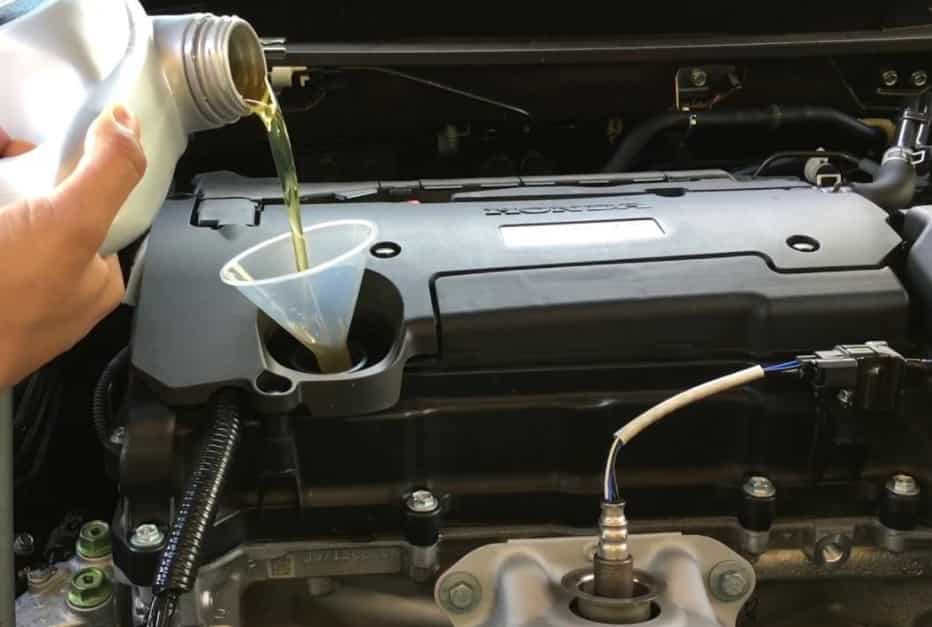
Who Makes Honda Oil?
Honda does not produce every bottle of engine oil that carries the Honda name. Instead, Honda works with specialized lubricant companies that have advanced manufacturing facilities and decades of experience in oil production. These companies create products that follow Honda’s strict performance requirements.
Honda focuses on vehicle engineering, engine technology, and quality standards. The company designs engines with specific lubrication needs, then creates guidelines for the oil that supports those engines. Lubricant manufacturers use these guidelines to develop and produce Honda Genuine Motor Oil.
The actual manufacturer can depend on the market and product type. Honda uses different supply partners because each region has unique production systems, regulations, and distribution networks. A Honda oil bottle sold in North America may come from a different supplier than one sold in Japan or another international market.
In the United States, Phillips 66 has a major relationship with Honda and Acura lubricant programs. The company provides lubricant technology, production capabilities, and distribution support for automotive products. Phillips 66 also works closely with Honda Racing through specialized lubricant programs, which demonstrates its technical relationship with the Honda brand.
Idemitsu also plays an important role in Honda’s lubricant supply chain. The Japanese company has a long history of producing automotive lubricants and works with Honda as an OEM supplier. Idemitsu provides expertise in engine oil development, transmission fluids, and other automotive lubrication solutions.
The key point is that Honda oil does not come from one single global factory. Honda selects qualified lubricant partners that can meet its technical standards. The company then uses these partnerships to deliver reliable engine protection for millions of Honda vehicles worldwide.
For Honda owners, the manufacturer name matters less than the product specifications. The correct viscosity, certification, and compatibility with your vehicle’s engine will have the biggest impact on performance and protection.
Does Honda Manufacture Its Own Motor Oil?
Many people assume Honda produces its own engine oil because the bottle carries the Honda brand name. However, Honda does not operate as a traditional oil company. The company focuses on designing engines, vehicles, motorcycles, and mobility products.
Honda creates technical requirements for the lubricants used in its engines. These requirements consider engine design, operating temperature, fuel efficiency goals, and long term durability. Honda engineers understand how oil interacts with internal engine components, so they define the standards that the final product must achieve.
Specialized lubricant manufacturers handle the production process. These companies have large blending facilities, advanced testing laboratories, and experience with global oil standards. They combine base oils and additive packages to create products that match Honda’s specifications.
This approach is common across the automotive industry. Many vehicle manufacturers partner with established oil companies instead of building their own refineries. This strategy allows automakers to focus on vehicle development while lubricant specialists manage oil production.
Honda still plays an important role in the final product. The company evaluates performance requirements and ensures that the oil supports its engines. Honda Genuine Motor Oil must provide protection against wear, maintain proper viscosity, and support efficient engine operation.
The relationship between Honda and lubricant manufacturers works through strict quality control. A supplier cannot simply place the Honda logo on a bottle without meeting the company’s requirements. Honda maintains standards that help protect engines and maintain customer confidence.
Another reason Honda uses external lubricant partners involves global supply chains. Honda sells vehicles in many countries, and each market has different regulations and manufacturing conditions. Working with regional suppliers helps Honda deliver suitable products more efficiently.
For vehicle owners, the most important factor is not whether Honda owns the oil factory. The key question is whether the oil meets the specifications required for your specific Honda model. A properly certified oil with the correct viscosity can provide excellent protection, whether it comes from Honda Genuine Motor Oil or another trusted brand.
Is Phillips 66 the Manufacturer of Honda Oil in the United States?
Many Honda owners in the United States search for a simple answer to one question. Is Phillips 66 the company that makes Honda oil? The connection between Phillips 66 and Honda is real, but the answer requires some context.
Phillips 66 has a long standing relationship with Honda and Acura lubricant programs in the United States. The company develops, produces, and distributes automotive lubricants for different applications. Its technical expertise and manufacturing capabilities make it a trusted partner in the automotive industry.
However, Phillips 66 does not manufacture every Honda oil product worldwide. Honda works with different lubricant partners in different regions. The supplier can depend on the product type, market requirements, and current business agreements.
In the United States, Honda Genuine Motor Oil products have a strong connection with Phillips 66. The company provides lubricant solutions that support Honda and Acura vehicles. This relationship helps Honda dealerships offer engine oils that match the performance needs of Honda engines.
Phillips 66 also has experience in advanced lubricant development through its research and engineering teams. The company creates products designed to protect engines under different driving conditions. These conditions include daily commuting, highway driving, extreme temperatures, and demanding performance situations.
The relationship between Honda and Phillips 66 shows how modern automotive companies operate. Car manufacturers often work with specialized suppliers instead of producing every component themselves. This approach allows each company to focus on its strongest area of expertise.
For Honda owners, the Phillips 66 connection provides confidence in product quality. However, the name on the manufacturing side is only one part of choosing engine oil. The most important factors include the correct SAE viscosity, API certification, ILSAC rating, and compatibility with the vehicle’s engine.
A Honda Civic, Accord, CR V, or Pilot does not require oil simply because it carries a Honda logo. It requires oil that matches Honda’s engineering requirements. Whether the product comes through Phillips 66 or another approved supplier, the final goal remains the same: reliable engine protection and long term performance.
Does Idemitsu Make Honda Genuine Oil?
Idemitsu is another important name connected with Honda oil production. Many Honda owners ask whether Idemitsu makes Honda Genuine Motor Oil because the company has a strong reputation in the automotive lubricant industry. The relationship between Honda and Idemitsu goes back many years and reflects the importance of high quality lubrication technology.
Idemitsu Kosan is a Japanese energy company that specializes in petroleum products, chemicals, and advanced lubricants. The company develops engine oils, transmission fluids, and other automotive products for manufacturers around the world. Its experience in lubricant research has made it a trusted partner for several major vehicle brands.
Idemitsu works with Honda as an OEM lubricant supplier. This means the company provides lubricant solutions that meet Honda’s technical requirements. These products can support factory applications, service needs, and regional lubricant programs depending on the market.
However, Honda owners should understand one important detail. Idemitsu does not necessarily manufacture every bottle of Honda Genuine Motor Oil sold worldwide. Honda uses different suppliers based on location, product category, and supply agreements. A bottle purchased in Japan may have a different production source than a bottle purchased in North America.
The connection between Honda and Idemitsu highlights how automotive lubricant supply chains work. Vehicle manufacturers often cooperate with specialized oil companies that have advanced technology and production facilities. These partnerships allow automakers to maintain strict quality standards without operating their own oil refineries.
Idemitsu brings significant expertise in developing modern engine lubricants. Its products focus on areas such as engine cleanliness, friction reduction, fuel efficiency, and component protection. These qualities are important because modern Honda engines require precise lubrication performance.
For Honda drivers, the most important factor remains the oil specification rather than the manufacturer name alone. The correct viscosity grade, certification level, and engine compatibility determine whether the oil can properly protect your vehicle.
So, does Idemitsu make Honda Genuine Oil? The answer depends on the specific product and market. Idemitsu is an important Honda lubricant partner, but it is not the only company involved in producing Honda branded oil around the world.
Why Can Honda Oil Have More Than One Manufacturer?
Many Honda owners expect a simple answer when they ask who makes Honda oil. They often believe one company produces every bottle around the world. In reality, global automotive supply chains work differently. Honda can use multiple lubricant partners to serve different markets while maintaining consistent quality standards.
One major reason involves regional production. Honda sells vehicles in many countries, and each market has different manufacturing systems, regulations, and customer needs. A local or regional lubricant supplier can help Honda reduce transportation costs and improve product availability.
Different regions may also require different oil formulations. Weather conditions, driving habits, environmental rules, and engine specifications can influence lubricant requirements. An oil designed for a cold climate may need different performance characteristics compared with an oil used in a hot environment.
Product categories create another reason for multiple suppliers. Honda offers various lubricants for passenger cars, motorcycles, performance vehicles, and power equipment. Each product type may require different testing standards and manufacturing expertise. One supplier may specialize in automotive engine oil, while another may focus on specialized fluids.
Business agreements also change over time. Automotive companies regularly review supplier relationships to improve efficiency, technology, and production capacity. A company that produces Honda oil today may not remain the supplier forever. Honda chooses partners that continue to meet its quality expectations.
Using multiple manufacturers also improves supply chain reliability. Global brands need consistent product availability, especially when millions of vehicles require regular maintenance. Multiple qualified suppliers help Honda avoid production problems and maintain steady distribution.
This approach does not mean Honda oil quality changes randomly. Honda controls the required specifications and performance standards. Every approved supplier must follow these guidelines to create products that support Honda engines.
For drivers, the most important question is not always who made the oil. The better question is whether the product matches your vehicle’s requirements. Checking the recommended viscosity, certification, and specifications in your owner’s manual will help you choose the right oil for your Honda.
Is Honda Genuine Motor Oil a Unique Formula?
Many Honda owners believe Honda Genuine Motor Oil contains a completely unique formula that no other oil can match. The reality is more nuanced. Honda develops performance requirements for its engines, while qualified lubricant manufacturers create products that meet those requirements.
Honda does not publicly reveal every detail of its oil formulation. Like many automotive companies, Honda protects certain technical information related to lubricant performance. The exact combination of base oils, additives, and testing methods can remain part of a supplier’s proprietary technology.
However, Honda Genuine Motor Oil follows specific standards designed for Honda engines. The oil must provide reliable protection against wear, maintain stable viscosity, and support efficient engine operation. These requirements help ensure that the lubricant performs properly under different driving conditions.
A common misunderstanding involves the idea of a completely exclusive formula. Some people assume Honda oil must be entirely different from every other motor oil available. In practice, many premium engine oils share similar performance goals. They focus on reducing friction, controlling deposits, protecting engine parts, and improving durability.
The difference often comes from the specific additive package and formulation strategy. Two oils may have the same viscosity rating but use different technologies. For example, two 0W 20 oils may both meet industry standards while using different base oils and additives.
Honda Genuine Motor Oil also benefits from application specific development. Honda engineers design engines with particular lubrication needs. The recommended oil must work effectively with engine components, seals, temperature ranges, and operating conditions.
This does not mean other brands cannot protect a Honda engine. Many aftermarket oils meet or exceed the required industry standards. Products from companies such as Mobil 1, Castrol, Pennzoil, Valvoline, and Idemitsu can provide excellent protection when they match Honda’s recommended specifications.
The most important factor is not whether an oil has the Honda logo. The key is whether the product meets the correct requirements for your vehicle. A properly selected oil helps maintain engine performance, improve reliability, and protect your investment over time.
What Specifications Does Honda Genuine Motor Oil Meet?
Choosing the correct engine oil for a Honda vehicle requires more than looking at the brand name on the bottle. The oil must match the technical requirements of the engine. Honda recommends specific oil standards based on the vehicle model, engine design, production year, and market.
One of the most important factors is viscosity. The SAE viscosity grade describes how the oil flows at different temperatures. Common Honda oil grades include 0W 20, 0W 30, 5W 20, and 5W 30. The correct viscosity helps the engine start smoothly and maintain proper lubrication during operation.
Modern Honda vehicles often use low viscosity oils such as 0W 20. These oils help reduce internal friction and support fuel efficiency. However, not every Honda model uses the same oil grade. Older engines, performance models, and vehicles in different climates may require other specifications.
Honda also considers industry certifications when recommending motor oil. Many Honda engines require oils that meet API standards. The API certification confirms that the oil meets certain performance requirements for engine protection, cleanliness, and durability.
Another important standard is ILSAC. The International Lubricant Specification Advisory Committee develops standards for passenger vehicle engine oils. Many Honda vehicles in North America use oils that meet ILSAC requirements because these standards support fuel economy and modern engine technology.
The owner’s manual remains the most reliable source for choosing the correct oil. It provides information about the recommended viscosity, certification level, and maintenance schedule for your specific Honda model. A Honda Civic may have different requirements compared with a Honda Pilot or Honda CR V.
Some drivers assume that the newest oil technology automatically works for every Honda vehicle. This is not always true. A newer certification does not replace the manufacturer’s recommendation. The engine design determines which oil characteristics provide the best protection.
Honda Genuine Motor Oil meets the requirements established for Honda vehicles, but many other brands can also meet the same industry standards. The important step is comparing the product label with your vehicle specifications before making a purchase.
Using the correct oil helps protect internal engine components, maintain efficiency, and support long term reliability. The right specification matters more than choosing a product based only on the logo or manufacturer name.
Is Honda Genuine Oil Full Synthetic?
Many Honda owners ask whether Honda Genuine Motor Oil is always a full synthetic product. The answer depends on the specific oil type, viscosity grade, and market. Honda offers different oil products, and not every bottle uses the same formulation.
Some Honda Genuine Motor Oil products use synthetic technology, while others may use synthetic blend or conventional formulations. The product label provides the most accurate information because Honda can offer different options for different vehicles and regions.
Full synthetic oil uses highly refined base oils and advanced additives to provide strong performance under demanding conditions. It usually offers better protection during extreme temperatures, heavy engine loads, and extended driving situations. Many modern engines benefit from synthetic technology because manufacturers design them with tighter tolerances and advanced efficiency systems.
Synthetic blend oil combines synthetic base oils with conventional mineral oil. This type of oil provides a balance between performance and cost. It can offer improved protection compared with traditional conventional oil while remaining more affordable for many drivers.
Conventional oil comes from refined crude oil and has been used in engines for many decades. While modern vehicles often use synthetic products, some older engines or specific applications may still use conventional formulations when they meet the required standards.
Honda does not choose oil types based only on marketing trends. The company considers engine design, operating conditions, and performance requirements. A Honda engine needs the correct lubrication characteristics rather than simply the most expensive oil available.
Drivers should also avoid assuming that a lower viscosity oil is automatically synthetic. For example, a 0W 20 oil can use different base oil technologies depending on the manufacturer and product line.
The best approach is to check the bottle label and compare it with the recommendations in your Honda owner’s manual. Look for the correct viscosity grade, certification, and oil type required for your vehicle.
Honda Genuine Motor Oil can provide excellent protection when it matches your engine requirements. However, premium synthetic oils from other reputable brands can also perform well when they meet Honda’s recommended specifications.
The final decision should focus on compatibility, quality standards, and maintenance needs rather than choosing oil based only on whether it says full synthetic on the label.
Is Honda Genuine Motor Oil Better Than Other Brands?
Many Honda owners wonder whether Honda Genuine Motor Oil provides better protection than other well known oil brands. The answer depends on how you define “better.” Honda oil offers the advantage of being designed for Honda vehicles, but several aftermarket brands can also provide excellent performance when they meet the required specifications.
One of the biggest benefits of Honda Genuine Motor Oil is convenience. Honda owners can choose an oil that follows the manufacturer’s recommendations without spending time comparing multiple products. This option gives many drivers confidence because the oil comes through Honda’s official service network.
Honda Genuine Motor Oil also provides compatibility advantages. Honda engineers design engines with specific lubrication needs, and the recommended oil supports those requirements. Using the correct product can help maintain engine cleanliness, reduce wear, and support long term reliability.
However, Honda is not the only company producing high quality engine oil. Many established lubricant brands develop advanced formulas that meet or exceed industry standards. Companies such as Mobil 1, Castrol, Pennzoil, Valvoline, and Idemitsu offer products that work well in Honda vehicles when they match the required specifications.
The main difference often comes down to product selection rather than brand reputation. A premium aftermarket oil with the correct SAE viscosity, API certification, and ILSAC rating can provide similar levels of engine protection. A cheaper oil that fails to meet the required standards may not deliver the same results.
Price is another factor that influences many buyers. Honda Genuine Motor Oil may cost more because of dealership distribution and OEM branding. Some drivers prefer this option because they value original equipment products and simple maintenance decisions.
Other drivers choose aftermarket oils because they offer competitive pricing, wider availability, or additional performance features. For example, some synthetic oils focus on extreme temperature protection, extended drain intervals, or advanced cleaning technology.
The most important factor is not the logo on the bottle. The engine needs the correct oil specification for proper protection. A Honda Civic, Accord, CR V, or Pilot will perform best when the oil matches Honda’s recommended requirements.
Honda Genuine Motor Oil remains a reliable choice for many owners. However, high quality alternatives can also protect your engine when you select the right product. The best oil is the one that fits your vehicle, driving conditions, and maintenance schedule.
Can You Use Non Honda Oil in a Honda Vehicle?
Many Honda owners believe they must use Honda Genuine Motor Oil for every oil change. This belief is common because Honda places strong emphasis on maintenance quality and vehicle reliability. However, Honda vehicles can use other engine oils when those products meet the required specifications.
The most important factor is not the brand name. The oil must match the requirements listed in your Honda owner’s manual. These requirements usually include the correct SAE viscosity grade, API certification, ILSAC standard, and engine compatibility.
For example, a Honda vehicle that requires 0W 20 engine oil does not automatically need a Honda branded 0W 20 product. A different brand can also work if it meets the same performance standards. Many trusted lubricant companies produce oils that satisfy the requirements of modern Honda engines.
Brands such as Mobil 1, Castrol, Pennzoil, Valvoline, and Idemitsu offer engine oils designed for passenger vehicles. These companies invest heavily in lubricant research and develop products for different driving conditions. Their oils can provide strong protection when drivers select the correct product.
However, choosing any oil without checking the specifications can create problems. Some Honda engines have unique requirements because of their design, age, or technology. Turbocharged engines, hybrid systems, and high mileage vehicles may need specific oil characteristics.
Honda owners should also consider driving conditions. Frequent short trips, heavy traffic, extreme temperatures, or towing can place additional stress on an engine. The right oil can help the engine handle these situations more effectively.
Another important point involves maintenance intervals. Using a high quality oil does not mean drivers should ignore Honda’s recommended service schedule. Regular oil changes, proper oil levels, and quality filters remain essential for engine health.
Transmission fluid and other vehicle fluids require extra attention. Engine oil is not interchangeable with every fluid used in a Honda vehicle. Some Honda systems need specific fluids designed for their components.
Using non Honda oil does not automatically reduce engine protection. The key is choosing a product that meets Honda’s requirements. A properly selected oil can help your Honda engine deliver reliable performance for many years.
Before your next oil change, check your owner’s manual and compare the oil label carefully. The right specification matters more than the logo printed on the bottle.
How to Identify Who Made a Specific Bottle of Honda Oil
Finding the manufacturer behind a specific bottle of Honda oil can be difficult because Honda does not always highlight the production partner on the front label. The bottle usually focuses on the Honda brand, product name, viscosity grade, and performance information. However, several methods can help you identify more details about a specific product.
The first place to check is the back label. Some Honda oil bottles include information about the manufacturer, distributor, or company responsible for production. The label may also provide details about where the oil was blended, packaged, or distributed.
The product part number can also provide useful information. Honda uses specific part numbers for different oil products and packaging sizes. These numbers help dealerships and customers identify the correct product for a particular market.
Another useful source is the Safety Data Sheet, often called an SDS. Manufacturers publish these documents to provide information about product composition, handling, and safety. An SDS may include the company responsible for producing or distributing the lubricant.
Official Honda service channels can also help answer product questions. Honda dealerships and customer support teams may provide information about specific oil products sold in their region. This approach works well because Honda oil suppliers can change over time.
Regional differences create another challenge. A Honda oil bottle purchased in the United States may not come from the same supplier as a bottle purchased in Japan, Europe, or another market. Production locations depend on local agreements, regulations, and distribution systems.
Online searches can also create confusion. Many articles claim that one company makes all Honda oil worldwide. However, this information is often incomplete because Honda uses different supply partners for different products and regions.
The most reliable method is to combine several sources. Check the bottle label, review official documentation, and confirm information through Honda or authorized distributors.
Understanding who made a specific bottle of Honda oil can satisfy your curiosity. However, the more important factor is whether the oil meets the correct specifications for your Honda vehicle. The right viscosity and certification will have a greater impact on engine protection than the supplier name alone.
Honda Genuine Oil vs Idemitsu vs Phillips 66
When comparing Honda Genuine Motor Oil, Idemitsu, and Phillips 66, many drivers want to know which option provides the best protection for their vehicle. The answer depends on the specific product, application, and required specifications. These companies all have strong connections to automotive lubrication, but they play different roles in the market.
Honda Genuine Motor Oil represents Honda’s official branded lubricant products. Honda creates the performance requirements and recommends these oils for its vehicles. Many owners choose Honda oil because it offers a simple solution that aligns with the manufacturer’s maintenance recommendations.
Idemitsu has a long history in lubricant development and works with Honda as an OEM lubricant supplier. The company produces advanced engine oils and automotive fluids for different manufacturers. Idemitsu focuses heavily on lubrication technology, fuel efficiency, and engine protection.
Phillips 66 also has an important relationship with Honda and Acura lubricant programs in the United States. The company develops and supplies automotive lubricants through its advanced production facilities. Phillips 66 has extensive experience creating products for passenger vehicles, commercial applications, and performance programs.
The biggest difference between these companies is their role in the supply chain. Honda owns the brand name and defines the requirements for Honda Genuine Motor Oil. Idemitsu and Phillips 66 operate as specialized lubricant companies that can produce or supply products according to specific agreements.
Honda Genuine Motor Oil provides the advantage of official branding and easy compatibility. Many drivers prefer it because they do not need to compare multiple products before an oil change. It also works well for owners who prefer dealership maintenance and original equipment solutions.
Idemitsu and Phillips 66 products can also provide excellent performance when they meet the required specifications. A lubricant manufacturer with advanced technology can create oils that protect engines, reduce friction, and maintain performance under different conditions.
The most important comparison is not simply Honda versus another company. The better question is whether the oil matches your vehicle’s needs. A Honda engine requires the correct viscosity, certification, and formulation characteristics.
For most Honda owners, choosing between Honda Genuine Oil, Idemitsu, and Phillips 66 comes down to availability, price, and personal preference. Any product that meets Honda’s requirements can help maintain engine performance and long term reliability.
Frequently Asked Questions About Who Makes Honda Oil
Who makes Honda 0W 20 oil?
Honda 0W 20 oil does not come from one single manufacturer worldwide. Honda works with qualified lubricant suppliers to produce oils that meet its performance requirements. The supplier can vary depending on the country, product line, and production agreement.
In some markets, Phillips 66 has a strong connection with Honda and Acura lubricant programs. Idemitsu also serves as an important OEM lubricant supplier for Honda and other Japanese vehicle manufacturers. The best way to identify a specific product source is to check the bottle label and official documentation.
Is Honda oil made by Idemitsu?
Idemitsu is one of the companies connected with Honda lubricant supply. The company has extensive experience in automotive oil development and works with Honda as an OEM supplier.
However, Idemitsu does not produce every Honda oil product sold worldwide. Honda uses different suppliers depending on regional requirements, product categories, and supply agreements.
Does Phillips 66 make Honda oil?
Phillips 66 has a significant relationship with Honda and Acura lubricant programs in the United States. The company develops and supplies automotive lubricants for different applications.
However, Honda oil production does not rely only on Phillips 66. Other qualified lubricant companies may support Honda products in different regions.
Is Honda Genuine Oil the same as Idemitsu oil?
Honda Genuine Oil and Idemitsu oil are not automatically the same product. A supplier relationship does not mean every retail product uses the same formula, additives, or performance characteristics.
Honda Genuine Motor Oil follows Honda’s requirements. Idemitsu creates products based on its own specifications unless Honda approves them for a specific application.
Is Honda Genuine Motor Oil worth the price?
Honda Genuine Motor Oil can be a good choice for owners who prefer official Honda products. It offers convenience, compatibility confidence, and easy access through Honda service channels.
However, many aftermarket oils can also protect Honda engines effectively. The important factor is whether the oil meets the specifications listed in your owner’s manual.
Can Mobil 1 be used in a Honda?
Yes, Mobil 1 can work in many Honda vehicles when the product meets the required viscosity and certification standards. Honda owners should always compare the oil label with their vehicle requirements before making a decision.
A suitable aftermarket oil can provide strong engine protection when it matches Honda’s recommendations.
What oil does Honda recommend?
Honda recommendations depend on the vehicle model, engine type, production year, and market. Many newer Honda vehicles use 0W 20 oil, but some models require different viscosity grades.
The owner’s manual remains the most accurate source for choosing the correct engine oil.
Who makes Honda motorcycle oil?
Honda sells motorcycle lubricants under the Pro Honda brand. The manufacturer behind a specific motorcycle oil product can depend on the market and production agreement.
Motorcycle engines often have different lubrication requirements from passenger cars, so owners should use the oil recommended for their specific model.
Is OEM oil better than aftermarket oil?
OEM oil is not automatically better than every aftermarket product. OEM oils provide the advantage of official branding and manufacturer recommendations.
High quality aftermarket oils can also perform well when they meet the correct industry standards and vehicle requirements.
How do I know if my Honda oil is genuine?
You can check the packaging, product number, label information, and purchase source. Buying from an authorized Honda dealer or trusted retailer reduces the risk of counterfeit products.
Always compare the bottle details with official Honda information if you have concerns.
Conclusion: Who Makes Honda Oil?
The answer to who makes Honda oil is not as simple as naming one company. Honda does not operate as a global oil manufacturer with one production facility for every product. Instead, Honda works with experienced lubricant companies that produce oils according to Honda’s engineering requirements.
Companies such as Phillips 66 and Idemitsu have strong connections with Honda lubricant programs. Phillips 66 plays an important role in Honda and Acura lubricant supply in the United States. Idemitsu also works as an OEM lubricant supplier with Honda and other Japanese automotive manufacturers.
These partnerships allow Honda to combine automotive expertise with advanced lubricant technology. Honda focuses on engine design, performance standards, and quality requirements. Specialized oil companies provide the manufacturing knowledge, testing facilities, and production capacity needed to create reliable lubricants.
For Honda owners, the supplier name is only one part of the decision. The most important factors are the oil specifications, including viscosity, certification, and compatibility with your vehicle. A properly selected oil helps protect engine components, maintain efficiency, and support long term reliability.
Honda Genuine Motor Oil remains a trusted option for drivers who prefer an official Honda product. However, high quality aftermarket oils can also deliver excellent performance when they meet Honda’s recommended standards.
Before your next oil change, check your owner’s manual and compare the required specifications with the product label. Choosing the right oil is not about finding a famous brand. It is about selecting a lubricant that matches your Honda engine’s needs.
Understanding the manufacturer behind Honda oil helps you make a smarter maintenance decision. The best protection comes from using the correct oil, following proper service intervals, and maintaining your vehicle consistently.