Buying a new vehicle often comes with peace of mind, especially when it includes a manufacturer warranty. However, many Ford owners are still unsure about the exact protection their warranty provides. A common question people ask is simple but important. What does Ford powertrain warranty cover?
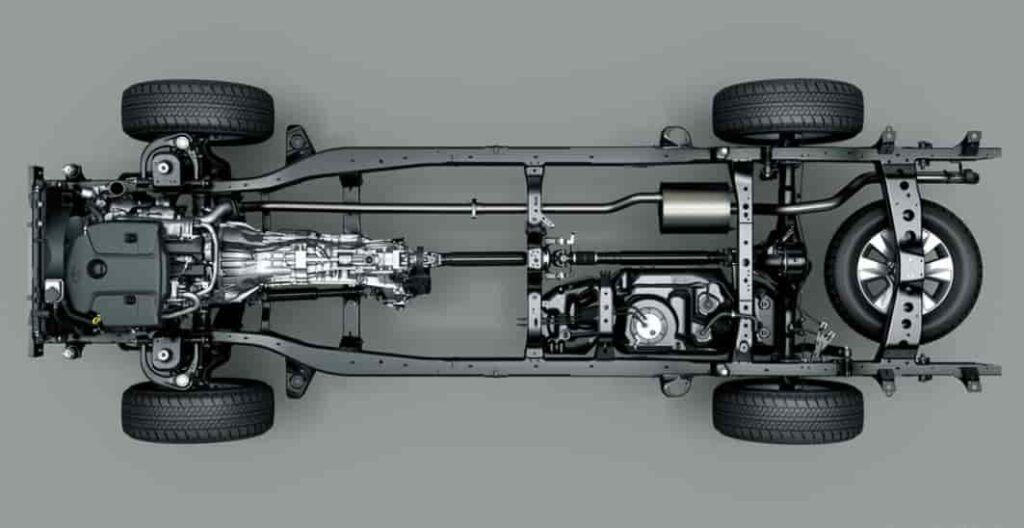
The powertrain is the core system that makes your vehicle move. It includes the engine, transmission, and drivetrain components that transfer power to the wheels. If one of these parts fails, the repair cost can quickly rise to thousands of dollars. This is why understanding your warranty coverage is essential for every Ford owner.
Ford offers a powertrain warranty to protect some of the most expensive and critical parts of your vehicle. While this warranty provides valuable protection, it does not cover every component or situation. Some repairs are included, while others fall outside the warranty terms.
In this complete 2025 guide, you will learn exactly what the Ford powertrain warranty covers, which components are protected, how long the coverage lasts, and what situations may void the warranty. Whether you recently purchased a new Ford or are considering buying a used one, understanding your powertrain warranty can help you avoid unexpected repair costs and make better ownership decisions.
Contents
- Ford Powertrain Warranty Overview
- What Components Are Covered Under Ford Powertrain Warranty
- What Is Not Covered by Ford Powertrain Warranty
- How Long Does Ford Powertrain Warranty Last
- Is Ford Powertrain Warranty Transferable
- Ford Powertrain Warranty vs Bumper to Bumper Warranty
- Common Repairs Covered by Ford Powertrain Warranty
- Tips to Avoid Voiding Your Ford Warranty
- Frequently Asked Questions
- Conclusion
Ford Powertrain Warranty Overview
A powertrain warranty is designed to protect the most important mechanical systems of a vehicle. These systems are responsible for generating power and transferring that power to the wheels. Without them, a car simply cannot move. Because these components are complex and expensive to repair, manufacturers provide powertrain warranties to give owners additional protection.
Ford includes a powertrain warranty as part of its factory warranty coverage for new vehicles. This warranty focuses specifically on the engine, transmission, and drivetrain components. These parts experience constant mechanical stress and are among the most costly systems to repair or replace.
For many vehicle owners, engine or transmission failure is one of the biggest financial concerns. A major engine repair can cost several thousand dollars depending on the model and damage. Transmission replacements are also known to be expensive, often reaching thousands of dollars when labor and parts are included. The powertrain warranty helps reduce this risk by covering certain failures that occur during the warranty period.
Another important aspect of the Ford powertrain warranty is that it protects internal mechanical parts that are essential for vehicle performance. These parts must work together precisely to ensure smooth acceleration, reliable shifting, and efficient power delivery.
Understanding how this warranty works helps Ford owners know when repairs may be covered and when they may need to pay out of pocket. By knowing the limits and benefits of the warranty, drivers can better plan maintenance and avoid unexpected expenses during vehicle ownership.
What Components Are Covered Under Ford Powertrain Warranty
To fully understand what Ford powertrain warranty covers, it is important to look at the specific systems that fall under this protection. The powertrain includes the components responsible for producing engine power and delivering that power to the wheels. Ford focuses its warranty coverage on these critical mechanical systems because they are essential for vehicle performance and are often the most expensive parts to repair.
In general, the Ford powertrain warranty covers three main areas of the vehicle. These include the engine, the transmission, and the drivetrain. Each of these systems contains multiple internal components that work together to keep the vehicle running smoothly and efficiently.
When one of these major systems fails due to a manufacturing defect or internal mechanical problem, the powertrain warranty may cover the cost of repair or replacement. Understanding these categories can help Ford owners know which problems may qualify for warranty service.
Engine Coverage
The engine is the heart of every vehicle. It generates the power required to move the car and support every driving function. Because the engine contains many complex moving parts, repairs can be extremely costly when a failure occurs.
Under the Ford powertrain warranty, many internal engine components are typically covered. These often include the engine block, cylinder heads, pistons, crankshaft, camshaft, timing gears, oil pump, and other internal lubricated parts. These components operate under high pressure and temperature, which makes them critical to the reliability of the vehicle.
If an internal engine component fails due to a manufacturing defect during the warranty period, Ford may cover the repair or replacement of that part. This protection can save owners thousands of dollars because major engine repairs often require extensive labor and specialized parts.
However, it is important for owners to maintain their vehicles properly. Routine maintenance such as oil changes must still be performed regularly. Failure to maintain the engine according to Ford recommendations may affect warranty eligibility.
Transmission Coverage
The transmission is responsible for transferring engine power to the wheels while allowing the vehicle to change speeds smoothly. Whether the vehicle uses an automatic or manual transmission, this system plays a major role in driving performance and fuel efficiency.
Ford powertrain warranty coverage typically includes many internal transmission components. These may include the transmission case, torque converter, gears, bearings, seals, clutches, and internal control mechanisms that allow the transmission to shift properly.
Transmission problems can be expensive to repair because the system is complex and requires specialized expertise. In many cases, transmission repairs involve removing the entire unit from the vehicle. Labor costs alone can be significant, which makes warranty coverage particularly valuable.
If a covered internal transmission component fails during the warranty period due to a defect in materials or workmanship, Ford may pay for the repair or replacement. This type of protection provides peace of mind for drivers who rely on their vehicles for daily transportation.
Drivetrain Coverage
The drivetrain works with the engine and transmission to deliver power to the wheels. It includes several components that transfer rotational energy through the vehicle so that the wheels can move the car forward.
Ford powertrain warranty coverage usually includes important drivetrain components such as the driveshaft, axles, differential, and transfer case for vehicles equipped with all wheel drive or four wheel drive systems. These components must operate with precision in order to deliver smooth and consistent power while driving.
Damage or failure within the drivetrain can affect vehicle stability and performance. For example, a worn differential or damaged driveshaft can lead to unusual vibrations, noise, or reduced power delivery. Repairs for these systems can also be expensive because they involve complex mechanical assemblies.
By covering many of these drivetrain components, the Ford powertrain warranty helps protect drivers from some of the most costly mechanical failures that can occur during the early years of vehicle ownership.
What Is Not Covered by Ford Powertrain Warranty
Although the Ford powertrain warranty provides protection for many major mechanical components, it does not cover every part of the vehicle. Understanding the limitations of the warranty is just as important as knowing what is included. Many warranty claims are denied simply because the issue falls outside the scope of powertrain coverage.
One of the most common exclusions involves routine maintenance items. Regular services such as oil changes, air filter replacements, spark plug replacements, and fluid checks are considered part of normal vehicle ownership. These services must be performed by the owner to keep the vehicle operating properly. Because they are expected maintenance tasks, they are not covered by the powertrain warranty.
Wear and tear components are also typically excluded. Parts that naturally wear down over time include brake pads, brake rotors, clutch components, belts, hoses, and windshield wipers. These items experience gradual deterioration through everyday driving, which means they must be replaced periodically regardless of warranty coverage.
Another situation that may not be covered involves damage caused by accidents, misuse, or environmental factors. If a vehicle experiences engine damage because of a collision, flooding, or improper use, the repair may not qualify under the powertrain warranty. Manufacturers generally expect the vehicle to be used under normal driving conditions.
Improper maintenance can also affect warranty eligibility. If an owner fails to follow the recommended service schedule provided by Ford, certain repairs may not be covered. Keeping maintenance records and servicing the vehicle regularly can help prevent disputes if a warranty claim becomes necessary.
By understanding these exclusions, Ford owners can better manage expectations and avoid unexpected repair costs.
How Long Does Ford Powertrain Warranty Last
Another important question many drivers ask is how long Ford powertrain warranty coverage lasts. Warranty duration determines how long the manufacturer will provide protection for major powertrain components after the vehicle is purchased.
For most new Ford vehicles, the standard powertrain warranty lasts for five years or sixty thousand miles, whichever comes first. The coverage period begins on the date the vehicle is first sold to the original owner. This means the warranty clock starts when the vehicle is purchased from the dealership, not when it is manufactured.
During this period, covered powertrain components that fail due to manufacturing defects may be repaired or replaced by an authorized Ford dealer. The manufacturer typically pays for both parts and labor related to the covered repair.
It is important for owners to understand that warranty coverage ends once either the time limit or mileage limit is reached. For example, if a driver reaches sixty thousand miles within three years, the powertrain warranty will expire even though the five year period has not passed.
Some Ford owners choose to purchase extended warranty plans for additional protection. Extended coverage can continue protection for certain powertrain components after the factory warranty expires. This option may provide extra peace of mind for drivers who plan to keep their vehicles for many years.
Is Ford Powertrain Warranty Transferable
A useful feature of the Ford powertrain warranty is that it is often transferable to a new owner when the vehicle is sold. This can increase the resale value of the vehicle because the next owner may still benefit from the remaining warranty coverage.
When a vehicle changes ownership during the warranty period, the remaining powertrain coverage typically stays with the vehicle rather than the original buyer. This means the new owner can continue to receive warranty protection for covered components until the coverage period expires.
For used car buyers, this transferability can be a significant advantage. Purchasing a used vehicle that still has an active powertrain warranty can reduce the financial risk associated with unexpected mechanical failures. It also provides reassurance that some of the most expensive components of the vehicle are still protected.
However, the exact terms may depend on the specific warranty agreement and the vehicle model. Buyers and sellers should always review the warranty documentation or confirm details with a Ford dealership to ensure the coverage is still valid.
Ford Powertrain Warranty vs Bumper to Bumper Warranty
Many Ford owners confuse the powertrain warranty with the bumper to bumper warranty. Although both are factory warranties provided by the manufacturer, they cover different parts of the vehicle and usually last for different periods of time.
The bumper to bumper warranty is the most comprehensive type of warranty coverage offered by Ford. It typically protects a wide range of vehicle components including electrical systems, interior features, air conditioning systems, technology features, and many other parts outside the powertrain. However, this warranty usually lasts for a shorter period compared to the powertrain warranty.
The powertrain warranty focuses specifically on the mechanical systems that generate and deliver power. These include the engine, transmission, and drivetrain components. Because these systems are essential to the operation of the vehicle and can be extremely expensive to repair, manufacturers often provide longer coverage for them.
Another key difference involves the number of parts covered. The bumper to bumper warranty includes many smaller components throughout the vehicle, while the powertrain warranty concentrates on fewer but more critical mechanical parts. When the bumper to bumper coverage expires, the powertrain warranty may still remain active for several additional years depending on the mileage.
Understanding this difference helps Ford owners know which warranty applies when a mechanical issue occurs.
Common Repairs Covered by Ford Powertrain Warranty
One of the main benefits of the Ford powertrain warranty is protection against costly mechanical failures. When certain internal components fail due to manufacturing defects, the warranty may cover the repair or replacement.
Engine related problems are among the most common repairs covered under powertrain protection. Internal engine failures such as damaged pistons, crankshaft issues, or problems with the engine block can require significant labor and expensive replacement parts. Without warranty protection, these repairs can cost several thousand dollars.
Transmission repairs are another area where warranty coverage can be extremely valuable. Transmission slipping, gear engagement problems, or internal mechanical failure may require a full transmission rebuild or replacement. These types of repairs are often complex and costly because they involve advanced mechanical systems.
Drivetrain problems may also fall under the powertrain warranty if internal components fail. Issues involving the differential, driveshaft, or axle components can affect how power is delivered to the wheels. When these components malfunction, the vehicle may produce unusual noises or vibrations while driving.
By covering these major mechanical systems, the Ford powertrain warranty helps reduce the financial risk associated with unexpected vehicle repairs.
Tips to Avoid Voiding Your Ford Warranty
Although the Ford powertrain warranty provides valuable protection, certain actions can cause the warranty to become invalid. Vehicle owners should understand how to maintain their warranty coverage to ensure they can receive support when needed.
One of the most important steps is following the recommended maintenance schedule provided by Ford. Regular oil changes, fluid inspections, and other routine services help maintain engine health and ensure that components operate properly over time.
Keeping maintenance records is another smart practice. Service receipts and maintenance documentation can prove that the vehicle has been properly maintained. If a warranty claim is submitted, these records may help demonstrate that the owner followed manufacturer guidelines.
Using the correct fluids and replacement parts is also essential. Engine oil, transmission fluid, and other automotive fluids should meet the specifications recommended by Ford. Using incorrect products may cause mechanical damage and could affect warranty eligibility.
Vehicle modifications may also create warranty complications. Major modifications to the engine or drivetrain can alter how the vehicle operates. In some situations, these changes may lead to warranty claim denial if the modification contributed to the failure.
By maintaining the vehicle properly and following manufacturer recommendations, Ford owners can protect their warranty coverage and reduce the likelihood of expensive repairs.
Frequently Asked Questions
What does Ford powertrain warranty cover exactly
The Ford powertrain warranty typically covers major mechanical components that allow the vehicle to move. This includes the engine, transmission, and drivetrain systems. Many internal parts within these systems are protected if they fail due to manufacturing defects during the warranty period.
Does Ford powertrain warranty cover the transmission
Yes. Internal transmission components are usually covered under the powertrain warranty. This may include gears, torque converter, bearings, and other internal mechanical parts that allow the transmission to operate properly.
Does Ford powertrain warranty cover the engine
The warranty generally covers many internal engine components such as the engine block, pistons, crankshaft, and other lubricated internal parts. These components are essential for engine operation and can be expensive to repair without warranty protection.
Does Ford powertrain warranty apply to used vehicles
In many cases, the powertrain warranty remains active for the remaining coverage period even if the vehicle is sold to a new owner. This makes used vehicles with remaining warranty coverage more attractive to buyers.
Conclusion
Understanding what Ford powertrain warranty covers is essential for anyone who owns or plans to purchase a Ford vehicle. The powertrain system is responsible for generating and delivering the power that allows the vehicle to move. Because these components are complex and expensive to repair, warranty protection can provide significant financial security.
Ford powertrain warranty coverage typically includes the engine, transmission, and drivetrain components. These systems contain many internal mechanical parts that must work together to ensure reliable performance. If a manufacturing defect causes one of these components to fail during the warranty period, the repair may be covered by the manufacturer.
However, it is also important for owners to understand the limitations of the warranty. Routine maintenance items, wear and tear parts, and damage caused by accidents or misuse are usually not included in powertrain coverage. Proper maintenance and responsible driving habits help protect both the vehicle and the warranty.
For many Ford owners, the powertrain warranty provides peace of mind during the early years of vehicle ownership. By understanding how this coverage works, drivers can make informed decisions, maintain their vehicles properly, and avoid unexpected repair expenses in the future.