There is nothing more frustrating than turning on your Toyota RAV4’s air conditioner on a hot day and feeling warm air coming from the vents. Whether you’re commuting to work, running errands, or heading out on a road trip, a malfunctioning AC system can quickly make every drive uncomfortable.
If your Toyota RAV4 AC is blowing warm air instead of cold air, you are not alone. This is a common issue that affects many RAV4 owners across different model years. The problem can range from something simple, such as low refrigerant levels, to more complex issues involving the AC compressor, condenser, cooling fans, or climate control system.
One of the biggest concerns for vehicle owners is not knowing whether the repair will cost a few hundred dollars or several thousand. Replacing the wrong component can lead to unnecessary expenses, while ignoring the issue may result in additional damage to the air conditioning system.
In this guide, we will explore the most common reasons why a Toyota RAV4 air conditioner blows warm air, how to diagnose the problem, possible repair solutions, and what you can expect to pay for repairs. By understanding the symptoms and causes, you can make informed decisions and potentially save both time and money.
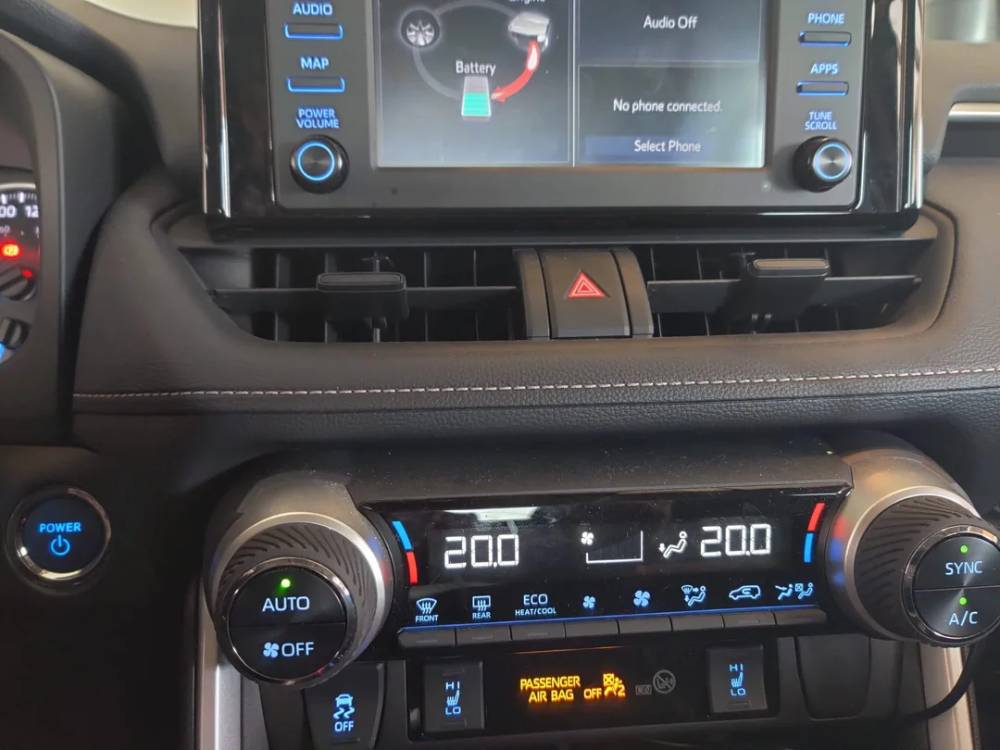
How the Toyota RAV4 Air Conditioning System Works
Before diagnosing why your Toyota RAV4 AC is blowing warm air, it helps to understand how the air conditioning system works. The system relies on several components working together to remove heat from the cabin and deliver cool air through the vents.
The AC compressor acts as the heart of the system. It compresses refrigerant and circulates it through the air conditioning components. The refrigerant then travels to the condenser, where heat is released outside the vehicle. Next, the refrigerant passes through the expansion valve and evaporator, where it absorbs heat from the cabin air. Finally, cooled air is pushed through the vents by the blower motor.
Modern Toyota RAV4 models also include sensors, cooling fans, and electronic climate control systems that help regulate cabin temperature. If any one of these components fails, the entire cooling process can be disrupted.
Understanding the basic operation of the AC system can make troubleshooting easier. It also helps prevent unnecessary repairs by allowing owners to identify potential issues before replacing expensive parts.
Low Refrigerant Level or Refrigerant Leak
One of the most common reasons a Toyota RAV4 air conditioner blows warm air is low refrigerant. Refrigerant is the substance responsible for absorbing heat from the cabin and releasing it outside the vehicle. Without enough refrigerant, the system cannot effectively cool the air.
Over time, small amounts of refrigerant can naturally escape from the system. However, a significant loss of refrigerant usually indicates a leak somewhere within the AC system. Common leak locations include AC hoses, seals, the condenser, and the evaporator core.
Several symptoms may indicate low refrigerant levels. The air conditioner may initially blow cool air before gradually becoming warm. You may also notice reduced cooling performance during hot weather, unusual hissing sounds, or oily residue around AC components.
A professional technician can perform a pressure test and use specialized leak detection equipment to locate the source of the problem. Once the leak is repaired, the system can be recharged with the correct amount of refrigerant.
Ignoring a refrigerant leak can place additional strain on other components, particularly the compressor. As a result, a relatively inexpensive repair can eventually become a much more costly one.
Faulty AC Compressor
The AC compressor is responsible for circulating refrigerant throughout the air conditioning system. Because it plays such a critical role, a failing compressor is often one of the first components technicians inspect when a Toyota RAV4 AC starts blowing warm air.
Several factors can cause compressor failure. Age, internal wear, refrigerant contamination, and insufficient lubrication are among the most common causes. In some cases, electrical problems may prevent the compressor clutch from engaging properly.
Drivers often notice specific warning signs before complete compressor failure occurs. Warm air coming from the vents is usually the first symptom. Other indicators include unusual grinding or squealing noises, intermittent cooling, and visible clutch engagement issues when the AC is switched on.
Diagnosing a compressor problem typically requires checking refrigerant pressure, electrical connections, and clutch operation. A mechanic may also inspect the compressor for signs of internal damage or contamination.
Because the compressor is one of the most expensive air conditioning components, repair costs can be significant. Depending on the model year and extent of the damage, replacement costs may range from several hundred to over a thousand dollars. Addressing early warning signs can often help prevent damage to other AC components and reduce overall repair expenses.
Condenser Problems
The condenser plays a crucial role in your Toyota RAV4’s air conditioning system by releasing heat absorbed from the cabin. Located at the front of the vehicle, the condenser is exposed to road debris, dirt, insects, and harsh weather conditions, making it vulnerable to damage over time.
When the condenser becomes clogged or damaged, heat cannot be efficiently removed from the refrigerant. As a result, the air conditioning system struggles to produce cold air. Drivers often notice that the AC performs better while driving at higher speeds but becomes noticeably warmer when the vehicle is stopped or moving slowly.
Physical damage from rocks and debris can also create small holes that allow refrigerant to escape. Even a minor leak can significantly reduce cooling performance. Corrosion is another common issue, particularly in regions with high humidity or frequent exposure to road salt.
Routine inspections can help identify condenser problems before they become severe. Cleaning debris from the condenser fins and ensuring unrestricted airflow can improve performance. However, if the condenser is leaking or heavily damaged, replacement is usually necessary.
Although condenser repairs can be costly, addressing the issue promptly helps prevent additional strain on the compressor and other air conditioning components.
Cooling Fan Failure
The cooling fan works alongside the condenser to remove heat from the refrigerant. Without sufficient airflow, the condenser cannot effectively cool the refrigerant, causing the air conditioner to blow warm air.
A failed cooling fan is particularly noticeable when driving in traffic or sitting at a stoplight. In these situations, there is little natural airflow passing through the condenser. If the cooling fan is not operating correctly, refrigerant temperatures rise rapidly and cooling performance drops.
Many Toyota RAV4 owners report that their AC feels cold while driving on the highway but becomes warm when idling. This symptom often points directly to a cooling fan issue. Additional warning signs may include engine temperature increases, unusual fan noises, or a fan that fails to activate when the AC is turned on.
Cooling fan problems can result from a faulty motor, damaged wiring, blown fuses, or a malfunctioning relay. Diagnosing the exact cause typically involves inspecting electrical connections and verifying proper fan operation.
Fortunately, cooling fan repairs are often less expensive than compressor replacement. Early diagnosis can restore cooling performance and help prevent overheating issues that could affect both the AC system and the engine.
Blend Door Actuator Malfunction
Not every warm air problem originates within the refrigerant system. In many cases, the issue may be caused by a faulty blend door actuator inside the vehicle’s HVAC system.
The blend door actuator controls the flow of air through the heating and cooling system. It determines whether air passes through the heater core or the evaporator before entering the cabin. When the actuator fails, it may become stuck in the heat position, causing warm air to blow from the vents even though the air conditioning system is functioning correctly.
One of the most common symptoms is inconsistent cabin temperatures. Some drivers notice that one side of the vehicle blows cold air while the other side remains warm. Others hear clicking or tapping noises behind the dashboard when adjusting temperature settings.
Because the blend door actuator is located behind dashboard components, accessing it can require significant labor depending on the model year. Nevertheless, replacing a defective actuator is often far less expensive than replacing major AC components.
If your Toyota RAV4 AC system appears to be operating normally but warm air continues to come from the vents, the blend door actuator should be considered a strong possibility. A proper diagnosis can prevent unnecessary replacement of compressors, condensers, or refrigerant-related components.
Electrical Issues and Blown Fuses
Modern Toyota RAV4 models rely heavily on electronic systems to control air conditioning performance. Even if all major AC components are functioning properly, an electrical fault can prevent the system from delivering cold air.
One of the simplest issues is a blown fuse. A damaged fuse can interrupt power to the compressor clutch, cooling fan, climate control module, or other essential components. Relays can also fail over time, preventing electrical signals from reaching the AC system.
Wiring damage is another possibility. Exposure to heat, vibration, moisture, and age can cause wires to become loose, corroded, or broken. These problems may result in intermittent cooling, complete loss of AC operation, or unexpected temperature fluctuations.
Electrical issues are often difficult to diagnose without proper equipment. Technicians typically use diagnostic tools to check voltage, continuity, and communication between electronic modules. Although some electrical repairs are relatively inexpensive, more complex wiring problems may require extensive troubleshooting.
The good news is that identifying an electrical issue early can often prevent unnecessary replacement of costly air conditioning components.
Faulty Pressure Sensors or Climate Control System
Toyota RAV4 air conditioning systems use multiple sensors to monitor refrigerant pressure, cabin temperature, and system performance. These sensors help the vehicle maintain safe operating conditions and optimize cooling efficiency.
If a pressure sensor provides inaccurate information, the system may disable the compressor as a protective measure. In such cases, the AC may blow warm air even though refrigerant levels and mechanical components are functioning normally.
The climate control module can also contribute to cooling problems. This electronic control unit receives information from various sensors and determines how the system should operate. Software glitches, communication errors, or internal failures can disrupt normal AC performance.
Common symptoms include intermittent cooling, unexpected temperature changes, compressor engagement issues, and unresponsive climate control settings. Drivers may also notice that adjusting temperature settings produces little or no change in cabin conditions.
Because sensor and control module failures often mimic other AC problems, professional diagnostic testing is usually required to identify the exact cause.
DIY Troubleshooting Checklist
Before scheduling an expensive repair appointment, there are several simple checks Toyota RAV4 owners can perform themselves.
Start by verifying that the air conditioning settings are correct. Ensure the AC button is activated and the temperature is set to the coldest position.
Inspect the cabin air filter. A severely clogged filter can restrict airflow and reduce cooling performance.
Check visible AC fuses in the fuse box. A blown fuse may immediately explain why the system is not functioning properly.
Listen for compressor engagement when turning on the air conditioner. A noticeable click often indicates that the compressor clutch is activating.
Inspect the condenser at the front of the vehicle for dirt, leaves, insects, or debris that may block airflow.
Pay attention to how the system behaves while driving. If cooling improves at highway speeds but worsens while idling, a cooling fan or condenser issue may be responsible.
Look for signs of refrigerant leaks, including oily residue around AC lines and components.
These simple inspections can provide valuable clues and help narrow down the potential causes before visiting a repair shop.
Toyota RAV4 AC Repair Cost Overview
Repair costs vary depending on the source of the problem, vehicle model year, and labor rates in your area.
A basic refrigerant recharge is often one of the least expensive solutions. However, if a leak is present, additional repairs will be necessary before recharging the system.
Compressor replacement is typically the most expensive repair because of both parts and labor costs. Condenser replacement, cooling fan repairs, and blend door actuator replacement generally fall somewhere in the middle range.
Electrical repairs can vary significantly depending on whether the problem involves a simple fuse replacement or extensive wiring repairs. Sensor replacement is usually more affordable but still requires proper diagnosis.
Obtaining an accurate diagnosis before replacing parts is one of the best ways to avoid unnecessary expenses and ensure the correct repair is performed the first time.
When Should You See a Mechanic?
While some basic inspections can be performed at home, certain symptoms require professional attention.
If the compressor is making unusual noises, refrigerant is visibly leaking, the AC suddenly stops working, or the engine temperature begins rising, professional diagnosis should not be delayed.
Continuing to operate the vehicle with unresolved AC issues can place additional stress on the system and potentially increase repair costs. In some situations, what begins as a minor refrigerant leak can eventually lead to compressor failure and significantly more expensive repairs.
Seeking professional assistance early often results in faster repairs, lower costs, and a more reliable air conditioning system.
Conclusion
If your Toyota RAV4 air conditioner is blowing warm air, the cause is often linked to low refrigerant levels, refrigerant leaks, a failing compressor, condenser damage, cooling fan issues, blend door actuator problems, or electrical faults. While some problems are relatively simple to diagnose, others require specialized equipment and professional expertise.
The key to minimizing repair costs is early detection. Paying attention to symptoms such as reduced cooling performance, unusual noises, inconsistent temperatures, or intermittent operation can help prevent minor issues from becoming major repairs.
By understanding how the air conditioning system works and recognizing the most common warning signs, Toyota RAV4 owners can make informed decisions about maintenance and repairs. Whether the solution is a simple refrigerant recharge or a more extensive component replacement, addressing the problem promptly will help restore comfort, improve driving enjoyment, and keep your vehicle operating at its best throughout the year.