If you own a Toyota Highlander or are considering buying one, you may be wondering: What type of gas does a Toyota Highlander use? It is a simple question, but the answer can have a significant impact on your vehicle’s performance, fuel economy, and long-term maintenance costs.
Many drivers assume that using premium gasoline automatically improves engine performance. Others worry that choosing the wrong fuel could damage their engine or reduce efficiency. With fuel prices continuing to fluctuate, understanding the correct fuel requirements for your Highlander can help you avoid unnecessary expenses while keeping your SUV running at its best.
The good news is that most Toyota Highlander models are designed to operate efficiently on regular unleaded gasoline. However, there are important details regarding octane ratings, hybrid models, fuel economy, and manufacturer recommendations that every owner should understand.
In this complete fuel guide, we will explain exactly what type of gas the Toyota Highlander uses, whether premium fuel is necessary, how fuel requirements vary across model years, and what you can do to maximize fuel efficiency. By the end of this article, you will have all the information you need to make informed fueling decisions and get the most value from your Toyota Highlander.
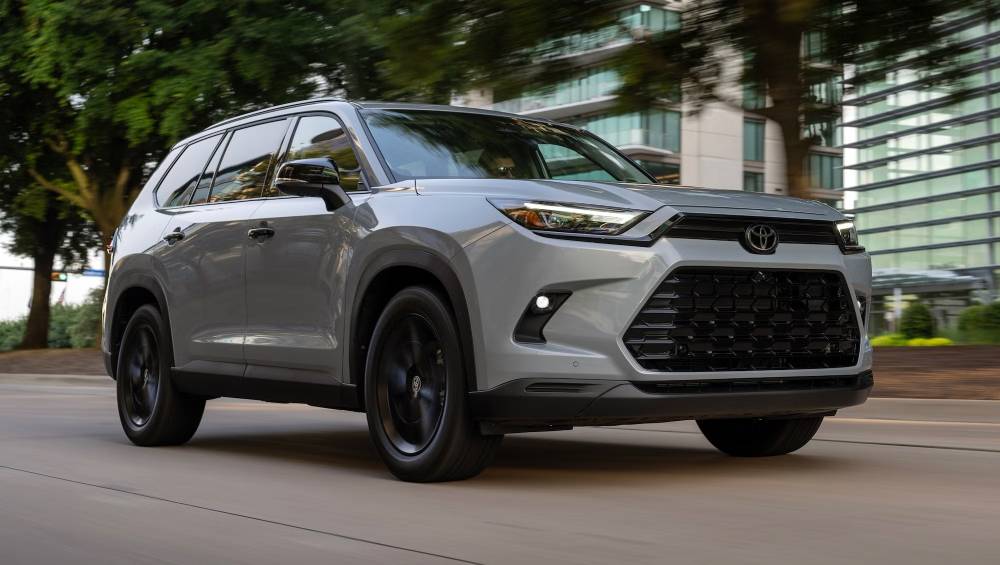
What Type of Gas Does a Toyota Highlander Use?
Most Toyota Highlander models are designed to run on regular unleaded gasoline with an octane rating of 87 or higher. This recommendation applies to the majority of gasoline-powered Highlander models sold in North America and many other markets. Toyota engineers specifically tune the engine to deliver reliable performance, efficiency, and durability using regular fuel, which means owners do not need to spend extra money on premium gasoline during routine refueling.
The fuel recommendation can usually be found inside the owner’s manual and on the fuel door of the vehicle. Following Toyota’s guidelines helps ensure optimal combustion within the engine and reduces the likelihood of performance issues over time.
Many drivers mistakenly believe that a higher octane fuel automatically produces more power. In reality, octane ratings simply indicate a fuel’s resistance to engine knocking or pre-ignition. Since the Toyota Highlander’s engine is designed for 87-octane gasoline, using fuel with a higher octane rating generally provides little to no noticeable benefit during normal driving conditions.
Understanding octane ratings is important when selecting fuel. Regular gasoline is typically rated at 87 octane, while mid-grade gasoline ranges from 89 to 90 octane, and premium gasoline is usually rated between 91 and 93 octane. Unless Toyota specifically recommends otherwise for your model, regular unleaded fuel remains the most cost-effective and practical choice.
Does Toyota Highlander Require Premium Gas?
One of the most common misconceptions among SUV owners is that premium gasoline is necessary for better performance. Fortunately, most Toyota Highlander models do not require premium fuel. Toyota’s official recommendations generally specify regular unleaded gasoline with an octane rating of 87 or higher.
Premium gasoline contains a higher octane rating, which is beneficial for engines specifically engineered to operate under higher compression ratios. Vehicles that require premium fuel are designed to take advantage of these characteristics. Since the Highlander’s engine is calibrated for regular gasoline, the additional cost of premium fuel often provides minimal real-world benefits.
Some drivers report slightly smoother acceleration when using premium gasoline, but scientific testing and manufacturer data show that fuel economy improvements are usually small and may not justify the higher price per gallon. In most cases, any difference in performance is difficult to notice during daily commuting, highway driving, or family road trips.
For budget-conscious owners, using regular unleaded gasoline is generally the smartest option. It allows the vehicle to perform exactly as intended while keeping operating costs lower over the lifetime of ownership. Unless your owner’s manual specifically recommends premium fuel for a particular trim or regional market, there is typically no reason to pay extra at the pump.
Toyota Highlander Fuel Requirements by Model Year
Toyota has maintained relatively consistent fuel requirements throughout the Highlander’s history. Most generations have been engineered to run efficiently on regular unleaded gasoline, making fuel selection simple for owners.
Early Highlander models introduced in the early 2000s were designed around 87-octane fuel. As engine technology evolved and performance improved over the years, Toyota continued to prioritize accessibility and affordability by maintaining compatibility with regular gasoline.
The first generation Highlander models from 2001 through 2007 recommended regular unleaded fuel with a minimum octane rating of 87. The second generation produced from 2008 through 2013 followed the same recommendation. Third-generation models built between 2014 and 2019 also continued using regular unleaded gasoline as the preferred fuel choice.
Current fourth-generation Highlander models, including recent releases, still recommend regular unleaded gasoline for most configurations. This consistency is one reason why the Highlander remains a popular family SUV. Owners can enjoy dependable performance without worrying about the higher fuel costs associated with premium-only vehicles.
Although fuel recommendations are generally similar across model years, it is always wise to verify the information in your specific owner’s manual. Regional fuel standards, special editions, and market-specific variations may occasionally affect manufacturer recommendations.
What Gas Does the Toyota Highlander Hybrid Use?
The Toyota Highlander Hybrid combines a gasoline engine with electric motors to deliver impressive fuel efficiency without sacrificing practicality. Despite its advanced hybrid technology, the fuel requirements remain straightforward. Most Toyota Highlander Hybrid models are designed to use regular unleaded gasoline with a minimum octane rating of 87.
Many new hybrid owners assume that a more sophisticated powertrain requires premium gasoline. In reality, Toyota engineers have optimized the Highlander Hybrid to achieve excellent efficiency while operating on regular fuel. This approach helps reduce ownership costs and makes the vehicle more convenient for everyday drivers.
One of the biggest advantages of the Highlander Hybrid is its ability to maximize fuel economy through the seamless integration of electric and gasoline power. Because the vehicle already achieves impressive efficiency figures, upgrading to premium gasoline generally provides little measurable improvement in either performance or fuel consumption.
Drivers who follow Toyota’s recommended fuel guidelines can expect reliable operation, lower fueling costs, and long-term durability. Whether commuting in urban traffic or taking long-distance road trips, regular unleaded gasoline remains the best choice for most Highlander Hybrid owners.
What Happens If You Use the Wrong Gas?
Using the wrong fuel can create confusion and concern for any vehicle owner. Fortunately, minor fueling mistakes are not always catastrophic, but understanding the potential consequences is important.
If a Toyota Highlander designed for 87-octane fuel is accidentally filled with premium gasoline, there is usually no cause for concern. The vehicle will continue to operate normally, although the owner may end up paying more for fuel without receiving meaningful benefits.
Problems become more serious when fuel with an insufficient octane rating is used in vehicles that require higher octane fuel. While this situation is uncommon for most Highlander models, lower-quality fuel can sometimes contribute to engine knocking, reduced efficiency, or less responsive acceleration.
The most serious fueling mistake is accidentally adding diesel fuel to a gasoline-powered Highlander. Diesel and gasoline engines operate differently, and introducing diesel into a gasoline engine can lead to significant mechanical issues if the vehicle is started. In such situations, the fuel system should be inspected and cleaned by qualified technicians before further operation.
Common symptoms of fuel-related issues may include engine knocking, rough idling, hesitation during acceleration, reduced fuel economy, or illumination of the check engine light. If these symptoms appear after refueling, it is advisable to have the vehicle inspected as soon as possible.
Can You Mix Regular and Premium Gas?
Many drivers occasionally mix fuel grades, either intentionally or accidentally. This often happens when premium fuel is unavailable, when topping off a partially filled tank, or when switching between different gasoline grades.
In most cases, mixing regular and premium gasoline is perfectly safe for a Toyota Highlander. The resulting fuel inside the tank simply creates an octane level somewhere between the two grades. For example, combining equal amounts of 87-octane and 91-octane gasoline will produce a blended octane rating that falls between those values.
Because most Highlander models are designed for regular unleaded fuel, occasional mixing generally has no negative impact on engine performance or reliability. The vehicle’s engine management system can adapt to small variations in fuel quality and continue operating normally.
However, regularly purchasing premium fuel solely for the purpose of mixing it with regular gasoline is usually unnecessary. Unless there is a specific recommendation from Toyota or a unique driving condition that warrants higher-octane fuel, owners are unlikely to experience significant advantages.
For everyday driving, consistency is often the best approach. Filling the tank with quality regular unleaded gasoline from reputable fuel stations helps maintain predictable performance and keeps fuel costs under control.
Tips to Maximize Toyota Highlander Fuel Efficiency
Choosing the correct fuel is only one part of maximizing fuel economy. Driving habits, maintenance practices, and vehicle condition can have an even greater impact on how efficiently your Toyota Highlander uses fuel.
One of the simplest ways to improve fuel efficiency is maintaining proper tire pressure. Underinflated tires create additional rolling resistance, forcing the engine to work harder and consume more fuel. Checking tire pressure regularly can help improve both fuel economy and tire lifespan.
Smooth driving habits also play a significant role. Rapid acceleration, hard braking, and aggressive driving can dramatically increase fuel consumption. Gradual acceleration and maintaining a steady speed allow the engine to operate more efficiently, particularly during highway driving.
Routine maintenance is equally important. Replacing air filters when necessary, following scheduled oil changes, and ensuring the engine is properly tuned can help maintain optimal performance. Neglecting maintenance may reduce fuel efficiency and increase long-term repair costs.
Using fuel from reputable gas stations is another smart practice. High-quality fuel often contains detergents that help keep fuel injectors and engine components cleaner over time. While all gasoline sold must meet minimum standards, reputable suppliers may offer additional additives that contribute to engine cleanliness.
Reducing unnecessary weight inside the vehicle can also improve efficiency. Carrying heavy cargo, roof racks, or equipment that is not regularly needed can increase fuel consumption. Removing excess weight allows the Highlander to operate more efficiently.
For highway travel, using cruise control when conditions permit can help maintain a consistent speed and reduce unnecessary fuel usage. In city traffic, avoiding excessive idling and anticipating traffic flow can contribute to better fuel economy.
By combining proper maintenance with efficient driving habits and the recommended fuel type, Toyota Highlander owners can maximize miles per gallon while reducing operating costs.
Frequently Asked Questions
Can I use 89 octane gas in a Toyota Highlander?
Yes. Using 89-octane gasoline is generally safe in a Toyota Highlander. However, most models are designed to operate efficiently on regular 87-octane fuel, so the additional cost may not provide noticeable benefits.
No. Premium gasoline will not harm the vehicle. The main drawback is the higher cost. Most Highlander owners will not experience significant improvements in performance or fuel economy by using premium fuel.
What fuel does a Toyota Highlander Hybrid require?
Most Toyota Highlander Hybrid models are designed to use regular unleaded gasoline with a minimum octane rating of 87. Premium fuel is typically unnecessary unless specifically stated by Toyota.
For most Highlander models, any improvement in fuel economy is minimal and often not enough to offset the higher price of premium gasoline. Real-world results vary, but most drivers see little difference.
How can I improve fuel economy in my Toyota Highlander?
Maintaining proper tire pressure, following recommended maintenance schedules, driving smoothly, reducing unnecessary weight, and using quality fuel can all help improve fuel efficiency.
Conclusion
For most Toyota Highlander owners, fuel selection is refreshingly simple. Toyota has engineered the majority of Highlander models, including many hybrid versions, to run efficiently on regular unleaded gasoline with a minimum octane rating of 87. This allows drivers to enjoy dependable performance without the added expense of premium fuel.
While premium gasoline is generally safe to use, it is rarely necessary for everyday driving. Most owners will experience little to no improvement in power, fuel economy, or overall driving performance when upgrading to a higher-octane fuel. Following Toyota’s recommended fuel guidelines remains the most practical and cost-effective approach.
Understanding your vehicle’s fuel requirements can help prevent unnecessary spending, improve long-term reliability, and ensure your Highlander continues performing as intended. Whether you drive a gasoline-powered model or a Highlander Hybrid, using the correct fuel and maintaining good driving habits will help you get the most value from your SUV.
Before making any changes to your fueling routine, always consult your owner’s manual for model-specific recommendations. If you have experience using different fuel grades in your Toyota Highlander, share your results and observations in the comments below. Your insights may help other owners make more informed decisions about their vehicle’s fuel needs.