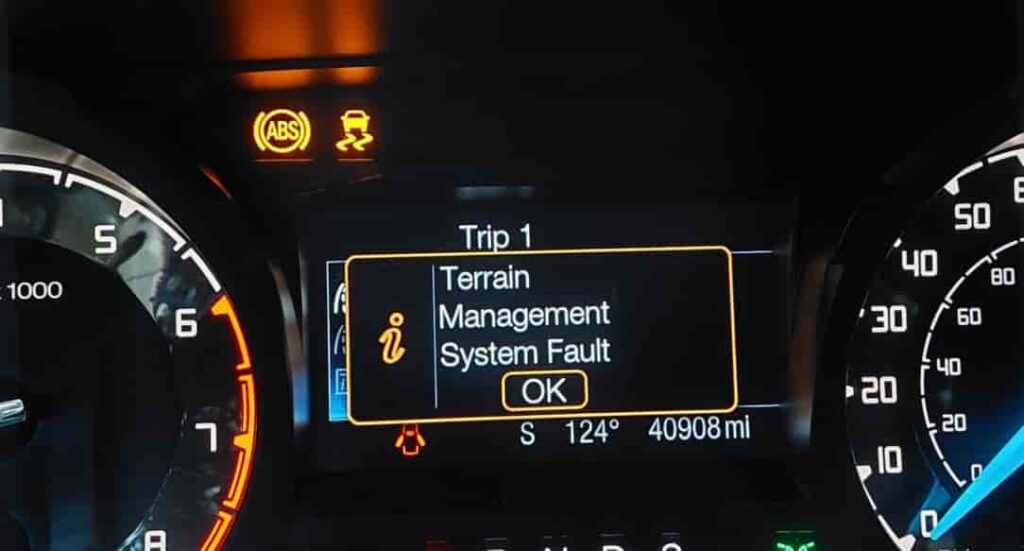
Driving a modern SUV or off-road vehicle offers an exciting blend of comfort and capability. However, nothing disrupts that experience faster than a warning on your dashboard. The Terrain Management System Fault Message can appear unexpectedly, leaving drivers confused and worried about their vehicle’s performance. This system helps optimize traction, stability, and handling across various terrains, and any malfunction can affect both comfort and safety. Sensor failures, software glitches, or electrical issues can trigger the fault message. Knowing the cause helps you respond effectively and avoid unnecessary trips to the dealership.
Beyond identifying the cause, drivers can take practical steps to address the issue immediately. Learning expert tips on preventing errors also extends the lifespan of the Terrain Management System. This guide will explore common causes, effective fixes, and professional advice for handling the Terrain Management System Fault Message. By following these insights, drivers can maintain safety and efficiency while enjoying off-road adventures without interruptions.
Contents
Common Causes of Terrain Management System Fault Message
The Terrain Management System Fault Message is one of the most common warnings SUV and off-road drivers encounter. Understanding its causes can save time, reduce stress, and protect your vehicle. One of the main reasons this message appears is sensor failure. The Terrain Management System relies on several sensors to monitor wheel speed, traction, and terrain conditions. When a sensor malfunctions or provides inaccurate readings, the system triggers a warning to alert the driver.
Another frequent cause involves software glitches or outdated firmware. Modern SUVs use advanced software to process sensor data and adjust driving modes in real time. Any error or outdated version can confuse the system and generate a fault message even if all hardware components work correctly. Electrical issues also play a significant role. Loose connections, corroded wiring, or battery problems can interfere with communication between sensors and the control module. Environmental factors like mud, snow, or extreme heat can also block sensors or affect their accuracy.
Recognizing these common causes helps drivers determine whether the issue can be resolved at home or requires professional attention. Regular sensor maintenance, timely software updates, and checking electrical connections are key preventive steps. By addressing these potential triggers proactively, drivers can avoid unexpected interruptions and ensure that their Terrain Management System Fault Message does not compromise vehicle safety or off-road performance.
How to Fix Terrain Management System Fault Message
Dealing with a Terrain Management System Fault Message can feel stressful, but many issues can be resolved with simple steps. The first action is to check the vehicle’s sensors. Ensure they are clean and free from mud, snow, or debris, which can block readings. Inspect wiring and connections for damage or corrosion, as faulty electrical connections often trigger the warning.
If the sensors and wiring appear fine, the next step is to restart the vehicle. Many modern SUVs have systems that reset automatically when the ignition is turned off and back on. This simple step can clear temporary faults caused by software glitches. If the fault message persists, updating or reinstalling the vehicle’s software may help. Manufacturers frequently release firmware updates to improve system performance and fix bugs that could cause false warnings.
For persistent or unclear issues, professional inspection is recommended. A certified technician can run a diagnostic check to identify the exact cause and perform repairs safely. Avoid ignoring the warning, as unresolved faults may affect vehicle handling, traction, and overall safety. Following these steps ensures drivers can address the Terrain Management System Fault Message efficiently, maintain optimal SUV performance, and reduce costly repairs in the future. Regular maintenance and software updates remain the best preventive measures to keep the system functioning reliably.
Expert Tips to Avoid Terrain Management System Fault Message
Preventing a Terrain Management System Fault Message starts with regular vehicle maintenance. Keep all sensors clean and free from dirt, mud, or snow. Check connections and wiring periodically to ensure there is no damage or corrosion. Maintaining a healthy battery and electrical system also reduces the chance of unexpected warnings.
Updating the vehicle’s software is another key preventive step. Manufacturers release firmware updates to improve system performance and fix known bugs. Installing updates on time ensures the Terrain Management System operates efficiently and minimizes false fault messages. Drivers should also pay attention to driving conditions and select the appropriate terrain mode. Using the correct mode helps the system function as designed and prevents unnecessary stress on sensors and electronic components.
Finally, adopt safe off-road practices. Avoid driving through deep water, mud, or areas with excessive debris that can block or damage sensors. If you frequently drive in challenging conditions, schedule periodic professional inspections. A certified technician can check the system’s performance, calibrate sensors, and recommend preventive measures. By following these expert tips, drivers can minimize the occurrence of the Terrain Management System Fault Message, maintain vehicle safety, and enjoy consistent off-road performance without interruptions.
Conclusion
The Terrain Management System Fault Message is an important warning that should never be ignored. Understanding its common causes, knowing how to fix it, and following expert tips for prevention ensures drivers can maintain vehicle safety and optimal performance. Sensor issues, software glitches, and electrical problems are the most frequent triggers, but proper maintenance and timely software updates can prevent many faults before they occur.
By addressing problems early and using the recommended fixes, drivers can reduce unnecessary visits to the dealership and avoid costly repairs. Following preventive tips, such as keeping sensors clean, checking connections, and selecting the correct terrain mode, helps the system function reliably and keeps SUV performance consistent. Staying proactive not only protects the vehicle but also ensures a safer and more enjoyable off-road experience.
Have you ever encountered a Terrain Management System Fault Message while driving? Share your experience or tips in the comments below. Discussing solutions with fellow drivers can help everyone handle these warnings more effectively and maintain their vehicles in top condition.