Techron and Seafoam are popular fuel treatment products for vehicle maintenance. Both products can help drivers maintain their fuel systems. However, they serve different purposes and suit different maintenance needs.
Techron focuses on cleaning deposits from key parts of the fuel system. These parts include fuel injectors, intake valves, carburetors, and combustion chambers. Seafoam takes a broader approach to fuel treatment. It supports fuel system cleaning, lubrication, fuel stabilization, and engine maintenance.
So, which fuel system cleaner should you choose? The answer depends on your vehicle and your maintenance goal. Techron may suit drivers who want a product focused on fuel system deposit removal. Seafoam may suit drivers who want broader fuel treatment and maintenance.
This comparison examines Techron and Seafoam across several important factors. These factors include fuel injector cleaning, deposit removal, engine performance, fuel economy, ease of use, and regular maintenance. The goal is not to name one universal winner. Instead, this guide explains where each product fits and which option makes more sense for different vehicle needs.
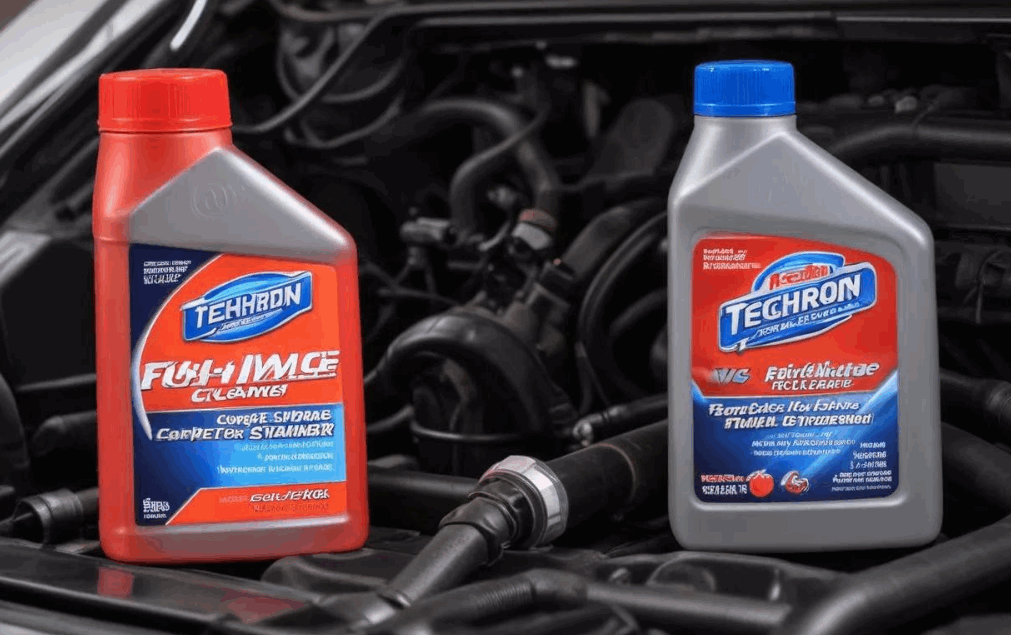
What Is the Difference Between Techron and Seafoam?
Techron and Sea Foam both treat fuel systems, but they serve different purposes. Techron Complete Fuel System Cleaner focuses on deposits in gasoline engines. Chevron states that it cleans fuel injectors, carburetors, intake valves, and combustion chambers. The product also targets deposits that can affect engine power and fuel economy.
Sea Foam Motor Treatment takes a broader approach to fuel and engine maintenance. Sea Foam states that the product works with both gasoline and diesel engines. When added to fuel, it passes through fuel injectors and carburetors. It helps clean residues from fuel passageways, intake valves, pistons, and chamber areas. It also supports fuel stabilization and lubrication.
The main difference is the scope of each product. Techron Complete Fuel System Cleaner focuses on cleaning deposits in gasoline fuel systems. Sea Foam Motor Treatment covers several fuel and engine maintenance tasks. These tasks include fuel system cleaning, fuel stabilization, and lubrication.
For a gasoline vehicle that needs focused fuel system cleaning, Techron offers a more specific application. For broader fuel treatment, Sea Foam offers more uses. Your maintenance goal should therefore guide the choice between the two products.
Which Is Better for Cleaning Fuel Injectors, Techron or Seafoam?
Techron is the more focused choice when fuel injector cleaning is the main goal. Chevron states that Techron Complete Fuel System Cleaner cleans deposits from fuel injectors, carburetors, intake valves, and combustion chambers. These deposits can restrict fuel flow and affect acceleration, power, and fuel economy. Techron targets these deposits with detergents that break down carbon buildup inside the fuel system.
Sea Foam also cleans fuel injectors, but it takes a broader approach. Sea Foam states that Motor Treatment cleans and lubricates critical engine areas. It also removes fuel residues and deposits from injectors, valves, carburetors, and chambers. The product works with both gasoline and diesel fuel. This makes Sea Foam useful when injector cleaning forms part of a wider fuel maintenance routine.
The main difference comes from the intended use of each product. Techron Complete Fuel System Cleaner focuses on gasoline fuel system deposits. Sea Foam Motor Treatment combines cleaning with fuel stabilization and lubrication. Techron therefore fits a focused gasoline deposit cleaning goal. Sea Foam fits drivers who want injector cleaning alongside broader fuel treatment.
Your vehicle also matters when choosing between them. Chevron specifically designs Complete Fuel System Cleaner for gasoline spark ignition engines. Sea Foam Motor Treatment supports both gasoline and diesel applications. If your vehicle uses gasoline and you want targeted injector and fuel system cleaning, Techron offers the more specific fit. If you want broader fuel treatment, Sea Foam provides more functions in one product.
Which Is Better for Removing Fuel System Deposits?
Techron offers a more focused approach to removing carbon deposits from gasoline fuel systems. Chevron states that Techron Complete Fuel System Cleaner targets deposits in fuel injectors, carburetors, intake valves, and combustion chambers. The product uses detergents to break up stubborn carbon deposits. These deposits can affect fuel delivery, engine power, acceleration, and fuel economy.
Sea Foam Motor Treatment also targets fuel system residues and deposits. Sea Foam states that the product works through fuel injectors and carburetors. It helps remove residues from fuel passageways, intake valves, pistons, and chamber areas. Sea Foam also combines cleaning with lubrication and fuel stabilization. This gives the product a broader fuel treatment role.
The difference becomes clearer when you look at the type of cleaning each product targets. Techron positions its Complete Fuel System Cleaner as a deep cleaning treatment for gasoline engines. Chevron recommends seasonal use to help clear deposits throughout the fuel system. Sea Foam focuses on regular fuel treatment and offers specific guidance for both gasoline and diesel fuel systems.
For gasoline engines, Techron has the stronger fit when deposit removal remains the main goal. Sea Foam makes more sense when you want deposit cleaning as part of broader fuel maintenance. Your vehicle, fuel type, and maintenance goal should guide the final choice. Neither product should replace mechanical diagnosis when deposits are not the actual cause of an engine problem.
Does Techron or Seafoam Work Better for Engine Performance?
Techron may help restore engine performance when fuel system deposits affect normal engine operation. Chevron states that deposits can reduce engine performance, fuel economy, and drivability. Techron Complete Fuel System Cleaner targets deposits in fuel injectors, intake valves, carburetors, and combustion chambers. Removing these deposits can help the engine operate closer to its intended condition.
Sea Foam also supports engine maintenance through fuel system cleaning. The manufacturer states that Sea Foam Motor Treatment cleans fuel injectors and carburetors. It also removes residues from fuel passageways, intake valves, pistons, and chamber areas. These actions support a cleaner fuel system, which can help maintain normal engine operation. Sea Foam also provides fuel stabilization and lubrication as part of its broader treatment function.
The better option depends on the problem you want to address. Techron has a stronger focus on deposit cleaning in gasoline engines. Sea Foam combines cleaning with additional fuel treatment functions. If deposits affect fuel delivery or engine response, a focused fuel system cleaner may make more sense. If you want broader fuel treatment, Sea Foam offers additional maintenance functions.
Neither product should serve as a substitute for proper engine diagnosis. Poor acceleration, rough running, starting problems, or reduced power can have several causes. Ignition faults, fuel system failures, sensor problems, and mechanical issues can also affect performance. A fuel cleaner makes the most sense when fuel deposits contribute to the problem.
Does Techron or Seafoam Improve Fuel Economy?
Techron can support fuel economy when deposits reduce normal fuel system performance. Chevron states that Techron Complete Fuel System Cleaner removes deposits from fuel injectors, intake valves, carburetors, and combustion chambers. These deposits can affect fuel delivery and engine operation. Cleaning them can help restore performance when deposits contribute to reduced fuel economy.
Sea Foam also supports fuel system maintenance that can affect normal engine operation. Sea Foam states that Motor Treatment cleans fuel injectors, carburetors, fuel passageways, intake valves, pistons, and chamber areas. The product also stabilizes fuel and lubricates engine components. These functions support a clean fuel system, but they do not guarantee better fuel economy for every vehicle.
The key point is that neither product should promise a fixed improvement in miles per gallon. Fuel economy depends on several factors. Driving habits, tire pressure, vehicle condition, engine performance, fuel quality, traffic, and load can all affect fuel consumption. A fuel system cleaner makes the most sense when deposits contribute to an existing fuel delivery or performance problem.
For drivers comparing Techron and Sea Foam for fuel economy, Techron offers a more focused deposit cleaning approach for gasoline engines. Sea Foam provides broader fuel treatment functions. Choose based on the condition of the vehicle and the maintenance goal rather than expecting either product to create a specific fuel economy gain.
Which Is Easier to Use, Techron or Seafoam?
Both Techron and Sea Foam are simple to add to fuel, but Sea Foam offers more application options. Chevron recommends adding Techron to a nearly empty fuel tank and then filling the tank with quality fuel. The exact treatment rate depends on the Techron product and the vehicle. Chevron also recommends following the instructions on the product label.
Sea Foam Motor Treatment also goes directly into the fuel tank. Sea Foam recommends 1 ounce per gallon for regular fuel system maintenance. For cleaning, the company recommends 2 or more ounces per gallon in a low fuel tank. This higher concentration increases the amount of treatment in the fuel.
Sea Foam also supports more maintenance applications. You can use it to treat fuel for storage, clean fuel systems, and support regular fuel maintenance. Sea Foam recommends 1 ounce per gallon when stabilizing stored fuel. The company also states that you should run the engine long enough to move the treated fuel through the fuel system.
Techron offers a simpler choice when you want a focused gasoline fuel system treatment. Sea Foam offers greater flexibility when you want one product for several fuel maintenance tasks. Neither product requires a complicated installation process. You simply add the correct amount to the fuel according to the product instructions. The main difference is the range of applications rather than the basic ease of adding the treatment.
Is Techron or Seafoam Better for Regular Vehicle Maintenance?
Techron and Sea Foam can both fit into a regular fuel system maintenance routine. The better option depends on the type of maintenance you want to perform. Techron focuses more directly on cleaning deposits in gasoline fuel systems. Sea Foam combines fuel system cleaning with fuel stabilization and lubrication. This difference gives each product a distinct role in routine vehicle care.
Techron Complete Fuel System Cleaner targets deposits that build up in fuel injectors, intake valves, carburetors, and combustion chambers. Chevron recommends using the product as part of regular vehicle maintenance. Its focused approach makes sense for drivers who want to address fuel system deposits in a gasoline engine. The product does not replace routine oil changes, filter replacement, inspections, or other manufacturer recommended services.
Sea Foam Motor Treatment supports a wider range of fuel maintenance tasks. The manufacturer states that it cleans fuel injectors and carburetors while also helping remove residues from fuel passageways, intake valves, pistons, and chamber areas. Sea Foam also helps stabilize fuel during storage. These additional functions make it useful for drivers who want broader fuel treatment from one product.
Regular maintenance should also follow the vehicle manufacturer’s recommendations. A fuel treatment cannot correct every cause of poor engine performance. Issues such as damaged injectors, ignition faults, worn components, or other mechanical problems require proper diagnosis.
For focused gasoline deposit cleaning, Techron has the more specific role. For broader fuel treatment and storage support, Sea Foam offers greater versatility. The best choice depends on the maintenance task rather than the product name alone.
Which Should You Choose, Techron or Seafoam?
Techron is the better fit when your main goal is focused fuel system cleaning in a gasoline engine. Chevron designed Techron Complete Fuel System Cleaner for gasoline spark ignition engines. The product targets deposits in fuel injectors, carburetors, intake valves, and combustion chambers. Chevron also recommends seasonal use to help keep the fuel system clean.
Sea Foam is the better fit when you want broader fuel treatment. Sea Foam Motor Treatment works with gasoline and diesel engines. The manufacturer says it cleans and lubricates the fuel system. It also supports fuel stabilization. Sea Foam recommends different treatment amounts for regular maintenance, cleaning, and fuel storage.
Your fuel type should guide the decision. Techron Complete Fuel System Cleaner targets gasoline engines and does not suit diesel engines. Sea Foam Motor Treatment supports both gasoline and diesel fuel systems. This difference matters when you maintain different types of vehicles or equipment.
Your maintenance goal matters just as much. Choose Techron when you want a gasoline focused deposit cleaning treatment. Choose Sea Foam when you want cleaning plus broader fuel treatment functions. Neither product should replace proper diagnosis when an engine has persistent problems. Fuel additives work best as part of a maintenance strategy, not as a substitute for mechanical repairs.
Overall, Techron has the clearer advantage for focused gasoline fuel system cleaning. Sea Foam has the broader advantage for flexible fuel treatment. The better product depends on the job you need it to perform.
Which Fuel System Cleaner Should You Choose for Your Vehicle?
Techron and Sea Foam both offer useful fuel treatment options, but they serve different maintenance goals. Techron provides a more focused approach to deposit cleaning in gasoline fuel systems. It targets deposits in fuel injectors, intake valves, carburetors, and combustion chambers. Sea Foam provides broader fuel treatment. It combines fuel system cleaning with fuel stabilization and lubrication.
Choose Techron when you want focused deposit cleaning for a gasoline engine. Choose Sea Foam when you want broader fuel treatment or need a product that supports both gasoline and diesel applications. Your vehicle’s fuel type, maintenance needs, and product instructions should guide the final decision.
Neither product can replace proper engine diagnosis or routine vehicle maintenance. A fuel system cleaner makes sense when deposits or fuel related issues affect engine operation. Persistent performance problems require further inspection because mechanical faults can produce similar symptoms.
Overall, Techron offers the more focused option for gasoline fuel system cleaning, while Sea Foam offers greater versatility for broader fuel treatment. The better choice depends on the specific job, not simply on which brand has a stronger reputation.