Have you noticed a crack suddenly appearing on your Subaru’s windshield without any obvious impact? If so, you are not alone. Over the past several years, thousands of Subaru owners have reported unexpected windshield cracks that appeared during normal driving conditions, raising concerns about vehicle safety, repair costs, and long-term reliability.
The issue has attracted significant attention from drivers, automotive experts, and safety regulators alike. In many cases, owners claimed that small chips quickly expanded into large cracks, sometimes affecting critical driver-assistance systems such as Subaru’s EyeSight technology. Since modern windshields play an important role in both structural integrity and visibility, even minor damage can become a serious safety concern.
As a result, Subaru has faced increased scrutiny regarding windshield-related complaints on several popular models. Many owners are now asking whether their vehicles are affected by a recall, warranty extension, or service campaign.
In this guide, we will explore everything you need to know about the Subaru Windshield Recall, including the models most commonly associated with windshield issues, the causes behind these problems, how to check your Vehicle Identification Number (VIN), and the steps you should take if your Subaru is affected.
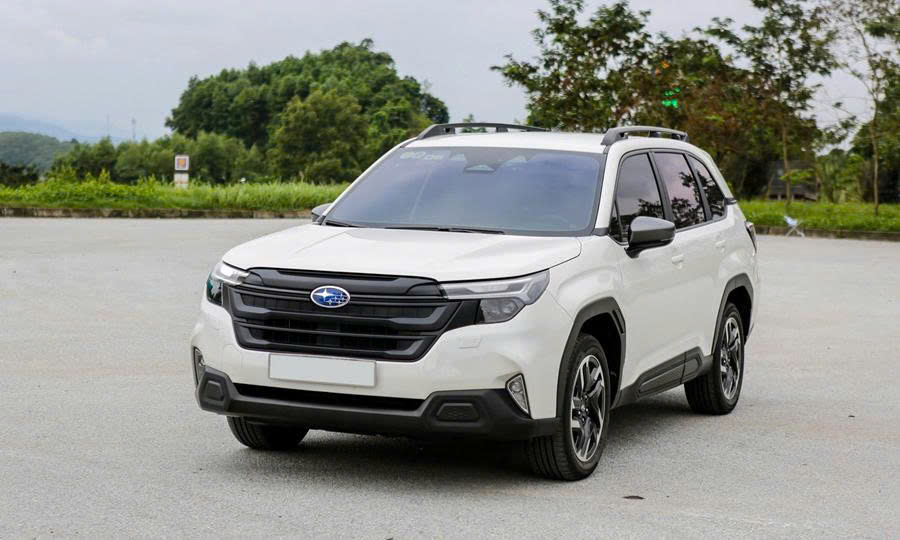
What Is the Subaru Windshield Recall?
A vehicle recall is a corrective action taken by an automaker when a defect or safety concern is identified in one or more vehicle models. Recalls are typically issued to protect drivers and passengers from potential hazards and are often performed at no cost to the vehicle owner.
The Subaru Windshield Recall refers to a series of windshield-related concerns that have affected certain Subaru vehicles over the years. While not every complaint resulted in a formal recall, the issue became significant due to the large number of owners reporting unusually fragile windshields. Many drivers claimed that cracks developed from seemingly minor impacts or even appeared without any clear cause.
A windshield is far more than a piece of glass. It contributes to the vehicle’s structural strength, supports proper airbag deployment, and provides a mounting surface for advanced safety technologies. In modern Subaru vehicles equipped with EyeSight Driver Assist Technology, the windshield also houses cameras that monitor traffic conditions and help support features such as adaptive cruise control, lane departure warning, and pre-collision braking.
When windshield damage occurs near these cameras, the system’s accuracy can be compromised. This has made the issue particularly concerning for Subaru owners who rely on these safety features every day. As complaints increased, Subaru investigated multiple reports and introduced repair programs, warranty extensions, and service campaigns for certain vehicles.
What Causes Windshield Problems in Subaru Vehicles?
Several factors may contribute to windshield cracking issues reported by Subaru owners. Understanding these causes can help drivers identify potential risks and take preventive action before small problems become expensive repairs.
One commonly discussed factor is the use of lightweight windshield designs. Modern automakers continuously seek ways to improve fuel efficiency and vehicle performance by reducing overall weight. While lighter glass offers benefits, some experts believe it may be more susceptible to damage from road debris and environmental stress.
Another possible cause involves structural stress around the windshield frame. As a vehicle travels over uneven roads, vibrations and body flex can create pressure points around the glass. Over time, these forces may contribute to crack formation, especially if a small chip already exists.
Temperature fluctuations can also play a major role. Windshields constantly expand and contract as temperatures change throughout the day. During hot summers or cold winters, sudden shifts in temperature may accelerate crack growth. A tiny chip that seems harmless in the morning can become a long fracture by the evening.
For many Subaru owners, the most frustrating aspect is the financial burden. Windshield replacement costs can easily reach hundreds or even thousands of dollars, particularly for vehicles equipped with EyeSight cameras that require recalibration after installation. This combination of safety concerns and repair expenses explains why windshield complaints continue to receive widespread attention.
Subaru Models Commonly Associated with Windshield Complaints
Several Subaru models have been repeatedly mentioned in owner reports, service discussions, and legal filings related to windshield durability concerns. While not every vehicle experiences problems, these models are among the most frequently discussed.
Subaru Forester
The Subaru Forester is one of the models most commonly associated with windshield complaints. Owners have reported cracks developing shortly after purchase, often without a significant impact event. Some drivers claim that small chips spread rapidly across the glass, requiring complete replacement.
The Forester’s popularity has made it a focal point in discussions surrounding windshield durability. Because many families rely on this model for daily transportation and long-distance travel, windshield reliability remains a major concern for owners.
Subaru Outback
The Subaru Outback has also generated a significant number of windshield-related reports. Many complaints involve cracks forming near the area where the EyeSight camera system is mounted.
Since the Outback is widely used for road trips and outdoor adventures, drivers often encounter changing weather conditions and varying road surfaces. These factors may contribute to windshield stress and accelerate existing damage.
Subaru Ascent
As Subaru’s largest family SUV, the Ascent has attracted attention from owners who reported repeated windshield replacements. Some drivers claimed that newly installed windshields experienced similar cracking issues within a relatively short period.
Given the vehicle’s role as a family-oriented SUV, concerns about passenger safety and repair costs have become especially important for Ascent owners.
Subaru Legacy
The Subaru Legacy has also appeared in discussions regarding windshield durability. While reports are generally less frequent than those involving the Forester or Outback, some owners have described unexpected crack formation and concerns about glass strength.
Other Subaru Models
Additional reports have occasionally involved the Subaru Crosstrek, Impreza, and WRX. Although these vehicles are not as frequently mentioned as the Forester, Outback, or Ascent, owners should still monitor windshield condition and check for any recall or service campaign updates that may apply to their specific vehicle.
Signs Your Subaru May Be Affected
Not every windshield crack indicates a recall-related issue, but certain warning signs may suggest that your vehicle is experiencing the same problems reported by other Subaru owners. Recognizing these symptoms early can help you address the issue before it becomes a major safety concern.
One of the most common signs is a crack that appears without an obvious cause. Many owners have reported discovering damage after their vehicle was parked overnight or after driving on normal roads without any noticeable impact from rocks or debris.
Another warning sign is rapid crack expansion. A small chip that quickly spreads across a large portion of the windshield within a few days may indicate excessive stress within the glass. This can reduce visibility and increase the likelihood of complete windshield failure.
You may also hear unusual popping or cracking sounds during significant temperature changes. These noises can occur when the glass expands or contracts and may signal existing weaknesses within the windshield structure.
For vehicles equipped with EyeSight technology, warning lights or system malfunctions can be another indication of windshield-related problems. Since the cameras rely on precise positioning and clear visibility through the glass, even minor windshield damage can interfere with system performance.
Drivers should also pay attention to visual distortions, unusual reflections, or signs of separation around the windshield edges. While these issues do not always indicate a recall-related defect, they warrant professional inspection as soon as possible.
How to Check If Your Subaru Is Included in a Recall
The most reliable way to determine whether your Subaru is affected by a recall or service campaign is by checking your Vehicle Identification Number, commonly known as the VIN.
A VIN is a unique 17-character code assigned to every vehicle. It contains important information about the vehicle’s manufacturer, model, production location, and specifications. Because recalls often apply only to specific production periods, the VIN provides the most accurate way to verify eligibility.
You can usually find your Subaru’s VIN in several locations. The most common location is on the driver’s side dashboard near the base of the windshield. It can also be found on the driver’s door jamb, vehicle registration documents, and insurance paperwork.
Once you have located the VIN, visit Subaru’s official recall lookup page or the website of the relevant transportation safety authority in your country. Enter the VIN exactly as shown and review the results. If an open recall exists, the system will provide details about the issue and any available remedies.
Owners who prefer direct assistance can also contact an authorized Subaru dealership. A service representative can verify recall status, explain available repair options, and answer questions regarding warranty coverage or reimbursement programs.
Checking your VIN only takes a few minutes and can provide valuable peace of mind. It is one of the simplest ways to ensure that your vehicle remains safe and compliant with manufacturer recommendations.
What to Do If Your Vehicle Is Affected by the Subaru Windshield Recall
If your Subaru is listed as part of a recall, service campaign, or warranty extension program, it is important to act promptly. Delaying repairs could increase safety risks and potentially lead to more extensive damage.
The first step is to schedule an inspection with an authorized Subaru dealership. During the appointment, technicians will evaluate the windshield and determine whether the damage falls within the scope of the recall or repair program.
If the issue qualifies for coverage, Subaru may provide windshield replacement, repair services, or other corrective actions depending on the specific campaign. In many cases, these repairs are performed at no cost to the owner.
Vehicles equipped with EyeSight technology often require additional calibration after windshield replacement. This process ensures that the cameras and driver-assistance systems function correctly and continue to provide accurate safety support. Proper calibration is essential because even slight misalignment can affect the performance of adaptive cruise control, lane-keeping assistance, and collision avoidance features.
Owners should also keep copies of all service records, repair invoices, and dealership communications. These documents may be useful if future warranty claims, reimbursement requests, or legal matters arise.
Most importantly, do not ignore windshield damage simply because it appears minor. Small cracks can grow unexpectedly and may compromise both visibility and vehicle safety. Addressing the issue early is often the most effective way to protect your investment and ensure a safe driving experience.
Frequently Asked Questions About the Subaru Windshield Recall
Does Subaru Replace Windshields for Free?
The answer depends on the specific recall, service campaign, or warranty extension applicable to your vehicle. If your Subaru is included in an active recall related to windshield defects, repairs or replacements are typically provided at no cost to the owner. Always verify eligibility using your VIN and consult an authorized Subaru dealership for the most accurate information.
What If My Subaru Is No Longer Under Warranty?
Even if your vehicle is outside the standard warranty period, you may still qualify for coverage under a recall or special service program. Some manufacturers offer extended coverage for known issues affecting specific models. Checking your VIN is the best way to determine whether any assistance remains available.
Is the Replacement Windshield More Durable?
In many cases, replacement windshields incorporate updated materials, manufacturing improvements, or revised installation procedures. While no windshield is completely immune to damage, replacement components installed through authorized repair channels are generally intended to address known concerns and meet current safety standards.
Can I Continue Driving With a Cracked Windshield?
Driving with a cracked windshield is not recommended. Even a small crack can expand unexpectedly due to road vibrations, temperature changes, or additional impacts. More importantly, windshield damage may reduce visibility and affect the performance of safety systems such as Subaru EyeSight.
How Long Does Windshield Replacement Take?
The actual replacement process may take only a few hours. However, vehicles equipped with advanced driver-assistance systems often require camera calibration and system testing after installation. Depending on dealership scheduling and parts availability, the complete process may take anywhere from one day to several days.
Conclusion
The Subaru Windshield Recall has become an important topic for vehicle owners because windshield integrity directly affects safety, visibility, and the performance of advanced driver-assistance technologies. While not every Subaru owner will experience windshield-related issues, reports involving unexpected cracks and costly replacements have prompted many drivers to seek answers about recalls, warranty coverage, and repair options.
Understanding whether your vehicle is affected starts with a simple VIN check. This quick step can help identify active recalls, service campaigns, or warranty extensions that may save you significant repair costs while ensuring your vehicle remains safe to operate. Owners of popular models such as the Forester, Outback, Ascent, and Legacy should be particularly proactive in monitoring updates and addressing any signs of windshield damage as early as possible.
If you currently own a Subaru and have noticed unexplained windshield cracks, do not wait for the problem to worsen. Check your VIN, contact an authorized Subaru dealership, and learn about the options available to you. Taking action today can help protect your investment, preserve critical safety features, and provide greater peace of mind every time you get behind the wheel.
By staying informed about the Subaru Windshield Recall and following the recommended inspection and repair procedures, you can ensure that your vehicle continues to deliver the safety and reliability Subaru owners expect.