Imagine turning on your Subaru’s air conditioning during a scorching summer day only to realize that the system is blowing warm air or failing to work altogether. While many drivers assume this is simply a maintenance issue, in some cases, it could be linked to a manufacturer recall or a repair program designed to address known defects.
For Subaru owners, staying informed about vehicle recalls is an essential part of maintaining both safety and long term reliability. News surrounding a Subaru air conditioning recall can understandably raise concerns. Is your vehicle affected? Will the repairs be covered by Subaru? What steps should you take next?
Whether you currently own a Subaru or are considering purchasing a used model, understanding how recalls work can help you avoid unexpected repair costs and unnecessary stress. Ignoring a recall notice could lead to prolonged discomfort, reduced resale value, and the possibility of more extensive repairs in the future.
In this guide, we will explain what the Subaru Air Conditioning Recall means, identify the models that may be affected, outline the warning signs of air conditioning problems, and walk you through the process of checking your vehicle identification number (VIN). By the end of this article, you will have the information you need to determine whether your Subaru requires attention and what actions to take to keep your vehicle performing at its best.
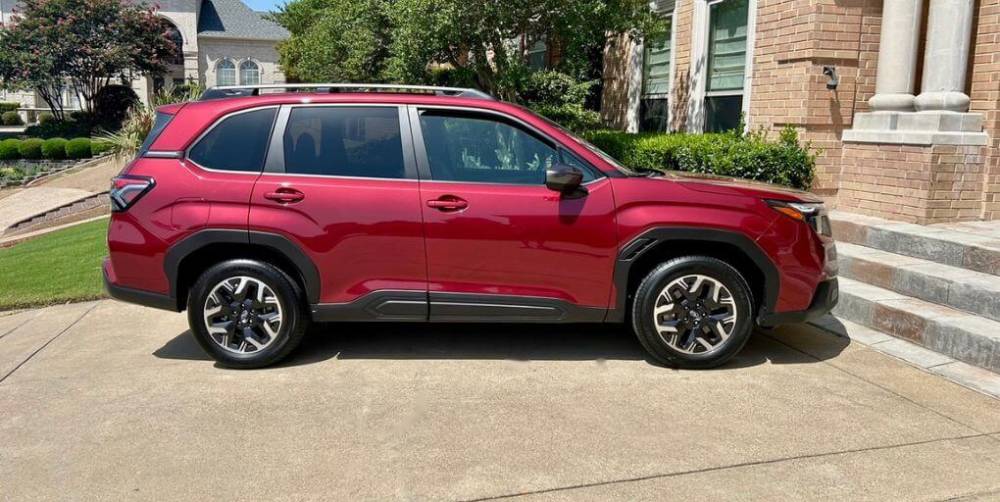
What Is the Subaru Air Conditioning Recall?
A vehicle recall is a formal action taken by an automaker to address defects that may affect a vehicle’s safety, performance, or compliance with regulatory standards. When a recall is issued, manufacturers are typically required to notify affected owners and provide repairs at no cost.
When discussing a Subaru Air Conditioning Recall, it is important to understand that not every air conditioning issue automatically results in an official recall. Some concerns may instead be handled through technical service bulletins or warranty extensions. However, when a widespread defect is identified, Subaru may implement a recall campaign to ensure that affected vehicles receive the necessary repairs.
Air conditioning problems can significantly impact driving comfort, especially in regions with extreme temperatures. Symptoms such as weak airflow, inconsistent cooling performance, unusual noises from the compressor, or complete system failure should never be ignored. In certain situations, these issues may indicate underlying component defects that require professional inspection.
For Subaru owners, staying informed about recalls is an important aspect of responsible vehicle ownership. Taking prompt action can help minimize inconvenience, prevent escalating repair costs, and maintain the long term value of the vehicle. If you suspect that your Subaru may be affected, checking your VIN should be your first step.
Which Subaru Models May Be Affected?
Not all Subaru vehicles are subject to the same service campaigns or recall actions. The specific models and production years involved can vary depending on the nature of the defect and the region in which the vehicle was sold. This is why owners should avoid relying solely on online discussions or anecdotal reports when determining whether their vehicle is affected.
Subaru Forester owners have occasionally reported concerns related to air conditioning performance, including inadequate cooling and compressor related issues. Buyers considering a used Forester should review the vehicle’s maintenance history and verify whether all recall work has been completed.
Subaru Outback models have also been the subject of owner complaints involving inconsistent cabin cooling and unusual sounds during air conditioner operation. While not every complaint leads to a recall, recurring issues may prompt manufacturer investigations and service actions.
Drivers of Subaru Crosstrek and Impreza vehicles should likewise remain attentive to any decline in air conditioning performance. Delayed cooling, reduced airflow, and unexpected noises may warrant further evaluation by an authorized Subaru dealer.
Other Subaru models, including the Legacy, WRX, Ascent, and BRZ, may also be subject to future recalls or service campaigns depending on emerging data and manufacturer findings. The most reliable method for confirming your vehicle’s status remains an official VIN lookup.
Common Signs of Air Conditioning Problems in Subaru Vehicles
Recognizing the early warning signs of air conditioning problems can help owners address potential concerns before they worsen. Although these symptoms do not necessarily indicate that a recall applies, they should not be dismissed.
One of the most common signs is insufficient cooling. If the cabin takes significantly longer to reach a comfortable temperature or the air coming from the vents feels only mildly cool, the system may require professional diagnosis.
Unusual noises are another potential warning sign. Grinding, squealing, or rattling sounds originating from the compressor area could suggest component wear or malfunction. Continuing to operate the system without inspection may increase the likelihood of additional damage.
Drivers should also pay attention to weak airflow from the vents. Reduced airflow may indicate issues involving the blower motor, cabin air filter, or other parts of the HVAC system. If changing fan settings has little effect on airflow intensity, further evaluation is recommended.
Finally, unpleasant odors inside the cabin should never be overlooked. Musty smells can result from moisture accumulation and microbial growth within the system, while burning odors may point to electrical concerns that require immediate attention.
Identifying these symptoms early and arranging an inspection when necessary can improve comfort, reduce repair expenses, and ensure that any applicable recall related repairs are completed as soon as possible.
How to Check If Your Subaru Is Included in an Air Conditioning Recall
If you suspect that your Subaru may be affected by an air conditioning recall, the good news is that verifying your vehicle’s status is a straightforward process. Taking a few minutes to complete this check can provide peace of mind and help you avoid unnecessary repair expenses.
The first step is to locate your Vehicle Identification Number, commonly known as the VIN. This unique 17 character code can usually be found on the driver’s side dashboard near the windshield. It may also appear on the certification label inside the driver’s side door frame, on your vehicle registration documents, or within your insurance paperwork.
Once you have your VIN, visit Subaru’s official recall lookup tool or the website of the relevant transportation safety authority in your country. Enter the VIN exactly as it appears on the vehicle documentation and submit the search request. The system will indicate whether any open recalls currently apply to your Subaru.
If an active recall is listed, review the details carefully. The information typically includes a description of the issue, the affected components, and instructions regarding the next steps. In many cases, owners will be directed to contact an authorized Subaru retailer to arrange the required repairs.
For additional assistance, you can call a local Subaru dealership and provide your VIN over the phone. Service advisors can confirm whether your vehicle is included in a recall campaign and explain the repair process in greater detail.
Checking your VIN periodically is a smart habit, especially if you purchased a used Subaru or recently moved to a different region. Recall notices can sometimes be overlooked, and staying informed helps ensure that your vehicle remains in optimal condition.
What Should You Do If Your Subaru Is Affected?
Discovering that your vehicle is included in a recall can be concerning, but the situation is often easier to resolve than many owners expect. The key is to act promptly and follow the guidance provided by Subaru.
Begin by contacting an authorized Subaru dealership to schedule a service appointment. Inform the service department that your vehicle has an open recall related to the air conditioning system and provide your VIN for verification. This allows the dealership to prepare the necessary parts and allocate sufficient time for the repair.
Before your appointment, ask whether the recall repair will be completed free of charge. Official recalls generally involve no cost to the vehicle owner, although policies may vary depending on the nature of the service campaign and regional regulations.
It is also helpful to inquire about the estimated repair timeline. Some repairs can be completed within a few hours, while others may require additional diagnostic procedures or parts availability. Understanding the expected timeframe allows you to plan alternative transportation if necessary.
After the work has been completed, request documentation confirming that the recall service has been performed. Keeping these records can be beneficial for future maintenance, warranty discussions, and potential resale transactions.
Most importantly, do not postpone recall related repairs. Addressing known defects in a timely manner helps preserve your vehicle’s reliability and can prevent minor issues from developing into more costly problems.
Does a Subaru Air Conditioning Recall Affect Used Car Buyers?
For individuals shopping for a pre owned Subaru, recall history should be an essential part of the purchasing process. While a completed recall does not automatically make a vehicle undesirable, an unresolved recall may create future inconvenience and uncertainty.
Prospective buyers should always request the VIN from the seller before making a purchase decision. Running a recall check can reveal whether the vehicle has outstanding repairs that still need to be addressed. This information provides valuable insight into the car’s maintenance history and overall condition.
If the vehicle was previously subject to a recall, ask the seller for service records or invoices demonstrating that the required repairs have been completed. Documentation from an authorized Subaru dealership can offer reassurance and support the vehicle’s value.
A Subaru that has received all recommended recall repairs may actually represent a more confident purchase. The necessary corrective actions have already been carried out, reducing the likelihood of future complications associated with the identified defect.
On the other hand, ignoring recall status can expose buyers to unexpected repair appointments shortly after taking ownership. Conducting thorough research before finalizing the purchase helps ensure a smoother ownership experience and reduces the risk of unforeseen expenses.
Whether you are an existing Subaru owner or a potential buyer, understanding recall history empowers you to make informed decisions. A simple VIN check today can save significant time, money, and frustration in the future.
Frequently Asked Questions About Subaru Air Conditioning Recalls
Are Subaru air conditioning recall repairs free?
In most cases, official recall repairs are performed at no cost to the vehicle owner. Automakers are generally responsible for correcting defects covered under a recall campaign. However, owners should confirm the details with an authorized Subaru dealership, as eligibility requirements and regional regulations may vary.
Can I continue driving my Subaru if it has an open recall?
The answer depends on the nature of the recall. Some recalls address issues that primarily affect comfort and convenience, while others may have broader implications for vehicle safety or reliability. Owners should review the recall notice carefully and follow Subaru’s recommendations regarding repair scheduling. Delaying necessary repairs can increase the risk of further complications.
How often should I check my Subaru for recalls?
Checking for recalls once or twice a year is a good practice, especially if you own an older Subaru or purchased the vehicle second hand. You should also perform a recall lookup whenever you receive a notification from Subaru or before buying a used vehicle. Staying proactive ensures that any newly issued recalls are addressed promptly.
What if I purchased my Subaru used?
Used vehicle owners are generally entitled to receive recall repairs if the recall remains open and applies to the vehicle. Ownership changes do not usually eliminate eligibility for official recall services. Providing the VIN to an authorized Subaru retailer can help determine whether your vehicle qualifies for outstanding repairs.
Will an open recall affect my vehicle’s resale value?
An unresolved recall may raise concerns among potential buyers and could influence negotiations during the selling process. Completing all applicable recall repairs and maintaining proper documentation can strengthen buyer confidence and support your vehicle’s market value.
Conclusion
Learning about a potential Subaru Air Conditioning Recall can be unsettling, particularly if you rely on your vehicle every day. Fortunately, determining whether your Subaru is affected is a simple process that requires only a few minutes of your time. By locating your VIN and checking official recall resources, you can quickly identify any open campaigns related to your vehicle.
Understanding the signs of air conditioning problems, staying informed about recall announcements, and scheduling repairs without unnecessary delays are all important aspects of responsible vehicle ownership. Taking these steps not only improves driving comfort but also helps protect the long term reliability and resale value of your Subaru.
If you currently own a Subaru, make it a habit to review your vehicle’s recall status periodically. If you are considering purchasing a used Subaru, verifying recall history should be part of your pre purchase checklist. A small investment of time today can help you avoid unexpected expenses and unnecessary stress tomorrow.
When it comes to recalls, informed owners are empowered owners. Check your Subaru’s recall status, address any outstanding repairs, and enjoy greater confidence every time you get behind the wheel.