An empty coolant reservoir does not always cause immediate engine overheating because the radiator and engine cooling passages may still contain enough coolant to regulate engine temperature. However, an empty reservoir can indicate a coolant leak, trapped air, a faulty pressure cap, or an internal engine problem. Even when the temperature gauge reads normal, low coolant levels can compromise the cooling system and increase the risk of engine damage.
The coolant reservoir stores excess coolant as it expands with heat and, depending on the cooling system design, supplies coolant as the engine cools. When the reservoir becomes empty, the cooling system may continue operating temporarily, but the remaining coolant level and system pressure determine whether the engine can maintain a safe operating temperature. A normal dashboard reading does not guarantee that the cooling system contains enough coolant.
Common causes of an empty coolant reservoir include leaking radiator hoses, a cracked expansion tank, a failing water pump seal, a defective radiator cap, and coolant loss through a damaged head gasket. Identifying the cause requires checking coolant levels with the engine completely cold, inspecting for leaks, and testing the cooling system when necessary.
This guide explains why a coolant reservoir can be empty without overheating, whether driving is safe, how to diagnose coolant loss, and which repairs can restore proper cooling system operation.
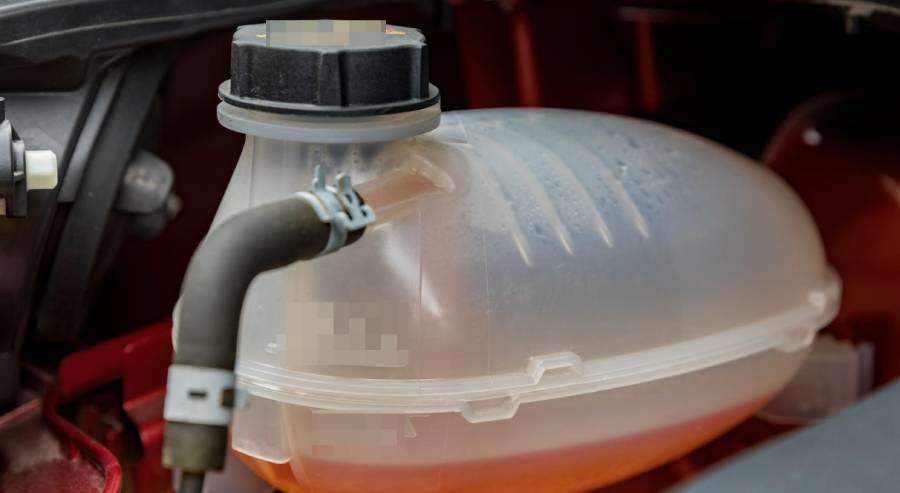
Why Is My Coolant Reservoir Empty but My Engine Not Overheating?
Your coolant reservoir can be empty without the engine overheating because the radiator, engine block, and cylinder head may still contain enough coolant to absorb and transfer heat. The reservoir is only one part of the cooling system, so an empty tank does not necessarily mean the entire system has lost its coolant. However, the significance of an empty reservoir depends on whether your vehicle uses a non-pressurized overflow tank or a pressurized expansion tank.
In a conventional overflow system, the radiator holds most of the coolant, while the reservoir collects excess fluid as coolant expands during engine operation. When the engine cools, a vacuum draws coolant back into the radiator through the pressure cap. If the reservoir becomes empty but the radiator remains full, the engine may continue maintaining its normal operating temperature. However, the system may draw air instead of coolant into the radiator during subsequent cooling cycles, eventually reducing cooling efficiency.
In vehicles equipped with a pressurized expansion tank, the reservoir forms part of the sealed cooling circuit. An empty expansion tank is more concerning because it can indicate insufficient coolant within the pressurized system. Coolant loss can introduce air pockets, disrupt circulation, and reduce heat transfer around critical engine components, including the cylinder head and combustion chambers.
A normal temperature gauge also does not guarantee that the coolant level is safe. The engine coolant temperature sensor measures temperature at a specific location rather than monitoring the total volume of coolant. If coolant falls below the sensor or air surrounds its sensing element, the displayed temperature may not accurately represent conditions elsewhere in the engine. Additionally, some dashboard gauges remain near the middle across a range of normal operating temperatures, making gradual changes difficult to detect.
An empty coolant reservoir with a normal temperature reading should therefore be treated as a potential cooling system problem, not proof that the engine is operating safely. Check the coolant level only after the engine has cooled completely, and investigate unexplained coolant loss before continuing normal driving.
Is It Safe to Drive With an Empty Coolant Reservoir?
Driving with an empty coolant reservoir is not considered safe until you confirm that the cooling system contains sufficient coolant and has no active leaks. Although the engine may maintain a normal operating temperature temporarily, an empty reservoir can indicate coolant loss that reduces the system’s ability to control engine heat. Continuing to drive without identifying the cause increases the risk of sudden overheating, cylinder head damage, and head gasket failure.
The level of risk depends on the cooling system design and the amount of coolant remaining. In vehicles with a non-pressurized overflow reservoir, the radiator may still contain enough coolant for normal circulation. However, an empty pressurized expansion tank can indicate a more immediate cooling system problem. As coolant levels decrease, air can enter the system, interfere with coolant circulation, and create localized hot spots even before the dashboard temperature gauge indicates overheating.
How Long Can You Drive With an Empty Coolant Reservoir?
There is no guaranteed safe driving distance or time with an empty coolant reservoir. An engine may continue operating at a normal temperature while sufficient coolant remains in the radiator and engine passages, but overheating can develop rapidly once coolant circulation becomes inadequate.
For example, a vehicle with a full radiator and an empty overflow bottle may initially maintain a normal temperature during a short trip. However, repeated heating and cooling cycles can draw air into the radiator instead of coolant, gradually reducing the available coolant volume. A vehicle with an active hose leak or an empty pressurized expansion tank may face a more immediate risk.
The safest approach is to stop in a safe location, allow the engine to cool completely, and inspect the coolant level according to the manufacturer’s instructions. Do not continue driving solely because the temperature gauge remains in its normal range. Arrange professional inspection or towing when coolant is missing from the main cooling circuit, the reservoir empties repeatedly, or the cause of coolant loss remains uncertain.
When Should You Stop Driving Because of Low Coolant?
Stop driving immediately when low coolant is accompanied by overheating warnings, steam, rapid coolant loss, or abnormal engine temperature readings. These symptoms indicate that the cooling system may no longer be controlling engine heat effectively.
Four warning signs require particular attention:
1. High engine temperature: The temperature gauge moves toward the red zone, or the dashboard displays an engine temperature warning. This indicates that the engine has reached or exceeded its monitored temperature limit.
2. Steam from the engine compartment: Steam escaping near the radiator, hoses, or reservoir can indicate boiling coolant or a pressurized leak. Escaping hot coolant can cause severe burns.
3. Sudden loss of cabin heat: A heater that unexpectedly blows cold air while the engine is warm can indicate insufficient coolant circulation or air trapped in the heater core, particularly when accompanied by other cooling system symptoms.
4. Rapid coolant loss: Coolant dripping heavily beneath the vehicle, spraying from a damaged hose, or escaping from a cracked reservoir indicates an active leak that can quickly reduce the coolant supply.
When these symptoms occur, pull over safely, switch off the engine, and allow the cooling system to cool completely. Never remove a radiator cap or pressurized coolant reservoir cap while the engine is hot, because escaping coolant and steam can cause serious injuries. Have the vehicle inspected before driving again.
What Causes a Coolant Reservoir to Become Empty Without Overheating?
An empty coolant reservoir without engine overheating can result from six main problems: external coolant leaks, a faulty radiator cap, trapped air, water pump seal failure, a damaged head gasket, or a cracked coolant reservoir. These problems allow coolant to escape, prevent proper coolant recovery, or change the coolant level without immediately raising engine temperature. Identifying the cause requires examining where coolant is lost and how the cooling system behaves during heating and cooling cycles.
Can External Coolant Leaks Empty the Reservoir?
External coolant leaks can gradually empty the reservoir while the engine maintains a normal operating temperature. Small leaks allow coolant to escape from hoses, radiator connections, water pump seals, or other cooling system components. The remaining coolant may continue circulating effectively until the fluid level drops far enough to affect heat transfer.
Radiator hoses can develop cracks as rubber deteriorates from repeated heat exposure and aging. Loose hose clamps and damaged radiator seams can also allow coolant to escape when system pressure increases. Some leaks occur primarily while the engine is hot, causing coolant to evaporate on engine surfaces before forming visible puddles.
Common indicators include dried white or colored coolant residue, damp hose connections, a sweet odor near the engine compartment, and coolant spots beneath the vehicle. Inspecting these areas with the engine completely cold can help identify the source before coolant loss becomes severe.
Can a Faulty Radiator Cap or Trapped Air Cause Coolant Loss?
A faulty radiator cap can cause coolant loss by failing to regulate cooling system pressure or coolant recovery, while trapped air can cause the reservoir level to drop as air is displaced by coolant. Although these problems affect coolant levels differently, both can occur without immediate engine overheating.
A radiator pressure cap contains valves that regulate pressure and, in conventional overflow systems, allow coolant to return from the reservoir as the engine cools. A damaged pressure seal can allow coolant to escape prematurely, while a defective vacuum valve can prevent coolant from returning to the radiator. This may leave the radiator low even when coolant remains in the overflow bottle. A faulty cap can also contribute to reservoir coolant loss through overflow or leakage.
Trapped air commonly appears after coolant replacement, radiator repairs, or incomplete cooling system bleeding. As the engine operates, air pockets move through the cooling passages and may eventually escape into the expansion tank. Coolant then replaces the displaced air, causing the reservoir level to decrease. A one-time drop after servicing may reflect this process, but repeated coolant loss requires further investigation.
Can a Blown Head Gasket Cause Coolant to Disappear?
A damaged head gasket can cause coolant to disappear without visible external leaks or immediate overheating. The head gasket seals the connection between the engine block and cylinder head, separating combustion chambers, coolant passages, and oil passages. When the gasket fails between a coolant passage and a combustion chamber, coolant can enter the cylinder and be expelled through the exhaust.
Early internal coolant leakage may be small enough that the engine continues maintaining its normal operating temperature. However, ongoing coolant loss can eventually reduce cooling efficiency and lead to overheating, combustion misfires, or engine damage.
Possible warning signs include persistent white exhaust vapor after the engine has warmed up, unexplained coolant loss, rough engine operation, and continuous bubbling in the coolant reservoir. These symptoms are not exclusive to head gasket failure. A combustion gas test, cooling system pressure test, or cylinder leak-down test can help confirm the diagnosis before major engine repairs are performed.
How Do You Diagnose an Empty Coolant Reservoir Without Overheating?
Diagnosing an empty coolant reservoir requires checking the coolant level, inspecting cooling system components for leaks, and testing the system for pressure loss. These steps help determine whether coolant has escaped through an external leak, entered the engine internally, or shifted within the cooling system because of trapped air. Begin with a visual inspection before using specialized diagnostic equipment.
How Do You Check Coolant Levels and Find Leaks?
Check the coolant level only when the engine is completely cold, then inspect the reservoir, radiator, hoses, and surrounding components for signs of leakage. Coolant expands as engine temperature rises, so checking the system under consistent cold conditions provides a more reliable comparison. Never remove a radiator cap or pressurized expansion tank cap while the cooling system is hot.
Locate the coolant reservoir and examine the MIN and MAX markings on its side. The coolant should reach the manufacturer’s specified cold-fill level. If the reservoir is empty, inspect the radiator coolant level only if your vehicle has an accessible radiator cap and the manufacturer’s instructions permit this procedure. Vehicles with pressurized expansion tanks require a different inspection approach because the tank forms part of the sealed cooling circuit.
Next, examine the radiator hoses, hose clamps, reservoir connections, and radiator seams. Look for wet surfaces, dried coolant deposits, discoloration, or cracks in plastic components. Inspect the water pump area for coolant residue near its shaft seal or weep hole. Small leaks may leave dried deposits rather than visible puddles because coolant can evaporate on hot engine surfaces.
Check the ground beneath the vehicle after parking and compare the reservoir level over several cold-engine inspections if the system has been confirmed safe to operate. A recurring decrease indicates coolant loss or an unresolved cooling system problem. When no external leak is visible, pressure testing can help locate leaks that only develop under operating pressure.
How Do You Pressure-Test a Cooling System?
A cooling system pressure test identifies leaks by applying controlled pressure to the cooling circuit while the engine is cold. The test reproduces pressure conditions that occur during normal engine operation, allowing technicians to locate coolant escaping through damaged hoses, radiator seams, reservoir connections, or water pump seals without heating the engine.
A cooling system pressure tester connects to the radiator filler neck or pressurized expansion tank using a compatible adapter. The technician pumps the system to the test pressure specified by the vehicle manufacturer, without exceeding the permitted limit. A pressure gauge then indicates whether the system maintains pressure during the inspection period.
A falling pressure reading suggests leakage, although the exact source must be identified through further inspection. External leaks may become visible around hose connections, the radiator, or the water pump. If pressure decreases without visible coolant escaping, an internal leak becomes a possibility. Additional diagnostic procedures, including combustion gas testing or cylinder leak-down testing, may be necessary to investigate head gasket damage.
The pressure cap should also be tested separately because a defective cap can release pressure below its specified rating or interfere with coolant recovery. A cooling system that holds pressure during a static test can still have intermittent problems, so test results must be evaluated alongside coolant loss patterns and other symptoms.
Professional pressure testing is recommended when the reservoir repeatedly empties, coolant disappears without visible leaks, or the initial inspection does not identify the cause. Accurate diagnosis prevents unnecessary component replacement and helps ensure that the cooling system can maintain proper coolant circulation and pressure.
How Do You Fix an Empty Coolant Reservoir Without Overheating?
Fixing an empty coolant reservoir requires restoring the correct coolant level, repairing any leaks, and removing trapped air from the cooling system. The appropriate repair depends on why the reservoir became empty. Adding coolant restores the fluid level but does not resolve a damaged hose, defective pressure cap, leaking water pump, or internal engine problem. Identify and correct the underlying fault before returning the vehicle to normal operation.
How Do You Refill an Empty Coolant Reservoir?
Refill an empty coolant reservoir by adding manufacturer-approved coolant to the specified cold-fill level while the engine is completely cold. Using the correct coolant formulation is essential because incompatible additives can reduce corrosion protection and cause deposits within the radiator, water pump, and engine cooling passages.
Locate the coolant reservoir and identify its MIN and MAX markings. Check the owner’s manual for the required coolant specification and whether the vehicle uses premixed coolant or concentrate that requires dilution with distilled water. Coolant color alone does not reliably identify compatibility, so follow the manufacturer’s specification rather than selecting coolant by appearance.
Remove the reservoir cap only after the cooling system has cooled completely. Slowly add the correct coolant until it reaches the specified cold-fill mark, avoiding overfilling because coolant expands as engine temperature increases. Secure the cap and inspect the reservoir and surrounding connections for visible leaks.
On vehicles with a conventional overflow reservoir, filling the bottle does not guarantee that the radiator contains enough coolant. Check the radiator separately when the manufacturer’s procedure requires it. Vehicles with pressurized expansion tanks may require a specific filling and bleeding procedure to eliminate trapped air.
Do not operate the engine simply to test the refill if the main cooling circuit may be empty or a significant leak remains unresolved. Once the system has been properly filled, repaired, and bled according to the manufacturer’s instructions, verify the coolant level again after the engine has completed a normal operating cycle and cooled completely.
How Do You Fix Coolant Leaks and Remove Trapped Air?
Fix coolant leaks by replacing or repairing the defective component, then remove trapped air using the vehicle manufacturer’s cooling system bleeding procedure. Both steps are necessary when a leak has allowed air to enter the cooling circuit. Refilling the reservoir without correcting the leak can result in repeated coolant loss and eventual overheating.
The repair depends on the location of the failure. A cracked coolant hose requires replacement with a compatible hose, while a damaged reservoir generally requires a replacement tank. Leaking radiator seams, faulty pressure caps, and worn water pump seals require component-specific repairs. A confirmed head gasket failure requires internal engine repair rather than simply adding coolant.
After repairing the leak, refill the cooling system and perform the specified bleeding procedure. Some vehicles use dedicated bleed screws to release trapped air from high points in the cooling circuit. Others require a vacuum filling tool, an electronically controlled bleeding sequence, or a manufacturer-specific procedure involving the thermostat and heater circuit.
Trapped air can interrupt coolant circulation and reduce heat transfer around the cylinder head. It can also cause fluctuating coolant levels, inconsistent cabin heater performance, and localized overheating. Removing these air pockets allows coolant to circulate through the intended passages and helps stabilize the reservoir level.
Once bleeding is complete, inspect the repaired components for leaks and confirm that the cooling system operates at its specified temperature. Recheck the coolant level after the engine cools completely. A reservoir that continues losing coolant after refilling and bleeding requires further diagnosis rather than repeated top-offs.
Can the Coolant Reservoir Be Empty While the Radiator Is Full?
Yes, the coolant reservoir can be empty while the radiator remains full, particularly in vehicles equipped with a non-pressurized coolant overflow tank. In this cooling system design, the radiator contains the primary coolant supply, while the overflow reservoir stores coolant displaced by thermal expansion. An empty overflow tank does not necessarily mean the radiator or engine cooling passages are empty.
As the engine heats up, coolant expands and increases pressure inside the cooling system. The radiator pressure cap allows excess coolant to flow into the overflow reservoir when the specified pressure is reached. When the engine cools, the contracting coolant creates a vacuum that draws fluid back from the reservoir into the radiator. If the reservoir is empty, the system may draw air instead, gradually reducing the coolant available for circulation.
However, vehicles with pressurized expansion tanks operate differently. The expansion tank forms part of the sealed cooling circuit and helps accommodate coolant expansion while maintaining system pressure. An empty pressurized tank can indicate a more serious coolant shortage, even if the dashboard temperature gauge remains normal.
The difference between an overflow reservoir and a pressurized expansion tank determines how an empty reservoir should be evaluated. Check the vehicle’s cooling system design and verify coolant levels only when the engine is completely cold. A full radiator does not eliminate the need to investigate an empty reservoir, especially when the coolant level continues to decrease.
Read more: Coolant Reservoir Cracked? Symptoms, Causes & Fixes
Why Does My Coolant Reservoir Keep Going Empty?
A coolant reservoir that repeatedly becomes empty usually indicates an unresolved coolant leak, a pressure control problem, or air being displaced from the cooling system after servicing. Coolant circulates through a closed system, so repeated fluid loss under consistent cold-engine conditions should not be dismissed as normal operation.
External leaks are a primary concern when the reservoir empties after each refill. Small cracks in radiator hoses, loose connections, damaged reservoir seams, and worn water pump seals can release coolant while the engine operates. These leaks may be difficult to detect because cooling system pressure increases with temperature, and escaping coolant can evaporate before reaching the ground.
A defective radiator cap or expansion tank pressure cap can also contribute to recurring coolant loss. When the cap fails to maintain its specified pressure, coolant may escape through the overflow or leak past the seal. In conventional overflow systems, a faulty vacuum valve or damaged recovery hose can prevent coolant from returning to the radiator during cooling cycles.
Trapped air is another explanation, particularly after a coolant flush, radiator replacement, or cooling system repair. As air pockets escape during subsequent operating cycles, coolant moves into previously air-filled passages and the reservoir level drops. However, continued decreases after proper bleeding suggest an additional problem rather than normal air removal.
Internal coolant leakage should be investigated when the reservoir repeatedly empties without visible external leaks. A damaged head gasket can allow coolant to enter the combustion chambers, where it is expelled through the exhaust. Persistent white exhaust vapor after warm-up, unexplained misfires, and combustion gases detected in the cooling system can support this diagnosis.
Repeatedly adding coolant without identifying the cause does not provide a permanent repair. Record coolant levels under consistent cold-engine conditions and arrange a cooling system pressure test when fluid loss continues. Early diagnosis helps prevent a minor cooling system defect from developing into engine overheating or expensive mechanical damage.
How Can You Prevent Your Coolant Reservoir From Running Empty?
Preventing an empty coolant reservoir requires regular coolant level checks, routine cooling system inspections, and timely repairs when coolant loss occurs. A properly maintained cooling system should retain coolant between scheduled services, apart from minor level changes caused by temperature fluctuations or air removal after maintenance. Consistent monitoring helps identify leaks and component deterioration before they lead to engine overheating.
Check the coolant reservoir when the engine is completely cold and the vehicle is parked on level ground. The coolant should remain within the manufacturer’s specified cold-fill range, typically indicated by MIN and MAX markings. Inspect the level during routine vehicle maintenance and before long trips. A noticeable or repeated decrease requires investigation rather than repeated refilling.
Inspect radiator hoses, clamps, reservoir connections, and the radiator for cracks, corrosion, dried coolant deposits, or damp surfaces. Rubber hoses deteriorate through heat exposure and aging, while plastic reservoirs can develop cracks after repeated heating and cooling cycles. Replacing damaged components before they fail helps prevent sudden coolant loss.
Use coolant that meets the vehicle manufacturer’s specifications and follow the recommended replacement interval. The correct coolant formulation protects metal components against corrosion and helps maintain the cooling system’s intended performance. Mixing incompatible coolant formulations can reduce corrosion protection or produce deposits that interfere with coolant circulation.
After coolant replacement or cooling system repairs, ensure the system is properly filled and bled according to the manufacturer’s procedure. Trapped air can cause unstable coolant levels and interfere with heat transfer. Recheck the reservoir after the engine has completed a normal operating cycle and cooled completely.
Finally, investigate unexplained coolant loss promptly, even when the temperature gauge remains normal. A cooling system pressure test can help identify hidden leaks before coolant levels become critically low. Maintaining the correct coolant level and addressing leaks early are essential to preventing overheating and protecting the engine from avoidable damage.