Experiencing a speed limited to 50 mph on your Ford can frustrate any driver. Many owners face this issue on highways or open roads, where the limitation slows down travel and affects driving confidence. The restriction usually comes from factory settings, software controls, or safety features designed to protect the engine and comply with traffic regulations. Understanding how to reset a Ford when speed is limited to 50 mph can help you regain full control over your vehicle and restore its intended performance.
This guide provides clear, step-by-step instructions to reset your Ford safely. We cover methods using the in-vehicle settings, OBD-II diagnostic tools, and professional dealer assistance. Each approach explains the tools, procedures, and safety precautions you need to follow. By applying these methods carefully, you can avoid voiding your warranty, maintain vehicle safety, and enjoy the full driving experience.
Whether you drive a Ford for daily commuting or long trips, learning to reset the speed limiter ensures smoother journeys and better control. Following this guide will save time, reduce frustration, and allow your car to perform at its full potential. These solutions make it easy for any driver to address the speed restriction effectively.
Contents
Understanding the Speed Limiter
A speed limiter on a Ford controls the maximum speed your vehicle can reach. Manufacturers use this feature to protect the engine, enhance safety, and comply with traffic regulations. In many cases, drivers notice a limit at 50 mph, which can feel restrictive, especially on highways. Knowing how the limiter works is essential before attempting any reset.
The limiter works through the vehicle’s ECU, which monitors engine performance and adjusts throttle response to prevent exceeding the set speed. Some models include adaptive features that activate the limit under specific conditions, such as heavy loads, cold engine temperatures, or after service alerts. Drivers often mistake these restrictions for mechanical issues, but they are actually software-based safety measures.
Understanding the causes of a 50 mph restriction can help you choose the correct reset method. Common reasons include factory-set speed limits, regional safety requirements, or temporary activation due to maintenance or error codes. Ignoring these factors may lead to ineffective resets or potential safety risks.
By learning how the speed limiter functions, you can confidently apply the appropriate reset method, whether through in-vehicle settings, OBD-II tools, or professional assistance. This knowledge ensures you address the issue efficiently, restore your car’s full driving capability, and avoid unnecessary risks.
Basic Reset via Vehicle Settings
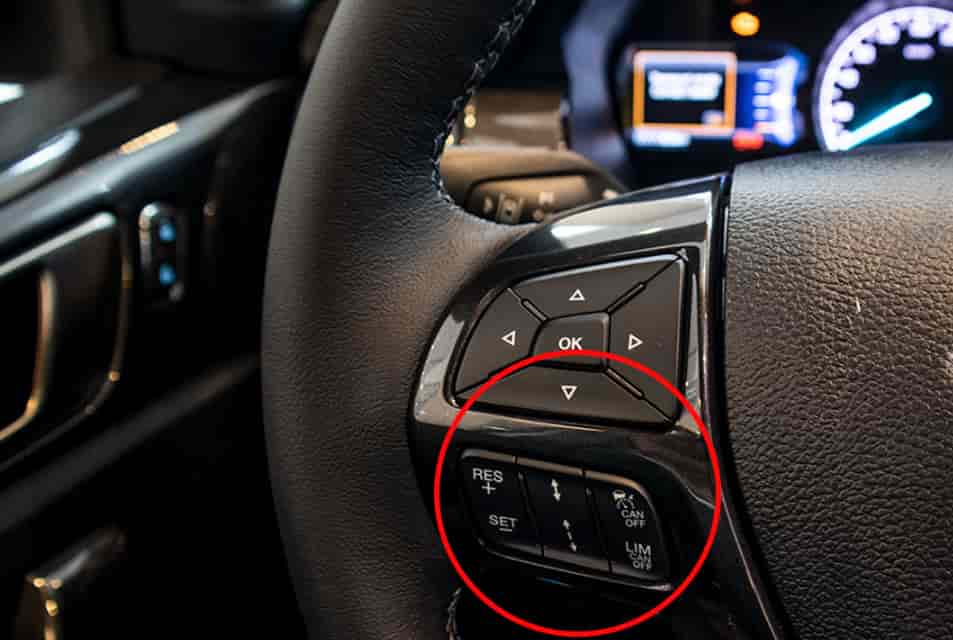
Many Ford models allow drivers to reset the speed limiter directly from the vehicle’s settings menu. This method is simple and safe, making it ideal for those who prefer not to use external tools. First, check your owner’s manual to confirm whether your model supports in-vehicle resets. Access the menu through the dashboard display or infotainment system and navigate to the speed limiter or vehicle settings section.
Once in the correct menu, look for options labeled “Speed Limit,” “Maximum Speed,” or “Speed Limiter.” You can either adjust the limit to a higher value or disable it entirely if your model permits. Make sure the vehicle is parked safely while making these changes, as some systems require the car to be stationary for adjustments.
After updating the settings, test your car carefully at low speeds to confirm that the reset has taken effect. If the speed remains limited to 50 mph, it may indicate a restriction enforced by the ECU or safety features, which cannot be bypassed through the menu. In such cases, using an OBD-II tool or professional assistance is necessary.
Resetting via vehicle settings is the fastest and most straightforward method. It avoids complicated procedures, does not require external devices, and minimizes any risk of affecting the warranty. Understanding this approach gives drivers a reliable option to restore normal speed functionality safely and efficiently.
Using OBD-II Tool for Reset
If your Ford’s speed limiter cannot be reset through the vehicle settings, using an OBD-II diagnostic tool provides a more advanced solution. This method allows you to access the ECU and adjust or disable the speed restriction safely. OBD-II tools connect directly to the vehicle’s diagnostic port, typically located under the dashboard.
After connecting the tool, launch the compatible software and select the ECU module responsible for speed control. Follow the prompts to locate the speed limiter settings. Most modern OBD-II tools display clear options to reset, adjust, or disable the limit. Make sure to read all instructions provided by the tool to avoid errors.
Always ensure your vehicle is stationary and in a safe environment before performing the reset. Testing the changes in a controlled area is essential to confirm that the speed limiter adjustment is successful. Some Ford models may still enforce temporary limits due to safety conditions or error codes, which the tool can help identify and resolve.
Using an OBD-II tool provides a reliable and precise method for restoring full speed control. It is faster than dealer resets, allows fine-tuned adjustments, and works across multiple Ford models. By understanding this process, drivers can confidently restore their vehicle’s intended performance while minimizing risk and maintaining safety compliance.
Dealer or Professional Reset
When in-vehicle settings or OBD-II tools cannot fully reset the speed limiter, visiting a Ford dealer or a certified professional becomes the safest option. Dealership technicians have specialized equipment and access to manufacturer software that ensures the reset is performed accurately. This method also protects your warranty and avoids potential mistakes that could arise from DIY attempts.
Before visiting, schedule an appointment and explain that your Ford is limited to 50 mph and requires a speed limiter reset. The technician will inspect the ECU, check for error codes, and determine if any temporary restrictions exist. Once confirmed, they will apply the necessary adjustments using official tools. The process is quick and typically completed during a routine service visit.
Professional resets offer advantages that DIY methods cannot. Technicians can address underlying issues such as safety lockouts, regional restrictions, or system errors. They also provide guidance on safe operation after the reset, ensuring that your vehicle functions correctly without compromising safety or compliance.
Using a dealer or professional service is ideal for owners who want a guaranteed, risk-free solution. It saves time, prevents warranty issues, and gives drivers peace of mind. Understanding when to seek professional assistance helps you make the best decision for restoring your Ford’s full driving performance.
Safety and Legal Considerations
Resetting a Ford’s speed limiter can improve driving freedom, but it is essential to consider safety and legal implications. Speed limiters exist to protect the engine, enhance driver safety, and ensure compliance with traffic regulations. Ignoring these factors can lead to accidents, vehicle damage, or legal penalties.
Before attempting any reset, check local laws regarding speed restrictions and modifications. Some regions have strict rules about altering factory-set limits, and violating them may result in fines or voided insurance coverage. Always prioritize safe driving practices even after the limiter is removed or adjusted.
Drivers should also understand that certain temporary restrictions cannot be disabled, such as those activated by error codes, maintenance alerts, or extreme driving conditions. Resetting the limiter without addressing these underlying issues may create performance or safety risks. Regular maintenance and diagnostic checks can prevent unnecessary activation of speed restrictions.
By respecting legal and safety considerations, you can reset your Ford’s speed limiter responsibly. Combining proper knowledge, careful execution, and awareness of regulations ensures that your vehicle operates at its full potential without compromising safety or legal compliance. Following these guidelines allows drivers to enjoy improved performance while maintaining control and peace of mind on every journey.
Conclusion
Resetting a Ford when speed is limited to 50 mph restores full control over your vehicle and improves the overall driving experience. This guide has covered multiple methods, from in-vehicle settings and OBD-II tool resets to professional dealer assistance. Each approach ensures that you can address the speed limitation safely and efficiently, depending on your vehicle model and technical comfort level.
Understanding how the speed limiter works and the reasons behind the 50 mph restriction is essential before attempting any reset. Taking legal and safety considerations into account protects you from potential fines, warranty issues, or performance risks. By following the steps carefully, drivers can regain normal speed functionality while maintaining vehicle safety and compliance with traffic regulations.
Whether you choose a simple menu adjustment, a precise OBD-II reset, or a professional dealer service, the key is to act responsibly. Resetting the speed limiter allows your Ford to perform at its full potential, enhances driving confidence, and makes every journey more enjoyable. Drivers who apply these methods can confidently solve the speed limitation issue and enjoy smoother, unrestricted driving on highways or open roads.