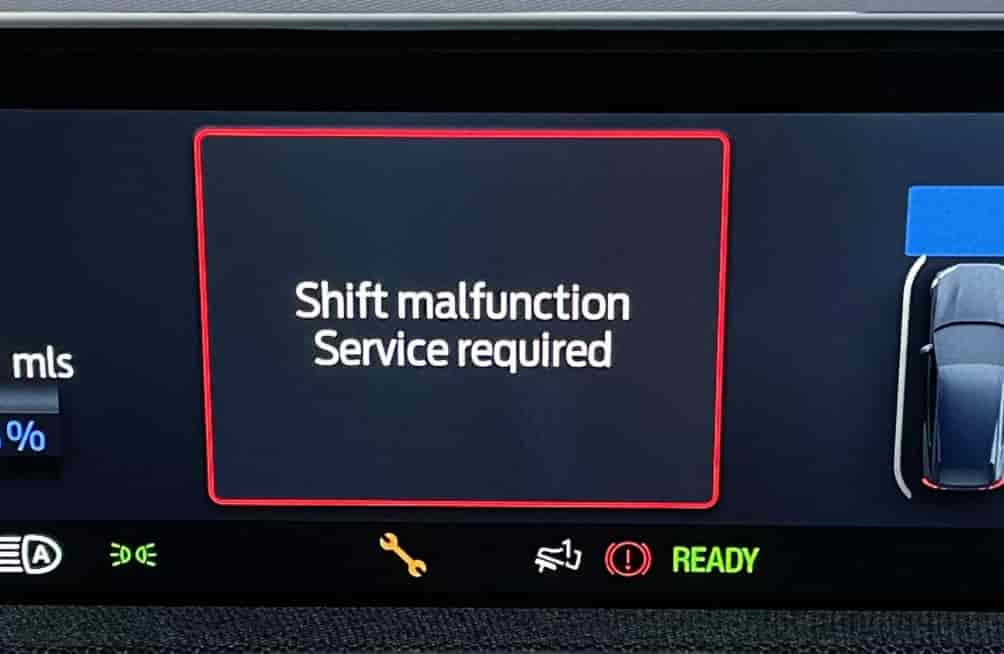
Seeing the Shift System Fault Service Required warning on your car can be stressful. This alert means the transmission system has detected a problem that needs attention. Ignoring it can lead to costly repairs or create safety risks while driving. Modern automatic transmissions offer smooth and comfortable driving, but they are sensitive to mechanical, electronic, and software issues.
Many drivers feel uncertain when this warning appears. They often wonder if it is a minor sensor glitch or a serious transmission failure. Understanding the common causes and symptoms can help drivers act quickly and avoid unnecessary expenses. Simple steps, such as checking transmission fluid or resetting sensors, may solve minor issues. In more serious cases, professional service is necessary to prevent further damage.
This guide explains why the Shift System Fault Service Required warning occurs and how to recognize its symptoms. It also provides practical solutions that drivers can apply immediately. By learning how to handle this issue properly, you can protect your vehicle, save money on repairs, and maintain confidence every time you get behind the wheel.
Contents
Causes of Shift System Fault Service Required
One of the most common causes of the Shift System Fault Service Required warning is a problem with electronic sensors. Modern vehicles rely on sensors to monitor the transmission system. If a sensor fails or provides inaccurate readings, the system may detect a fault even when the mechanical parts work correctly. Drivers may notice the warning light without any other symptoms, which can cause confusion and anxiety.
Another frequent reason is transmission fluid issues. Low, dirty, or contaminated fluid can prevent the transmission from functioning properly. Transmission fluid lubricates and cools internal components, so neglecting regular maintenance can trigger the Shift System Fault Service Required alert. Many drivers overlook fluid changes, leading to wear on gears and potential long-term damage.
Mechanical wear and tear also plays a role. Over time, components such as clutches, gears, and seals can degrade. This wear may interfere with smooth shifting and prompt the warning light. Vehicles with high mileage or heavy usage are more prone to this cause.
Software glitches can also trigger the warning. Modern automatic transmissions use computer controls to manage shifting. A bug, corrupted update, or electrical interference may confuse the system and cause it to display the Shift System Fault Service Required message. While software issues are often less severe than mechanical problems, they still require proper attention to prevent further complications.
Understanding these causes helps drivers identify whether the problem can be resolved at home or needs professional service. Checking sensors, fluid levels, and software updates regularly can prevent many issues before they become serious.
Symptoms of Shift System Fault Service Required
Recognizing the symptoms of the Shift System Fault Service Required warning is essential to prevent serious damage. The most obvious sign is the transmission warning light illuminating on your dashboard. This light may appear suddenly or flash intermittently, signaling that the system has detected a problem that requires attention. Ignoring this warning can put your vehicle at risk and increase repair costs.
Another common symptom is difficulty shifting gears. You may notice delays when changing from park to drive or experience rough, jerky movements during acceleration. The vehicle might hesitate, especially when going uphill or towing heavy loads. These issues indicate that the transmission is not performing smoothly, which can affect both safety and comfort while driving.
Some drivers hear unusual noises coming from the gearbox. Grinding, whining, or clunking sounds often accompany the warning light. These noises usually point to mechanical problems within the transmission or worn-out components. Even if the car appears drivable, continued use may worsen the damage.
Additional symptoms include slipping gears, where the engine revs increase but the vehicle moves slowly, and unexpected downshifts or upshifts. These erratic behaviors often result from sensor malfunctions or low transmission fluid. Checking for these signs early allows you to decide whether simple troubleshooting or professional service is needed.
By understanding these symptoms, drivers can react quickly and avoid costly repairs. Paying attention to warning lights, shifts, noises, and performance changes ensures that the Shift System Fault Service Required alert is addressed promptly, keeping your vehicle safe and reliable on the road.
How to Fix Shift System Fault Service Required
Fixing the Shift System Fault Service Required issue depends on the underlying cause. The first step is to check basic components that drivers can inspect at home. Start by examining the transmission fluid level and condition. Low or dirty fluid can trigger the warning. Replacing or topping up the fluid often resolves minor problems. Additionally, inspecting electronic sensors for loose connections or corrosion can prevent false warnings. Resetting the system by disconnecting the battery for a few minutes may also clear temporary glitches.
If the warning persists, professional service is recommended. Experienced technicians can run diagnostic tests to identify sensor failures, software issues, or mechanical damage. Modern transmissions often require specialized tools for accurate evaluation and repair. Acting promptly reduces the risk of extensive damage and high repair costs.
Preventive maintenance is equally important. Regularly changing transmission fluid, updating software when recommended, and scheduling inspections for high-mileage vehicles can prevent future faults. Avoid aggressive driving or towing beyond the vehicle’s specifications, as this can strain the transmission and trigger the Shift System Fault Service Required alert.
Drivers should never ignore warning lights. Attempting to drive with a faulty transmission can cause further damage and compromise safety. By combining basic troubleshooting, professional inspection, and preventive care, vehicle owners can handle the Shift System Fault Service Required efficiently, saving time, money, and stress while keeping their car reliable.
Conclusion
The Shift System Fault Service Required warning is a clear signal that your vehicle’s transmission needs attention. Understanding its causes, recognizing the symptoms, and knowing how to address the issue can save drivers significant time and money. Electronic sensor failures, low or dirty transmission fluid, mechanical wear, and software glitches are the most common triggers. By identifying these causes early, you can determine whether a simple home check or professional service is necessary.
Paying attention to symptoms such as warning lights, difficulty shifting gears, unusual noises, slipping gears, or erratic shifts is essential for maintaining safety and preventing costly repairs. Attempting to ignore these signs can worsen mechanical damage and compromise your driving experience. Simple preventive steps, including regular fluid changes, sensor checks, software updates, and cautious driving habits, can reduce the likelihood of encountering the Shift System Fault Service Required warning in the future.
Acting quickly when this alert appears ensures your car remains reliable and safe on the road. Regular maintenance and timely professional inspections not only protect your transmission but also give peace of mind. If you notice any warning signs, do not delay. Take action immediately to fix the problem and avoid unexpected expenses, ensuring your vehicle continues to perform at its best.