Resetting a Power Gear leveling system requires identifying the correct controller model, checking its power supply, and following the manufacturer’s specified reset procedure. The exact steps differ between hydraulic and electric leveling systems, so using the wrong reset sequence may leave the original fault unresolved.
A Power Gear leveling system may stop responding because of low battery voltage, faulty electrical connections, controller errors, or problems with the leveling jacks. Common symptoms include an unresponsive control panel, flashing warning lights, jacks that refuse to extend or retract, and automatic leveling functions that fail to activate. A reset can clear certain controller error states, but it cannot repair damaged wiring, defective components, or mechanical failures.
Before attempting a reset, park the RV on stable ground, secure the vehicle according to its operating manual, and verify that no one is underneath it. Identify the Power Gear controller model and consult its corresponding instructions before operating the leveling system.
This guide explains how to identify your Power Gear leveling system, perform the appropriate reset procedure, verify successful operation, and troubleshoot persistent faults. It also covers the difference between resetting and recalibrating the system and explains when professional RV repair is necessary.
How Do You Identify Your Power Gear Leveling System Model?
To identify your Power Gear leveling system model, locate the identification label on the control panel or electronic controller and determine whether the RV uses hydraulic or electric leveling jacks. The model number is essential because Power Gear systems use different control configurations, fault indicators, and reset procedures. Selecting instructions for the wrong controller can prevent a successful reset or cause unintended jack operation.
Start by inspecting the leveling control panel, which is typically installed near the driver’s seat or another accessible area inside the motorhome. Look for a part number on the panel housing, its rear surface, or the associated control module. Power Gear touchpad part numbers include 140-1229, 500629, and 500731. These numbers help identify the relevant technical documentation, although the complete system configuration must also be verified before following a reset procedure.
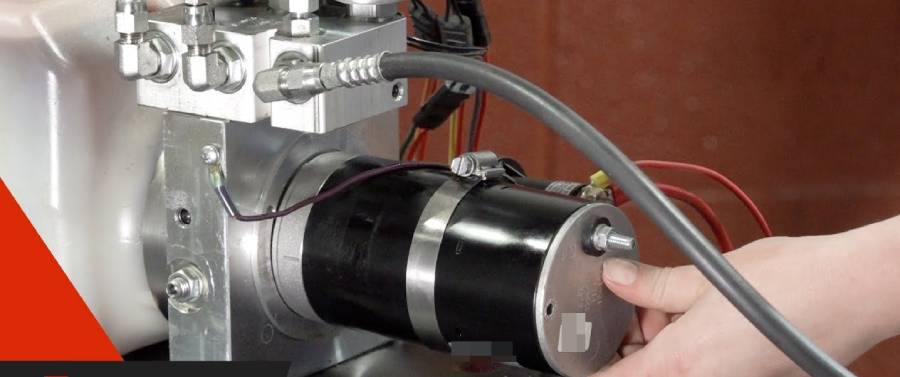
Next, determine whether your RV has a hydraulic or electric leveling system. Hydraulic Power Gear systems use a pump, hydraulic fluid, hoses, and cylinders to extend or retract the leveling jacks. Electric systems use electrically driven jack mechanisms instead of a central hydraulic pump. Inspecting the equipment and checking the RV owner’s manual can help distinguish these configurations without disassembling components.
Once you have identified the system, consult the corresponding documentation from Lippert, which provides technical support for Power Gear leveling equipment. Match the controller part number and system type to the appropriate manual before proceeding. This ensures that the reset instructions, warning light descriptions, and operating requirements apply to your RV’s specific leveling system.
How Do You Reset a Power Gear Leveling System?
To reset a Power Gear leveling system, secure the RV, verify the electrical power supply, identify the controller type, and follow the reset procedure specified in the corresponding Power Gear manual. Electric and hydraulic leveling systems use different control mechanisms, so the correct reset method depends on the installed equipment. A successful reset clears the applicable controller fault state and restores normal system operation, provided no underlying electrical or mechanical problem remains.
What Should You Check Before Resetting the Power Gear Leveling System?
Before resetting a Power Gear leveling system, check the RV’s parking conditions, battery voltage, control panel indicators, and leveling jack positions. These checks help identify problems that a controller reset cannot resolve and reduce the risk of unexpected jack movement.
Park the motorhome on firm, reasonably level ground and engage the parking brake. Follow the manufacturer’s ignition and transmission requirements for operating the leveling system. Keep people and equipment clear of the leveling jacks, and never work underneath an RV supported only by its leveling system.
Inspect the RV battery and electrical connections for low voltage, corrosion, or loose terminals. Leveling controllers require a stable power supply to communicate with the control panel and operate the jacks. Record any flashing lights or fault messages before resetting the system because these indicators can help identify the original malfunction.
How Do You Reset a Power Gear Electric Leveling System?
To reset a Power Gear electric leveling system, identify the electric leveling controller and follow its documented error-mode reset procedure. Certain Power Gear electric systems provide specific instructions for clearing an error state, but the required control sequence varies by controller version.
First, locate the controller identification number and obtain the corresponding Power Gear electric leveling manual. Check whether the control panel displays an error indication or fails to respond to normal commands. Confirm that the RV meets the operating conditions specified in the manual, including battery power, parking brake status, and ignition position.
Next, perform the exact error-clearing sequence provided for that controller. Do not substitute button combinations from another Power Gear model or repeatedly disconnect electrical power without confirming that the procedure is appropriate. Some faults require correcting the underlying problem before the controller can return to normal operation.
After completing the documented reset, inspect the control panel for remaining warning indicators. Test the leveling system using the manufacturer’s normal operating instructions and confirm that the jacks respond correctly. If the controller immediately returns to an error state, investigate the electrical supply, jack mechanisms, and associated sensors before attempting another reset.
How Do You Reset a Power Gear Hydraulic Leveling System?
To reset a Power Gear hydraulic leveling system, identify the hydraulic controller, check its electrical supply, and follow the manufacturer’s applicable control reset or fault-clearing instructions. Hydraulic leveling systems use an electrically controlled pump and valves to move the leveling jacks, so restoring controller operation does not automatically resolve hydraulic faults.
Begin by checking the control panel for warning indicators and confirming that the hydraulic pump has adequate electrical power. Inspect accessible hydraulic components for visible fluid leaks or damaged hoses without loosening pressurized connections. A malfunctioning pump motor, electrical connection, or hydraulic valve can prevent jack movement even when the control panel operates normally.
Consult the manual associated with the installed hydraulic controller to determine whether it provides a reset procedure for the displayed fault. Follow that procedure exactly, including any required ignition, parking brake, or jack-position conditions. Switching the control panel off and back on should not be assumed to clear every controller fault.
Once the procedure is complete, check whether the warning indicators have cleared and whether the system responds to normal operating commands. If the pump does not activate, the jacks remain stationary, or the system continues displaying faults, stop repeated reset attempts. Further electrical or hydraulic diagnosis is necessary to identify the malfunction.
How Do You Know If the Power Gear Leveling System Reset Was Successful?
A Power Gear leveling system reset is successful when the controller exits its fault state, the control panel responds to commands, and the leveling jacks operate according to the manufacturer’s specifications. Clearing a warning light alone does not confirm that the entire system is functioning correctly. The controller, electrical components, and jack mechanisms must also operate normally.
Start by checking the Power Gear control panel immediately after completing the reset procedure. The panel should display the normal operating indicators described in the controller’s manual, without persistent error messages or unexpected flashing lights. Indicator patterns differ between Power Gear models, so compare the displayed status with the documentation for your specific controller. A warning that reappears immediately after resetting indicates that the underlying fault may still be present.
Next, test the leveling jacks using the manufacturer’s standard operating procedure. Ensure that the RV is parked securely, the surrounding area is clear, and the required parking brake and ignition conditions are satisfied. Activate the appropriate leveling controls and observe whether the jacks respond consistently. Hydraulic systems should operate without abnormal pump behavior or visible fluid leakage, while electric systems should move without unusual mechanical resistance or unexpected interruptions.
Finally, verify that the jacks retract completely and that the control panel reports the correct travel-ready status. Do not drive the RV until all leveling jacks are fully retracted and the system meets the manufacturer’s travel requirements. If the jacks fail to move, warning indicators return, or the controller stops responding, the reset has not resolved the malfunction. Further troubleshooting is necessary before the leveling system can be considered operational.
Why Is Your Power Gear Leveling System Not Resetting?
A Power Gear leveling system may fail to reset because of low battery voltage, blown fuses, faulty electrical connections, or a malfunctioning control panel. These problems can interrupt communication between the controller and leveling components, preventing the system from clearing fault conditions or responding to operating commands. Identifying the underlying cause is necessary because repeatedly resetting the controller will not repair electrical or mechanical failures.
Can Low Battery Voltage Prevent a Power Gear Leveling System Reset?
Yes, low battery voltage can prevent a Power Gear leveling system from resetting because the controller and leveling components require a stable electrical supply. Insufficient voltage can cause the control panel to shut down, display error indicators, or stop responding when the leveling jacks are activated. The problem becomes more noticeable when the hydraulic pump or electric jack motors draw substantial current.
Start by measuring the RV battery voltage with a digital multimeter. A fully charged 12-volt lead-acid battery typically measures approximately 12.6–12.8 volts at rest, while a reading near 12.0 volts indicates a significantly discharged battery. These values describe general battery condition rather than the minimum operating voltage of every Power Gear controller. The actual voltage requirements must be checked against the applicable system manual.
Battery voltage can also drop under load because of weak battery cells, corroded terminals, or loose ground connections. For example, a battery may display an acceptable resting voltage but experience a substantial voltage drop when the hydraulic pump starts. Inspect the terminals, verify the ground connections, and check the voltage while the system is operating when it is safe to do so. Correct any electrical supply problems before attempting another reset.
Can a Blown Fuse Prevent the Power Gear Control Panel From Resetting?
Yes, a blown fuse can prevent the Power Gear leveling control panel from receiving electrical power, making the system unresponsive to reset commands. Fuses protect electrical circuits against excessive current, and an open fuse interrupts power to the components connected to that circuit.
Locate the fuse or circuit breaker associated with the leveling system using the RV wiring diagram or Power Gear documentation. Depending on the installation, circuit protection may be located in the vehicle’s electrical distribution panel or near the leveling controller. Inspect the fuse with a multimeter or an appropriate fuse tester rather than relying exclusively on visual inspection. A fuse with no electrical continuity must be replaced with one of the same specified type and amperage rating.
A replacement fuse that blows immediately indicates an unresolved electrical problem, such as a short circuit, damaged wiring, or excessive current draw. For example, a damaged wiring harness near a leveling jack may contact the vehicle chassis and repeatedly interrupt the circuit. Do not install a higher-rated fuse or bypass the circuit protection. The electrical fault must be identified and repaired before restoring power to the leveling system.
Why Does the Power Gear Control Panel Remain Unresponsive After a Reset?
A Power Gear control panel may remain unresponsive after a reset because of interrupted power delivery, damaged wiring, poor ground connections, or a defective touchpad or controller. The control panel depends on electrical connections to transmit operating commands, so a fault in the power or communication circuit can prevent the system from functioning even when the RV battery is adequately charged.
Begin by checking whether the control panel receives the required voltage and whether its electrical connectors are securely attached. Inspect accessible wiring for corrosion, moisture intrusion, damaged insulation, and loose terminals. For example, oxidation inside a connector can increase electrical resistance and interrupt communication between the touchpad and controller. Electrical measurements should follow the manufacturer’s wiring diagram to avoid damaging sensitive electronic components.
If the control panel has power but does not respond to commands, the problem may involve the touchpad, controller circuitry, or associated communication wiring. A controller can also remain in a fault state when an underlying jack or sensor problem has not been corrected. These conditions require model-specific diagnostic procedures rather than repeated power cycling.
Replacing the control panel should be considered only after confirming the power supply, wiring integrity, and controller compatibility. Power Gear systems use different control configurations, and an incompatible replacement component may not communicate correctly with the existing leveling equipment. When electrical checks do not identify the problem, a qualified RV technician can perform further controller diagnostics and determine whether component replacement is necessary.
How Do You Troubleshoot Power Gear Leveling System Faults After a Reset?
To troubleshoot Power Gear leveling system faults after a reset, check the control panel warning indicators, verify electrical power, inspect the leveling jacks, and examine the hydraulic pump or electric drive components. Persistent faults indicate that the reset did not resolve the underlying problem. The appropriate diagnostic procedure depends on the controller model, leveling system type, and symptoms displayed during operation.
Flashing warning lights on the Power Gear control panel indicate operating conditions or faults that must be interpreted using the specific controller manual. Depending on the system, warning indicators may relate to jack positions, parking brake requirements, or controller errors. Record the flashing pattern and identify the corresponding description in the manufacturer’s documentation. For example, a jack-related warning that remains active after retraction may indicate an unresolved position-sensing problem. Do not assume that identical flashing patterns have the same meaning across different Power Gear controllers.
Power Gear leveling jacks that will not retract require inspection of the electrical supply, control signals, and jack mechanisms. Hydraulic systems depend on properly functioning valves, hydraulic circuits, and pump assemblies, while electric systems use motor-driven mechanisms. A hydraulic jack may remain extended because of a valve malfunction, mechanical damage, or another hydraulic fault. An electric jack may fail to retract because of a motor, wiring, or drive mechanism problem. Use the manufacturer-approved manual retraction procedure only when it applies to the installed system. Never loosen hydraulic fittings or crawl underneath an RV supported by extended leveling jacks.
A Power Gear hydraulic pump that does not run may have an electrical supply problem, defective motor circuit, or malfunctioning control component. Check the applicable fuse or circuit breaker, battery connections, and accessible pump wiring before considering component replacement. If the pump motor runs but the jacks do not move, the problem may involve hydraulic fluid supply, valve operation, or internal hydraulic components. For example, a low hydraulic fluid level caused by leakage can interfere with normal jack operation. Check fluid levels only according to the manufacturer’s specified jack position and inspection procedure.
Persistent faults after these checks require more detailed diagnostics. Stop operating the leveling system if the jacks move unpredictably, hydraulic fluid leaks are visible, or electrical protection repeatedly trips. These symptoms indicate conditions that a controller reset cannot safely correct. A qualified RV technician can test controller outputs, motor circuits, hydraulic pressure, and jack components to identify the defective part before repairs are performed.
How Does a Power Gear Leveling System Work?
A Power Gear leveling system works by using an electronic controller to operate hydraulic or electric leveling jacks that stabilize an RV on uneven ground. The system adjusts the vehicle’s position by extending or retracting individual jacks until the motorhome reaches the desired level. Depending on the model, leveling operations are controlled manually through a touchpad or automatically using electronic level sensors.
Hydraulic Power Gear leveling systems use an electrically powered hydraulic pump to move fluid through hoses and control valves into hydraulic cylinders. The resulting hydraulic pressure extends the leveling jacks, allowing them to support and adjust the RV’s position. Retraction depends on the system’s hydraulic design, which may use spring-return mechanisms or powered hydraulic movement. For example, when the controller activates the appropriate hydraulic circuit, fluid movement changes the position of the connected jack. A malfunctioning pump, valve, or hydraulic connection can interrupt this process even when the control panel remains operational.
Electric Power Gear leveling systems use electrically driven jack mechanisms instead of a central hydraulic pump. The controller sends commands to the appropriate jack motors, which operate mechanical drive assemblies to extend or retract the jacks. Electric systems depend on functioning motors, wiring, and position-monitoring components to complete leveling operations. For example, a motor circuit fault can prevent one jack from moving while the remaining system components continue receiving electrical power.
The electronic controller coordinates these operations by processing control panel commands, monitoring relevant operating conditions, and activating the required components. Automatic leveling configurations also use level-sensing information to determine the adjustments needed to position the RV. Understanding how the controller interacts with the leveling jacks helps distinguish electronic reset problems from hydraulic, electrical, and mechanical failures. A reset may restore normal controller operation, but damaged motors, leaking hydraulic components, and mechanically jammed jacks require separate repairs.
What Is the Difference Between Resetting and Recalibrating a Power Gear Leveling System?
The main difference between resetting and recalibrating a Power Gear leveling system is that resetting addresses controller errors or interrupted operation, while recalibrating establishes or corrects the reference position used for automatic leveling. These procedures serve different purposes and are not interchangeable. A reset does not necessarily change the stored level reference, and recalibration does not repair electrical, hydraulic, or mechanical failures.
Power Gear controllers have model-specific reset and calibration procedures. Some automatic leveling systems support a programmable level reference, while other configurations use different control methods. Identifying the controller model is essential before performing either procedure because incorrect calibration can cause the RV to stop at an uneven position during subsequent automatic leveling cycles.
When Does a Power Gear Leveling System Need a Reset?
A Power Gear leveling system needs a reset when its controller enters a recoverable error state or stops responding to normal operating commands, provided the manufacturer’s troubleshooting instructions specify a reset for that condition. Common situations include interrupted leveling operations, controller fault indications, and control panel communication problems.
For example, an electric leveling controller may enter an error mode after detecting an abnormal operating condition. The appropriate error-clearing procedure can restore normal control once the cause has been corrected. However, if the fault results from a damaged jack motor, disconnected wiring, or insufficient battery voltage, resetting the controller alone will not restore reliable operation.
A reset should also be distinguished from ordinary system shutdown. Turning off the control panel may end an operating session without clearing stored faults or changing controller settings. Follow the model-specific Power Gear documentation to determine whether a dedicated reset sequence is required and how to confirm that the error state has cleared.
When Does a Power Gear Leveling System Need Recalibration?
A Power Gear automatic leveling system needs recalibration when its stored level reference is incorrect and the controller supports a manufacturer-defined calibration procedure. This condition may become apparent when the automatic leveling cycle completes without positioning the RV at the intended level, even though the jacks and other system components operate normally.
For example, an RV may consistently lean toward one side after completing automatic leveling because the controller’s stored reference no longer corresponds to the desired vehicle position. Before recalibrating, verify the RV’s level using a reliable external level and check for other causes, including uneven loading, unstable ground, or a malfunctioning jack.
Recalibration generally involves positioning the RV at the correct level and using the controller’s designated calibration procedure to establish the reference. The exact button sequence and operating conditions depend on the Power Gear controller model. Do not perform recalibration simply to clear a fault code or restore an unresponsive control panel. Use the applicable manufacturer’s instructions and verify automatic leveling accuracy after the procedure is complete.
Read more: How to Find Gear Ratio by VIN: Step-by-Step Guide
How Can You Prevent Power Gear Leveling System Problems?
To prevent Power Gear leveling system problems, inspect the leveling jacks regularly, maintain the hydraulic or electric components, protect electrical connections, and operate the system according to the manufacturer’s instructions. Preventive maintenance reduces the risk of unexpected jack failures, controller errors, and electrical interruptions that can make resetting the system necessary.
Inspect the leveling jacks before extended RV trips and at the maintenance intervals specified in the Power Gear manual. Examine accessible jack components for physical damage, corrosion, loose mounting hardware, and unusual wear. Hydraulic jacks should also be checked for visible fluid leakage around cylinders, hoses, and fittings. For example, hydraulic fluid accumulating near a jack seal may indicate deterioration that requires repair. Keep the jack assemblies clean and follow the manufacturer’s lubrication instructions, since lubrication requirements differ between leveling system models.
Maintain the hydraulic system by checking fluid levels, inspecting hoses, and monitoring pump operation. Hydraulic fluid should be inspected with the jacks in the position specified by the manufacturer because fluid levels change as the cylinders extend and retract. Use only the hydraulic fluid type approved for the installed system. Damaged hoses, leaking fittings, and contaminated fluid can interfere with normal hydraulic operation. Avoid opening pressurized hydraulic connections, as escaping fluid can cause serious injury.
Protect the electrical system by maintaining the RV battery, inspecting accessible wiring, and keeping connectors free from corrosion. Low battery voltage and excessive resistance at electrical connections can interrupt controller operation or prevent leveling motors from receiving adequate power. For example, a corroded ground terminal may cause intermittent control panel operation even when the battery is charged. Check battery condition before operating the leveling system and repair damaged electrical connections using the appropriate wiring specifications.
Proper operation also helps prevent avoidable leveling problems. Position the RV on stable ground, follow the manufacturer’s leveling sequence, and avoid exceeding the system’s operating limitations. Leveling jacks are designed for stabilization and leveling within their specified capabilities, not as substitutes for approved vehicle lifting equipment. Before driving, confirm that every jack is fully retracted and that the control panel indicates the required travel-ready condition. Consistent inspection, correct operation, and timely component repairs reduce the likelihood of recurring Power Gear leveling system faults.
When Should You Contact a Technician for Power Gear Leveling System Repairs?
You should contact a qualified RV technician when the Power Gear leveling system continues displaying faults after the correct reset procedure, the leveling jacks fail to retract, or electrical and hydraulic components show signs of damage. These conditions may indicate problems that require specialized diagnostic equipment, component testing, or professional repairs. Continuing to operate a malfunctioning leveling system can damage its components or compromise vehicle stability.
Persistent controller errors and unresponsive control panels require professional diagnosis when battery voltage, fuses, and accessible wiring connections have already been checked. A technician can examine controller power inputs, electrical outputs, communication circuits, and associated sensors to identify the malfunction. For example, a controller that repeatedly enters an error state despite receiving the correct voltage may have an internal fault or be responding to a defective external component. Replacing the controller without confirming the cause can result in unnecessary repair costs.
Leveling jacks that remain extended or move unpredictably require immediate attention, particularly when the RV cannot be placed in its normal travel configuration. Hydraulic leaks, damaged cylinders, malfunctioning valves, and defective electric jack motors can prevent proper retraction. A technician can inspect these components and perform the manufacturer-approved recovery procedure using appropriate safety equipment. Never drive the RV with extended leveling jacks or attempt repairs underneath a vehicle supported only by its leveling system.
Professional service is also necessary when electrical fuses repeatedly blow, hydraulic fluid escapes under pressure, or the leveling system produces abnormal mechanical noises. These symptoms can indicate electrical short circuits, hydraulic component failures, or damaged jack mechanisms. Provide the technician with the Power Gear controller model number, recorded fault indicators, and troubleshooting steps already completed. This information helps narrow the diagnosis and determine whether the system requires electrical repair, hydraulic service, recalibration, or component replacement.