Choosing the right engine oil is one of the most important decisions for maintaining engine performance, fuel efficiency, and long-term reliability. Modern engines operate under higher temperatures, tighter tolerances, and greater mechanical stress than ever before. As a result, the quality of the lubricant directly influences wear protection, deposit control, and the overall lifespan of critical engine components.
Pennzoil and Castrol are two of the most trusted motor oil brands in today’s automotive industry. Both manufacturers produce full synthetic engine oils that meet or exceed the latest API and OEM specifications. However, their products are built on different technologies and engineering philosophies. Pennzoil emphasizes its PurePlus Technology, which converts natural gas into a highly pure synthetic base oil, while Castrol focuses on its Fluid Titanium Technology to strengthen the oil film under extreme pressure. These differences lead many drivers to question which brand delivers better real-world performance.
This comprehensive comparison examines Pennzoil and Castrol across the factors that matter most to vehicle owners, including engine protection, wear resistance, sludge prevention, fuel economy, oil change intervals, product value, and compatibility with different engine types. Rather than declaring a universal winner, this guide explains where each brand performs best so you can confidently choose the engine oil that matches your vehicle, driving habits, and manufacturer recommendations.
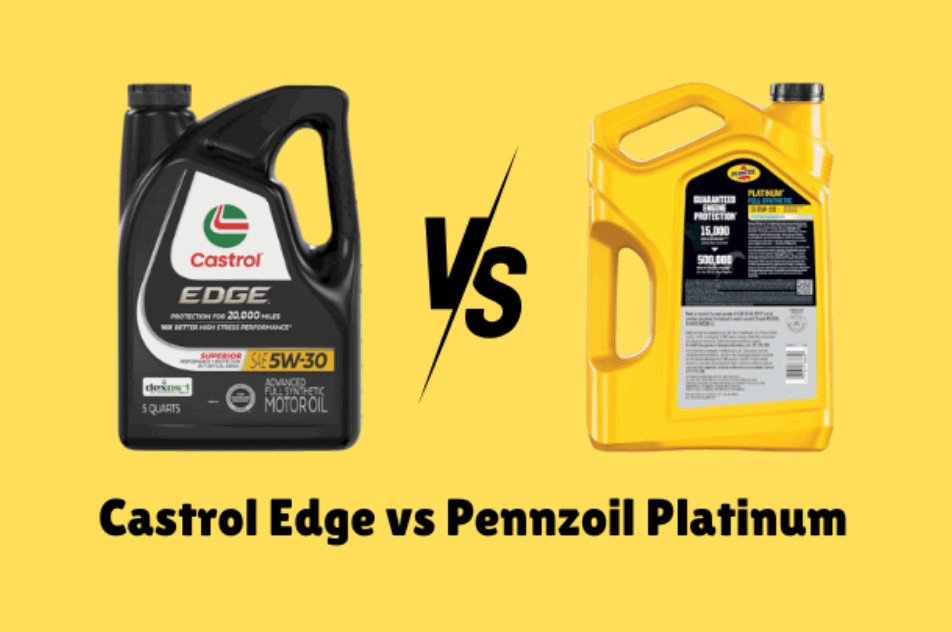
What Are the Main Differences Between Pennzoil and Castrol?
Pennzoil and Castrol are two of the most recognized engine oil brands in the automotive industry. Both produce high-quality synthetic lubricants that meet modern API and OEM standards. However, each brand follows a different engineering philosophy. Those differences influence engine protection, oil cleanliness, and overall performance.
Pennzoil focuses on engine cleanliness and long-term efficiency. Its PurePlus Technology converts natural gas into a highly pure synthetic base oil. The process removes many impurities found in conventional crude oil. As a result, the oil helps reduce sludge, limit deposits, and maintain stable lubrication throughout the service interval. Drivers who value smooth daily performance and cleaner engines often choose Pennzoil for these reasons.
Castrol prioritizes protection under extreme operating conditions. Its Fluid Titanium Technology strengthens the oil film when engine pressure increases. A stronger oil film reduces direct contact between moving metal components. This design helps protect the engine during heavy acceleration, high temperatures, towing, and performance driving. Many enthusiasts prefer Castrol because it performs consistently under demanding conditions.
The two brands also organize their product lines differently. Pennzoil offers a simple portfolio that includes Platinum, Ultra Platinum, and High Mileage. The smaller range makes product selection easier for most drivers. Castrol provides a wider selection, including EDGE, GTX, GTX High Mileage, and specialized formulations for different vehicles. The broader lineup gives consumers more choices but also requires more careful product selection.
Neither brand outperforms the other in every situation. Pennzoil is an excellent choice for drivers who prioritize engine cleanliness, fuel efficiency, and everyday reliability. Castrol suits drivers who frequently expose their engines to heavy loads or high-performance conditions. The best engine oil depends on your vehicle, the recommended viscosity grade, and your typical driving environment.
Which Engine Oil Technology Performs Better?
Engine oil technology plays a major role in determining how well a lubricant protects modern engines. Pennzoil and Castrol both invest heavily in research and development, but they rely on different technologies to achieve high performance. Understanding these technologies helps explain why each brand performs well in specific driving conditions.
Pennzoil builds its premium synthetic oils with PurePlus Technology. The company converts natural gas into a crystal-clear synthetic base oil instead of refining crude oil. This process creates a cleaner base with fewer impurities. A purer base oil improves oxidation stability, reduces sludge formation, and helps the lubricant maintain consistent viscosity throughout the oil change interval. These characteristics make Pennzoil an excellent option for drivers who value engine cleanliness and long-term reliability.
Castrol uses Fluid Titanium Technology in its flagship EDGE product line. The technology strengthens the oil film when engine pressure rises. A stronger oil film creates a durable barrier between moving engine parts and reduces direct metal contact. This extra protection becomes especially valuable during aggressive acceleration, high-speed driving, towing, and other demanding operating conditions where engine loads increase significantly.
Both technologies deliver measurable benefits, but they focus on different performance goals. PurePlus Technology emphasizes cleaner lubrication and stable performance over time. Fluid Titanium Technology prioritizes wear protection when engines operate under extreme stress. Neither approach replaces the other because they solve different engineering challenges.
For most daily drivers, both technologies provide excellent protection when the correct viscosity and manufacturer specifications are followed. However, drivers who prioritize engine cleanliness may prefer Pennzoil, while those who frequently drive under heavy loads or high temperatures may find Castrol better suited to their needs. Choosing the right technology depends less on brand loyalty and more on how your engine operates every day.
Which Oil Protects the Engine Better Under Different Driving Conditions?
Engine protection depends on more than oil quality alone. Driving conditions, engine design, operating temperature, and load all influence how well an engine oil performs. Pennzoil and Castrol both provide excellent wear protection, but each brand delivers its greatest advantages under different conditions.
Pennzoil performs exceptionally well during everyday driving. Its PurePlus Technology produces a highly pure synthetic base oil that flows quickly at low temperatures. Faster oil circulation helps protect critical engine components during cold starts, which is when a significant amount of engine wear occurs. The stable formulation also maintains consistent lubrication during city driving, frequent short trips, and stop-and-go traffic.
Castrol demonstrates its greatest strength when engines operate under heavy stress. Fluid Titanium Technology reinforces the oil film as pressure increases inside the engine. This stronger protective layer helps reduce friction between moving parts during high-speed driving, towing, mountain climbing, and spirited acceleration. Drivers who regularly expose their vehicles to demanding conditions often appreciate this additional level of protection.
High-temperature performance is another important consideration. Both brands resist thermal breakdown and oxidation, allowing the oil to maintain its viscosity during extended operation. Pennzoil focuses on preserving oil cleanliness throughout the service interval, while Castrol places greater emphasis on maintaining a durable protective film under extreme pressure. Both approaches help reduce engine wear, but they achieve this goal through different engineering strategies.
Turbocharged engines also benefit from high-quality synthetic lubrication because turbochargers generate intense heat and rotate at extremely high speeds. Pennzoil provides excellent resistance to deposits that may accumulate around turbo components. Castrol delivers strong protection against pressure-related wear during rapid acceleration and sustained high engine loads. Either product can perform exceptionally well when it meets the viscosity grade and manufacturer approvals specified for the vehicle.
Neither oil consistently outperforms the other across every driving condition. Pennzoil is an outstanding choice for daily commuting, cold starts, and drivers who prioritize long-term engine cleanliness. Castrol becomes particularly attractive for performance driving, towing, and vehicles that frequently operate under heavy mechanical stress. Selecting the correct oil should always begin with the manufacturer’s recommended specifications before comparing individual product technologies.
Which Oil Keeps the Engine Cleaner Over Time?
Engine cleanliness directly affects long-term performance and reliability. Sludge, carbon deposits, and oxidation byproducts can restrict oil flow, reduce lubrication efficiency, and accelerate engine wear. Pennzoil and Castrol both include advanced detergent additives, but they use different approaches to keep engines clean throughout the oil change interval.
Pennzoil places engine cleanliness at the center of its synthetic oil technology. PurePlus Technology produces a highly refined synthetic base oil with fewer impurities than conventional base oils. The cleaner foundation helps minimize sludge formation and reduces the buildup of harmful deposits inside the engine. It also supports consistent oil flow, allowing critical components to receive reliable lubrication even after thousands of miles of operation.
Castrol also delivers strong cleaning performance through its advanced additive package. Its premium synthetic oils suspend contaminants and help prevent deposits from sticking to internal engine surfaces. This process keeps particles circulating until the oil filter captures them. As a result, the engine remains cleaner and continues to operate efficiently under normal service conditions.
Oxidation resistance plays an equally important role in engine cleanliness. High operating temperatures gradually break down engine oil and create oxidation byproducts that contribute to sludge formation. Both Pennzoil and Castrol resist thermal degradation effectively. Pennzoil emphasizes maintaining oil purity throughout the service interval, while Castrol focuses on preserving lubrication quality under demanding operating conditions. Both strategies help extend engine life and maintain stable performance.
Independent testing and industry certifications show that both brands provide excellent protection against sludge and harmful deposits when used according to the recommended maintenance schedule. The difference becomes more noticeable over extended service intervals. Pennzoil often appeals to drivers who prioritize maximum engine cleanliness, while Castrol remains an excellent choice for those seeking balanced cleaning performance and wear protection. Regardless of the brand, changing the oil and filter at the proper interval remains the most effective way to keep an engine clean over the long term.
Pennzoil Platinum vs Castrol EDGE: Which Product Delivers Better Value?
Pennzoil Platinum and Castrol EDGE are the flagship full synthetic engine oils from their respective brands. Both products meet the latest industry standards and support modern gasoline engines, including many turbocharged and direct-injection models. However, each oil delivers value in a different way. Pennzoil Platinum focuses on engine cleanliness and long-term efficiency, while Castrol EDGE emphasizes maximum protection under high pressure.
Pennzoil Platinum uses PurePlus Technology to create a synthetic base oil derived from natural gas. The cleaner base oil contains fewer impurities and helps reduce sludge and deposit formation over time. It also maintains stable viscosity throughout the recommended oil change interval. These qualities make Pennzoil Platinum a strong choice for drivers who want reliable daily performance and consistent engine cleanliness without paying a premium price.
Castrol EDGE features Fluid Titanium Technology, which strengthens the oil film when engine loads increase. The reinforced protective layer helps reduce friction and wear during demanding driving conditions. Drivers who regularly tow heavy loads, drive at high speeds, or enjoy spirited acceleration often appreciate the added protection offered by Castrol EDGE. The formulation also performs well in high-temperature environments where lubrication remains critical.
Both products carry approvals from major vehicle manufacturers, although available certifications vary by viscosity grade. Before choosing either oil, drivers should confirm that the selected product matches the viscosity and OEM approval listed in the owner’s manual. Following the manufacturer’s specification has a greater impact on engine protection than selecting one premium brand over another.
From a value perspective, both oils justify their reputation as premium synthetic lubricants. Pennzoil Platinum often provides better value for drivers who prioritize engine cleanliness, fuel efficiency, and everyday reliability. Castrol EDGE offers excellent value for owners who frequently place their engines under higher mechanical stress. The better investment depends on how the vehicle is driven rather than which brand appears stronger on the label.
Which Oil Is Better for Your Vehicle Type?
The best engine oil depends on your vehicle, driving habits, and manufacturer requirements. Pennzoil and Castrol both produce high-quality synthetic lubricants, but each brand performs better in certain applications. Selecting the right product based on your vehicle type helps maximize engine protection and long-term reliability.
Pennzoil is an excellent choice for daily commuter cars that spend most of their time in city traffic or on highways. Its PurePlus Technology helps keep the engine clean while providing stable lubrication during frequent cold starts and stop-and-go driving. Drivers who prioritize fuel efficiency, smooth engine operation, and consistent long-term performance often benefit from Pennzoil’s cleaner synthetic formulation.
Castrol is well suited for vehicles that operate under higher mechanical loads. SUVs, pickup trucks, and performance cars frequently experience greater engine stress because of towing, heavier weight, or aggressive acceleration. Castrol EDGE strengthens its protective oil film as pressure increases, helping reduce wear during demanding driving conditions. This additional protection makes it a popular option for drivers who regularly push their engines harder than average.
Turbocharged engines require synthetic oils that resist heat, oxidation, and deposit formation. Both Pennzoil and Castrol meet these requirements when the correct viscosity and manufacturer approvals are selected. Pennzoil helps minimize deposits around turbocharger components, while Castrol provides excellent protection when turbocharged engines generate high pressure during rapid acceleration. Either brand can perform exceptionally well when it matches the engine manufacturer’s specifications.
High-mileage vehicles also benefit from choosing the correct formulation instead of selecting a brand alone. Pennzoil High Mileage and Castrol GTX High Mileage both contain additives that help protect aging engines, reduce oil consumption, and support seal conditioning. Drivers should choose the product that matches their engine condition, maintenance history, and recommended viscosity rather than relying only on brand preference.
No single engine oil is the best for every vehicle. Pennzoil is often the stronger choice for drivers who value engine cleanliness and everyday efficiency. Castrol becomes especially attractive for heavier vehicles, performance applications, and demanding driving environments. The best decision always begins with the viscosity grade and OEM approval recommended by the vehicle manufacturer before comparing individual product technologies.
How Do Pennzoil and Castrol Compare in Price, Oil Life, and Maintenance Cost?
Price is an important factor when choosing engine oil, but it should never be the only consideration. The overall cost of ownership depends on oil quality, recommended service intervals, engine protection, and long-term maintenance expenses. Pennzoil and Castrol both belong to the premium synthetic oil segment, and their prices remain competitive across most retailers. The final value often depends on how the vehicle is used rather than the purchase price alone.
Pennzoil Platinum is often available at a slightly lower price than Castrol EDGE, although pricing varies by viscosity grade, retailer, and promotional offers. The lower purchase cost makes Pennzoil an attractive option for drivers who perform regular oil changes and want premium synthetic protection without increasing maintenance expenses. The formulation also supports engine cleanliness, which may help reduce deposit-related issues over the long term.
Castrol EDGE typically costs slightly more because of its premium positioning and advanced wear protection technology. Many drivers consider the additional cost worthwhile, especially when their vehicles experience heavy towing, high-speed driving, or demanding operating conditions. The stronger protective oil film can provide greater confidence in situations where engines operate under higher mechanical stress for extended periods.
Oil life also contributes to overall maintenance costs. Both Pennzoil Platinum and Castrol EDGE support the oil change intervals recommended by most vehicle manufacturers when used under normal driving conditions. Drivers should avoid extending oil changes beyond the manufacturer’s schedule unless the specific product is approved for extended service. Replacing the oil and filter at the proper interval remains one of the most effective ways to protect engine performance and reduce long-term repair costs.
From a value perspective, neither brand offers a clear advantage for every driver. Pennzoil delivers excellent value through competitive pricing, strong engine cleanliness, and dependable everyday performance. Castrol provides outstanding value for vehicles that regularly operate under higher loads or more demanding conditions. Choosing the correct viscosity grade, meeting the required OEM approvals, and following the recommended maintenance schedule will have a greater impact on engine longevity than a small difference in purchase price.
Conclusion
Pennzoil and Castrol both produce premium synthetic engine oils that meet the performance requirements of modern gasoline engines. Each brand delivers excellent wear protection, oxidation resistance, and compatibility with current API and OEM specifications. However, their strengths are not identical. Pennzoil focuses on cleaner lubrication and long-term engine cleanliness through its PurePlus Technology, while Castrol prioritizes maximum protection under pressure with its Fluid Titanium Technology.
For most drivers, either brand will provide reliable performance when the correct viscosity grade and manufacturer approval are selected. Pennzoil is an excellent choice for daily commuting, fuel efficiency, and maintaining a cleaner engine over time. Castrol is a strong option for vehicles that regularly experience heavy loads, higher temperatures, or more aggressive driving conditions. The differences become more noticeable when engines operate under specific environments rather than during normal everyday driving.
The best engine oil is the one that matches your vehicle’s requirements instead of simply choosing the most popular brand. Always check the owner’s manual for the recommended viscosity, service classification, and OEM approval before purchasing any engine oil. Following the correct maintenance schedule and replacing the oil filter at every oil change will contribute more to engine longevity than switching between two premium brands that already meet the required specifications.
Frequently Asked Questions
Is Pennzoil better than Castrol?
Neither brand is universally better. Pennzoil excels in engine cleanliness and everyday efficiency, while Castrol offers outstanding protection under high engine loads. The better choice depends on your vehicle, driving conditions, and the manufacturer’s recommended specifications.
Can you switch from Castrol to Pennzoil?
Yes. You can switch between the two brands as long as the new oil meets the viscosity grade and performance standards specified by your vehicle manufacturer. Replacing the oil filter during the oil change also helps maintain optimal lubrication.
Which oil is better for turbocharged engines?
Both brands perform well in turbocharged engines because they provide excellent resistance to heat and oxidation. Pennzoil helps reduce deposit formation around turbocharger components, while Castrol provides additional protection during high-pressure operation.
Does Pennzoil last longer than Castrol?
Both products are designed to support the oil change intervals recommended by vehicle manufacturers. Oil life depends more on driving conditions, maintenance practices, and the selected product than on the brand itself.
Which engine oil offers better overall value?
Pennzoil often provides better value for drivers seeking engine cleanliness, fuel efficiency, and competitive pricing. Castrol offers excellent value for drivers who regularly tow, drive at higher speeds, or place greater mechanical stress on their engines. The best value comes from selecting the product that matches your vehicle’s operating conditions and maintenance requirements.