Seeing the check engine light illuminate on your Mercedes Benz can be frustrating, especially when a scan tool reveals the Mercedes P0025 trouble code. Many owners immediately assume the engine has a serious timing chain failure. Fortunately, that is not always the case. While this diagnostic code points to an exhaust camshaft timing issue on Bank 2, the underlying cause can range from something as simple as contaminated engine oil to a more complex mechanical timing problem.
Modern Mercedes engines rely on a sophisticated variable valve timing system to optimize power, fuel efficiency, and emissions. This system constantly adjusts the position of the camshafts using engine oil pressure, electronic controls, and precision mechanical components. When the engine control module detects that the exhaust camshaft remains more retarded than expected, it stores the Mercedes P0025 code and may activate the check engine light.
Although some vehicles continue to drive with this fault, ignoring the warning can eventually reduce engine performance, increase fuel consumption, and lead to more expensive repairs if the root cause worsens. For this reason, replacing parts without a proper diagnosis is rarely the smartest or most cost effective solution.
This comprehensive guide explains everything you need to know about the Mercedes P0025 code. You will learn what the code means, why it appears, the most common symptoms, the possible causes, the correct diagnostic process, available repair options, estimated repair costs, and practical maintenance tips to help prevent the problem from returning. Whether you are an experienced technician or a Mercedes owner looking for reliable information, this guide will help you understand the fault with confidence and make informed repair decisions.
What Does the Mercedes P0025 Code Mean?
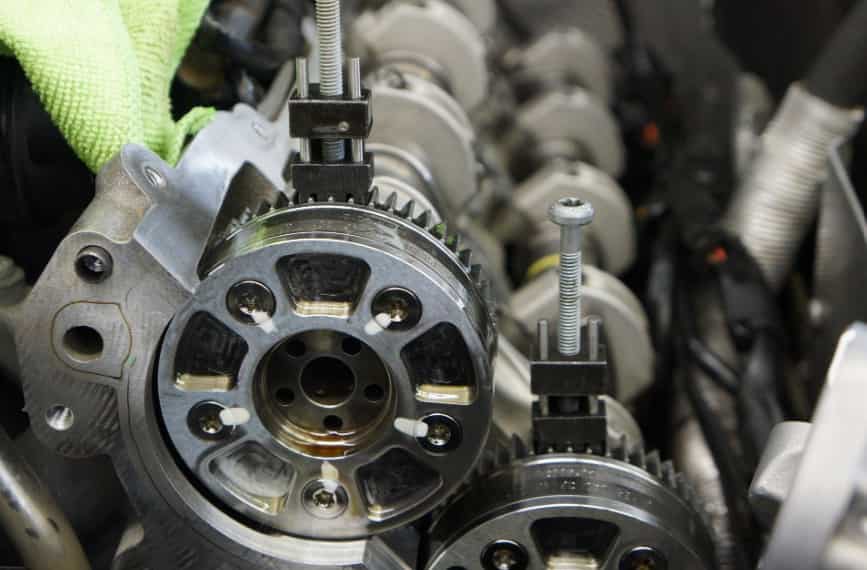
The Mercedes P0025 code is a generic OBD II diagnostic trouble code that indicates the exhaust camshaft timing on Bank 2 is more retarded than the engine control module expects. In simple terms, the exhaust camshaft is not moving to the correct position at the right time. When the actual camshaft position remains outside the acceptable range, the engine control module stores the P0025 code and usually turns on the check engine light.
Mercedes Benz engines use a Variable Valve Timing system to improve engine performance, fuel efficiency, and exhaust emissions. The system relies on engine oil pressure, the camshaft adjuster, the oil control valve, and input from the camshaft and crankshaft position sensors. These components work together to adjust valve timing according to engine speed and load. As driving conditions change, the engine control module continuously compares the commanded camshaft position with the actual camshaft position to ensure the system operates correctly.
When the exhaust camshaft on Bank 2 responds too slowly or fails to reach the requested position, the engine control module detects a timing deviation and records the Mercedes P0025 code. This timing error can be caused by several factors, including low engine oil, dirty oil, insufficient oil pressure, a faulty oil control valve, damaged wiring, a defective camshaft position sensor, a worn camshaft adjuster, or mechanical timing problems such as a stretched timing chain.
Although the code identifies a camshaft timing issue, it does not confirm which component has failed. A complete diagnosis is essential to identify the root cause before replacing any parts, helping reduce unnecessary repair costs and preventing the same fault from returning.
Common Symptoms of Mercedes P0025
The symptoms of the Mercedes P0025 code depend on the underlying problem. Some vehicles only display the check engine light. Others develop noticeable drivability issues. Recognizing these warning signs early can prevent expensive engine repairs.
The most common symptom is an illuminated check engine light. In many cases, this is the first indication that something is wrong. A scan tool usually identifies the Mercedes P0025 code. Related camshaft timing or variable valve timing codes may also appear.
Many drivers notice reduced engine performance. Acceleration becomes slower, and throttle response feels less responsive. The engine may struggle to deliver power during highway driving or when climbing hills. This happens because incorrect exhaust camshaft timing reduces combustion efficiency.
A rough idle is another common complaint. The engine may shake while idling or vibrate more than normal at traffic lights. In some cases, the idle speed fluctuates as the engine control module attempts to compensate for the timing error.
Fuel economy often declines after the fault develops. Incorrect valve timing reduces engine efficiency. As a result, the engine burns more fuel to produce the same level of power. Some owners also report hard starting or extended cranking, especially after the vehicle has been parked overnight.
More severe cases can cause engine hesitation, misfires, or unexpected stalling. These symptoms usually indicate that the timing problem has become worse. The vehicle may also enter a reduced power mode to protect the engine from additional damage.
Mechanical noise should never be ignored. A metallic rattling sound from the front of the engine may indicate a worn timing chain or a failing camshaft adjuster. If these symptoms occur together with the Mercedes P0025 code, the vehicle should be inspected immediately. Early diagnosis often prevents more extensive and costly repairs.
What Causes the Mercedes P0025 Code?
Several different problems can trigger the Mercedes P0025 code. Although the fault points to incorrect exhaust camshaft timing on Bank 2, it does not identify a specific failed component. Therefore, understanding the possible causes is essential before replacing any parts.
Low Engine Oil Level
Low engine oil is one of the most common causes of the Mercedes P0025 code. The variable valve timing system depends on stable oil pressure to adjust the camshaft position. If the oil level drops below the recommended range, the camshaft adjuster may not respond correctly.
Drivers should always check the oil level first. Even a small oil loss can affect system performance. If the level is low, inspect the engine for leaks or excessive oil consumption before adding fresh oil.
Dirty or Incorrect Engine Oil
Old or contaminated engine oil can also prevent the variable valve timing system from working properly. Over time, sludge and deposits may restrict small oil passages inside the engine. As a result, the camshaft adjuster reacts more slowly than expected.
Using the wrong oil viscosity may create similar problems. Mercedes engines require oil that meets the manufacturer’s specifications. Choosing the correct oil helps maintain proper pressure and supports accurate camshaft control.
Faulty Oil Control Valve
The oil control valve regulates oil flow to the camshaft adjuster. If the valve sticks or becomes clogged, it cannot control camshaft timing correctly. Electrical faults inside the valve may also prevent normal operation.
In many cases, technicians inspect the valve for contamination before replacing it. Testing the electrical circuit is equally important because wiring problems can produce the same symptoms.
Worn Camshaft Adjuster
The camshaft adjuster changes the camshaft angle during different driving conditions. Internal wear can reduce its ability to move smoothly or hold the correct position. Consequently, the engine control module detects a timing error and stores the Mercedes P0025 code.
A worn adjuster may also produce a rattling noise during startup. This symptom often becomes more noticeable as engine wear increases.
Damaged Wiring or Electrical Connectors
Electrical problems can also trigger the Mercedes P0025 code. The engine control module depends on accurate signals from sensors and control components. If the wiring becomes damaged, communication may be interrupted.
Loose connectors, broken wires, or corrosion can all affect system operation. Oil contamination inside electrical connectors is another common issue on some Mercedes engines. Therefore, every connector should be inspected carefully before replacing expensive components.
Faulty Camshaft Position Sensor
The camshaft position sensor monitors the exact position of the exhaust camshaft. It continuously sends this information to the engine control module. The control module then compares the actual camshaft position with the desired value.
A faulty sensor may transmit incorrect data or lose its signal completely. As a result, the engine control module may believe the camshaft timing is incorrect even when the mechanical components are operating normally. Testing the sensor and its wiring is always recommended before installing a replacement.
Low Engine Oil Pressure
Adequate oil pressure is essential for proper variable valve timing operation. Even when the oil level appears normal, low oil pressure can prevent the camshaft adjuster from moving correctly. This condition often develops because of internal engine wear, a restricted oil pickup, or a failing oil pump.
Technicians usually confirm oil pressure with a mechanical gauge. This test helps determine whether the lubrication system is supplying enough pressure under different engine speeds.
Stretched Timing Chain
A stretched timing chain is one of the more serious causes of the Mercedes P0025 code. As the chain wears, the relationship between the crankshaft and camshaft gradually changes. Eventually, the exhaust camshaft can no longer reach the position requested by the engine control module.
Timing chain wear may also damage the guides or tensioner. Drivers often notice a metallic rattling noise during a cold start before additional symptoms appear. Ignoring these warning signs can increase the risk of severe engine damage.
Incorrect Mechanical Timing
Mechanical timing problems sometimes occur after engine repairs. If the timing chain or camshaft components are installed incorrectly, valve timing will no longer match the factory specifications. Even a small installation error can trigger the Mercedes P0025 code.
Technicians usually verify the timing marks and inspect the complete timing assembly when other tests fail to identify the cause. This step requires specialized tools and should be performed according to Mercedes repair procedures.
Engine Control Module Software Issues
Although uncommon, outdated engine control module software can contribute to camshaft timing faults. Manufacturers occasionally release software updates to improve system operation or correct false diagnostic codes. Before replacing the engine control module, technicians should confirm that the vehicle has the latest available software.
Because the Mercedes P0025 code has many possible causes, a structured diagnostic process is essential. Beginning with basic inspections, such as checking engine oil and scan data, often saves both time and money. More complex mechanical repairs should only be considered after simpler causes have been eliminated.
How Serious Is the Mercedes P0025 Code?
The Mercedes P0025 code should never be ignored. While the vehicle may continue to run, the fault indicates that the exhaust camshaft timing is no longer operating as intended. Driving with this condition for an extended period can reduce engine efficiency and increase repair costs.
In some situations, the vehicle may only display the check engine light. Engine performance may remain close to normal, especially if the timing deviation is small. However, this does not mean the problem will resolve on its own. The underlying cause can gradually become worse over time.
As the fault progresses, drivers may notice reduced power, poor throttle response, or increased fuel consumption. The engine may also idle roughly or hesitate during acceleration. These symptoms indicate that the variable valve timing system is no longer controlling the exhaust camshaft accurately.
Some conditions require immediate attention. A loud metallic rattling noise from the front of the engine can indicate excessive timing chain wear or a failing camshaft adjuster. A flashing check engine light, repeated engine misfires, or frequent stalling should also be treated as urgent warning signs. Continuing to drive under these conditions may lead to additional engine damage.
Incorrect camshaft timing can also affect exhaust emissions. Unburned fuel may enter the exhaust system and place extra stress on the catalytic converter. Over time, this can shorten the life of expensive emission control components and increase overall repair costs.
The level of risk depends on the actual cause of the Mercedes P0025 code. A low engine oil level or a sticking oil control valve is usually less serious if repaired promptly. In contrast, a stretched timing chain or major mechanical timing problem can result in extensive engine damage if left untreated.
For this reason, the safest approach is to diagnose the fault as soon as possible. Identifying the root cause early often prevents secondary damage and helps avoid unnecessary parts replacement. A systematic inspection also ensures that the correct repair is completed the first time.
How to Diagnose Mercedes P0025 Correctly
A proper diagnosis is the most important step when dealing with the Mercedes P0025 code. This fault does not confirm that a single component has failed. Instead, it indicates that the exhaust camshaft timing on Bank 2 is outside the expected range. Following a logical inspection process helps identify the real cause and prevents unnecessary repairs.
Scan the Vehicle and Record All Fault Codes
Begin by connecting a professional diagnostic scanner to the vehicle. Record the Mercedes P0025 code together with any additional diagnostic trouble codes. Related faults can provide valuable clues and help narrow the diagnosis.
Do not clear the codes immediately. Freeze frame data records the operating conditions when the fault was detected. This information may reveal whether the problem occurred during a cold start, heavy acceleration, or normal driving.
Inspect Engine Oil Condition
Next, check the engine oil level and condition. Low oil can reduce hydraulic pressure inside the variable valve timing system. Dirty oil may also restrict small oil passages and slow the movement of the camshaft adjuster.
The oil should meet the correct Mercedes specification. If the oil appears contaminated or overdue for replacement, perform an oil service before continuing with advanced testing. In many cases, proper maintenance resolves the problem without replacing major components.
Check for Related Fault Codes
The Mercedes P0025 code often appears with other diagnostic trouble codes. These additional faults help determine whether the problem is electrical, hydraulic, or mechanical.
Pay close attention to camshaft position sensor codes, crankshaft correlation faults, oil pressure codes, and engine misfire codes. Multiple related codes usually point toward a common root cause instead of several separate failures.
Perform a Visual Inspection
A careful visual inspection can reveal problems that electronic testing may not detect. Examine the wiring harness around the camshaft position sensor and oil control valve. Look for damaged insulation, loose connectors, corrosion, or oil contamination.
Also inspect the engine for external oil leaks. Low oil caused by a leaking gasket or seal may contribute directly to the Mercedes P0025 code. Correcting the leak is often just as important as repairing the timing fault itself.
Compare Live Data
A professional scan tool allows technicians to compare commanded camshaft timing with actual camshaft timing. This test shows whether the exhaust camshaft follows the engine control module commands correctly.
Stable readings usually indicate a healthy system. Slow movement, delayed response, or large timing differences suggest a problem with the oil control valve, camshaft adjuster, or mechanical timing components.
Test the Oil Control Valve
The oil control valve should respond quickly when activated by the engine control module. Inspect the valve for sludge or debris that could restrict oil flow. Electrical testing should also confirm proper resistance, voltage supply, and ground.
If the valve passes every test, continue diagnosing the remaining components instead of replacing it unnecessarily.
Test the Camshaft Position Sensor
The camshaft position sensor should produce a stable and accurate signal at all engine speeds. If the signal becomes intermittent, the engine control module may calculate the wrong camshaft position. This can trigger the Mercedes P0025 code even when the timing components are operating correctly.
Inspect the sensor for physical damage and loose mounting. Next, examine the electrical connector for corrosion or oil contamination. A multimeter or an oscilloscope can verify signal quality and confirm whether the sensor is functioning within specification.
Measure Engine Oil Pressure
Normal oil level does not always mean normal oil pressure. A weak oil pump, worn engine bearings, or a restricted oil pickup can reduce hydraulic pressure inside the lubrication system. As a result, the camshaft adjuster may not receive enough pressure to change valve timing correctly.
A mechanical oil pressure gauge provides the most reliable results. Compare the readings with the manufacturer’s specifications at idle and higher engine speeds. If the pressure is below specification, repair the lubrication problem before replacing variable valve timing components.
Verify Mechanical Timing
If electrical and hydraulic tests reveal no faults, inspect the mechanical timing system. A stretched timing chain, worn chain guides, or a weak chain tensioner can change the relationship between the crankshaft and camshaft. Even a small timing error may cause the engine control module to store the Mercedes P0025 code.
Technicians normally verify timing marks and inspect chain wear using the correct Mercedes service procedures. This inspection may require partial engine disassembly. Therefore, it should only be performed after simpler causes have been eliminated.
Check for Software Updates
Some Mercedes models receive engine control module software updates that improve variable valve timing operation or diagnostic accuracy. Before replacing expensive components, confirm that the control module is running the latest approved software version.
Software updates are much less common than mechanical or oil related problems. However, they should not be overlooked during a complete diagnosis, especially when all hardware tests pass successfully.
Perform a Final Verification
After completing the necessary repairs, clear all stored fault codes with a diagnostic scanner. Start the engine and allow it to reach normal operating temperature. Monitor live data to confirm that the commanded and actual exhaust camshaft angles remain within specification.
Complete a road test under different driving conditions, including idle, city traffic, and highway speeds. Finally, scan the vehicle again for pending or confirmed fault codes. If the Mercedes P0025 code does not return and the camshaft timing remains stable, the repair can be considered successful.
A structured diagnostic process always delivers the most accurate results. Beginning with simple inspections and progressing toward advanced mechanical testing reduces unnecessary parts replacement. It also saves time, lowers repair costs, and ensures the true cause of the Mercedes P0025 code is corrected.
Common Diagnostic Mistakes
Many repairs fail because technicians replace parts before identifying the real cause of the Mercedes P0025 code. This fault only indicates that the exhaust camshaft timing on Bank 2 is outside the expected range. It does not confirm that a specific component has failed. A systematic diagnosis always produces more accurate results.
One common mistake is replacing the camshaft position sensor without testing it. A faulty sensor can trigger the code, but low engine oil, poor oil pressure, or a sticking oil control valve are often responsible. Testing the sensor and its electrical circuit should always come first.
Another frequent mistake is ignoring the condition of the engine oil. Dirty oil or the wrong oil viscosity can reduce the performance of the variable valve timing system. Checking the oil level and service history takes only a few minutes and may reveal the root cause immediately.
Some technicians also replace the timing chain too early. Although a stretched timing chain can cause the Mercedes P0025 code, it is usually confirmed only after electrical and hydraulic tests have been completed. Beginning with expensive mechanical repairs may waste both time and money.
Clearing the fault codes before reviewing freeze frame data is another avoidable error. This information records the operating conditions when the fault occurred and often helps identify intermittent problems. Finally, every repair should end with a road test and a final scan. Confirming that the Mercedes P0025 code does not return ensures the repair has been completed successfully.
How to Fix the Mercedes P0025 Code
The correct repair for the Mercedes P0025 code depends on the underlying cause. For this reason, every repair should begin with a complete diagnosis. Replacing parts without testing often increases repair costs and fails to solve the problem.
Start by inspecting the engine oil. Check both the oil level and its condition. Low or contaminated oil can reduce the performance of the variable valve timing system. If necessary, replace the engine oil and oil filter using a Mercedes approved product with the correct viscosity.
Next, inspect the oil control valve and its electrical connector. Remove any sludge or debris that may restrict oil flow. If the valve fails electrical testing or sticks during operation, replace it. After the repair, clear the fault codes and verify that the camshaft timing responds correctly.
If the wiring or connectors are damaged, repair them before replacing additional components. Broken wires, corrosion, and poor electrical connections can interrupt communication between the engine control module and the variable valve timing system.
When testing confirms a faulty camshaft position sensor, install a new sensor and inspect the connector for contamination. If the diagnosis reveals mechanical wear, replace the damaged camshaft adjuster or repair the timing chain system as required. Worn guides or a weak tensioner should also be replaced to restore correct valve timing.
After completing the repair, perform a road test under different driving conditions. Finally, scan the vehicle again to confirm that the Mercedes P0025 code has been cleared and does not return. This final verification ensures the repair has been completed successfully and the engine is operating as intended.
Mercedes P0025 Repair Cost
The repair cost for the Mercedes P0025 code depends on the actual cause of the problem. Some repairs are simple and inexpensive, while others require significant labor and specialized tools. For this reason, a proper diagnosis should always come before replacing any parts.
Minor repairs usually involve routine maintenance. Changing the engine oil and oil filter is often the least expensive solution when dirty or incorrect oil affects the variable valve timing system. Repairing damaged wiring or replacing a faulty electrical connector may also require minimal labor if the affected area is easy to access.
Moderate repair costs are common when the oil control valve or the camshaft position sensor needs replacement. The final price depends on the Mercedes model, engine type, and the quality of the replacement parts. Labor charges may also vary between an independent repair shop and an authorized Mercedes service center.
Major mechanical repairs are usually the most expensive. Replacing a worn camshaft adjuster or repairing the timing chain system requires more labor and specialized equipment. In some cases, technicians must remove several engine components to access the timing assembly. This increases both repair time and overall cost.
Several factors influence the final repair bill. These include the vehicle model, engine family, model year, labor rates, and the availability of replacement parts. Additional engine damage can also increase the total cost if the problem has been ignored for an extended period.
A professional diagnosis is the best way to control repair expenses. Identifying the root cause before replacing components prevents unnecessary repairs and ensures that the Mercedes P0025 code is resolved correctly the first time.
Which Mercedes Models Can Experience P0025?
The Mercedes P0025 code can appear on many models equipped with a V type engine and a variable valve timing system. Because the code refers to the exhaust camshaft on Bank 2, it normally applies to engines with two cylinder banks. Four cylinder engines typically do not use the Bank 2 designation.
Several Mercedes models have reported this fault over the years. These include the C Class, E Class, CLS, CLK, ML, GL, GLK, GLE, and S Class. However, the presence of the code depends more on the engine family than on the vehicle model itself.
Engine families such as the M272, M273, M276, and M278 are more commonly associated with camshaft timing related faults. These engines use hydraulic camshaft adjusters and electronic oil control valves to manage valve timing. As engine mileage increases, wear, oil contamination, or timing chain stretch can affect system performance and trigger the Mercedes P0025 code.
The exact repair procedure may vary between engines. Component locations, wiring layouts, and diagnostic steps are not identical across every Mercedes model. Therefore, technicians should always confirm the engine code before ordering parts or beginning repairs.
Owners should also remember that the Mercedes P0025 code does not indicate a known defect in a specific model. Instead, it identifies a timing issue that can result from poor maintenance, normal wear, or component failure. Following the correct diagnostic procedure is far more important than assuming every vehicle requires the same repair. Identifying the engine family first allows technicians to perform accurate testing and choose the most effective repair solution.
How to Prevent the Mercedes P0025 Code from Returning
Preventing the Mercedes P0025 code is much easier than repairing a damaged timing system. Regular maintenance helps the variable valve timing system operate correctly and reduces the risk of expensive engine repairs. A few simple habits can significantly improve long term reliability.
Always maintain the correct engine oil level. Check the oil regularly, especially before long trips or after noticing any oil leaks. Low oil can reduce hydraulic pressure and prevent the camshaft adjuster from operating as designed.
Use engine oil that meets the Mercedes specification for your vehicle. The correct viscosity and oil quality are essential for proper lubrication and accurate camshaft timing. Replacing the oil filter during every oil service also helps keep the lubrication system clean.
Follow the recommended service intervals instead of waiting for performance problems to appear. Fresh engine oil reduces sludge buildup and keeps small oil passages free from restrictions. Consistent maintenance also extends the life of the oil control valve and camshaft adjuster.
Pay attention to unusual engine noises during startup. A brief rattling sound may indicate early timing chain or camshaft adjuster wear. Addressing these symptoms early can prevent more serious mechanical damage.
Repair oil leaks as soon as they are discovered. Even a slow leak can lower the engine oil level over time. In addition, inspect electrical connectors whenever engine work is performed. Clean and secure connections reduce the risk of communication faults within the variable valve timing system.
Finally, scan the vehicle if the check engine light appears or engine performance changes unexpectedly. Early diagnosis allows small problems to be corrected before they become major repairs. Regular maintenance and timely inspections are the most effective ways to prevent the Mercedes P0025 code from returning.
Frequently Asked Questions
Can I drive with the Mercedes P0025 code?
Yes, in some cases you can continue driving for a short distance. However, the vehicle should be inspected as soon as possible. Driving with incorrect camshaft timing for an extended period may reduce engine performance and increase repair costs.
Can low engine oil cause the Mercedes P0025 code?
Yes. The variable valve timing system relies on proper oil pressure. Low engine oil or poor oil quality can prevent the camshaft adjuster from reaching the correct position and trigger the fault code.
Does the Mercedes P0025 code always mean the timing chain is bad?
No. A stretched timing chain is only one possible cause. The fault may also result from contaminated engine oil, a faulty oil control valve, damaged wiring, low oil pressure, or a defective camshaft position sensor.
Will changing the engine oil clear the Mercedes P0025 code?
An oil change may resolve the problem if contaminated or incorrect oil is the root cause. However, the fault code should be cleared only after the repair is complete. The vehicle should then be tested to confirm the problem has been corrected.
How can I prevent the Mercedes P0025 code from returning?
Follow the recommended maintenance schedule and use engine oil that meets Mercedes specifications. Inspect the oil level regularly, repair leaks promptly, and investigate any unusual engine noise. Routine maintenance is the most effective way to prevent future camshaft timing problems.
Conclusion
The Mercedes P0025 code indicates that the exhaust camshaft timing on Bank 2 is operating outside the expected range. Although the fault may seem alarming, it does not automatically mean the engine has suffered major mechanical damage. In many cases, the problem is related to engine oil, the oil control valve, electrical wiring, or a faulty sensor. However, a worn camshaft adjuster or a stretched timing chain can also trigger the same code.
A systematic diagnosis is the best way to identify the root cause. Start by checking the engine oil level and condition. Next, inspect the variable valve timing system, electrical connections, and live scan data. Mechanical components should only be inspected after simpler causes have been eliminated. This approach reduces unnecessary repairs and helps control maintenance costs.
Ignoring the Mercedes P0025 code can lead to reduced engine performance, higher fuel consumption, and more expensive repairs over time. Early diagnosis and timely maintenance are the most effective ways to protect your engine and restore reliable performance.
If your Mercedes has stored the P0025 code, include the model, model year, engine code, mileage, and any additional fault codes when seeking advice. These details make it much easier to identify the cause and recommend the most accurate repair solution.