Mercedes-Benz vehicles are renowned for their luxurious interiors, and premium leather seats are one of the defining features that set them apart. Whether your vehicle is equipped with genuine leather, Nappa leather, or MB-Tex upholstery, well-maintained seats contribute significantly to comfort, aesthetics, and resale value. However, even the highest-quality materials are not immune to everyday wear. Over time, exposure to sunlight, fluctuating temperatures, body oils, friction, and regular use can lead to cracked leather, tears, fading, discoloration, and worn surfaces that diminish the elegance of your vehicle’s cabin.
The good news is that damaged Mercedes leather seats don’t always require a costly replacement. In many cases, professional restoration or even carefully executed DIY repairs can restore the leather’s appearance while preserving its original texture and color. Understanding the type of damage and selecting the right repair method can save hundreds, or even thousands, of dollars compared to replacing an entire seat.
In this comprehensive guide, you’ll learn how to identify different types of leather damage, discover what causes Mercedes leather seats to deteriorate, compare DIY repair methods with professional restoration services, explore typical repair costs, and find practical maintenance tips to extend the life of your vehicle’s interior. Whether you’re restoring an aging S-Class, maintaining a well-loved C-Class, or preparing your Mercedes for resale, this guide will help you make informed decisions and keep your luxury interior looking its best.
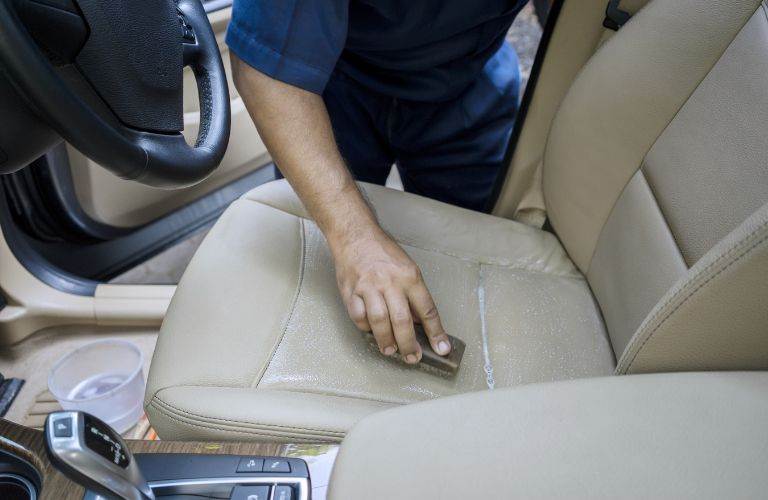
Common Types of Mercedes Leather Seat Damage
Mercedes interiors are built to feel refined, comfortable, and durable, but daily use can gradually affect even premium upholstery. Before choosing a repair method, it is important to identify the exact type of damage. Different problems require different products, techniques, and levels of professional skill.
Surface Cracks
Surface cracks are among the most common problems found on older Mercedes seats. They usually appear as thin lines in areas exposed to frequent friction, especially the driver’s seat bolster and lower seat cushion. These cracks often develop when the protective coating becomes dry, brittle, or worn away.
Minor surface cracks can usually be repaired with proper cleaning, light sanding, leather filler, colorant, and a protective finish. Treating them early is important because small cracks can deepen over time and become much more expensive to restore.
Deep Cracks
Deep cracks extend beyond the surface coating and into the leather itself. They may feel rough, open when pressure is applied, and reveal a lighter layer underneath. Deep cracking is often caused by years of dryness, heat exposure, and repeated movement.
These repairs require more preparation than simple cosmetic touch-ups. The technician may need to clean the area thoroughly, rebuild the damaged section with flexible filler, recreate the grain pattern, recolor the surface, and seal it with a durable topcoat. Poorly repaired deep cracks may reopen after only a short period.
Leather Tears
A tear can occur when the leather is punctured by a sharp object, weakened by age, or pulled apart along a seam. Small tears may be repaired by placing a backing material beneath the damaged area, applying flexible adhesive, and rebuilding the surface with filler.
Large tears are more difficult because the leather may have stretched, hardened, or lost structural strength. In these cases, professional Mercedes leather seat repair is usually the safest option. A specialist can determine whether the original material can be saved or whether a matching leather panel should be installed.
Worn Leather
Worn leather often looks shiny, smooth, faded, or uneven. The surface may lose its original grain because of constant contact with clothing, body oils, and repeated entry and exit. Driver’s seat bolsters are especially vulnerable.
Wear is not always a sign that the leather needs replacement. In many cases, the area can be degreased, refinished, recolored, and protected. Restoring worn leather early helps preserve the original upholstery and prevents the surface from becoming thin or fragile.
Fading and Discoloration
Sunlight, heat, cleaning chemicals, spilled drinks, clothing dye, and body oils can all change the color of Mercedes leather seats. Dark interiors may develop pale patches, while light-colored seats may show stains, yellowing, or dye transfer.
A professional color-matching process can restore the affected area without recoloring the entire seat. The result depends heavily on surface preparation and the quality of the dye. Using an incorrect shade may make the repair more noticeable than the original damage.
Peeling Finish
Peeling is sometimes mistaken for cracked leather, but the problem may only involve the colored coating or protective finish. This often appears as flaking, bubbling, or small sections of color lifting from the surface.
The damaged coating must usually be removed before a new finish is applied. Simply painting over peeling material can trap loose layers underneath and cause the repair to fail. Proper preparation creates a smoother, longer-lasting result.
Burn Holes
Cigarette ash, hot tools, and other heat sources can leave small holes or hardened areas in the seat surface. Burn damage may affect the leather, foam, and backing material beneath it.
Minor burns can sometimes be filled and recolored, but deep holes may require a patch or replacement panel. Perforated leather is especially challenging because the repair must preserve the original hole pattern and allow ventilation features to continue working properly.
What Causes Mercedes Leather Seats to Crack and Wear?
Understanding the cause of the damage is just as important as repairing it. Without correcting the underlying problem, cracks, fading, and wear may return even after a successful restoration.
Sunlight and UV Exposure
Ultraviolet radiation gradually breaks down leather coatings and fades color. A vehicle parked outdoors for long periods can experience significant interior damage, especially in hot climates. Sunlight also raises the cabin temperature, causing the leather to dry out and lose flexibility.
Using a windshield sunshade, parking in covered areas, and applying suitable UV protection can help reduce this damage.
Heat and Temperature Changes
Leather expands and contracts as cabin temperatures change. Repeated exposure to extreme heat and cold can weaken both the material and its protective coating. Over time, the surface may become stiff, dry, and more likely to crack.
This problem is common in vehicles that remain parked outside throughout the year. Climate-controlled storage is ideal, but regular cleaning and conditioning can still provide useful protection.
Lack of Proper Maintenance
Many owners clean the exterior regularly but neglect the seats until visible damage appears. Dust, sweat, oils, and grime gradually accumulate in the grain of the leather. These contaminants can wear away the protective finish and make the surface feel sticky, shiny, or brittle.
A gentle cleaning routine removes buildup before it causes permanent damage. Conditioning may also help maintain flexibility, but products should always be suitable for automotive leather and used in moderation.
Body Oils and Perspiration
Body oils and sweat transfer to the seat during every drive. The driver’s seat is affected most because it receives constant contact. Over time, oils can penetrate worn protective coatings, soften some areas, darken the leather, and weaken the finish.
Regular cleaning is especially important on light-colored interiors and high-contact areas such as bolsters, armrests, and headrests.
Friction and Daily Use
Sliding across the seat during entry and exit creates repeated friction. This gradually removes color and protective coating from the side bolster. Drivers who wear clothing with metal buttons, belts, or sharp accessories may accelerate the damage.
Changing the way you enter and exit the vehicle can reduce unnecessary stress. Lowering yourself into the seat instead of sliding across the bolster may noticeably extend the life of the leather.
Harsh Cleaning Products
Household cleaners, alcohol-based sprays, strong detergents, and abrasive tools can damage automotive leather. These products may remove oils, weaken the finish, change the color, or leave the surface dry and sticky.
Mercedes leather seat repair professionals often encounter damage caused by products that were intended to clean or disinfect the interior. A pH-balanced automotive leather cleaner is generally a safer choice.
Delayed Repairs
A small scratch or surface crack may seem harmless at first, but movement, pressure, and dirt can make it worse. Once the protective coating is broken, moisture and contamination can enter the material more easily.
Repairing minor damage early is usually faster, less expensive, and more successful than waiting until the leather splits or loses structural strength.
Can You Repair Mercedes Leather Seats Yourself?
DIY repair can be a practical option for minor cosmetic damage, but it requires patience, careful preparation, and realistic expectations. The goal should be to stabilize the area and improve its appearance, not to hide major structural damage with a quick cosmetic layer.
Damage Suitable for DIY Repair
A home repair may be appropriate for light scratches, shallow surface cracks, small faded areas, minor scuffs, and limited color loss. These problems usually affect the finish rather than the structure of the leather.
Deep tears, stretched leather, damaged seams, large holes, severe peeling, and failing foam should be handled by a professional. Seats with heating, ventilation, sensors, or airbag components also require extra care.
Tools and Materials You May Need
A basic Mercedes leather seat repair project may require leather cleaner, degreaser, fine abrasive pads, flexible leather filler, matching colorant, applicator sponges, protective topcoat, and leather conditioner.
Choosing the correct products is essential. Some Mercedes interiors use genuine leather, while others use Nappa leather, MB-Tex, vinyl, or a combination of materials. A product designed for one surface may not perform properly on another.
Step 1: Inspect the Material
Before starting, confirm whether the damaged section is genuine leather, synthetic upholstery, or coated material. Inspect the texture, grain, flexibility, and location of the panel. When uncertain, check the vehicle specification or consult an upholstery specialist.
This step prevents a common and costly mistake: applying a leather product to a surface that requires a vinyl or synthetic repair system.
Step 2: Clean the Area Thoroughly
Remove dirt, oil, and previous dressings with a suitable cleaner. A clean surface allows filler, dye, and protective coating to bond properly. Pay close attention to creases and grain lines where contamination can remain trapped.
Allow the area to dry completely before continuing.
Step 3: Prepare the Damaged Surface
Lightly smooth raised edges, peeling finish, and rough cracks with a fine abrasive pad. The goal is not to remove large amounts of material. It is to create a stable, even surface for the repair.
Aggressive sanding can damage the grain and make the final result look artificial.
Step 4: Apply Flexible Filler
Use thin layers of filler to rebuild shallow cracks or small damaged areas. Allow each layer to dry before applying the next one. Several light applications usually create a better result than one thick layer.
Too much filler can make the area stiff, smooth, and more likely to crack again.
Step 5: Match and Apply the Color
Test the color in an inconspicuous location before applying it to the visible repair. Mercedes interiors may use complex factory shades, and age can slightly change the appearance of the surrounding leather.
Apply the color in thin, even layers. Build coverage gradually to avoid a heavy painted appearance.
Step 6: Seal the Repair
A protective topcoat helps restore the correct sheen and protects the new color from friction, moisture, and daily use. Depending on the interior, the finish may be matte, satin, or slightly glossy.
Using the wrong sheen can make a color-matched repair stand out.
Step 7: Allow Proper Curing Time
Do not sit on, clean, or condition the repaired area until the products have cured according to the manufacturer’s instructions. Rushing this stage may cause fingerprints, sticking, peeling, or premature wear.
Common DIY Mistakes
The most common mistakes include skipping the cleaning stage, choosing the wrong color, using household paint, applying too much filler, overheating the leather, and failing to seal the repair.
DIY work can be cost-effective for small imperfections, but poor repairs may be difficult to remove. When the seat is valuable, heavily damaged, or part of a premium interior package, professional Mercedes leather seat repair may provide a safer and more durable result.
Professional Mercedes Leather Seat Repair
While DIY repairs can be effective for minor cosmetic imperfections, they have limitations. Deep cracks, extensive tears, severe discoloration, or damaged seat bolsters often require professional restoration. Skilled technicians have access to specialized equipment, factory-grade color matching systems, and repair techniques that produce results difficult to achieve at home.
How Professional Leather Repair Works
Professional Mercedes leather seat repair begins with a thorough inspection of the damaged area. Technicians evaluate the condition of the leather, identify the cause of the damage, and determine whether repair or partial replacement will provide the best long-term result.
The restoration process typically starts with deep cleaning and degreasing to remove embedded dirt, body oils, silicone residues, and old leather treatments. Any loose coating, peeling finish, or deteriorated material is carefully removed to create a stable surface.
Once the leather is properly prepared, cracks, scratches, and small tears are repaired using flexible fillers and reinforcement materials. Larger tears may require an internal backing patch to strengthen the damaged section before rebuilding the surface. Skilled technicians also recreate the original leather grain so the repaired area blends naturally with the surrounding upholstery.
Color restoration is one of the most important steps. Mercedes interiors are available in dozens of factory colors, including Black, Macchiato Beige, Saddle Brown, Crystal Grey, Silk Beige, and numerous exclusive AMG and Designo finishes. Professional color matching systems allow technicians to create a custom blend that closely replicates the original factory appearance.
After the color has been applied, several protective coatings are added to improve durability and restore the correct level of gloss. The final surface is cured before the repair is inspected for consistency, texture, and overall finish.
When Should You Hire a Professional?
Professional repair is strongly recommended when the leather has structural damage or when preserving the vehicle’s value is a priority.
You should consider professional restoration if your Mercedes has:
Large tears or punctures
Deep cracks covering multiple sections
Extensive peeling or flaking
Collapsed seat foam
Broken stitching
Damaged seat bolsters
Burn holes
Water damage
Leather shrinkage
Multiple damaged panels
Owners of newer Mercedes-Benz models often prefer professional repairs because maintaining the original upholstery generally preserves more value than replacing individual seat covers with aftermarket materials.
Benefits of Professional Mercedes Leather Seat Repair
Professional restoration offers several advantages over temporary cosmetic fixes.
Accurate factory color matching creates a nearly invisible repair.
Flexible repair materials move naturally with the leather during daily use.
Specialized equipment produces a more durable finish that resists cracking and peeling.
Original leather is preserved whenever possible, helping maintain authenticity and resale value.
Most professional repairs can be completed within a single day, allowing owners to return their vehicles to service quickly.
Although professional repair costs more than a DIY kit, it is often significantly less expensive than replacing an entire seat or complete interior.
Mercedes Leather Seat Repair Cost
One of the first questions owners ask is how much leather seat repair will cost. The answer depends on several variables, including the type of damage, the size of the affected area, the leather material, and labor rates in your region.
Minor cosmetic repairs are generally affordable because they require limited preparation and materials. More extensive damage involving multiple repair techniques naturally increases both labor time and overall cost.
Below are general price ranges that many vehicle owners can expect.
| Repair Type | Typical Cost (USD) |
|---|---|
| Small scratch repair | $75 to $150 |
| Minor crack repair | $100 to $250 |
| Color restoration | $150 to $350 |
| Small tear repair | $150 to $400 |
| Large tear repair | $300 to $700 |
| Seat bolster restoration | $250 to $600 |
| Full seat restoration | $500 to $1,200 |
| Complete leather replacement | $1,500 to $4,000+ |
These figures are estimates only. Premium Mercedes models equipped with Nappa leather, Designo interiors, or AMG-exclusive upholstery may cost more because of the additional labor involved in matching specialized colors and textures.
Factors That Affect Repair Costs
Several factors influence the final price.
The severity of the damage is usually the largest factor. A small surface crack requires much less work than a torn seat with collapsed foam.
The leather type also matters. Genuine leather, semi-aniline leather, full aniline leather, and Nappa leather each require different restoration methods. MB-Tex upholstery may use different repair products than natural leather.
Vehicle model also affects pricing. Luxury models such as the S-Class, GLS, or Maybach often feature more complex seat designs with intricate stitching, perforated leather, massage functions, heating, ventilation, and integrated airbags.
Seat color can increase repair complexity as well. Standard black interiors are generally easier to match than rare colors or multi-tone combinations.
Geographic location also plays a role because labor costs vary significantly between cities and regions.
Is Repair More Cost Effective Than Replacement?
In many situations, yes.
If the leather damage affects only a small section of the seat, professional restoration typically costs only a fraction of full replacement while preserving the factory upholstery.
Replacing an entire seat cover may be necessary only when the leather has deteriorated beyond repair or when multiple panels have failed simultaneously.
For most Mercedes owners, repairing early provides the best balance between cost, appearance, and long-term value.
Mercedes Leather Seat Repair vs Seat Replacement
Choosing between repairing and replacing damaged leather seats depends on the condition of the upholstery, the age of the vehicle, and your long-term ownership plans.
Although replacing the leather may seem like the permanent solution, it is not always the most practical or economical option.
When Repair Is the Better Choice
Repair is usually recommended when the damage is localized.
Small cracks
Minor tears
Surface scratches
Color fading
Worn seat bolsters
Light peeling
Small burn marks
These types of damage can often be restored without replacing the original leather, allowing the interior to retain its factory appearance.
Repair also minimizes downtime. Many restoration specialists can complete the work within a few hours, while replacement upholstery may require ordering materials and several days of installation.
When Replacement Makes More Sense
Replacement becomes the better option when the leather has suffered extensive structural deterioration.
Examples include:
Large sections of missing leather
Multiple torn panels
Severe shrinkage
Major foam damage
Flood damage
Fire damage
Repeated failed repairs
Replacement may also be appropriate during a complete interior restoration project or when upgrading to a different leather color or material.
Comparing Repair and Replacement
Repair is generally less expensive, faster, and preserves the original factory upholstery. It is ideal for maintaining originality while extending the life of the existing seats.
Replacement provides an entirely new leather surface but comes with significantly higher costs and longer installation times. Color matching between new and existing leather can also be challenging if only one seat is replaced.
For collectors and owners of high-end Mercedes-Benz vehicles, preserving the original interior is often considered more desirable than replacing individual seat covers with non-original materials.
Making the Right Decision
The best approach is to evaluate the extent of the damage before making a decision.
If the leather remains structurally sound, professional Mercedes leather seat repair is usually the most practical investment. Early restoration prevents small imperfections from developing into major failures and helps maintain the luxury appearance that Mercedes-Benz interiors are known for.
However, if the upholstery has reached the end of its service life or the damage affects multiple components beneath the leather, replacement may provide a more durable long-term solution.
How to Keep Mercedes Leather Seats Looking New
Repairing damaged leather is only part of maintaining a premium interior. Consistent care is the best way to prevent cracks, fading, discoloration, and premature wear. Mercedes leather seats are designed to last for many years, but their longevity depends largely on how they are cleaned, protected, and maintained throughout the life of the vehicle.
Clean the Seats Regularly
Dust, dirt, and tiny abrasive particles accumulate on leather surfaces every time you drive. Over time, these contaminants work like fine sandpaper, gradually wearing away the protective coating.
Clean the seats every two to four weeks using a pH-balanced leather cleaner specifically formulated for automotive interiors. Apply the cleaner to a microfiber cloth rather than spraying it directly onto the seat. Gently wipe the leather using circular motions, paying extra attention to creases, seams, and perforated sections where dirt tends to collect.
Avoid soaking the leather with excessive liquid, as moisture can penetrate stitching and underlying foam.
Condition the Leather Periodically
Leather naturally loses moisture as it ages. Heat, sunlight, and daily use accelerate this process, making the material stiffer and more susceptible to cracking.
A high-quality leather conditioner helps maintain flexibility and supports the protective finish. Most Mercedes leather seats benefit from conditioning every three to six months, although vehicles exposed to intense sunlight or extreme temperatures may require more frequent treatment.
Apply only a thin layer of conditioner and allow it to absorb completely before using the vehicle. Excess product can attract dust and leave the surface feeling greasy.
Protect the Interior from UV Damage
Ultraviolet radiation is one of the leading causes of fading and leather deterioration. Long hours of direct sunlight gradually break down pigments and protective coatings, especially on darker interiors.
Whenever possible, park in a garage or shaded area. If covered parking is unavailable, use a quality windshield sunshade to reduce interior temperatures and limit UV exposure.
Window tint that complies with local regulations can also reduce harmful ultraviolet rays while helping to keep the cabin cooler.
Avoid Extreme Heat
High cabin temperatures place significant stress on leather upholstery. During summer months, interior temperatures can rise well above 140°F (60°C), causing leather to dry, shrink, and lose elasticity.
Opening the windows briefly before driving, using remote climate control when available, and parking in shaded areas can help reduce heat buildup inside the vehicle.
Remove Spills Immediately
Coffee, soft drinks, sunscreen, cosmetics, food, and other substances should be cleaned as soon as possible.
Leaving spills on the leather allows liquids to penetrate the protective coating, increasing the risk of permanent staining or discoloration.
Blot spills gently with a clean microfiber towel rather than rubbing aggressively, which may spread the stain or damage the finish.
Minimize Friction
The driver’s seat experiences more wear than any other part of the interior because of repeated entry and exit.
Try to sit down gently rather than sliding across the side bolster. Clothing with metal rivets, decorative belts, or sharp accessories can also scratch the leather over time.
Small adjustments to everyday habits can significantly extend the life of your seats.
Choose the Right Cleaning Products
Not every leather care product is suitable for Mercedes interiors.
Avoid household cleaners, bleach, ammonia-based products, silicone sprays, baby wipes containing alcohol, or abrasive scrubbing pads. These products may strip away the factory finish and accelerate deterioration.
Always choose products designed specifically for automotive leather and follow the manufacturer’s instructions.
Schedule Professional Maintenance
Even if your seats appear to be in excellent condition, periodic inspections by a professional upholstery specialist can identify early signs of wear before they become expensive repairs.
Professional cleaning and protective treatments every one to two years can help preserve both the appearance and value of your Mercedes.
Frequently Asked Questions
Can cracked Mercedes leather seats be repaired?
Yes. Most surface cracks and many deeper cracks can be repaired successfully using specialized fillers, color-matching systems, and protective coatings. The earlier the damage is addressed, the better the final result.
How long does Mercedes leather seat repair last?
A professional repair can last for many years when high-quality materials are used and the seats are maintained properly. Regular cleaning, conditioning, and protection from sunlight all contribute to the longevity of the repair.
Is it cheaper to repair or replace Mercedes leather seats?
In most cases, repairing damaged leather is significantly less expensive than replacing an entire seat cover. Replacement is generally recommended only when the leather has extensive structural damage or multiple panels require replacement.
Can the repaired area match the original factory color?
Yes. Experienced technicians use computerized color-matching systems to recreate Mercedes factory colors with remarkable accuracy. While exact results depend on the condition of the surrounding leather, a properly performed repair is often difficult to detect.
Can I repair Mercedes leather seats myself?
DIY repair is suitable for light scratches, minor surface cracks, and small areas of fading. Large tears, deep cracks, peeling finishes, or structural damage should be repaired by a professional to ensure durability and maintain the original appearance.
Does repairing leather seats increase resale value?
A well-maintained interior makes a strong impression on potential buyers and can improve the overall resale appeal of your vehicle. Repairing visible damage before selling often helps preserve the value of the car and demonstrates that it has been properly maintained.
Are Nappa leather seats more difficult to repair?
Yes. Nappa leather is softer and more luxurious than standard automotive leather, requiring specialized repair techniques and precise color matching. Repairs should ideally be performed by technicians experienced with premium Mercedes interiors.
How can I prevent my Mercedes leather seats from cracking again?
Regular cleaning, conditioning every three to six months, minimizing direct sunlight, reducing excessive heat exposure, and repairing minor damage promptly are the most effective ways to prevent future cracking.
Conclusion
Mercedes leather seats are more than just a comfort feature. They are a defining element of the brand’s luxury experience and play an important role in preserving the vehicle’s appearance and resale value. Over time, even premium upholstery can develop cracks, tears, fading, and worn areas, but these issues do not necessarily mean the seats need to be replaced.
Understanding the type and severity of the damage is the first step toward choosing the right solution. Minor imperfections can often be addressed with careful DIY techniques, while larger or more complex issues benefit from professional Mercedes leather seat repair. Early restoration not only improves the appearance of the interior but also prevents small defects from becoming costly structural problems.
Regular maintenance is equally important. Cleaning the seats with appropriate products, conditioning the leather on a routine schedule, protecting the interior from excessive sunlight, and addressing damage as soon as it appears can significantly extend the life of your upholstery. These simple habits help preserve the craftsmanship and elegance that Mercedes-Benz interiors are known for.
Whether you own a C-Class, E-Class, S-Class, GLE, GLS, G-Class, or another Mercedes model, investing in timely leather seat repair is often the most cost-effective way to maintain your vehicle’s premium cabin. With the right care and professional restoration when needed, your leather seats can continue to deliver the comfort, sophistication, and value expected from one of the world’s leading luxury automotive brands.