Few situations are more frustrating than walking up to your Mazda, pressing the unlock button, and getting no response. Whether you are heading to work, picking up your family, or running errands, a key fob that suddenly stops working can leave you feeling stuck and uncertain about what to do next. Many drivers immediately assume they need an expensive replacement, but that is often not the case. In many situations, the problem is surprisingly simple and can be resolved in just a few minutes.
If your Mazda key fob is not working, the issue could be anything from a depleted battery to signal interference or a programming problem. In some cases, the fault may not even be inside the key fob. A weak vehicle battery, a damaged receiver, or an electronic malfunction can produce similar symptoms. Because several different issues can lead to the same result, identifying the real cause is the first step toward an effective solution.
This guide explains the ten most common reasons why a Mazda key fob stops working and shows you how to diagnose each one. You will learn which problems you can safely fix at home, which warning signs require professional attention, and how to avoid spending money on unnecessary repairs. Whether you drive a Mazda3, Mazda6, CX 5, CX 30, CX 50, CX 70, or CX 90, the troubleshooting steps in this article will help you narrow down the problem and get your key fob working again as quickly as possible.
Before moving on to the detailed causes, let us begin with a quick symptom checker. This simple overview can help you identify the most likely problem in less than a minute and point you toward the right solution.
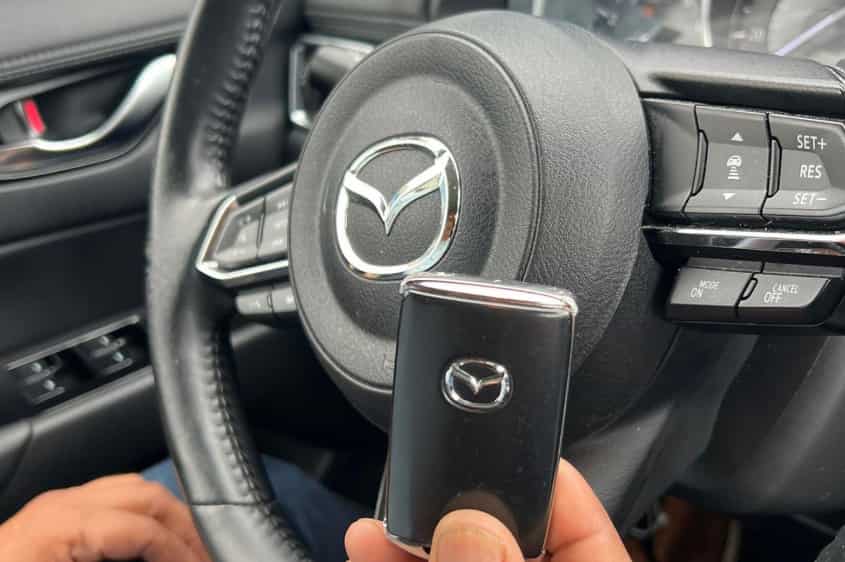
Mazda Key Fob Not Working: Quick Symptom Checker
A Mazda key fob can stop working without warning, but the symptoms usually provide valuable clues. Instead of guessing or ordering a replacement right away, spend a few minutes identifying what actually happens when you press the buttons. This simple step can help you avoid unnecessary expenses and point you toward the correct solution much faster. In many cases, the issue has a straightforward fix that you can handle at home without special tools or technical experience.
Different symptoms often indicate different problems. For example, a completely unresponsive key fob usually suggests a dead battery, while a limited operating range may indicate a weak battery or signal interference. If your vehicle displays Key Not Detected, the key may struggle to communicate with the car, or the problem may involve the vehicle rather than the key itself. Comparing your symptoms with the table below gives you a practical starting point before moving on to detailed troubleshooting.
| Symptom | Possible Cause | First Fix to Try |
|---|---|---|
| None of the buttons respond | Dead key fob battery | Replace the battery with the correct type |
| The key works only at a short distance | Weak battery or signal interference | Install a fresh battery and move away from nearby electronics |
| The vehicle displays Key Not Detected | Weak key signal or communication issue | Hold the key fob close to the Start button and try again |
| The key stopped working after a battery replacement | Incorrect battery installation or poor battery contact | Check the battery orientation and confirm it sits securely |
| The spare key works normally | Internal key fob damage or programming issue | Inspect the primary key and compare its performance |
| Neither key fob works | Weak vehicle battery or receiver problem | Test the vehicle battery before replacing the key fob |
| One button works while another does not | Worn button pad or dirty contacts | Clean the button area and inspect the outer shell |
Use this quick symptom checker as your first step instead of jumping to conclusions. Start with the simplest and least expensive solution, then work through the remaining sections if the problem continues. This method helps you diagnose your Mazda key fob more accurately and reduces the chance of replacing parts that still work properly.
The Mazda Key Fob Battery Is Dead
A dead battery is the most common reason a Mazda key fob stops working. Like any battery powered device, a key fob gradually loses power over time. As the battery weakens, the signal becomes less reliable. You may notice that you need to stand much closer to the vehicle before the buttons respond. In some cases, the key works only after several attempts. Eventually, the buttons stop working altogether.
Many Mazda models also display a Low Key Battery warning before the battery fails completely. Although this warning gives you time to replace the battery, many drivers ignore it until the key fob no longer responds. Replacing the battery at the first sign of trouble can prevent unexpected inconvenience and help you avoid getting locked out of your vehicle.
Before buying a new battery, check your owner’s manual or open the key fob to identify the correct battery type. Different Mazda models may use different coin cell batteries, so choosing the right replacement is important. When installing the new battery, make sure the positive and negative sides match the markings inside the battery compartment. Even a brand new battery will not work if you install it incorrectly.
After replacing the battery, test every button from a normal operating distance. Confirm that the lock, unlock, trunk release, and panic functions all respond correctly. If the key fob still does not work, inspect the battery contacts for dirt or damage before assuming a more serious problem exists.
Replacing a key fob battery costs very little and usually takes only a few minutes. For that reason, you should always start here before considering key programming or purchasing a replacement key. A simple battery change often restores full functionality and saves you from paying for repairs that you never needed.
The New Battery Was Installed Incorrectly
Replacing the battery should solve the problem in many cases, but a new battery does not guarantee that your Mazda key fob will work again. Many drivers install a fresh battery, press the buttons with confidence, and feel confused when nothing happens. Fortunately, this situation often has a simple explanation that you can fix in just a few minutes.
Start by checking the battery orientation. Every key fob requires the positive and negative sides to face the correct direction. If you install the battery upside down, the key fob cannot receive power even though the battery is brand new. Open the key fob carefully and compare the battery position with the markings inside the battery compartment.
Next, confirm that you purchased the correct battery type. Some coin cell batteries look almost identical, but small differences in size or thickness can prevent proper contact. A battery that fits loosely may fail to deliver consistent power. Always compare the replacement battery with the original one or verify the specification in your owner’s manual before installation.
You should also inspect the metal contacts inside the key fob. Dust, corrosion, or bent terminals can interrupt the electrical connection and prevent the battery from supplying power. Clean the contacts gently with a dry microfiber cloth and make sure they press firmly against the battery after you close the case.
Another common mistake involves low quality replacement batteries. Some inexpensive batteries lose power during storage or arrive with a low charge. If the key fob still does not respond, try another battery from a reputable manufacturer before assuming the key requires programming or replacement.
A careful battery installation often solves the problem without additional repairs. Taking a few extra minutes to verify each step can save you the cost and frustration of replacing a key fob that still works perfectly.
The Key Fob Is in Power Saving Mode
Many Mazda owners do not realize that a key fob can enter a power saving mode under certain conditions. When this happens, the key may appear completely unresponsive even though the battery and internal components still work properly. Because the symptoms closely resemble a dead battery, many drivers replace the battery first and become frustrated when the problem remains.
Power saving mode helps reduce battery consumption when the key fob stays unused for an extended period. In some cases, pressing certain button combinations by accident may also affect how the key communicates with the vehicle. While this feature varies by model and production year, it can prevent the key fob from transmitting its normal signal until you reactivate it.
If you suspect your key fob has entered power saving mode, move closer to your Mazda and press the unlock button several times. You should also try the lock button and the panic button to see whether the key responds. If your vehicle has a push button start system, hold the key fob close to the Start button and attempt to start the engine. Many Mazda models can recognize the key at close range even when the battery signal becomes weak.
If these steps do not solve the problem, take out your spare key and test it under the same conditions. A working spare key can quickly tell you whether the issue involves the original key fob or another part of the vehicle. Avoid following random reset procedures that you find online because many of them apply only to specific Mazda models. Using the wrong sequence rarely fixes the problem and may create unnecessary confusion during the troubleshooting process.
Checking for power saving mode takes only a few minutes, yet it can eliminate another possible cause before you move on to more advanced diagnostics. A systematic approach always delivers better results than replacing parts without confirming the source of the problem.
Signal Interference Is Blocking Communication
Your Mazda key fob relies on a wireless radio signal to communicate with the vehicle. If another device interrupts or weakens that signal, the key fob may stop working even though every internal component functions normally. This type of problem often appears without warning, which makes it difficult to recognize. Fortunately, you can usually identify signal interference with a few simple checks.
Start by looking at your surroundings. Large parking garages, shopping centers, airports, office buildings, and areas with heavy electronic equipment often contain devices that produce strong radio signals. Security systems, wireless transmitters, and communication equipment may interfere with the signal between the key fob and your vehicle. As a result, the doors may not unlock, or the push button start system may fail to recognize the key.
Personal electronic devices can also contribute to the problem. Carrying your key fob next to a smartphone, wireless charger, laptop, Bluetooth device, or portable power bank may reduce its ability to communicate with the vehicle. Although these devices do not always cause interference, they can affect the signal in certain environments. Try separating the key fob from other electronics and test it again from a normal distance.
If the key works after you move to another location, signal interference is the most likely cause. For example, your key fob may fail in one parking lot but operate perfectly at home or in another area. This pattern usually indicates an environmental issue rather than a faulty key fob.
Before replacing the key or scheduling an expensive repair, test the key in several different locations. This simple step can save you unnecessary costs and help you avoid replacing parts that work exactly as they should. Once you rule out signal interference, you can continue with the remaining troubleshooting steps and focus on other possible causes with greater confidence.
The Key Fob Needs to Be Reprogrammed
If replacing the battery does not solve the problem, your Mazda key fob may have lost its connection with the vehicle. Every smart key contains a unique electronic code that allows it to communicate securely with the car. When that connection fails, the key fob may unlock the doors inconsistently, fail to activate the push button start system, or stop responding altogether. Although this issue is less common than a dead battery, it can occur after certain repairs or electronic faults.
Several situations can cause a programming issue. For example, replacing specific vehicle control modules, installing a new key fob, or repairing the vehicle’s electrical system may require the key to pair with the vehicle again. Internal damage to the key fob can also interrupt communication, even if the battery still provides enough power. Because these symptoms often resemble other problems, many owners replace batteries or purchase new keys before identifying the real cause.
You should understand that replacing a battery and programming a key are two completely different procedures. Installing a fresh battery simply restores power to the key fob. Programming creates a secure connection between the key and the vehicle’s security system. If the programming becomes corrupted or the pairing fails, a new battery alone cannot restore normal operation.
Many modern Mazda models require specialized diagnostic equipment to complete the programming process. Depending on the model and production year, a qualified automotive locksmith may perform the service, or you may need assistance from a Mazda dealership. Before paying for programming, test your spare key. If the spare key works correctly, the original key likely contains the problem. If neither key works, the issue may involve the vehicle instead of the key fob.
Always confirm the actual cause before requesting programming. A proper diagnosis can prevent unnecessary expenses and help you restore your Mazda key fob more quickly and efficiently.
The Key Fob Has Internal Water or Physical Damage
Even a well maintained Mazda key fob can suffer internal damage over time. Unlike a dead battery, physical damage often develops gradually and produces inconsistent symptoms. The key may work one day and fail the next, or certain buttons may respond while others stop working completely. These warning signs usually indicate that the problem lies inside the key fob rather than the battery.
Accidental drops rank among the most common causes of internal damage. A hard impact can crack the circuit board, loosen small electronic components, or damage the battery contacts. Although the outer shell may show only minor scratches, the internal electronics can suffer much more serious damage. Water exposure creates another common problem. Rain, spilled drinks, or an accidental trip through the washing machine can allow moisture to enter the key fob and damage sensitive electrical components.
If your key fob becomes wet, remove the battery as soon as possible. Dry the exterior with a soft cloth and allow the internal components to air dry completely before installing a new battery. Avoid using a hair dryer or placing the key near direct heat because excessive temperatures can damage the plastic housing and delicate electronic parts. If you notice corrosion, green residue, or rust inside the key fob, professional cleaning or replacement may become necessary.
Carefully inspect the buttons and the outer shell while the key fob is open. Cracks, loose buttons, or signs of water intrusion often reveal the source of the problem. If the circuit board appears damaged or the key continues to fail after replacing the battery, repairing the key may no longer make financial sense. In many situations, replacing the damaged key fob provides a more reliable and cost effective solution than attempting repeated repairs.
The Buttons or Contacts Are Dirty or Worn Out
Daily use exposes your Mazda key fob to dust, dirt, moisture, and constant handling. Over time, these small particles collect around the buttons and inside the housing. While the buildup may seem harmless, it can reduce the responsiveness of the buttons and interrupt the electrical contact beneath them. As a result, the key fob may respond slowly, work only occasionally, or stop working altogether.
Pay close attention to how each button behaves. If the lock button works but the unlock or trunk release button does not, the problem often involves worn rubber pads or dirty contact points instead of a failed battery. Repeated use gradually wears down the rubber membrane that presses against the circuit board. Once the contact surface becomes too thin or damaged, the button can no longer complete the electrical connection consistently.
Open the key fob carefully and inspect the inside for dust, lint, or sticky residue. Use a soft brush or a microfiber cloth to remove loose debris. If necessary, clean the contact points gently with a small amount of electronic contact cleaner that is safe for delicate components. Avoid using excessive liquid because moisture can damage the circuit board and create additional problems. Before closing the housing, make sure every component sits in its original position.
The outer shell also deserves a careful inspection. Cracked plastic, loose buttons, or a damaged rubber membrane can affect how the buttons press against the internal contacts. In many cases, replacing only the key shell or the rubber button pad restores normal operation without replacing the entire electronic assembly. This repair usually costs much less than purchasing a new smart key.
If cleaning the contacts and replacing worn external parts do not improve performance, the circuit board may have developed an internal fault. At that point, professional testing can confirm whether repairing or replacing the key fob offers the most practical solution.
The Mazda Vehicle Battery Is Weak or Dead
Many drivers focus on the key fob when the doors refuse to unlock or the engine will not start. However, the real problem may come from the vehicle instead of the key. A weak or dead 12 volt battery can prevent several electronic systems from operating correctly, including the keyless entry system and the push button start function. If the vehicle cannot supply enough electrical power, it may fail to recognize the key fob even when the key works perfectly.
Look for other signs before assuming the key fob has failed. Dim headlights, slow engine cranking, flickering interior lights, or multiple warning messages on the dashboard often point to a weak vehicle battery. Some Mazda models may also display a Key Not Detected message because the vehicle struggles to communicate with the smart key when battery voltage drops below the required level.
If you suspect the vehicle battery, measure its voltage with a battery tester or a digital multimeter. A healthy battery should provide enough power to support the vehicle’s electronic systems even before the engine starts. If the voltage appears low, recharge the battery or have it tested at a qualified repair shop. Many automotive parts stores also offer free battery testing, making it easy to confirm whether the battery remains in good condition.
You should also consider the age of the battery. Most vehicle batteries lose performance as they age, especially in areas with extreme temperatures. An older battery may start the engine one day and fail without warning the next. Replacing a worn battery before it reaches the end of its service life can prevent unexpected breakdowns and reduce stress on other electrical components.
Always rule out a weak vehicle battery before replacing your Mazda key fob. This simple check can save you from spending money on unnecessary parts and helps ensure that you address the actual source of the problem instead of treating the symptoms.
The Vehicle’s Keyless Entry Receiver Is Malfunctioning
If both of your Mazda key fobs stop working, the problem may not involve the keys. Instead, the fault could be inside the vehicle. The keyless entry receiver communicates with the key fob and sends commands to the locking and security systems. If this receiver fails, the vehicle cannot recognize either key.
Several symptoms can point to a faulty receiver. The doors may not lock or unlock with the remote. The push button start system may display Key Not Detected. Both the primary key and the spare key may stop working at the same time. These signs often confuse drivers because they closely resemble a defective key fob.
Several issues can affect the receiver. A blown fuse may interrupt power. Damaged wiring can block communication. Water intrusion may damage sensitive electronics. In some cases, a faulty control module also causes the same symptoms. Aftermarket electronic accessories may create problems as well, especially if they were installed incorrectly.
Start with a few basic checks before scheduling a repair. Test both key fobs with fresh batteries. Try them in different locations to rule out signal interference. If neither key works under any condition, the vehicle itself becomes the most likely source of the problem.
A professional inspection can confirm the exact cause. A technician can scan the control modules, inspect the receiver, and test the wiring. This process identifies faults that you cannot detect during a visual inspection. Accurate testing also prevents unnecessary repairs.
Avoid replacing the receiver without a proper diagnosis. The receiver is only one part of the keyless entry system. Another electrical fault may produce the same symptoms. Identifying the real cause first saves money, reduces repair time, and restores normal operation more efficiently.
The Immobilizer System or Smart Key Has an Electronic Fault
If you have checked every previous cause and your Mazda key fob still does not work, the problem may involve the immobilizer system or the smart key itself. Although this situation is less common, it is usually more difficult to diagnose. These components protect your vehicle from theft by verifying that the correct key is present before allowing the engine to start.
An immobilizer fault can produce several confusing symptoms. The key fob may unlock the doors, but the engine will not start. In other cases, the vehicle may display Key Not Detected or another security warning. You may also notice that the push button start system does not respond, even though you recently installed a new battery in the key fob.
Start by testing your spare key. If the spare key starts the vehicle without any problems, the original key likely contains a damaged transponder chip or another internal fault. If neither key works, the immobilizer system or another electronic control module may require further inspection. This simple comparison helps narrow down the source of the problem before you pay for repairs.
Many Mazda models include an emergency starting procedure for situations like this. Depending on the model, you may need to hold the key fob close to the Start button while pressing the brake pedal. This method can help the vehicle detect the key when the battery signal is weak. However, it will not solve a failed immobilizer or a damaged transponder chip.
Electronic faults inside the immobilizer system usually require specialized diagnostic equipment. A qualified Mazda technician or an experienced automotive locksmith can test the system, identify the failed component, and recommend the correct repair. Accurate diagnosis saves time, reduces unnecessary costs, and ensures that your vehicle remains secure while restoring normal key operation.
What to Do When Your Mazda Says Key Not Detected
Seeing a Key Not Detected message on your dashboard can be frustrating, especially when you know the key fob is inside the vehicle. This warning does not always mean the key has failed. In many cases, the vehicle cannot communicate with the key because of a weak battery, signal interference, or an electrical issue. Finding the real cause is much easier when you check the simplest possibilities first.
Start by moving the key fob closer to the Start button. Many Mazda models can detect the key at a very short distance, even when the battery is almost empty. Next, remove your phone, wireless earbuds, or other electronic devices from the same pocket or bag. These devices may interfere with the wireless signal in certain situations.
If the warning remains, replace the key fob battery with the correct type. Even if the battery was replaced recently, check that you installed it correctly. The battery must face the correct direction and fit securely inside the compartment. A loose battery can interrupt the power supply and prevent the key from communicating with the vehicle.
The next step is to test your spare key. If the spare key works normally, the original key fob probably has an internal fault or requires programming. If neither key works, inspect the vehicle battery before replacing the key fob. A weak 12 volt battery can affect several electronic systems, including the smart key system.
Most Mazda models also include an emergency starting procedure. Hold the key fob against or very close to the Start button while pressing the brake pedal. Then press the Start button as described in your owner’s manual. This method may allow the vehicle to recognize the key when the battery signal becomes too weak for normal operation.
If none of these steps solve the problem, the vehicle may have a faulty receiver, an immobilizer issue, or another electronic fault. At that point, professional diagnostic testing offers the fastest and most reliable solution. A proper diagnosis identifies the exact cause and prevents unnecessary repairs or expensive parts replacement.
Mazda Key Fob Not Working After Battery Replacement
Many Mazda owners expect the key fob to work immediately after installing a new battery. When it does not, frustration quickly follows. Fortunately, a new battery does not always mean the key fob has failed. Several simple issues can prevent it from working, and most of them are easy to identify.
First, confirm that you installed the correct battery. Many coin cell batteries look almost identical, but a small difference in size or voltage can affect performance. Compare the new battery with the original one or check your owner’s manual before installing it.
Next, inspect the battery orientation. The positive and negative sides must match the markings inside the battery compartment. Even a high quality battery cannot power the key fob if you install it incorrectly. While the key fob is open, make sure the battery sits firmly against the metal contacts. Loose or bent contacts can interrupt the electrical connection.
You should also examine the battery compartment for dirt or corrosion. Dust, moisture, or oxidation may prevent the battery from delivering power. Clean the contacts carefully with a dry microfiber cloth. If you notice heavy corrosion, the internal circuit board may already have sustained damage.
If the key fob still does not respond, try another new battery from a trusted manufacturer. Some low quality batteries lose power during storage or arrive with a low charge. Testing a second battery helps eliminate this possibility before moving to more advanced troubleshooting.
The next step is to compare the primary key with your spare key. If the spare key works correctly, the original key may have internal damage or require programming. If neither key works, inspect the vehicle battery and keyless entry system instead of replacing the key fob.
When every basic check fails, professional diagnostics become the most practical solution. A qualified technician can determine whether the problem involves the smart key, the vehicle receiver, or the immobilizer system. This approach saves time, reduces unnecessary expenses, and ensures that the correct repair solves the problem the first time.
How to Start a Mazda When the Key Fob Is Not Working
A key fob that stops working does not always leave you stranded. Many Mazda models include a backup starting method that allows you to start the engine even when the key fob battery is weak. This feature can help you reach your destination while you arrange a permanent repair.
The first step is to unlock the driver’s door. If the remote buttons do not respond, remove the mechanical emergency key from the key fob. Insert it into the hidden door lock and unlock the vehicle manually. Once you are inside, keep the key fob with you before attempting to start the engine.
Next, press the brake pedal and place the key fob against or very close to the Start button. Many Mazda vehicles can detect the transponder chip at a short distance, even when the key fob battery has little or no power. While holding the key in position, press the Start button and wait for the engine to respond.
If the engine starts, replace the key fob battery as soon as possible. A weak battery often causes communication problems long before it fails completely. Installing a fresh battery can restore normal operation and help prevent the same issue from happening again.
If the vehicle still does not start, try your spare key if one is available. A working spare key can help determine whether the problem involves the original key fob or another part of the vehicle. If neither key works, inspect the vehicle battery because a weak 12 volt battery can also prevent the smart key system from operating correctly.
Keep in mind that the emergency starting procedure may vary by model and model year. Always follow the instructions in your owner’s manual for your specific Mazda. If every troubleshooting step fails, the vehicle may have an immobilizer fault, a damaged receiver, or another electronic problem that requires professional diagnosis.
When Should You Replace the Mazda Key Fob?
Not every faulty key fob needs a replacement. In many cases, a fresh battery, a thorough cleaning, or a simple repair restores normal operation. Replacing the entire key fob should be your last option after you have ruled out the most common causes. Taking a few extra minutes to troubleshoot the problem can save you a significant amount of money.
Start by checking the battery, the battery contacts, and the buttons. If the key fob responds after these basic repairs, you do not need a replacement. You should also test your spare key. If the spare key works normally, the original key likely has an internal fault that may still be repairable.
However, some situations make replacement the better choice. A cracked circuit board, severe water damage, or a failed transponder chip often costs more to repair than to replace. Heavy corrosion inside the key fob can also damage multiple electronic components. In these cases, repairs may only provide a temporary solution.
Physical damage is another important factor. A broken case, missing buttons, or worn rubber pads do not always require a complete replacement. You can often replace the outer shell or button pad while keeping the original electronics. This option usually costs much less than buying a new smart key.
If the key fob fails after multiple battery replacements, repeated programming attempts, and careful inspection, replacing it becomes the most practical solution. Before ordering a new key, verify that the problem does not involve the vehicle battery, the keyless entry receiver, or the immobilizer system. Replacing the wrong component only increases repair costs and delays the final solution.
When you decide to replace your Mazda key fob, choose a compatible replacement from a trusted source. A qualified automotive locksmith or an authorized Mazda dealer can program the new key correctly and confirm that every remote function operates as expected before you leave.
How Much Does a Mazda Key Fob Replacement Cost?
The cost of replacing a Mazda key fob depends on several factors. Your vehicle model, model year, key type, and programming requirements all affect the final price. Some vehicles use a basic remote key, while newer models rely on advanced smart keys with additional security features. As the technology becomes more sophisticated, replacement costs usually increase.
Programming also plays an important role. Purchasing a replacement key is only one part of the process. In many cases, the new key must be programmed to communicate with the vehicle before it can lock the doors or start the engine. Some replacements also require the mechanical emergency key to be cut, which adds to the total cost.
You have several replacement options. An authorized Mazda dealer can provide an original key that matches your vehicle specifications. This option offers the highest level of compatibility, but it often comes with the highest price. A qualified automotive locksmith may offer a more affordable solution while still providing professional programming services. Some aftermarket suppliers also sell compatible key fobs, although quality and compatibility can vary between manufacturers.
Before choosing a replacement, request a complete price estimate instead of focusing only on the cost of the key itself. Ask whether the quote includes programming, key cutting, diagnostic testing, and any additional service fees. A lower advertised price may not represent the final amount you will pay.
Avoid ordering a replacement key before confirming that the original one has actually failed. A dead battery, poor battery contact, signal interference, or a weak vehicle battery can produce symptoms that closely resemble a faulty key fob. Identifying the real cause first may save you the cost of replacing a key that still works properly.
Comparing several service providers is always a smart decision. A detailed quote and a proper diagnosis will help you choose the most cost effective solution while ensuring that your new Mazda key fob works correctly from the first day.
How to Prevent Mazda Key Fob Problems
Preventing key fob problems is much easier than dealing with them after they appear. A few simple habits can extend the life of your Mazda key fob and reduce the risk of unexpected failures. Regular maintenance also helps you avoid expensive repairs and unnecessary replacement costs.
Replace the key fob battery as soon as you notice a shorter operating range or delayed button response. Do not wait until the battery fails completely. A fresh battery provides a stronger signal and helps the smart key system communicate with the vehicle more reliably.
Protect the key fob from water, excessive heat, and strong impacts. Even a small amount of moisture can damage the internal circuit board over time. If you accidentally drop the key, inspect the case for cracks and confirm that every button still works correctly. Replacing a damaged shell early can prevent dirt and moisture from reaching the electronic components.
Store the key fob away from devices that produce strong wireless signals whenever possible. Mobile phones, portable chargers, and other electronic devices may interfere with communication in certain environments. Keeping the key separate from these devices can improve signal reliability.
Clean the key fob regularly with a soft, dry cloth. Remove dust and debris before they collect around the buttons. Avoid harsh chemicals or excessive moisture because they can damage the plastic housing and internal electronics.
Finally, keep your spare key in good working condition. Test it every few months and replace its battery when necessary. A working spare key provides a quick backup if your primary key fails. It also helps you identify whether the problem involves the key fob or the vehicle itself.
These simple preventive steps require very little time, but they can significantly reduce the chance of future key fob problems. A well maintained key fob delivers more reliable performance and helps you avoid unexpected inconvenience when you need your vehicle the most.
Frequently Asked Questions
Why is my Mazda key fob not working with a new battery?
A new battery does not always solve the problem. The battery may be installed incorrectly, the contacts may not touch the battery properly, or the replacement battery may be defective. Internal damage, programming issues, or a faulty vehicle receiver can also prevent the key fob from working.
Can I reset a Mazda key fob myself?
Some Mazda models allow basic reset or programming procedures, while others require specialized diagnostic equipment. The correct method depends on the model, model year, and type of smart key. Always follow the instructions in your owner’s manual before attempting a reset.
Why does my Mazda say Key Not Detected?
This warning usually appears when the vehicle cannot communicate with the smart key. A weak key fob battery, signal interference, a weak vehicle battery, or a faulty receiver can all trigger this message. In some cases, the immobilizer system may also require professional inspection.
Will a dead key fob battery stop my Mazda from starting?
Not always. Many Mazda models include an emergency starting procedure that allows the vehicle to detect the key at close range. Hold the key fob near the Start button and follow the instructions in your owner’s manual. This method may not work if the immobilizer system has an electronic fault.
How long does a Mazda key fob battery last?
Battery life varies depending on driving habits, climate, and how often you use the key fob. Replacing the battery as soon as you notice a weaker signal or reduced operating range helps prevent unexpected problems.
Why does my Mazda key fob work only at a short distance?
A limited operating range usually indicates a weak battery. However, signal interference, damaged internal components, or a faulty vehicle receiver can produce the same symptom. Start by replacing the battery before investigating more complex issues.
Can an automotive locksmith program a Mazda key fob?
Yes. Many professional automotive locksmiths can program compatible Mazda key fobs. The available services depend on the vehicle model, production year, and the equipment used by the locksmith. Always confirm compatibility before scheduling the service.
Why does my spare Mazda key work but the original one does not?
If the spare key works correctly, the original key probably has a dead battery, internal damage, worn buttons, or a programming issue. Comparing both keys is one of the fastest ways to determine whether the problem involves the key fob or the vehicle.
Can I drive my Mazda if the key fob battery is dead?
In many cases, yes. Most Mazda vehicles provide a backup method that allows you to unlock the door with the mechanical key and start the engine by holding the key fob close to the Start button. Check your owner’s manual for the correct procedure because it may vary by model.
Should I replace the key fob or repair it?
Start with the simplest solution first. Replace the battery, inspect the contacts, and test the spare key. If the circuit board, transponder chip, or internal electronics have failed, replacing the key fob is usually the most reliable long term solution.
Conclusion
A Mazda key fob that stops working does not always require an expensive replacement. In many cases, the solution is much simpler than most drivers expect. A dead battery, poor battery contact, signal interference, or a weak vehicle battery can all prevent the key from working properly. Starting with these basic checks can save both time and money.
If the simple solutions do not fix the problem, continue testing each possible cause step by step. Compare the primary key with the spare key, inspect the keyless entry system, and look for signs of physical damage. This method helps you identify the real issue instead of replacing parts that still work correctly.
Some problems require professional attention. A faulty receiver, a damaged transponder chip, or an immobilizer system failure often needs specialized diagnostic equipment. Fortunately, these issues are far less common than a weak battery or an installation error. A proper diagnosis allows you to choose the right repair and avoid unnecessary expenses.
We hope this guide has helped you understand why your Mazda key fob is not working and how to restore normal operation. By following a logical troubleshooting process, you can solve many common problems without replacing the entire key fob. If the issue continues after completing every step, contact a qualified Mazda technician or an experienced automotive locksmith for a complete inspection.
Have you experienced a Mazda key fob problem before? Share your experience, the solution that worked for you, and your Mazda model in the comments below. Your advice could help other owners diagnose the same issue more quickly.