There’s nothing more frustrating than pressing the liftgate button on your GMC Acadia and getting no response. Whether the liftgate refuses to open, stops halfway, beeps repeatedly, or loses its programmed opening height, these issues can quickly turn a convenient feature into an everyday inconvenience. Fortunately, many power liftgate problems don’t require expensive repairs or a trip to the dealership. In many cases, a simple reset can restore normal operation in just a few minutes.
The GMC Acadia power liftgate reset procedure is designed to recalibrate the liftgate system after common events such as a dead or disconnected battery, interrupted opening or closing cycles, software glitches, or accidental changes to the liftgate height settings. Performing a reset allows the liftgate control module to relearn its operating limits, helping the system function smoothly again.
In this comprehensive guide, you’ll learn how to reset your GMC Acadia power liftgate step by step, identify the warning signs that indicate a reset is needed, and troubleshoot common issues if the reset doesn’t solve the problem. We’ll also explain how to reprogram the liftgate opening height, discuss possible causes of persistent malfunctions, and help you determine when it’s time to seek professional service.
Whether you own a newer GMC Acadia with a hands-free power liftgate or an earlier model equipped with an automatic rear liftgate, this guide will help you safely restore proper operation and avoid unnecessary repair costs.
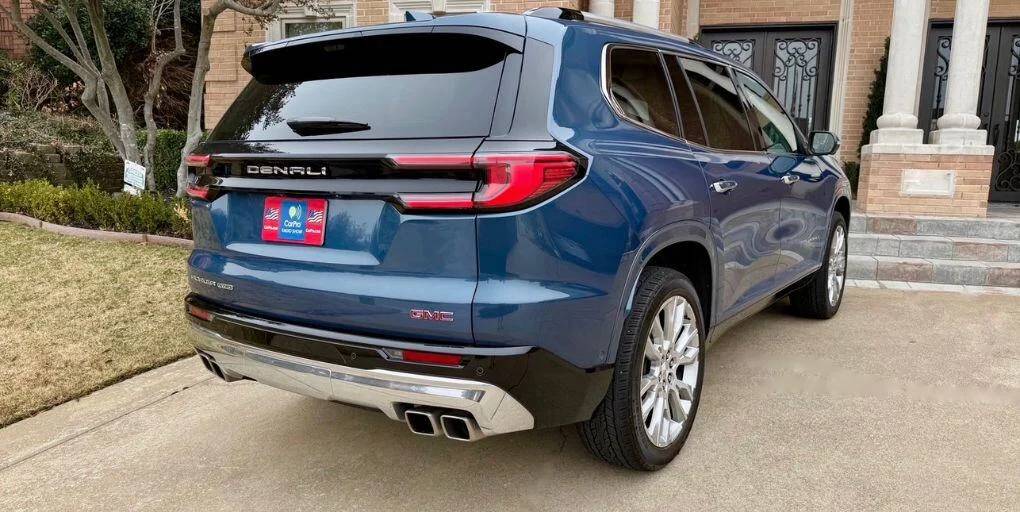
What Is the GMC Acadia Power Liftgate?
The GMC Acadia power liftgate is an electrically operated rear hatch designed to make loading and unloading cargo more convenient. Instead of lifting the rear door manually, drivers can open or close it using the key fob, an interior switch, the exterior liftgate button, or the button located on the liftgate itself. Depending on the model year and trim level, some GMC Acadia vehicles may also include hands-free operation, allowing the driver to activate the liftgate with a foot motion beneath the rear bumper.
The system relies on several components working together. These typically include the liftgate control module, electric struts or a drive motor, position sensors, switches, wiring, and safety sensors. When the driver presses an activation button, the control module receives the command and powers the liftgate through a controlled opening or closing cycle.
One of the most useful features is programmable height memory. This allows the owner to limit how high the liftgate opens, which can be helpful in garages with low ceilings or for drivers who cannot comfortably reach a fully raised liftgate. The selected height can usually be saved by manually moving the liftgate to the desired position and holding the programming button until a confirmation tone is heard.
The power liftgate also includes safety functions. Obstacle detection is designed to stop or reverse movement if the system senses resistance. This helps reduce the risk of injury or damage, although users should never rely entirely on the sensors. Children, pets, cargo, and body parts should always remain clear of the liftgate while it is moving.
When the liftgate loses its position memory, receives insufficient voltage, or detects a system interruption, it may stop working correctly. That is when a GMC Acadia power liftgate reset may be necessary.
Signs Your GMC Acadia Power Liftgate Needs a Reset
A malfunctioning power liftgate does not always mean that a motor, sensor, or control module has failed. In many cases, the system may simply have lost its programmed position or become confused after an interrupted operating cycle. Recognizing the symptoms can help you decide whether a reset is the right first step.
One common sign is a liftgate that refuses to open when you press the key fob or exterior button. You may hear a click or a warning chime, but the rear hatch remains closed. The opposite problem can also occur. The liftgate may open normally but fail to close completely, stopping before it reaches the latch.
Another frequent symptom is a liftgate that stops halfway through its travel. This can happen after someone manually pushes or pulls the liftgate while the motor is operating. It may also occur after a weak battery, a battery replacement, or a temporary loss of electrical power. When the control module no longer recognizes the correct open and closed positions, the liftgate may behave unpredictably.
Repeated beeping is another warning sign. A series of chimes may indicate an obstruction, an improperly latched liftgate, a low-voltage condition, or a problem with the programmed opening height. The liftgate may also move slowly, reverse unexpectedly, or work only when operated manually.
A lost height setting is one of the clearest signs that recalibration may be needed. For example, the liftgate may open fully even though you previously programmed a lower position, or it may stop much lower than expected.
Common symptoms include:
| Symptom | Possible Cause |
|---|---|
| Liftgate will not open | Lost calibration, low battery voltage, disabled power mode |
| Liftgate will not close | Obstruction, latch issue, incorrect position memory |
| Liftgate stops halfway | Interrupted cycle, sensor resistance, weak battery |
| Repeated warning beeps | Obstruction, system fault, incomplete latch |
| Height setting is lost | Memory reset, battery disconnection |
| Liftgate works manually only | Electrical fault, switch issue, control module error |
| Liftgate moves slowly | Weak battery, worn strut, motor resistance |
A reset is a sensible first troubleshooting step when these problems appear suddenly and there are no visible signs of physical damage.
Before Resetting the Power Liftgate
Before beginning the GMC Acadia power liftgate reset procedure, take a few minutes to inspect the vehicle and prepare a safe working area. A reset may not work if the battery is weak, the liftgate is obstructed, or a mechanical component is damaged.
Park the GMC Acadia on level ground and shift the transmission into Park. Make sure the vehicle is stable and that there is enough clearance behind and above the liftgate. This is especially important inside a garage, where a fully opening liftgate could strike the ceiling, garage door, or storage equipment.
Remove any cargo that may be pressing against the rear hatch from inside the vehicle. Check the area around the latch, hinges, weather seals, and liftgate opening for bags, straps, dirt, ice, or other obstructions. Even a small object can trigger the obstacle detection system and prevent a complete opening or closing cycle.
Inspect the vehicle battery condition. Power liftgates require a stable electrical supply, and a weak battery can cause slow movement, repeated beeping, or incomplete operation. If the interior lights are dim, the engine cranks slowly, or other electrical features behave inconsistently, the battery may need to be tested before resetting the liftgate.
You should also check the liftgate controls. Make sure the power liftgate function has not been disabled through the dashboard controls, driver information center, or rotary height selector, depending on the model year. Some GMC Acadia versions include a setting that limits liftgate travel or turns automatic operation off.
Check the key fob battery if the liftgate does not respond to remote commands. Then test the interior switch and exterior liftgate button. If one control works but another does not, the problem may involve the individual switch rather than the liftgate calibration.
Before starting, follow these safety precautions:
- Keep children and pets away from the rear of the vehicle.
- Do not stand directly under the liftgate while testing it.
- Keep hands and fingers away from the latch and hinge areas.
- Do not force the liftgate if it feels stuck or unusually heavy.
- Stop immediately if you hear grinding, cracking, or severe motor strain.
- Do not continue cycling the system if the liftgate repeatedly reverses.
If the liftgate is visibly misaligned, the wiring is damaged, the struts are leaking, or the hatch will not remain open manually, a reset may not solve the issue. These symptoms may indicate a mechanical or electrical failure that requires professional inspection.
How to Reset a GMC Acadia Power Liftgate
Resetting the GMC Acadia power liftgate is often the fastest way to restore normal operation after a battery replacement, an interrupted opening cycle, or a temporary software glitch. While the exact procedure may vary slightly depending on the model year, the following steps work for most second-generation GMC Acadia models equipped with a factory-installed power liftgate.
Step 1: Park the Vehicle Safely
Park your GMC Acadia on a level surface and shift the transmission into Park (P). Ensure there is enough overhead and rear clearance for the liftgate to open fully without striking a garage door, ceiling, or nearby object.
If the engine is running, keep the vehicle stationary. Some owners prefer leaving the ignition in the ON position without starting the engine to provide stable electrical power during the reset process.
Step 2: Inspect the Liftgate
Before performing the reset, check for anything that could prevent the liftgate from moving freely. Remove snow, ice, dirt, or cargo that may interfere with the hatch. Examine the hinges, weather seals, and latch for visible damage or obstructions.
If the liftgate appears bent or misaligned, a reset alone is unlikely to solve the problem.
Step 3: Open the Liftgate
Use one of the following methods to open the liftgate:
- Press the button on the key fob.
- Press the exterior liftgate release switch.
- Press the interior liftgate button.
If the liftgate does not respond electrically, carefully open it manually. Do not force the liftgate if excessive resistance is present.
Step 4: Reset the Liftgate Position
With the liftgate fully open, locate the power close button on the inside edge of the liftgate.
Press and hold the button for approximately five to ten seconds until you hear a confirmation chime or notice the liftgate begin a calibration cycle. On some model years, the liftgate may automatically close and reopen as the control module relearns its travel limits.
Do not interrupt the movement during this process. Allow the liftgate to complete the entire cycle without manually assisting it.
Step 5: Complete the Learning Cycle
Once the liftgate finishes opening and closing, wait a few seconds before operating it again.
Test the liftgate using all available controls, including:
- Key fob
- Exterior release button
- Interior dashboard switch
- Liftgate-mounted close button
The liftgate should now open and close smoothly without hesitation, excessive beeping, or stopping midway.
Step 6: Repeat if Necessary
If the reset does not work the first time, repeat the procedure once more after confirming that the battery voltage is sufficient and no mechanical obstruction exists.
Persistent problems after multiple reset attempts usually indicate a hardware or electrical issue rather than a calibration problem.
How to Reset the Liftgate Opening Height
Many GMC Acadia models allow drivers to customize how high the power liftgate opens. This feature is especially useful if you regularly park in garages with limited ceiling clearance or simply prefer a lower opening height for easier access.
If your liftgate no longer stops at the programmed position or always opens fully after a battery replacement, you may need to reset the liftgate height memory.
Begin by opening the liftgate using any available control. Once the liftgate is fully open, manually move it to your preferred height. Choose a position that provides comfortable access while leaving adequate clearance above the vehicle.
After positioning the liftgate, press and hold the button located on the bottom edge of the liftgate until you hear a confirmation chime. This typically takes around three to five seconds. The audible signal confirms that the control module has stored the new opening height.
Close the liftgate using the power button, then reopen it to verify that the new height has been saved correctly.
If the liftgate continues opening to the previous position, repeat the programming process. Some vehicles require the procedure to be completed twice before the new height is stored successfully.
Keep in mind that manually forcing the liftgate beyond its programmed stopping point or disconnecting the battery may erase the stored height setting, requiring the calibration process to be repeated.
What to Do If the Reset Doesn’t Work
If resetting the GMC Acadia power liftgate does not restore normal operation, the problem is likely caused by an electrical or mechanical fault rather than lost calibration. Fortunately, several common issues can be diagnosed before scheduling professional repairs.
Weak or Failing Battery
Low system voltage is one of the most common reasons a power liftgate malfunctions. The liftgate motor requires adequate battery power to complete a full operating cycle. If the battery is weak, the liftgate may move slowly, stop midway, or fail to respond altogether.
Check the battery condition and charging system before investigating more complex problems.
Blown Fuse
A blown fuse can completely disable the power liftgate. Consult your owner’s manual for the correct fuse location and inspect it carefully. Replace any damaged fuse with one of the same amperage rating.
If the replacement fuse blows again, an electrical short should be diagnosed before installing another fuse.
Faulty Liftgate Actuator or Motor
The electric actuator provides the force required to open and close the liftgate. As the vehicle ages, the actuator motor can wear out or become damaged by moisture, causing slow movement, grinding noises, or complete failure.
A failed actuator generally requires replacement rather than recalibration.
Liftgate Control Module Problems
The liftgate control module coordinates every automatic movement of the rear hatch. Software errors, communication faults, or internal electronic failures can prevent the system from completing its learning cycle.
In some cases, dealership diagnostic equipment may be required to update or reprogram the module.
Damaged Wiring
The wiring harness running between the vehicle body and the liftgate bends every time the hatch opens or closes. Over time, repeated flexing may cause wires to break internally, resulting in intermittent operation or total loss of power.
Inspect the rubber wiring boot near the liftgate hinges for signs of damage or worn insulation.
Obstacle Detection Sensor Issues
If the obstacle detection system incorrectly senses resistance, the liftgate may stop unexpectedly or reverse direction before reaching the fully open or closed position.
Clean the liftgate seals and inspect the hinges for excessive friction. Mechanical binding can sometimes trigger the anti-pinch protection even when no obstacle is present.
If none of these troubleshooting steps resolves the issue, professional diagnosis is recommended. A certified technician can scan the vehicle for diagnostic trouble codes, test the liftgate control module, and identify faults that cannot be detected through visual inspection alone.
Common GMC Acadia Power Liftgate Problems and Solutions
Although a power liftgate reset solves many software-related issues, some problems are caused by worn components or electrical faults. Understanding the most common symptoms and their possible solutions can help you determine whether the repair is something you can handle yourself or if professional service is required.
| Problem | Possible Cause | Recommended Solution |
|---|---|---|
| Liftgate won’t open | Lost calibration, weak battery, blown fuse | Reset the liftgate, test the battery, inspect the fuse |
| Liftgate won’t close | Obstruction, latch malfunction, incorrect height setting | Remove obstructions, inspect the latch, reprogram the opening height |
| Liftgate stops halfway | Position memory lost, weak actuator, low voltage | Perform a reset, check battery voltage, inspect the actuator |
| Continuous warning beeps | Obstruction detected, sensor issue, incomplete latch | Clear obstacles, inspect sensors, verify the latch closes completely |
| Liftgate opens slowly | Aging actuator, weak battery, cold weather | Charge or replace the battery, inspect the actuator |
| Liftgate opens unevenly | Damaged strut, worn hinge, mechanical resistance | Inspect lift supports and hinges for wear or damage |
| Liftgate only works manually | Electrical failure, faulty control module, damaged wiring | Inspect wiring, scan for diagnostic trouble codes, replace faulty components if necessary |
Another issue some owners experience is intermittent operation. The liftgate may function normally one day and refuse to respond the next. This often points to a loose electrical connection, damaged wiring near the hinge area, or a failing liftgate control module.
If the liftgate repeatedly loses its programmed opening height, inspect the battery and charging system. Frequent voltage drops can erase stored memory settings and require the liftgate to be recalibrated.
In colder climates, ice buildup around the weather stripping or latch can prevent the liftgate from completing its opening or closing cycle. Before forcing the liftgate, remove any ice and allow the seals to thaw naturally.
If you hear grinding noises, clicking sounds, or notice that one side of the liftgate moves differently from the other, discontinue using the power function until the mechanical components have been inspected. Continuing to operate a damaged liftgate can place additional strain on the motor and increase repair costs.
In general, start with the simplest solutions first. A battery check, fuse inspection, and liftgate reset require very little time and often resolve the problem without replacing expensive components.
Frequently Asked Questions
Does disconnecting the battery reset the GMC Acadia power liftgate?
Not necessarily. Disconnecting the battery may erase certain stored settings, but it does not always recalibrate the liftgate. In some cases, disconnecting the battery can actually cause the liftgate to lose its programmed position, making a manual reset procedure necessary afterward.
Why does my GMC Acadia liftgate beep but not open?
Repeated beeping usually indicates that the liftgate has detected an obstruction, the latch is not fully engaged, battery voltage is low, or the control module has identified a system fault. Performing a reset is a good first step, but the battery, latch, and sensors should also be inspected.
Can I manually open the power liftgate?
Yes. Most GMC Acadia models allow the liftgate to be operated manually if the electrical system is not functioning. Open and close the liftgate carefully to avoid damaging the motor or drive mechanism. Avoid forcing the liftgate if you encounter excessive resistance.
How long does it take to reset the power liftgate?
The entire reset procedure typically takes between five and ten minutes, including testing the liftgate after the calibration process is complete.
Why won’t my liftgate remember the opening height?
The stored opening height can be lost after a battery replacement, low battery voltage, interrupted programming, or a software reset. Simply repeat the height programming procedure to store a new opening position.
Will a scan tool be required?
For most calibration issues, no. However, if the liftgate control module has stored diagnostic trouble codes or there is an electronic communication problem, a professional-grade scan tool may be required to identify and clear the fault.
Is it safe to continue using a malfunctioning power liftgate?
If the liftgate opens and closes unpredictably, reverses unexpectedly, or makes unusual noises, it is best to stop using the automatic function until the issue has been diagnosed. Continuing to operate a faulty liftgate may damage the motor, hinges, or control module.
Conclusion
A malfunctioning power liftgate can be frustrating, but it does not always mean an expensive repair is around the corner. In many situations, performing a GMC Acadia power liftgate reset is enough to restore normal operation after a battery replacement, interrupted operating cycle, or temporary software issue. Taking just a few minutes to recalibrate the system can often save both time and unnecessary repair expenses.
If the reset procedure does not resolve the problem, work through the basic troubleshooting steps by checking the battery condition, inspecting the liftgate fuse, verifying the latch operation, and looking for damaged wiring or mechanical obstructions. These simple inspections can help identify many common causes before replacing expensive components.
When the liftgate continues to malfunction despite multiple reset attempts, professional diagnosis is recommended. A qualified technician can retrieve diagnostic trouble codes, evaluate the liftgate control module, test the actuator, and determine whether a repair or replacement is necessary.
Regular maintenance also plays an important role in preventing future problems. Keeping the latch clean, maintaining a healthy battery, inspecting the wiring harness, and avoiding unnecessary force on the liftgate can significantly extend the life of the entire system.
We hope this step-by-step guide has helped you successfully reset your GMC Acadia power liftgate and understand the most common causes of liftgate problems. If you found this guide helpful, consider sharing it with other GMC Acadia owners or bookmarking it for future reference. A few minutes of preventive maintenance today can help you avoid costly repairs tomorrow.