An unexpected engine problem can become a costly experience for any vehicle owner. A serious engine repair may cost thousands of dollars. Many Mazda owners want to know if their warranty can protect them when a failure occurs.
Understanding the Mazda Engine Warranty helps owners avoid unexpected repair costs. It also helps them make smarter decisions about maintenance and long term ownership. A warranty explains what Mazda covers, what owners must do, and which situations do not qualify for protection.
Several factors can affect a warranty claim. These factors include vehicle age, mileage, maintenance history, and the cause of the engine problem. Owners who understand these conditions can prepare better and reduce the risk of claim rejection.
This guide explains the important details of Mazda engine warranty protection. You will learn about coverage, warranty duration, exclusions, claim procedures, transfer options, and extended warranty choices. Whether you own a new Mazda or plan to buy a used model, this information can help you understand your protection.
Knowing your warranty terms before an engine problem happens can save time, money, and stress. A clear understanding of your Mazda warranty allows you to handle repairs with more confidence.
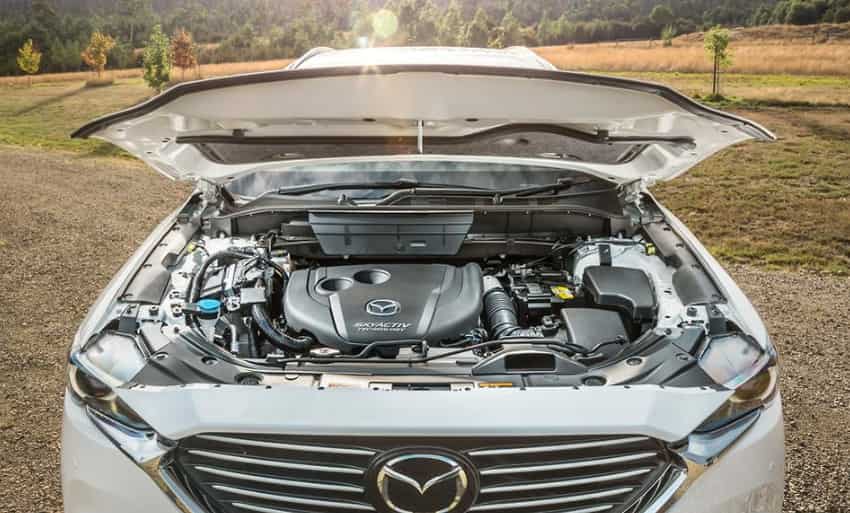
What Is the Mazda Engine Warranty?
The Mazda Engine Warranty protects owners from certain engine related failures during the warranty period. It helps reduce the financial risk of unexpected mechanical problems. However, many owners misunderstand what this warranty actually covers.
Mazda usually includes engine protection within its powertrain warranty coverage. The powertrain warranty focuses on major components that deliver power from the engine to the wheels. This protection commonly includes the engine, transmission, and other related drivetrain parts.
The Mazda factory warranty also includes other forms of protection. A new vehicle limited warranty covers many manufacturing defects and vehicle components. However, it does not provide unlimited coverage for every repair. Each warranty has specific terms, conditions, and exclusions.
The Mazda Engine Warranty mainly protects against defects in materials or workmanship. For example, an internal engine component failure caused by a manufacturing issue may qualify for warranty repair. In contrast, damage from poor maintenance, accidents, or unauthorized modifications usually does not receive coverage.
Many owners confuse a powertrain warranty with complete vehicle protection. These warranties serve different purposes. A powertrain warranty focuses on essential mechanical systems. A basic vehicle warranty provides broader coverage for various factory related issues.
Understanding the difference between these warranty types helps Mazda owners make informed decisions. It also helps them know what to expect when they visit a dealership for repairs.
Before purchasing a Mazda or making a warranty claim, owners should review their specific warranty documents. Coverage can vary depending on the model year, country, mileage limits, and ownership history. Checking these details early can prevent confusion and unexpected repair expenses later.
How Long Does the Mazda Engine Warranty Last?
The duration of the Mazda Engine Warranty depends on several factors, including the vehicle model, model year, and market location. Mazda provides different warranty terms for different regions. Owners should always check their official warranty documents to confirm the exact coverage period for their vehicle.
In many markets, engine protection comes under the Mazda powertrain warranty. This coverage usually lasts longer than the basic vehicle warranty because it protects major mechanical components. The powertrain warranty focuses on systems that generate and transfer power, including the engine and transmission.
The warranty period usually begins on the original in service date. This date normally refers to when the first owner receives the vehicle or when the vehicle enters customer use. The warranty does not usually begin from the date of a later sale between private owners.
Mileage limits also play an important role in warranty coverage. Mazda warranties typically include both a time limit and a mileage limit. The warranty ends when the vehicle reaches either limit first. For example, a vehicle may lose warranty protection after a specific number of years or after exceeding the maximum mileage allowed.
Used Mazda buyers should check the remaining warranty before purchasing a vehicle. The remaining coverage depends on the original purchase date, current mileage, and warranty transfer rules in their region. A vehicle with complete maintenance records may also provide greater confidence for future ownership.
Some owners assume that replacing an engine will restart the entire Mazda Engine Warranty period. However, an engine replacement usually does not reset the original vehicle warranty. The replacement part may have its own repair coverage, depending on local warranty policies.
Understanding warranty duration helps Mazda owners plan maintenance and future expenses. Checking coverage details early allows owners to avoid unexpected repair costs and make better decisions about vehicle ownership.
What Does the Mazda Engine Warranty Cover?
The Mazda Engine Warranty protects owners against specific engine failures caused by defects in materials or workmanship. It does not cover every possible engine problem. Instead, it focuses on serious mechanical failures that happen under normal driving conditions.
The engine block is one of the main components covered under engine protection. This includes important internal parts that help the engine operate correctly. Components such as pistons, crankshafts, connecting rods, and internal bearings may qualify for coverage when a factory related defect causes failure.
The warranty may also cover other internal engine components. These can include timing components, oil pumps, cylinder heads, and certain valve system parts. Coverage depends on the exact warranty terms and the reason behind the failure. Mazda generally reviews each repair case before approving warranty service.
Factory installed turbochargers may also receive protection under Mazda powertrain warranty coverage in applicable models. A turbocharger failure caused by a manufacturing defect may qualify for repair. However, problems caused by aftermarket modifications, incorrect maintenance, or improper use may not receive coverage.
The Mazda Engine Warranty can also include repair related costs when a covered failure occurs. These costs may include replacement parts, labor, and necessary diagnostic procedures. However, diagnostic fees may vary depending on whether the inspection confirms a warranty related issue.
Another important area is damage caused by a covered component failure. For example, if a defective internal engine part causes additional damage to other engine components, Mazda may review the complete repair requirement. The final decision depends on the cause of failure and the warranty agreement.
Many owners assume that all engine problems receive automatic coverage. This is not always true. Mazda evaluates each claim based on the vehicle condition, maintenance history, and technical findings from the inspection process.
Understanding what the Mazda Engine Warranty covers helps owners set realistic expectations. It also allows them to prepare the correct documents and communicate more effectively with a Mazda dealer when they need warranty assistance.
Regular maintenance remains one of the most important ways to protect engine reliability. Even when a warranty provides strong protection, proper care helps prevent avoidable failures and keeps the vehicle performing at its best.
What Is Not Covered by the Mazda Engine Warranty?
The Mazda Engine Warranty provides valuable protection, but it does not cover every type of engine problem. Like most manufacturer warranties, Mazda coverage has specific limitations. Understanding these exclusions helps owners avoid situations that may lead to unexpected repair bills.
Routine maintenance is one of the most common areas that the warranty does not cover. Services such as oil changes, filter replacements, spark plug replacement, and fluid changes remain the owner’s responsibility. These services help prevent engine damage, but Mazda does not consider them warranty repairs.
Damage caused by poor maintenance can also affect warranty coverage. An engine may experience serious problems when owners ignore scheduled services or fail to follow Mazda maintenance recommendations. Examples include driving with low engine oil, using incorrect fluids, or continuing to operate a vehicle after an overheating warning appears.
The Mazda Engine Warranty usually does not cover damage caused by aftermarket modifications. Performance upgrades may change how the engine operates and increase mechanical stress. Examples include engine tuning software, aftermarket turbo systems, and non approved engine components. If a modification directly causes engine damage, Mazda may deny the related warranty claim.
External damage also falls outside normal engine warranty protection. Problems caused by accidents, flooding, fire, contaminated fuel, or environmental damage usually require other forms of coverage. Vehicle insurance may apply in these situations instead of the factory warranty.
Mazda warranties also exclude damage caused by improper vehicle use. Racing, competitive driving, excessive towing, or operating the vehicle beyond recommended conditions may affect warranty eligibility. Manufacturers design engines for normal driving conditions, not extreme usage.
Pre existing problems can create additional warranty concerns, especially for used vehicle buyers. If an engine issue existed before the warranty coverage began, Mazda may not approve the repair. A complete vehicle history helps owners understand potential risks before purchase.
Knowing Mazda Engine Warranty exclusions allows owners to make better decisions. Regular maintenance, careful driving habits, and proper documentation can help protect warranty coverage. A warranty works best when owners understand both its benefits and its limitations.
Why Can a Mazda Engine Warranty Claim Be Denied?
A Mazda Engine Warranty claim does not receive automatic approval every time an engine problem occurs. Mazda reviews each case carefully to determine whether the failure qualifies for warranty coverage. The cause of the problem, vehicle history, and maintenance records all play important roles in the final decision.
One common reason for claim denial is missing maintenance documentation. Owners need to show that they followed the recommended service schedule. Without clear records, Mazda may have difficulty confirming whether the engine received proper care.
Poor maintenance can also lead to a denied warranty claim. An engine failure caused by low oil levels, missed oil changes, incorrect fluids, or ignored warning signs may not qualify for protection. Manufacturers expect owners to maintain their vehicles according to the recommended guidelines.
Unauthorized modifications create another potential issue. Many owners install aftermarket parts to improve performance or appearance. However, certain modifications can affect warranty coverage. If Mazda determines that a modification caused or contributed to engine damage, the related repair may not receive warranty support.
Another possible reason for denial is unauthorized repairs. Owners should contact an authorized Mazda dealer before making major repairs. Allowing an inspection before repair work begins helps Mazda identify the actual cause of failure. It also prevents questions about whether outside repairs affected the engine condition.
Driving habits can also influence warranty decisions. Severe misuse, racing activities, excessive towing, or continued driving after serious warning signs may affect coverage. For example, operating an overheating engine can create additional damage that Mazda may not consider a manufacturing defect.
Mazda may request several documents during the warranty review process. These documents can include maintenance invoices, service history, repair records, and diagnostic reports. Complete records help create a clearer picture of the vehicle’s condition.
A denied claim does not always mean the owner has no options. Owners can request a detailed explanation from the dealer or Mazda customer service team. They can also provide additional maintenance evidence if they believe the decision does not reflect the vehicle’s actual history.
Understanding why Mazda Engine Warranty claims fail helps owners avoid common mistakes. Proper maintenance, accurate records, and responsible vehicle use remain the best ways to protect warranty benefits.
How to File a Mazda Engine Warranty Claim
When an engine problem appears, knowing the Mazda Engine Warranty claim process can help owners handle the situation more effectively. A clear process reduces confusion and helps Mazda evaluate whether the repair qualifies for warranty coverage.
The first step is recognizing serious engine warning signs. Symptoms such as unusual engine noise, overheating, loss of power, excessive smoke, oil pressure warnings, or a flashing check engine light require immediate attention. Continuing to drive with these problems may increase damage and affect warranty eligibility.
After noticing a serious issue, owners should contact an authorized Mazda dealer. The dealer can inspect the vehicle and determine the cause of the failure. Owners should avoid taking the vehicle to an independent repair shop for major repairs before warranty inspection because unauthorized work may complicate the claim process.
Before visiting the dealership, owners should prepare important documents. Maintenance records are especially valuable because they show that the vehicle received proper care. Useful documents may include service invoices, oil change receipts, previous repair records, and warranty information.
The Mazda dealer will perform a diagnostic inspection to identify the problem. Technicians may check engine components, review service history, and perform additional tests if necessary. The inspection helps determine whether the failure resulted from a manufacturing defect or another cause outside warranty coverage.
If the problem qualifies under the Mazda Engine Warranty, the dealer will submit the claim for approval. The warranty review process may include authorization from Mazda before repairs begin. Once approved, Mazda may cover eligible repair costs according to the warranty terms.
If Mazda denies the claim, owners should request a clear explanation. Understanding the reason for denial allows owners to review the decision and provide additional information when necessary. Maintenance records or technical evidence may help clarify the situation.
A successful warranty claim depends on preparation, documentation, and communication. Owners who maintain complete records and respond quickly to engine problems usually have a smoother experience during the warranty process.
The best time to understand the Mazda Engine Warranty claim process is before a major repair happens. Knowing the correct steps can save time, reduce stress, and help owners protect their investment.
Does the Mazda Engine Warranty Transfer to a New Owner?
Many buyers consider warranty coverage when purchasing a used Mazda. The remaining Mazda Engine Warranty can add confidence because it may reduce the risk of unexpected repair costs. However, warranty transfer rules depend on the vehicle location, model year, and specific Mazda warranty terms.
In many cases, the remaining factory warranty stays with the vehicle instead of the original owner. This means a second owner may receive the remaining eligible coverage after purchasing a used Mazda. However, the new owner must meet the requirements set by Mazda in that market.
Before buying a used Mazda, owners should verify the current warranty status. Important details include the original in service date, current mileage, vehicle history, and remaining warranty period. These factors determine whether the vehicle still qualifies for engine protection.
Maintenance history plays an important role for used vehicle warranty coverage. A Mazda with complete service records provides stronger evidence that the previous owner followed proper maintenance requirements. Missing records may create challenges if the new owner needs to submit a warranty claim.
Certified Pre Owned Mazda vehicles may provide additional protection. These programs often include extra inspections and additional warranty benefits compared with regular used vehicles. However, certified coverage works separately from the remaining original factory warranty.
Buyers should also check whether the vehicle has previous modifications, accident history, or major repairs. These factors may affect future warranty claims. A vehicle inspection before purchase can help identify potential problems before ownership changes.
The Mazda Engine Warranty can provide valuable protection for second owners, but buyers should confirm all details before completing a purchase. Checking warranty status, reviewing maintenance records, and understanding coverage limitations can help create a more secure ownership experience.
Is an Extended Mazda Engine Warranty Worth It?
A factory warranty provides important protection, but many Mazda owners worry about repair costs after the original coverage ends. An extended Mazda Engine Warranty can offer additional protection for drivers who plan to keep their vehicles for many years. However, the value of extended coverage depends on individual driving habits, vehicle condition, and financial preferences.
An extended warranty works as an additional protection plan beyond the original Mazda factory warranty. It may cover major components such as the engine, transmission, drivetrain, electrical systems, and other selected vehicle parts. The exact coverage depends on the contract, provider, and plan level.
For owners who drive high mileage every year, extended coverage can provide greater peace of mind. Modern engines are designed for durability, but major repairs can still become expensive. Engine replacement, internal component repairs, or complex mechanical failures can create significant financial pressure without protection.
However, not every Mazda owner needs an extended warranty. Drivers who sell their vehicles before the factory warranty expires may receive limited value from additional coverage. Owners with strong emergency savings may also prefer to pay for repairs directly instead of purchasing a protection plan.
The quality of an extended warranty contract matters more than the name of the plan. Owners should carefully review covered components, exclusions, deductibles, repair locations, and claim requirements before purchasing. Some plans may exclude important repairs or include conditions that reduce their overall value.
An extended Mazda Engine Warranty may be a good choice for owners who want predictable repair costs. It can be especially useful for drivers who plan long term ownership, drive frequently, or prefer financial protection against unexpected failures.
Before buying extended coverage, owners should compare the cost of the plan with the potential repair expenses. They should also consider the reliability history of their specific Mazda model and their personal ownership plans.
The best warranty decision depends on individual needs. A careful evaluation of coverage details, vehicle usage, and future repair risks can help owners choose the option that provides the most value.
How to Protect Your Mazda Engine Warranty
Maintaining your vehicle properly is one of the most effective ways to protect your Mazda Engine Warranty. A warranty provides valuable support when unexpected failures occur, but owners must also follow certain responsibilities to keep their coverage active.
Following the recommended maintenance schedule is the first step. Regular oil changes, fluid inspections, filter replacements, and scheduled services help maintain engine performance. They also create a clear service history that can support a future warranty claim.
Using the correct oil and fluids is equally important. Mazda engines require specific maintenance standards to operate properly. Using unsuitable fluids or incorrect products may affect engine performance and create questions during a warranty review.
Keeping detailed service records can make the warranty process much easier. Owners should save repair invoices, maintenance receipts, and service reports. These documents show that the vehicle received proper care and help Mazda understand the vehicle history during a claim investigation.
Owners should also respond quickly when warning signs appear. Dashboard warnings, unusual engine sounds, overheating, smoke, or sudden performance changes should never be ignored. Continuing to drive with a serious engine problem may increase damage and affect warranty eligibility.
Vehicle modifications require careful consideration. Performance upgrades, engine tuning, and aftermarket parts may change how the engine operates. If these changes contribute to engine damage, Mazda may not approve related warranty repairs.
Choosing qualified service providers also helps protect warranty coverage. Authorized Mazda dealers understand factory requirements and can provide detailed service documentation. Independent repair facilities may also be acceptable in many regions, but owners should ensure that technicians follow proper procedures and use suitable parts.
A Mazda Engine Warranty works best when owners combine warranty protection with responsible ownership. Regular maintenance, careful driving habits, and accurate records can reduce the risk of warranty problems and help maintain long term engine reliability.
Protecting warranty coverage is not only about avoiding claim rejection. It is also about keeping the vehicle safe, reliable, and valuable throughout ownership.
Frequently Asked Questions About Mazda Engine Warranty
Does Mazda have a separate engine warranty?
Mazda usually includes engine protection as part of its powertrain warranty. The powertrain warranty covers major mechanical components, including the engine and related systems. The exact coverage depends on the vehicle model, model year, and market location.
Is the engine covered under the Mazda powertrain warranty?
Yes, the engine is generally one of the main components protected under Mazda powertrain warranty coverage. This protection focuses on major systems that produce and transfer power. However, coverage only applies to failures that meet the warranty terms and conditions.
How long does the Mazda Engine Warranty last?
The Mazda Engine Warranty duration depends on regional warranty policies, vehicle specifications, and mileage limits. Owners should check their official warranty documents or contact a Mazda dealer to confirm the exact coverage period for their vehicle.
Does Mazda cover engine oil leaks?
Engine oil leak coverage depends on the cause of the leak. A leak caused by a defective covered component may qualify for warranty repair. However, leaks caused by wear, poor maintenance, or external damage may not receive coverage.
Does Mazda cover turbocharger failure?
A factory installed turbocharger may receive protection under applicable Mazda powertrain warranty coverage. However, Mazda will review the cause of failure before approving repairs. Damage caused by modifications, improper maintenance, or misuse may not qualify.
Can Mazda deny an engine warranty claim because of missed maintenance?
Yes, Mazda may deny a claim if the engine failure results from poor maintenance. Owners should keep service records that show regular maintenance and proper vehicle care.
Do I need to service my Mazda at a dealership to keep the warranty?
In many regions, owners can use qualified independent repair shops and still maintain warranty protection. However, they should keep complete service records and ensure that technicians follow Mazda maintenance requirements.
Will aftermarket parts void the Mazda Engine Warranty?
Aftermarket parts do not always cancel the entire warranty. However, if a modification causes engine damage, Mazda may deny the related repair claim. Owners should understand the possible warranty risks before making performance changes.
Does the Mazda warranty transfer to a second owner?
In many cases, remaining factory warranty coverage can transfer with the vehicle. The exact rules depend on the region, vehicle history, and Mazda warranty terms. Buyers should confirm coverage before purchasing a used Mazda.
Does replacing the engine restart the warranty period?
An engine replacement usually does not restart the original vehicle warranty period. Replacement part coverage may vary depending on local policies and repair agreements.
Can Mazda provide assistance after the warranty expires?
Mazda may offer goodwill assistance in certain situations. Factors such as vehicle age, mileage, maintenance history, and the nature of the failure may influence the decision.
Who pays the diagnostic cost for a Mazda warranty claim?
Diagnostic costs depend on the inspection result and warranty terms. If the issue qualifies for warranty coverage, Mazda may include eligible diagnostic costs. If the problem is unrelated to warranty coverage, the owner may be responsible for inspection fees.
Conclusion
Understanding the Mazda Engine Warranty helps owners make better decisions throughout vehicle ownership. A warranty can provide valuable financial protection when unexpected engine problems occur, but owners must understand the coverage limits, requirements, and exclusions.
The Mazda Engine Warranty mainly protects against eligible engine failures caused by manufacturing defects or covered mechanical issues. However, factors such as maintenance history, mileage, vehicle condition, and repair cause can influence the final warranty decision.
Keeping complete service records, following the recommended maintenance schedule, and responding quickly to engine problems are essential steps for protecting warranty benefits. These habits not only support potential warranty claims but also improve long term vehicle reliability.
For Mazda owners considering a used vehicle or extended warranty plan, understanding coverage details before making a decision can prevent future surprises. Every vehicle has a different history, so checking warranty status and reviewing official documents remains important.
A reliable engine starts with proper care and informed ownership. Before paying for an expensive repair, confirm your Mazda Engine Warranty coverage, collect your maintenance records, and contact an authorized Mazda service provider for professional guidance.